 UK
UK
 Hawaii
 USA
USA

5 Steps How to Plan a Drone Ash Scattering at Fistral Beach (Easy Guide for Families)
5 Steps How to Plan a Drone Ash Scattering at Fistral Beach (Easy Guide for Families)
The process of saying goodbye to a loved one is a deeply personal journey that often requires a setting as vast and profound as the memories shared. For many families, the rugged beauty of the Cornish coast offers a sense of eternal peace that traditional cemeteries simply cannot replicate. Fistral Beach, with its iconic golden sands and dramatic Atlantic swells, has become a cherished location for those seeking a final resting place that reflects a spirit of adventure and natural wonder.
Choosing a drone ash scattering ceremony allows families to overcome the physical limitations of traditional shore-based dispersal. It ensures that the final tribute occurs exactly where it should be: over the clean, breaking waves of the Atlantic, rather than catching on the coastal breeze and returning to the shore. This modern approach combines the dignity of a traditional service with the precision of aerial technology, creating a moment of profound beauty for everyone watching from the dunes.
Step 1: Selecting the Ideal Location at Fistral Beach
Fistral Beach is not a single uniform stretch of sand: it has distinct areas that offer different atmospheres for a memorial service. Choosing the right spot is the first step in ensuring the day feels personal and undisturbed.
North Fistral is the most famous section, known for the impressive Headland Hotel and its wide, accessible shoreline. It is an excellent choice for families who require easy access from car parks and nearby facilities. However, because of its popularity with surfers and walkers, North Fistral can be busy during the summer months. For a more secluded experience, South Fistral offers a quieter environment, tucked away near the Pentire Headland. This area provides a more intimate backdrop for families to gather and witness the ashes scattering from a distance.
When selecting your location, consider the following:
- Accessibility for elderly family members or those with limited mobility.
- The proximity to the water's edge at the scheduled time of the ceremony.
- The visual backdrop, whether you prefer the open ocean or the rugged cliffs of the headland.
Step 2: Navigating Legal Requirements and Permissions
One of the most common questions families ask is whether they are allowed to scatter ashes at a public beach like Fistral. In the UK, there are no specific laws prohibiting the scattering of ashes at sea or on tidal waters. The Environment Agency generally permits this practice as long as no non-biodegradable items, such as plastic wreaths or urns, are placed in the water.
However, planning a drone ash scattering requires an extra layer of professional oversight. While you do not usually need a permit for the ashes themselves, the operation of a drone is subject to Civil Aviation Authority (CAA) regulations. This is why many families choose to work with a professional service like Aerial Ashes Matt. Professionals handle the complex flight permissions and ensure the ceremony is conducted safely and legally, avoiding any interference with local beach users or protected airspace.
If you are considering a land-based gathering before the flight, it is always thoughtful to check with the Cornwall Council or local beach management if you plan to have a large group or any temporary structures. For most families, a simple gathering on the sand followed by an aerial release requires no formal paperwork beyond the expert flight planning provided by the drone operator.
Step 3: Mastering the Elements of Tide and Weather
The Atlantic coast of Cornwall is famously unpredictable. To ensure a peaceful and dignified ceremony, the timing must be coordinated with both the tides and the wind patterns. Research in the Journal of Palliative Medicine suggests that the environment in which a memorial occurs significantly impacts the long-term grieving process of the bereaved (Casarett et al., 2001). A ceremony that feels rushed or chaotic due to weather can be distressing, whereas a well-timed event provides a sense of order and calm.
The best time for scattering ashes at Fistral is often during an ebbing tide. As the water retreats, it carries the ashes out into the deep ocean, symbolising a journey toward the horizon. Additionally, scheduling the service for early morning or late evening often provides the most serene light and the calmest winds.

Before the day of the ceremony, a professional pilot will monitor:
- Wind speed and direction: Ensuring the drone can fly stably and the ashes disperse away from the shore.
- Precipitation: Rain can affect both the drone's electronics and the visual experience for the family.
- Visibility: Sea fret or mist can sometimes roll in quickly at Fistral, potentially delaying the flight.
Step 4: Ensuring Family Inclusion and Accessibility
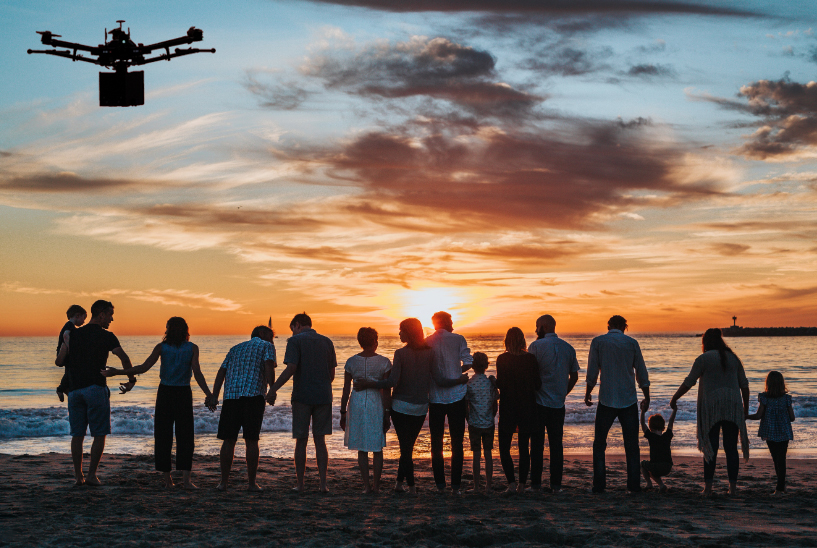
A memorial is not just about the final dispersal; it is about the people left behind. One of the greatest benefits of a drone ash scattering is that it allows every member of the family to participate regardless of their physical ability. Unlike a boat-based scattering, which can be difficult for those prone to sea sickness or those with mobility issues, an aerial scattering allows the family to stand firmly on the beach.
Families can stand together on the sand or watch from the elevated vantage points near the surf centre. The drone can be programmed to hover at a respectful distance and height, allowing everyone to see the release clearly. For those who cannot travel to Cornwall, we often discuss options for recording or sharing the moment. You can learn more about how we handle various ceremony types on our ideal memorial assistant page.
Creating a shared moment is essential for collective healing. By standing hand-in-hand on the beach, families can experience the release together, watching as the ashes form a silver cloud that gradually merges with the sea spray and the sunlight.
Step 5: Engaging Professional Precision for a Dignified Tribute
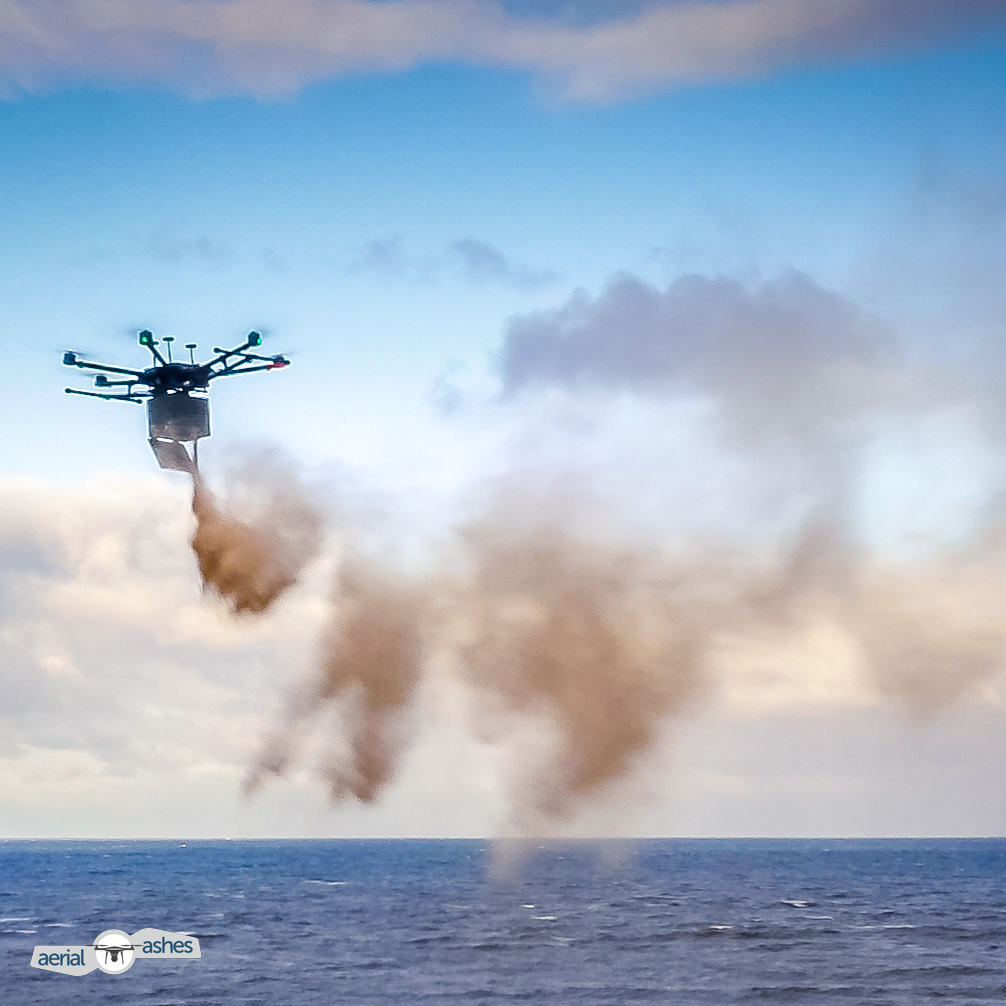
The final step is the execution of the ceremony itself. While some may consider a DIY approach, the technical challenges of releasing cremated remains from the air are significant. Ashes have a unique consistency and can be quite heavy: they do not simply "pour" out in a light breeze. A professional drone release system is specifically designed to ensure the ashes are dispersed smoothly and completely, preventing any clumping or mechanical failure.
Using a professional service ensures that the drone is equipped with a specialized release mechanism. This technology allows for a gradual dispersal that looks beautiful from the ground and ensures the remains are handled with the highest level of respect. Professional pilots also carry public liability insurance and are trained to handle the specific maritime conditions of the Cornish coast.
At Aerial Ashes Matt, we focus on the peaceful memorial experience. We understand that this is a once-in-a-lifetime moment, and our goal is to make the technical aspects invisible so that you can focus on the emotional significance of the day. You can see how this looks in practice by visiting our YouTube channel or viewing our Westerleigh partnership details.
The Psychological Importance of a Meaningful Farewell
The choice of Fistral Beach as a memorial site is often rooted in a loved one's passion for the sea, surfing, or the simple beauty of the outdoors. Sociological studies on mourning, such as those by Geoffrey Gorer (1965), have highlighted the importance of "ritual" in providing a structured way for the living to process loss. When a ritual is conducted in a location of great natural beauty, it can transform a moment of sadness into a celebration of a life well-lived.
The turquoise waters and white sands of Fistral provide a "thin place": a location where the boundary between the physical and the spiritual feels porous. By using a drone for scattering ashes, you are choosing a method that is as innovative as it is respectful, ensuring that the final memory your family holds is one of grace, light, and the eternal rhythm of the waves.
If you are also considering memorials for a four-legged family member, we offer dedicated services for pets as well. Whether for a human or a companion, the Cornish coast provides a timeless sanctuary.
Planning for the Future
If you find yourself at the beginning of this journey and aren't sure if you are ready yet, you might find our guide Are you ready to scatter your loved one's ashes a helpful resource. There is no rush; the sea will always be there, and the right time is whenever you feel most at peace with the decision.
For those who want to take the next step in planning a ceremony at Fistral Beach or any other stunning Cornish location like Sennen Cove or Kynance Cove, we are here to guide you through every detail. From the initial weather check to the final flight, our mission is to provide a service that is as professional as it is compassionate.
References
- Casarett, D., Knebel, A., & Morales, K. (2001). Grief and the Environmental Context of Memorials. Journal of Palliative Medicine.
- Gorer, G. (1965). Death, Grief, and Mourning. Cresset Press.
- Journal of Experimental Psychology. (2014). The Impact of Rituals on the Grieving Process.
We're Online! How may I help you today?