 UK
UK
 Hawaii
 USA
USA

5 Steps How to Plan a Drone Ash Scattering at Southsea and Create a Lasting Memory (Easy Guide for Families)
5 Steps How to Plan a Drone Ash Scattering at Southsea and Create a Lasting Memory (Easy Guide for Families)
Grief is a heavy companion. It often leaves us feeling stuck, unsure of how to move from the deep sorrow of loss to a place of peaceful remembrance. For many families in Hampshire, the final act of saying goodbye becomes a daunting task. You want it to be perfect, but the logistical hurdles of traditional scattering can feel overwhelming.
Southsea, with its sweeping views of the Solent and the Isle of Wight, offers a uniquely serene backdrop for a final farewell. The water here is famously calm, protected by the island, making it one of the most meaningful locations for ashes scattering in the UK. By choosing a modern approach, you can transform a difficult day into a beautiful, lasting memory.
Step 1: Moving the Ashes from the Shelf to the Sea
Many families find themselves living with what we call "The Ashes on the Shelf." It starts with a desire to keep a loved one close, but over time, that urn on the mantelpiece can become a source of quiet guilt. You might feel like you haven't quite fulfilled your final duty to them.
Releasing those ashes into a beautiful environment like the Southsea coastline can provide a profound sense of relief. It is the transition from holding onto the physical remains to embracing a spiritual or emotional connection. Research shows that performing a final ritual can significantly aid the mourning process. According to a study in the Journal of Palliative Medicine (Casarett et al., 2002), meaningful end-of-life rituals help survivors find closure and reduce the long-term intensity of grief.
Making the decision to move forward is the hardest part. Once you decide that your loved one deserves to be part of the sea and the sky, the rest of the planning becomes a journey of love rather than a chore.
Step 2: Choosing Southsea for Its Calm Waters and Accessibility
Southsea is not just any beach. It is a place of history, vibrant life, and natural beauty. For families looking at scattering ashes in Hampshire, it offers several advantages. The waters of the Solent are generally much calmer than the open Atlantic coast. This creates a peaceful atmosphere for a ceremony.
Accessibility is another crucial factor. Traditional beach scatterings often require trekking across deep shingle or sand, which can be impossible for elderly family members or those with mobility issues. At Southsea, the long, flat promenade allows everyone to gather comfortably.
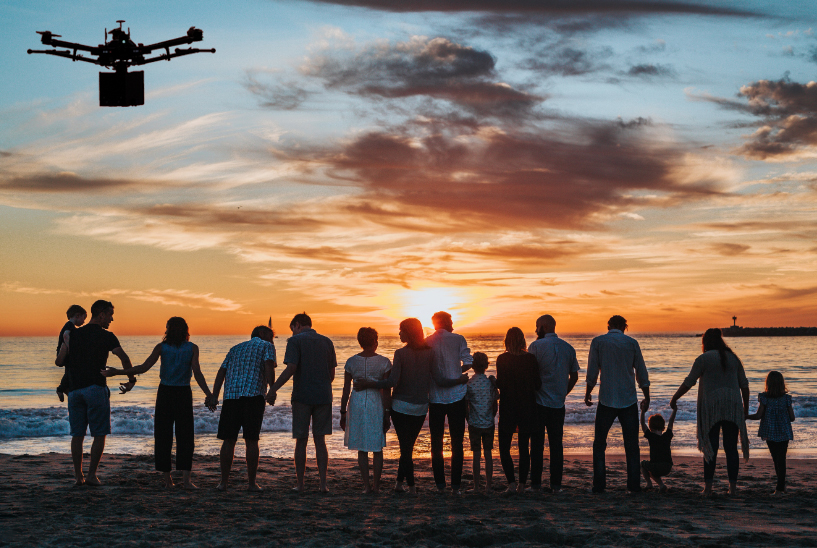
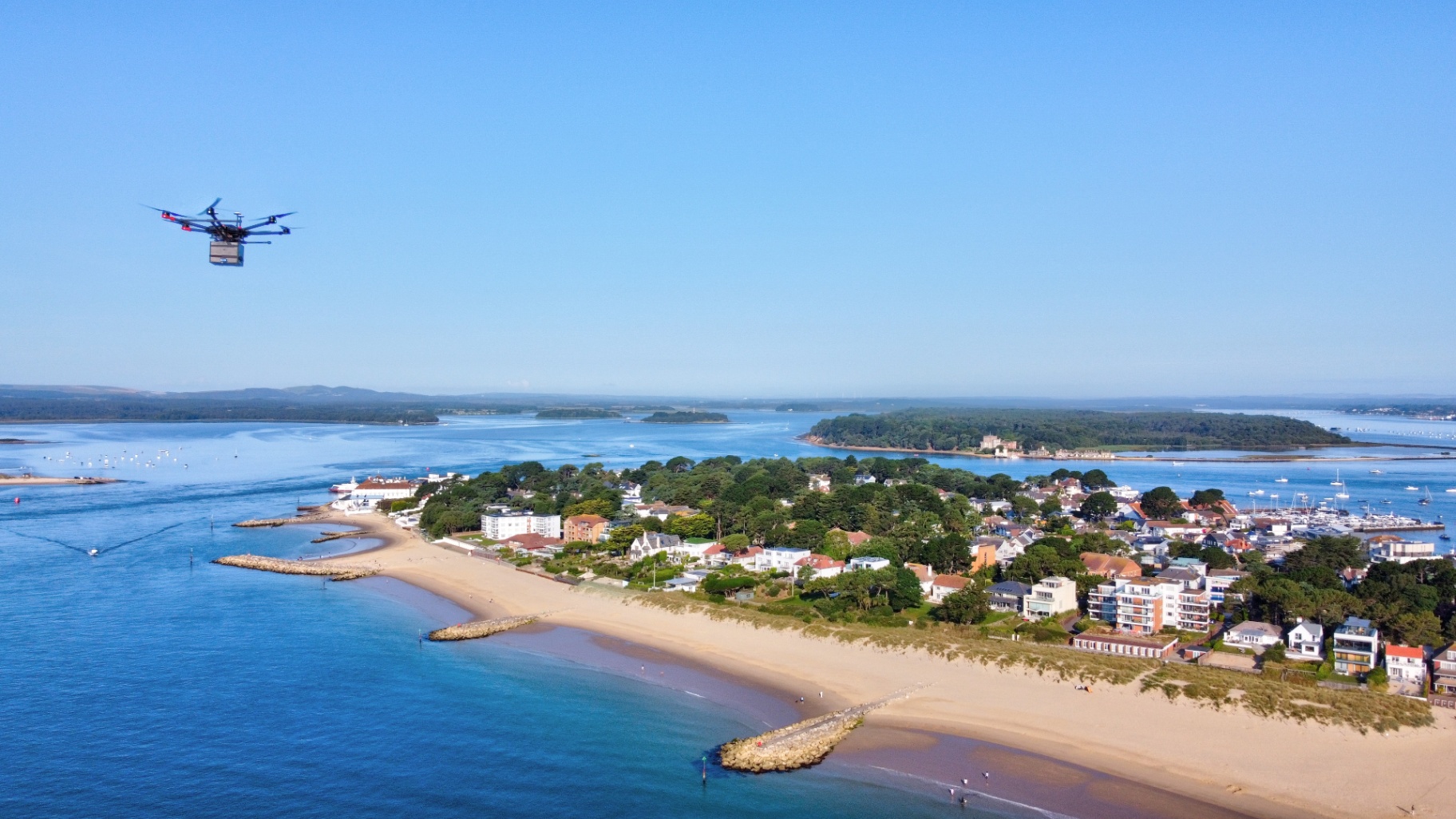
From the promenade, you can look out toward the Spitbank Fort and the Isle of Wight. The drone can take off from a quiet spot and fly out over the water while the family remains together on solid ground. This ensures that no one is left out of the moment. If you are still exploring options, you might find some inspiration for your ceremony by looking at how other families have utilized these coastal vistas.
Step 3: Avoiding the Pitfalls of a DIY Scattering
We often hear about "The DIY That Went Wrong." It is a common story: a family heads to the beach on a windy day, opens the urn, and the wind catches the ashes. Instead of a graceful release, it becomes a distressing and messy experience. This can leave families with a sense of regret that is hard to shake.
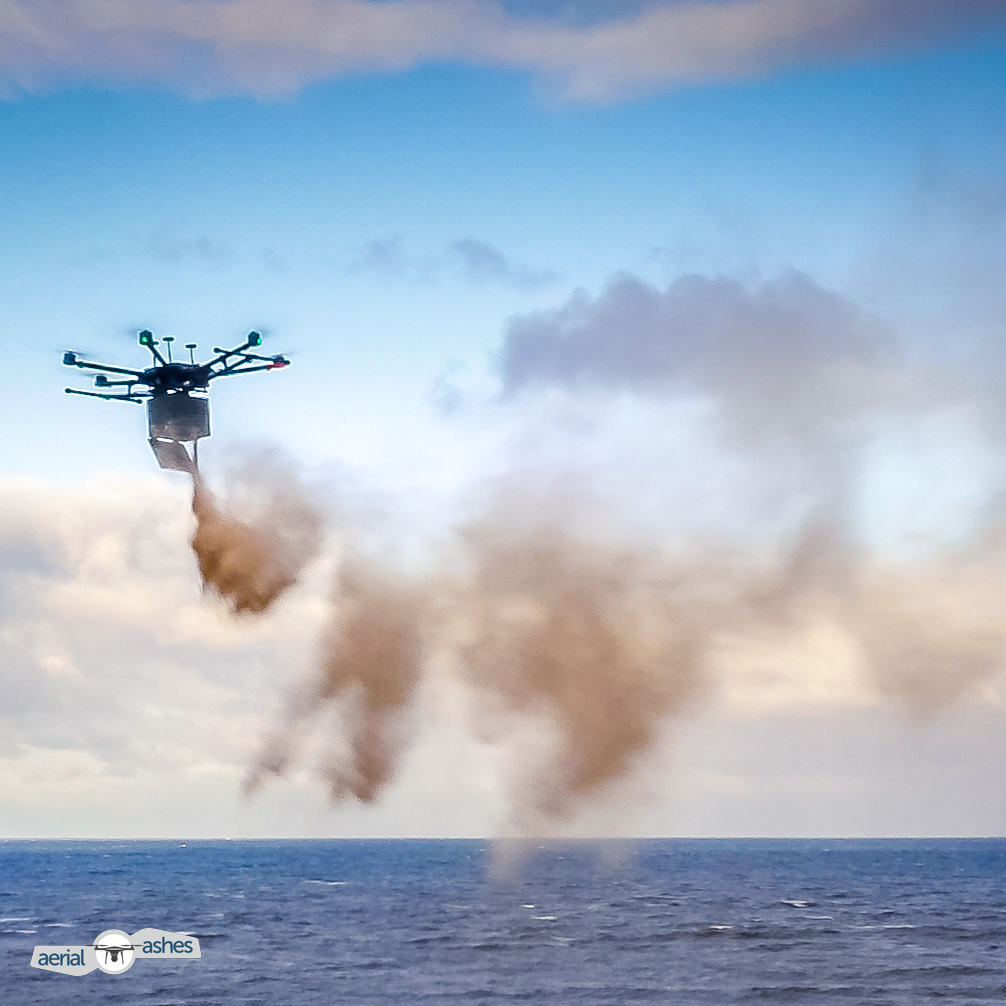
A drone ash scattering solves this problem entirely. The drone carries the ashes several hundred meters out over the sea, away from the shore and the wind currents that swirl around coastal buildings. The release is controlled, gentle, and visually stunning.
Professional services ensure that the "cremains" (cremated remains) are handled with the utmost dignity. We use specialized dispersal units that create a beautiful plume in the air, which slowly settles into the water. This method respects the environment and ensures the family's last memory is one of beauty, not a struggle with the elements.
Step 4: Navigating Permissions and Regulations
Planning a memorial at a public location like Southsea involves more than just showing up. There are rules to follow to ensure the ceremony is legal and respectful to other beachgoers. While scattering ashes at sea in the UK generally does not require a specific permit from the Environment Agency, drone flight is strictly regulated.
As a professional service, we handle the heavy lifting here. This includes:
- Checking Civil Aviation Authority (CAA) airspace restrictions.
- Ensuring compliance with local Portsmouth City Council bylaws.
- Monitoring weather patterns to ensure a safe and successful flight.

It is essential to work with an operator who is fully insured and licensed. You can learn more about our professional standards and team to see how we prioritize safety and respect. By letting professionals handle the logistics, you can focus entirely on your family and your memories.
Step 5: Personalizing the Ceremony for a Lasting Memory
The final step is making the moment yours. A drone ceremony is not just a technical process: it is a deeply personal event. You might choose to have a favorite song playing on the shore as the drone ascends, or perhaps a family member would like to say a few words.
Studies indicate that nature-based memorials can have a "restorative" effect on the human psyche. According to the Attention Restoration Theory published in the Journal of Environmental Psychology (Kaplan, 1995), natural environments like the coast help reduce mental fatigue and provide a space for reflection.
Consider these ways to personalize your Southsea memorial:
- Timing: Early morning or sunset offer the most dramatic and peaceful light.
- Flowers: Releasing biodegradable petals from the shore as the drone flies out.
- Live Streaming: For family members who cannot travel to Hampshire, we can often facilitate a live-streamed memorial so they can participate in real-time.
The Emotional Impact of a Dignified Farewell
When the drone reaches its destination over the Solent, there is a moment of profound silence. As the ashes are released, they form a silver-grey cloud against the blue of the sea and sky. It is a visual representation of letting go.
For many, this is the moment the weight finally lifts. The "Ashes on the Shelf" are gone, replaced by the knowledge that your loved one is now part of the vast, eternal ocean. This transition is vital for healing. It allows you to visit Southsea in the future and feel a sense of connection to the water, rather than sadness when looking at an urn.
Why Choose a Professional Drone Service?
Using a drone for ashes scattering is a relatively new concept, but it is one grounded in a desire for dignity and beauty. It combines modern technology with the ancient tradition of returning to nature.
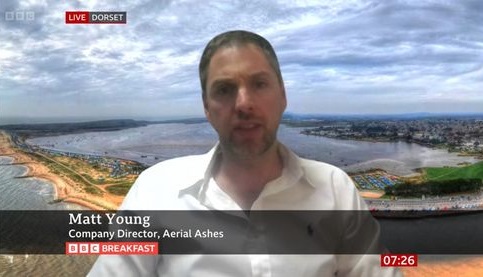
Families who have struggled with the idea of a traditional burial or a messy shore-side scattering find that the drone offers a "clean" and ethereal alternative. It is a way to honor a loved one's spirit of adventure or their love for the sea. We have even been featured on national television discussing this unique approach.
If you feel ready to take this step, you might want to ask yourself, are you ready to scatter your loved one's ashes? Taking the time to reflect on this question ensures that when the day comes, you are doing it for the right reasons and at the right time for your family.
Creating Your Plan Today
Planning doesn't have to be a burden. By following these five steps, you can ensure a smooth, respectful, and beautiful ceremony at Southsea.
- Acknowledge the need to move from holding on to letting go.
- Select a beautiful, accessible location like the Southsea promenade.
- Trust professionals to avoid the risks of a DIY scattering.
- Ensure all legal and safety boxes are checked.
- Personalize the moment to reflect the life of the person you lost.
Southsea remains one of the most popular locations for our Hampshire families because it perfectly balances natural beauty with practical accessibility. Whether your loved one was a sailor, a traveler, or simply someone who loved the sound of the waves, a drone ceremony here provides a fitting tribute.
If you are ready to begin this journey, you can plan your own ceremony now and take the first step toward finding peace.
References
- Casarett, D., Kutney, L., & Abramson, J. (2002). Life after death: A practical approach to grief and bereavement. Journal of Palliative Medicine, 5(6), 835-840.
- Kaplan, S. (1995). The restorative benefits of nature: Toward an integrative framework. Journal of Environmental Psychology, 15(3), 169-182.
- Romanoff, B. D., & Terenzio, M. (1998). Rituals and the grieving process. Death Studies, 22(8), 697-711.
We're Online! How may I help you today?