 UK
UK
 Hawaii
 USA
USA
5 Steps How to Plan a Scattering Ashes Ceremony and Avoid DIY Stress at Gyllyngvase Beach (Easy Guide for Families)
5 Steps How to Plan a Scattering Ashes Ceremony and Avoid DIY Stress at Gyllyngvase Beach (Easy Guide for Families)
Deciding how to say a final goodbye is one of the most significant choices a family makes after a loss. For many, the idea of a traditional cemetery burial feels too formal or restricted. This leads thousands of families toward the coast, seeking the freedom and beauty of the ocean. Gyllyngvase Beach in Falmouth is a premier choice for these moments, offering turquoise waters and a gentle Cornish breeze. However, moving from the initial idea to a successful ashes scattering involves more than just showing up at the shore. It requires a balance of logistical planning and emotional readiness to ensure the day brings peace rather than unexpected stress.
The Ashes on the Shelf: Finding the Right Time
Many people find themselves living with a loved one's cremated remains on a shelf or in a cupboard for months, or even years. This often stems from a place of love and a desire to get the final ceremony exactly right. However, research published in the Journal of Palliative Medicine (2018) suggests that the presence of "unresolved" ashes can sometimes prolong the acute phase of grief. Families often describe a feeling of "waiting" that only lifts once the ashes have been returned to nature.
Releasing these remains is not about letting go of the person, but about fulfilling a final wish or providing a sense of geographical permanence. Gyllyngvase Beach, known locally as Gylly, provides a serene backdrop for this transition. The goal is to move from the weight of responsibility to the relief of a beautiful memory.
Step 1: Understanding Local Permissions and tide times
The first step in planning a ceremony at Gyllyngvase is understanding the environment. Unlike some private inland locations, most UK beaches do not require formal permits for scattering ashes if the group is small and respectful. However, it is essential to follow the Environment Agency guidelines. These guidelines suggest that everything scattered must be biodegradable. This includes not just the ashes, but also any flowers or wreaths you might want to release.
Checking the tide times is the most practical thing you can do during this stage. Gyllyngvase is a popular spot for swimmers and paddleboarders. At high tide, the beach can become quite narrow, bringing you into close proximity with other beach users. Planning your ceremony for low tide or during the quieter hours of early morning or sunset ensures privacy and a more intimate experience. You can find more details on finding the right location in our Beach Scattering Guide.

Step 2: Choosing the Right Method to Avoid DIY Stress
This is where many families face the "DIY That Went Wrong" scenario. It is a common scene: a family gathers at the water’s edge, the wind picks up, and as they attempt to pour the ashes, the breeze catches them. Instead of a dignified release into the waves, the ashes are blown back onto the mourners' clothes or into their faces. This can be deeply distressing and can overshadow the beauty of the moment.
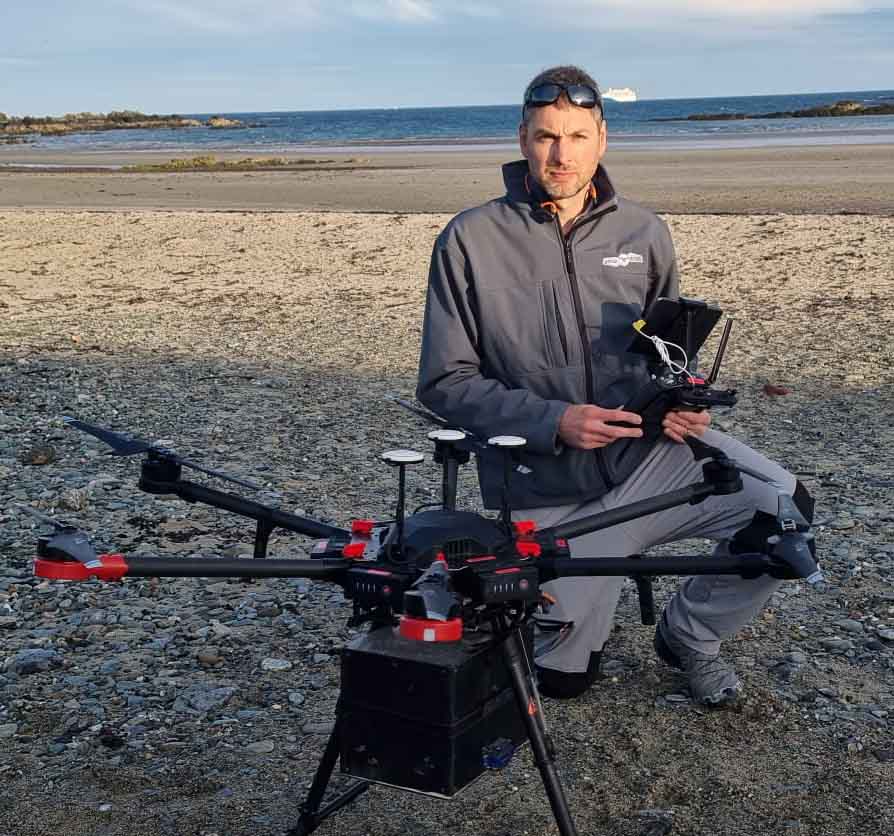
The physical properties of cremated remains make them unpredictable in coastal winds. To avoid this stress, families are increasingly looking at professional alternatives. While a manual scattering feels personal, it is often technically difficult to execute perfectly on a Cornish beach. Using a professional service like Aerial Ashes Matt allows the release to happen at a higher altitude or further out over the sea, where the wind works with the ceremony rather than against it. This ensures the focus remains on the farewell, not the logistics of the wind direction.
Step 3: Coordinating the Group and Accessibility
Gyllyngvase Beach is one of the most accessible beaches in Cornwall, which makes it ideal for families with elderly members or those with mobility issues. There is a level path from the car park directly to the sand. When planning, consider where the group will stand. If you are scattering by hand, you will need to get close to the water, which might be difficult for some.
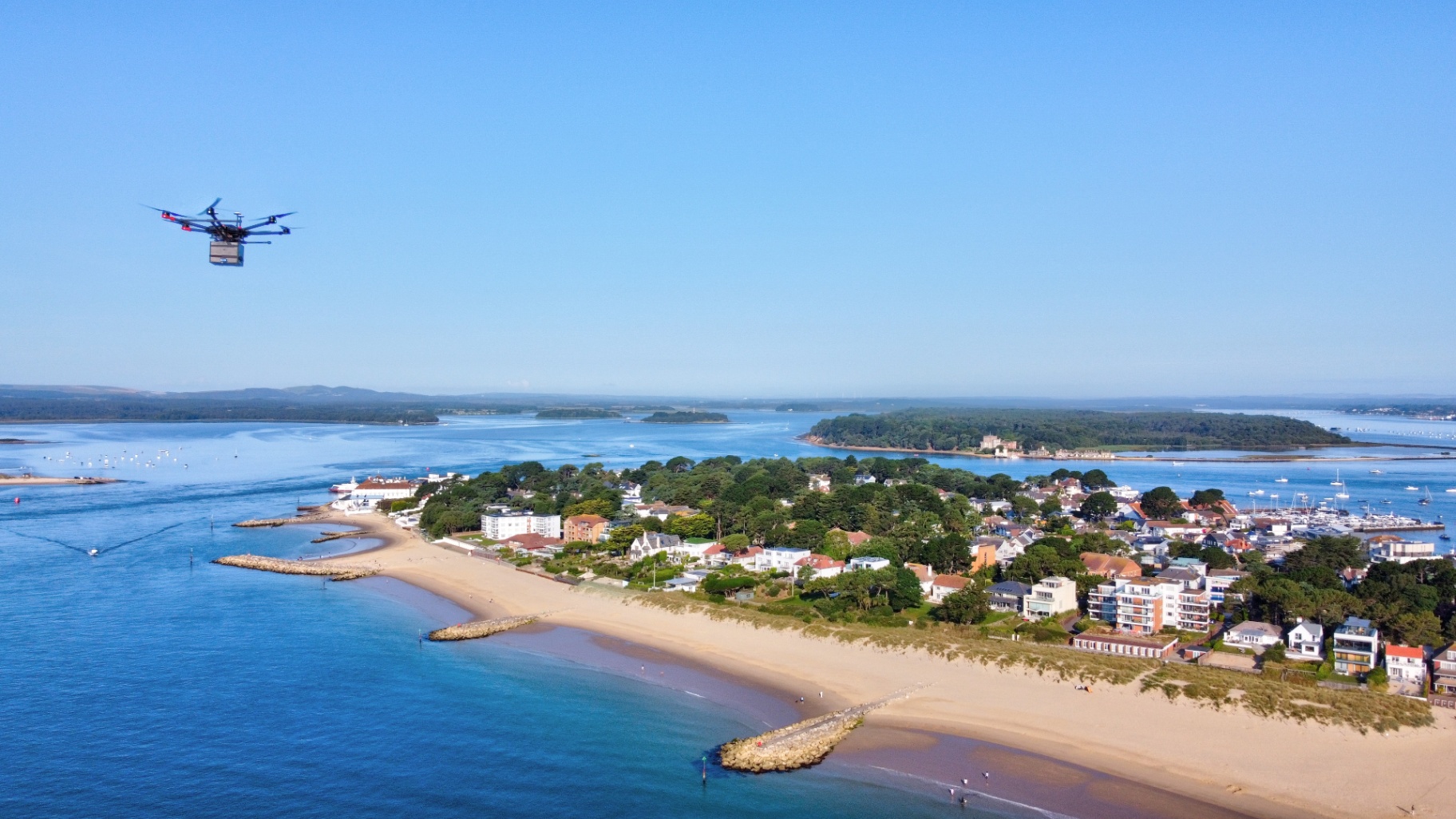
If you choose a drone-based ceremony, your family can remain comfortably on the promenade or a stable part of the beach. You can watch as the drone carries the ashes out over the Falmouth Bay, providing a clear view for everyone regardless of their physical mobility. This inclusivity is a vital part of a stress-free day. For those still weighing up the options, you might find our ceremony planning tools helpful for coordinating your family’s needs.
Step 4: Personalizing the Farewell
A ceremony at Gyllyngvase should feel like a reflection of the person you are honoring. Because it is a public space, personalization usually comes through words, music, and small symbolic acts. According to a study in the Journal of Experimental Psychology (2014), ritualistic behavior during a memorial can significantly improve the sense of "perceived control" after a loss, helping to mitigate the chaos of grief.
- Music: A small portable speaker can play a favorite song, though the sound of the waves often provides the best natural soundtrack.
- Readings: Having a printed poem or a short eulogy helps focus the group’s attention.
- Biodegradable Petals: Scattering rose petals alongside the ashes creates a beautiful visual trail on the water.
By planning these elements in advance, you prevent the ceremony from feeling aimless. It gives the family a structure to follow, which reduces the anxiety often felt during these high-emotion events.
Step 5: Finalizing the Logistics and Post-Ceremony
Once the scattering ashes ceremony is complete, the "final step" is actually about the living. Gyllyngvase is home to an excellent beach café that stays open year-round. Many families find that sitting down for a coffee or a meal immediately after the ceremony is a crucial part of the healing process. It allows everyone to share stories and decompress in a familiar, warm environment.
Before you arrive, ensure you have a "plan B" for the weather. Cornwall is famous for its sudden sea mists and rain showers. If the weather prevents a safe or comfortable beach visit, having a local venue booked for a gathering ensures the day isn't a total loss. Professional services like ours also monitor the weather closely, often providing more flexibility and expert advice than a purely DIY approach. You can book a scattering service to take the logistical weight off your shoulders.
Why Families are Moving Toward Professional Assistance
The transition from a DIY scattering to a professional drone scattering is often driven by a desire for a "clean" and dignified memory. When families attempt a DIY release at Gyllyngvase, they often struggle with the weight of the urn, the gritty texture of the remains, and the unpredictable nature of the Atlantic wind. It can feel messy and hurried.
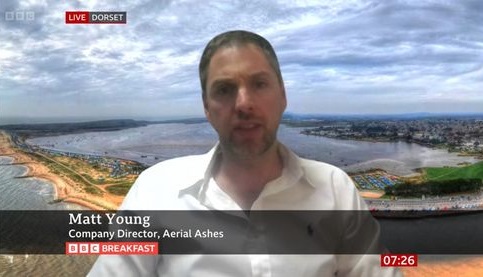
By contrast, an aerial release provides a sense of grandeur. Watching the ashes disperse into a soft cloud against the blue of the sky and the sea creates a lasting, peaceful image. It removes the physical "work" from the mourners, allowing them to simply be present. This is why we focus on delivering a service that is both technically perfect and emotionally sensitive. We have even discussed these benefits on national platforms, as seen during our BBC Breakfast interview.
Environmental Responsibility at Gyllyngvase
Protecting the Cornish coastline is a priority for everyone who lives and works here. When you are scattering ashes, you are adding organic matter back into the ecosystem. Cremated remains are composed of bone minerals (primarily calcium phosphate) which are not harmful to the marine environment in small quantities. However, the containers they come in often are.
Always ensure you transfer the ashes to a biodegradable scattering tube if you are doing it yourself, or let a professional handle the specialized equipment. Avoid throwing plastic wreaths or metal tokens into the sea. Being a "good ancestor" means leaving Gyllyngvase Beach just as beautiful for the next family as it was for yours. You can read more about our commitment to these standards in our terms and conditions.
Making the Decision That Fits Your Family
Ultimately, whether you choose a simple walk on the sand or a sophisticated aerial ceremony, the most important thing is that the day reflects your love for the person you have lost. Gyllyngvase Beach offers a stunning, accessible, and meaningful location for this final act. By following these five steps, you can avoid the common pitfalls of DIY scattering and ensure that your final goodbye is as serene and beautiful as the Cornish coast itself.
Moving the ashes from the shelf to the sea is a profound step in the journey of grief. It marks the end of a physical responsibility and the beginning of a peaceful remembrance. If you feel ready to take that step but want to ensure everything goes perfectly, we are here to guide you through the process.
References:
- Journal of Palliative Medicine (2018). "The Psychological Impact of Retaining Cremated Remains."
- Journal of Experimental Psychology (2014). "Rituals Alleviate Grieving for Loved Ones and Lotteries."
- Environment Agency (UK). "Guidance on Scattering Ashes over Water."
We're Online! How may I help you today?