 UK
UK
 Hawaii
 USA
USA
5 Steps How to Plan a Scattering Ashes Ceremony and Honor a Loved One at Fistral Beach
5 Steps How to Plan a Scattering Ashes Ceremony and Honor a Loved One at Fistral Beach
The experience of losing a loved one often brings a deep desire to find a final resting place that reflects their spirit and provides comfort to those left behind. For many, the coast of Cornwall represents a place of childhood memories, peace, and natural beauty. Fistral Beach in Newquay, with its sweeping sands and iconic Atlantic swells, is a location that many choose for a final farewell. Planning a scattering ashes ceremony in such a public yet profound space requires careful thought to ensure the moment is as dignified and serene as the environment itself.
Research consistently shows that nature plays a crucial role in the grieving process. A study published in the Journal of Environmental Psychology (Gascón et al., 2017) indicates that "blue spaces," such as coastal environments, have a significant positive impact on mental health and emotional well-being. This connection to the sea offers a sense of continuity and peace that traditional settings may lack. By using modern technology, we can now offer families a way to reach the water without the logistical challenges of boats or the limitations of the shoreline.
Step 1: Obtain Permissions and Understand Local Regulations
The first step in any planning process is ensuring that the ceremony is conducted legally and respectfully. Fistral Beach is a popular destination, and its coastline is often overseen by bodies like the National Trust or the Duchy of Cornwall. While these organizations generally allow the scattering of cremated remains, they have specific guidelines designed to protect the local ecosystem and the experience of other beach users.
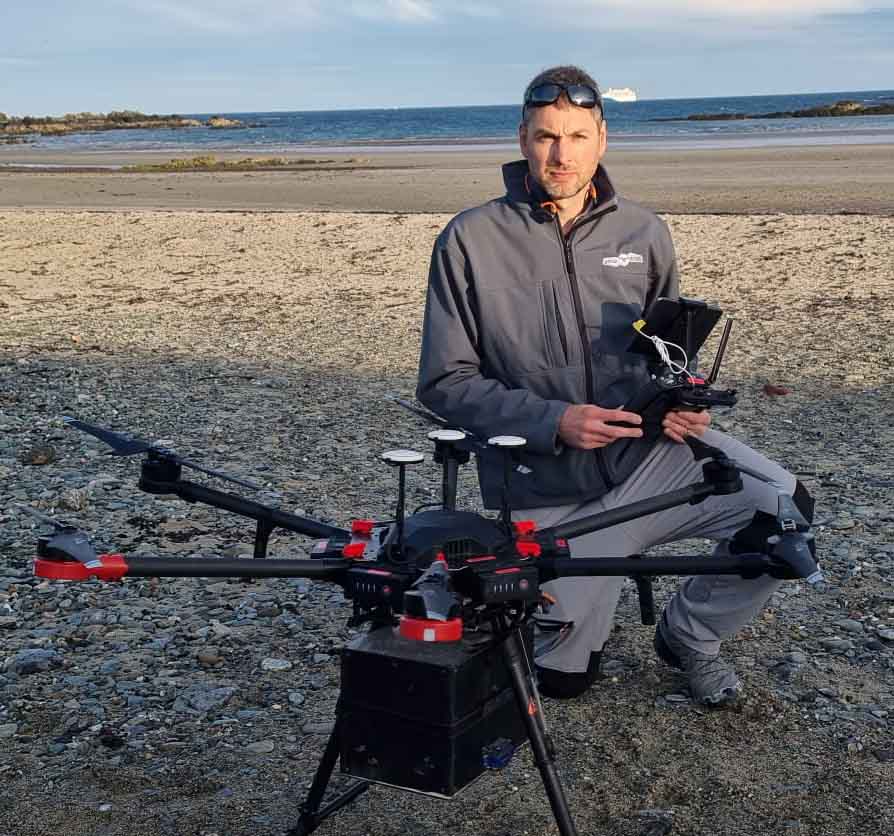
We manage the complexities of these regulations so that you can focus on the memorial. This involves securing permissions and ensuring compliance with the Civil Aviation Authority (CAA) regulations for drone flight. It is essential to coordinate with local landowners to ensure the ceremony does not conflict with local events. Furthermore, any items released alongside the ashes, such as flower petals, must be 100 percent biodegradable. This ensures the marine environment remains pristine, honoring the loved one by protecting the nature they cared for.
Step 2: Plan Your Logistics Around the Cornish Tides
Fistral Beach is a dynamic environment where the landscape changes significantly with the tide. At low tide, the beach is vast, offering plenty of space, but the water can be a long distance from the main viewing areas. At high tide, the waves reach the base of the rocks and sea walls, creating a more intimate but sometimes more crowded setting.
When planning your date, it is vital to check the local Newquay tide tables. Many families find that a mid to high tide is preferable for a drone ash scattering because it brings the sea closer to the headland. One of the primary benefits of using a drone is the accessibility it provides. For elderly relatives or those with limited mobility, navigating wet sand or rocky outcrops can be difficult. With a drone, the family can gather at a comfortable vantage point, such as the grassy areas near the Headland Hotel, while the drone carries the ashes out over the surf. This ensures that everyone can participate in the moment without physical strain.
Step 3: Decide on Technical and Recording Options
A ceremony at Fistral Beach is a once in a lifetime event, and many families find comfort in having a record of the moment. We offer professional drone services that not only perform the scattering but can also record the flight. This provides a lasting tribute that can be shared with family members who were unable to travel to Cornwall.
According to a study in the Journal of Palliative Medicine (Casarett et al., 2010), the use of technology in memorialization can help facilitate the "continuing bonds" theory of grief, where maintaining a connection with the deceased aids in long term healing. Choosing to record the ceremony or even live stream the event allows for a global gathering of friends and family. We also provide specialized services like Together Forever Services, where the ashes of two individuals, perhaps a husband and wife, are scattered together in a single flight, symbolizing their eternal bond.
Step 4: Design the Ceremony and Choose Your Words
A scattering ashes ceremony is an act of storytelling. It is an opportunity to reflect on a life lived and the impact that person had on others. Because a drone scattering takes a few minutes from takeoff to release, you have a window of time to structure a meaningful service on the ground.
You might consider:
- A designated family member or a professional celebrant reading a favorite poem or a short eulogy.
- Playing a piece of music that held special meaning for the deceased as the drone ascends.
- A moment of silence as the ashes are released, followed by a collective "toast" or the release of biodegradable petals into the sea breeze.
- Having each person share a single word that describes the loved one.
The goal is to create a service that feels personal and unhurried. By designing the ceremony around the flight path, you create a visual focus that helps the group feel connected to the process.

Step 5: Brief Yourself on the Day of Flight Process
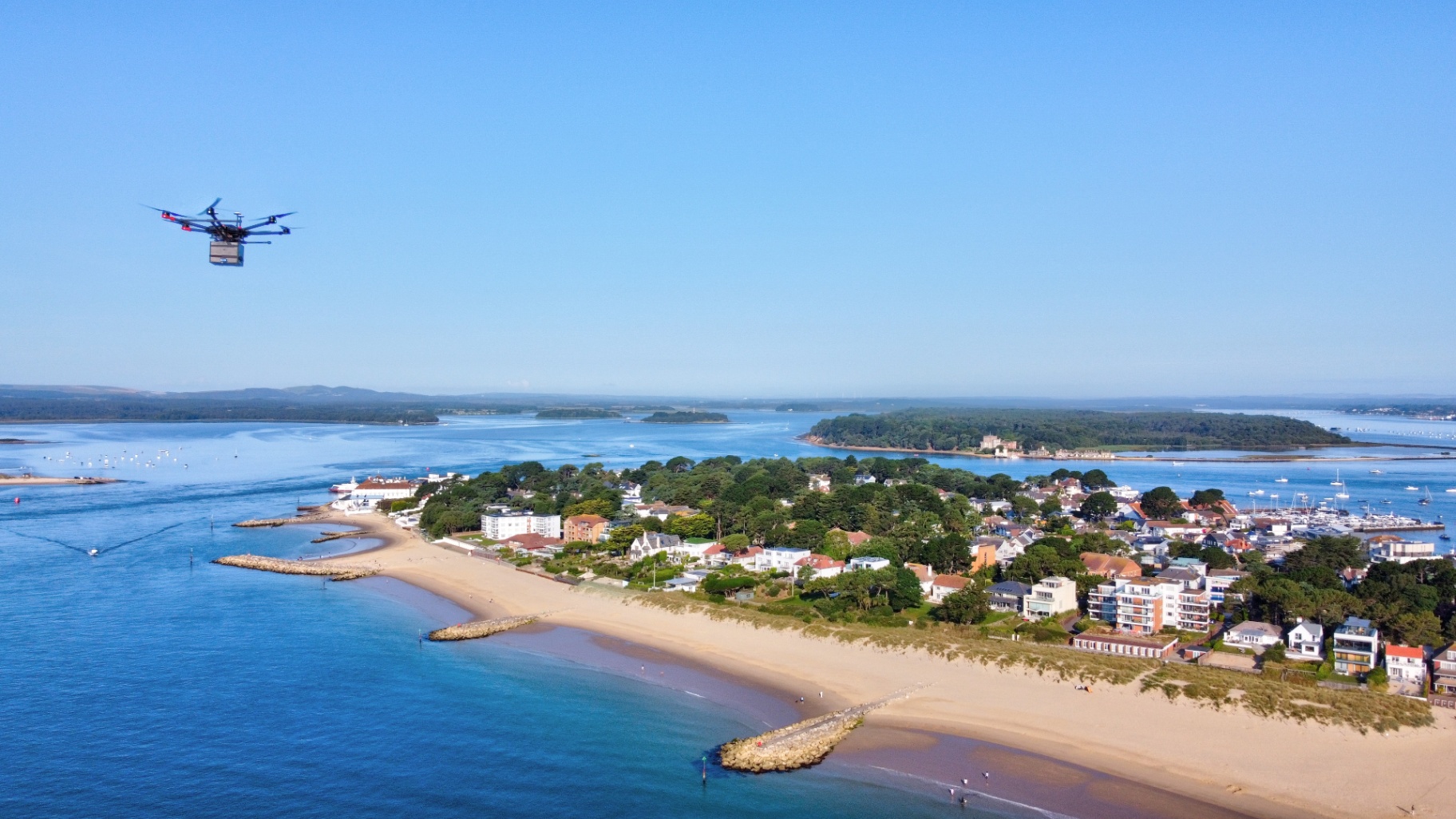
On the day of the ceremony, our team will meet you at the chosen location to walk you through exactly what will happen. This briefing is a crucial part of ensuring everyone feels calm and informed. We will explain the flight path, which is typically 100 to 200 meters from the shore. This distance is chosen to ensure the ashes are dispersed into the sea and are not carried back toward the shore or other beachgoers by the wind.
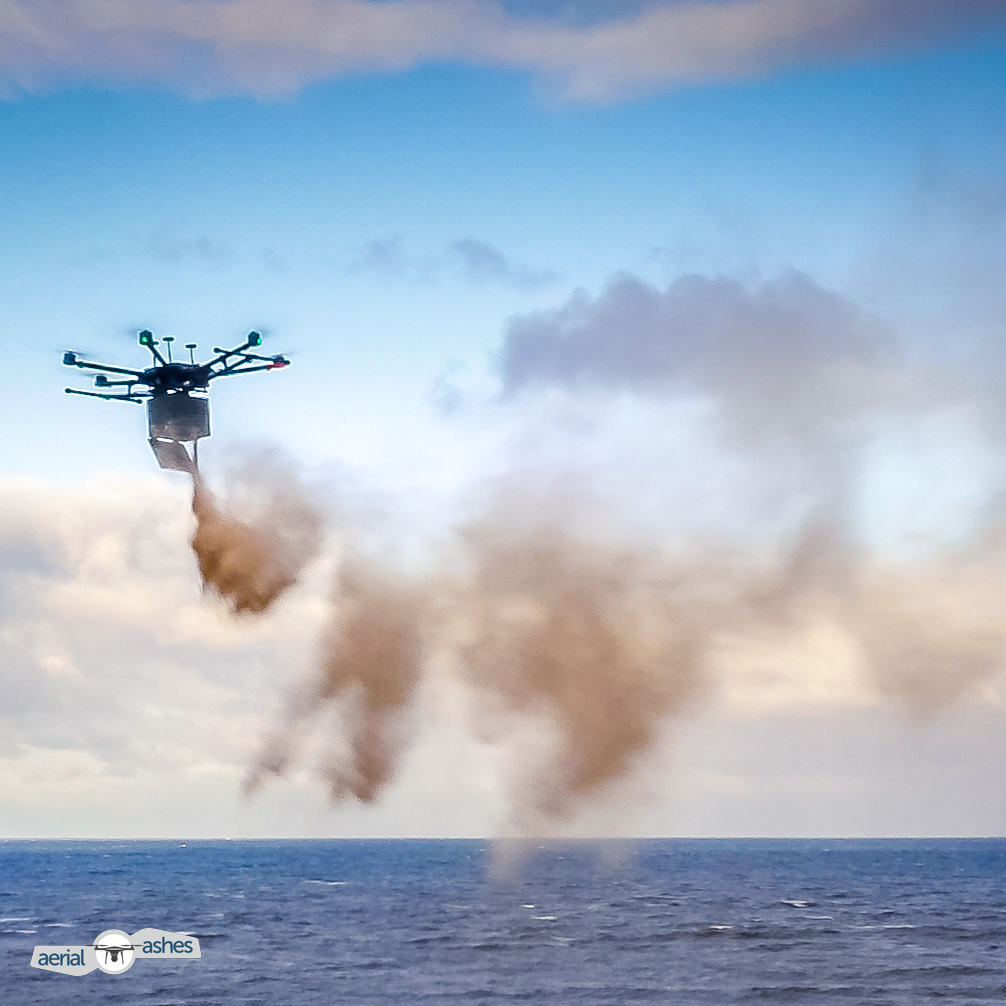
The release itself is a very peaceful and visual moment. The ashes are dispersed in a controlled manner, forming a gentle cloud that catches the light before being carried away by the Atlantic air. We carefully calculate the flight based on real time wind speed and direction. This technical precision ensures that the ashes scattering is conducted with the utmost dignity, creating a serene visual trail that honors your loved one in a way that is both modern and timeless.
The Benefits of Professional Drone Ash Scattering
Choosing a professional service for a memorial at Fistral Beach offers several distinct advantages over traditional methods. Firstly, it solves the problem of "blowback," where wind can make manual scattering difficult or distressing for the family. Secondly, it allows for a much more significant visual experience. Watching the ashes be taken out to sea from an aerial perspective provides a sense of release and freedom that is deeply moving.
Furthermore, we are committed to environmental responsibility. Traditional burials can have a significant land use impact, whereas a drone scattering is one of the most eco friendly ways to say goodbye. The ashes themselves are organic matter that integrates naturally into the marine ecosystem. By choosing this method, you are ensuring that the beauty of Fistral Beach remains for future generations to enjoy, just as your loved one did.
At Aerial Ashes Matt, we understand that this is more than just a service, it is a profound moment in your family's history. We are here to guide you through every step, from the initial paperwork to the final flight over the Cornish waves. If you are considering a memorial at Fistral Beach or any of the other stunning locations along our coast, we are ready to help you create a tribute that is as unique as the person you are honoring.
References
- Casarett, D., et al. (2010). "The Use of Technology in Palliative Care." Journal of Palliative Medicine.
- Gascón, M., et al. (2017). "The Health Benefits of Blue Spaces: A Systematic Review." Journal of Environmental Psychology.
- Kaplan, S. (1995). "The Restorative Benefits of Nature: Toward an Integrative Framework." Journal of Environmental Psychology.
- Wilson, E. O. (1984). Biophilia. Harvard University Press.
Learn more about our services and see how we can help you:
We're Online! How may I help you today?