 UK
UK
 Hawaii
 USA
USA
7 Mistakes Families Make When Scattering Ashes on Windy Cornwall Beaches (and How Drones Help)
7 Mistakes Families Make When Scattering Ashes on Windy Cornwall Beaches (and How Drones Help)
The rugged coastline of Cornwall offers some of the most breathtaking vistas in the United Kingdom. For many, the turquoise waters and dramatic cliffs of places like Kynance Cove represent a final place of rest that is both majestic and serene. Choosing to conduct an ashes scattering ceremony here is a deeply personal decision, often driven by a loved one's affinity for the sea or the unique beauty of the Lizard Peninsula. However, the very elements that make Cornwall so beautiful: the Atlantic winds and the shifting tides: can also present significant challenges for a traditional hand-scattered memorial.
Planning a farewell at a location like Kynance Cove requires more than just a beautiful sentiment. It requires an understanding of the local environment and the logistics of coastal weather. Many families arrive at the beach with the best intentions, only to find that the reality of the wind and the terrain makes a dignified ceremony difficult to achieve. By identifying common pitfalls, we can ensure that the memorial experience remains as peaceful and respectful as intended.
1. Ignoring Wind Direction and the Blowback Effect
Perhaps the most common and distressing mistake involves a lack of preparation for wind direction. On a Cornish beach, the wind rarely remains still. When scattering ashes by hand, families often stand with their backs to the wind, assuming the remains will drift out to sea. However, coastal winds can be unpredictable, swirling around cliff faces and rock formations.
If the wind shifts suddenly or if there is a strong updraft, the ashes can blow back onto the family and their clothing. This creates a moment of distress during what should be a time of quiet reflection. Research in the Journal of Palliative Medicine suggests that the physical environment of a memorial significantly influences the emotional outcome for the bereaved. A technical failure, such as ash blowback, can leave participants with a sense of regret rather than closure.
2. Underestimating the Kynance Cove Microclimate
Kynance Cove is famous for its serpentine rock and white sand, but it is also known for its unique microclimate. The cove is tucked into the cliffs of the Lizard, which creates complex air currents. While the car park at the top of the cliff might feel relatively calm, the beach below often experiences much higher wind speeds.
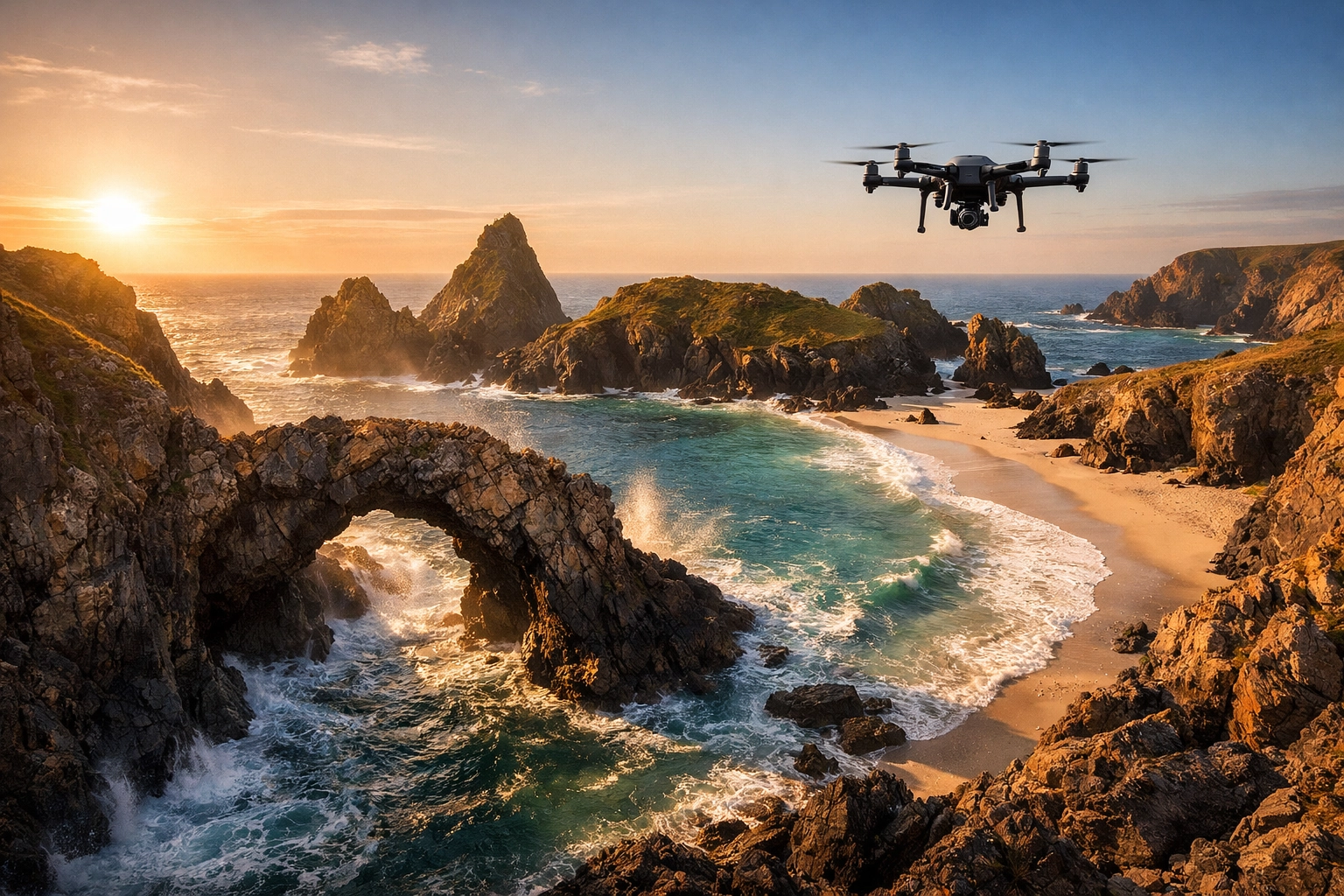
Families often arrive unprepared for the "gully effect," where wind is funneled through the rock arches and narrow gaps. This makes traditional scattering almost impossible to control. The height of the cliffs also means that even a light breeze at sea level can be a significant gust just a few meters up. This is where a drone ash scattering service provides a distinct advantage, as professional-grade drones are designed to maintain stability in varied wind conditions, ensuring the release happens exactly where intended.
3. The High Tide and Tourist Crowd Trap
Timing is everything on a Cornwall beach. Kynance Cove is a prime example of a location where the beach virtually disappears at high tide. Many families plan their ceremony for a specific time of day without consulting local tide tables. Arriving to find the sand submerged can force a ceremony to be held on the narrow, crowded paths above the beach.
Furthermore, Cornwall is a popular destination. During peak seasons, the most beautiful spots are often crowded with tourists. Attempting a private, dignified scattering ashes ceremony in the middle of a busy beach can feel intrusive and uncomfortable. It is essential to research the tide times and consider early morning or late evening ceremonies to ensure the privacy your loved one deserves. You might find it helpful to check if you are ready to scatter your loved one's ashes before making the trip.
4. Using Inappropriate or Non-Biodegradable Vessels
Many families carry ashes in the standard plastic or heavy ceramic urns provided by the crematorium. In a windy environment, these containers are difficult to handle. Plastic lids can be stubborn, and heavy urns can be dropped on slippery rocks. More importantly, releasing non-biodegradable materials into the ocean or onto the beach is harmful to the delicate Cornish ecosystem.
Using a vessel specifically designed for the sea is crucial. However, even biodegradable water urns can be tricky if the sea is rough, as they may wash back onto the shore before they have time to sink and dissolve. Aerial Ashes Matt ensures that every ceremony respects the environment. By using a drone, there is no need for a heavy vessel to enter the water at the shoreline. The ashes are released directly from the air, allowing them to disperse naturally and cleanly into the ocean.
5. Neglecting Physical Access and Mobility Constraints
The walk down to Kynance Cove is notoriously steep and uneven. For elderly family members or those with mobility issues, reaching the water's edge can be an exhausting or even impossible task. Often, the most meaningful part of the beach is the most difficult to access.
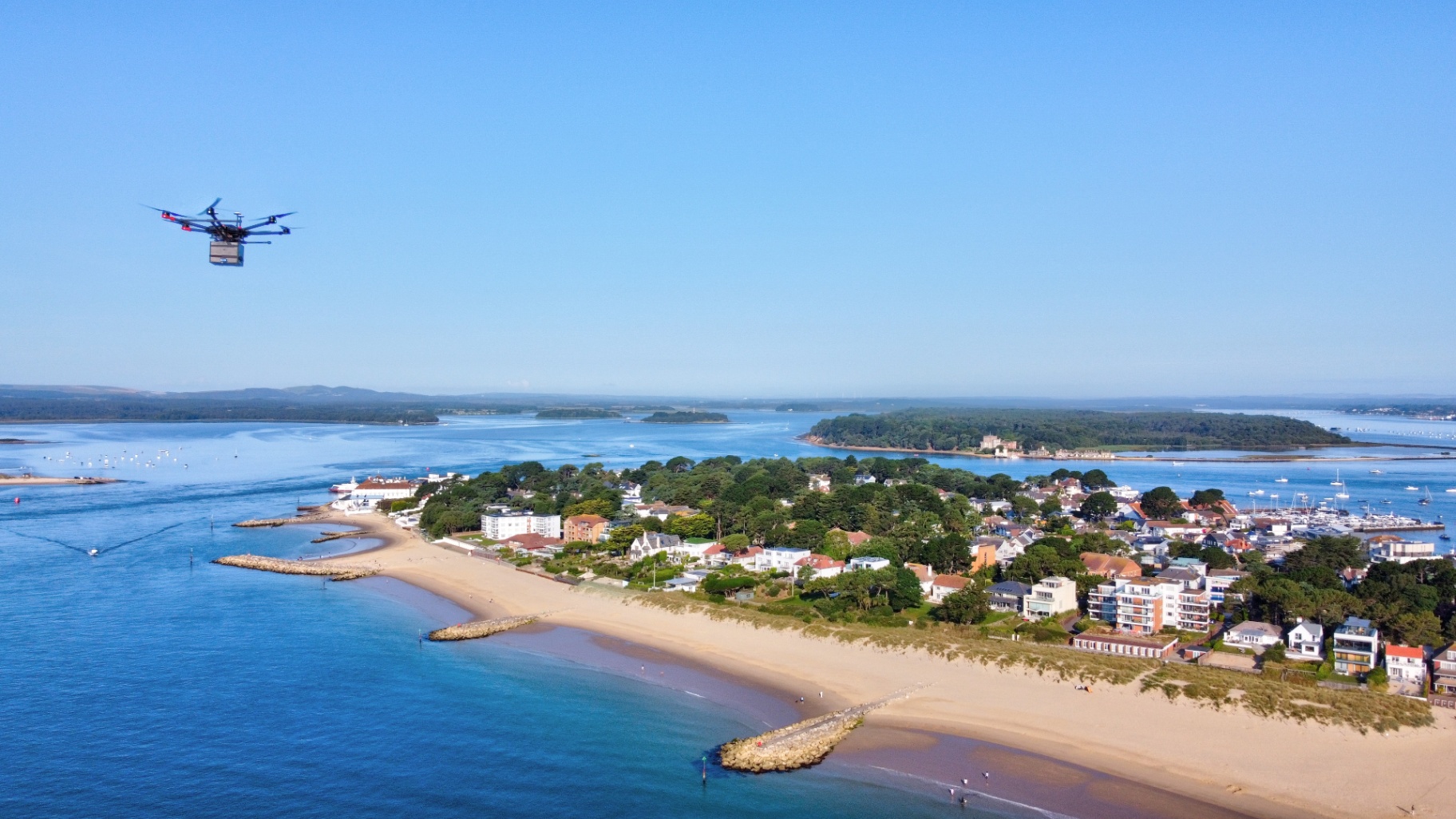
Families sometimes make the mistake of assuming everyone can make the trek, only to find that some members are left behind at the top of the cliff. This separation can feel like a secondary loss during the ceremony. A drone ash scattering ceremony allows the entire family to remain together at a comfortable, accessible vantage point. Everyone can watch as the drone carries the ashes to the desired location over the sea, ensuring a shared experience for all generations.
6. Rushing the Ceremony Due to Weather Stress
When the wind is howling and the rain is threatening, there is a natural tendency to hurry. Families often find themselves rushing through poems or prayers just to get out of the elements. This "stress rush" robs the moment of its significance. A memorial should be a slow, deliberate act of love.
When the logistics are handled by a professional service, the pressure is lifted from the family. You can take your time with the readings and the farewells while the technical aspects are managed by experts. Aerial Ashes Matt focuses on creating a serene, dignified environment, regardless of the coastal breeze. This professional support allows families to focus entirely on their emotional journey rather than the mechanics of the release.

7. Overlooking Environmental and Legal Guidelines
While there is no general prohibition against scattering ashes at sea in the UK, there are guidelines to follow to protect the marine environment. Many families are unaware that they should avoid throwing plastic wreaths, silk flowers, or photos into the water along with the ashes. These items become litter and can harm local wildlife, such as the seals frequently spotted around the Cornish coast.
It is also important to ensure that the scattering does not affect other beach users or local water supplies. Following the code of practice for environmental protection ensures that the beautiful Cornish landscape remains pristine for future generations. For those who want to ensure their ceremony meets all professional and ethical standards, working with an established service provider is highly recommended. You can book an ashes scattering service that handles these considerations for you.
How Drones Transform the Memorial Experience
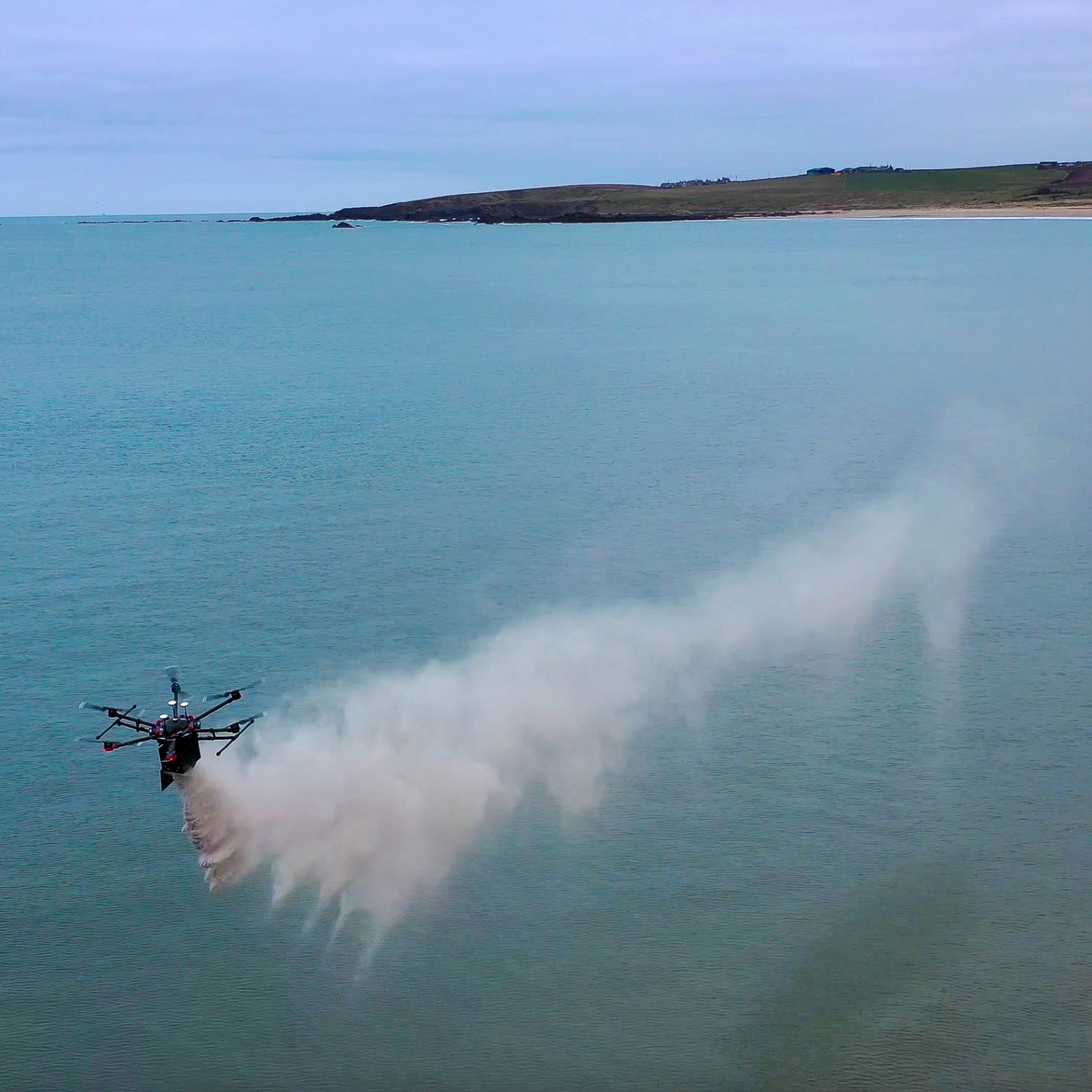
The introduction of drone technology has revolutionized how families approach coastal memorials. Rather than struggling with the wind on the shore, a drone can fly out several hundred meters over the Atlantic, far beyond the breaking waves and the beach crowds. This provides a level of precision and "clean" air release that is simply not possible by hand.
The visual aspect of a drone ash scattering is also profoundly moving. Watching the ashes form a soft, white cloud against the deep blue of the Cornish sea provides a clear, visual representation of letting go. This can be a vital component of the grieving process. According to a study in the Journal of Experimental Psychology, ritualistic actions and visual symbols of transition help individuals process loss more effectively.
Furthermore, a drone can reach locations that are otherwise inaccessible, such as the famous rock stacks of Kynance or the hidden sea caves that your loved one may have admired from afar. This personalization adds a layer of meaning that makes the ceremony truly unique.
Planning Your Cornwall Memorial
Cornwall remains one of the most requested locations for our services, and for good reason. The sense of peace found at the water's edge is unparalleled. Whether you are considering the dramatic cliffs of the Lizard or the sweeping sands of Sennen Cove, the goal is always the same: a dignified, professional, and beautiful farewell.
If you are beginning to plan a ceremony, it is helpful to look at the different options available. Some families choose to pair their coastal scattering with other services, such as a live-streamed funeral for those who cannot attend in person, or they may find inspiration in our gallery of previous ceremonies.
At Aerial Ashes Matt, we pride ourselves on our national recognition and expertise, having been featured on platforms like the BBC to discuss the importance of dignified memorial services. We understand the emotional weight of this moment and are here to ensure that the wind and the waves serve as a beautiful backdrop, rather than a logistical hurdle.

Choosing the right way to say goodbye is a profound responsibility. By avoiding these common mistakes and embracing the peace offered by modern technology, you can ensure that your loved one's final journey is as majestic as the Cornish coast itself.
We're Online! How may I help you today?