 UK
UK
 Hawaii
 USA
USA

7 Mistakes to Avoid When Scattering Ashes on Cornwall’s Coast (and How to Fix Them)
7 Mistakes to Avoid When Scattering Ashes on Cornwall’s Coast (and How to Fix Them)
Choosing the rugged cliffs and turquoise waters of Cornwall for a final farewell is a decision many families make to honor a loved one who felt a deep connection to the sea. Cornwall offers some of the most spectacular scenery in the UK, from the surfing mecca of Fistral Beach to the near-mythical beauty of Kynance Cove. However, planning a ceremony in such a dynamic environment comes with its own set of challenges.
When emotions are high, it is easy to overlook the practicalities of the Cornish coastline. Whether you are visiting a childhood holiday spot or a quiet cove near Land's End, a few simple mistakes can turn a peaceful moment into a stressful experience. This guide explores the common pitfalls of scattering ashes along the coast and how you can ensure the ceremony remains the dignified tribute your loved one deserves.
1. Neglecting the Legal and Environmental Guidelines
One of the most frequent oversights is assuming that the entire coastline is a "free for all" for memorial ceremonies. While the UK is generally permissive regarding the sea, there are specific guidelines set by the Environment Agency that should be followed to protect the local ecosystem.
The mistake often lies in not checking if the chosen spot is near a protected area or a commercial fishery. To fix this, ensure your chosen location is at least 1km upstream from any water intake or marina. It is also essential to ensure that nothing non-biodegradable enters the water. For more detailed information on the rules, you can consult our Legal Guide. Cornwall’s marine life is precious, and following these steps ensures the memorial has a minimal environmental footprint.

Alt text: A wide-angle shot of the dramatic Cornish cliffs at sunset, showing the vast Atlantic ocean.
2. Failing to Account for the "Blowback" Effect
The wind is a constant companion on the Cornish coast. One of the most distressing mistakes families make during a DIY ceremony is standing in the wrong position relative to the breeze. Ashes scattering by hand can lead to the "blowback" effect, where the wind carries the fine particles back onto the participants or their clothing.
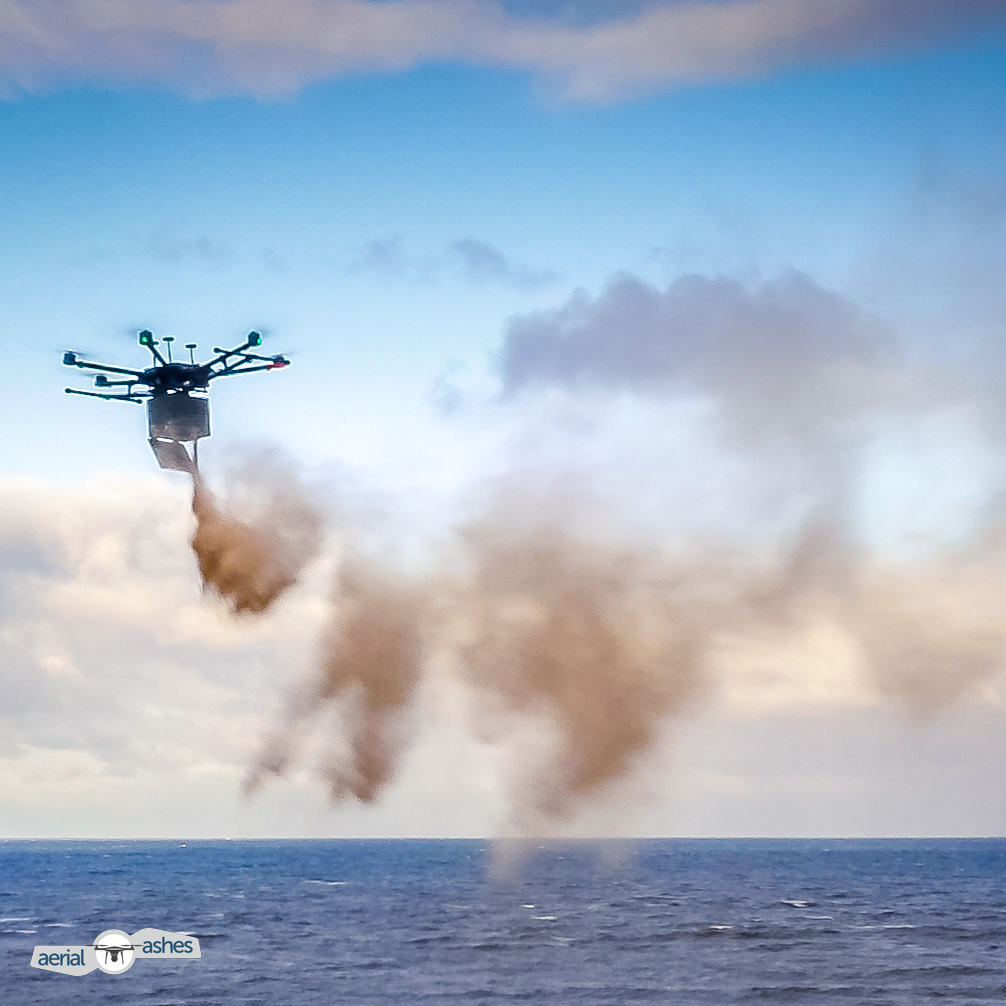
The fix is simple but requires careful observation: always check the wind direction before starting and ensure you are standing with the wind at your back. However, even with the best intentions, coastal winds can be unpredictable. This is one reason why many choose a professional drone service. A drone can fly further out over the water, releasing the ashes at a height and distance that completely avoids the risk of blowback. You can read more about why drones are the perfect ashes scatter tube to understand how technology solves this physical challenge.
3. Using Non-Biodegradable Containers or Tributes
In the heat of the moment, it is common for people to want to toss a favorite wreath, a plastic-bound bouquet, or even a ceramic urn into the sea. This creates long-term litter problems for Cornwall's beaches.
Research published in the Journal of Environmental Management highlights the cumulative impact of non-biodegradable memorial items on marine habitats. The fix is to use only natural, biodegradable materials. If you are scattering from the shore, use loose petals rather than whole flowers bound with wire or plastic. If you are using an urn for a sea burial, ensure it is specifically designed to dissolve in water. Alternatively, our drone ceremonies ensure that only the organic remains are dispersed, leaving no trace behind but a peaceful memory.
4. Overlooking the Tourist Crowds
Cornwall is one of the most popular tourist destinations in the UK. Places like St Ives or Padstow can be incredibly busy, especially during the summer months or Bank Holidays. Planning a private, intimate ceremony on a public beach at midday can lead to unwanted interruptions or a feeling of being rushed.
To avoid this, aim for "golden hour" ceremonies: either very early in the morning or just before sunset. Not only is the lighting more beautiful for photography and reflection, but the crowds are significantly thinner. According to a study in the Journal of Palliative Medicine (2018), the physical environment and the sense of privacy play a crucial role in the psychological "closure" felt by the bereaved. If you are looking for a quieter spot, check out our Beach Scattering Guide for suggestions on more secluded Cornish gems.
5. Ignoring the Tide and Terrain Safety
Cornwall’s tides are powerful and can move quickly. A mistake often made at beaches like Porthcurno is setting up a ceremony on a patch of sand that is quickly swallowed by the incoming tide. Furthermore, the cliff paths in Cornwall can be treacherous, especially for elderly family members or those with limited mobility.
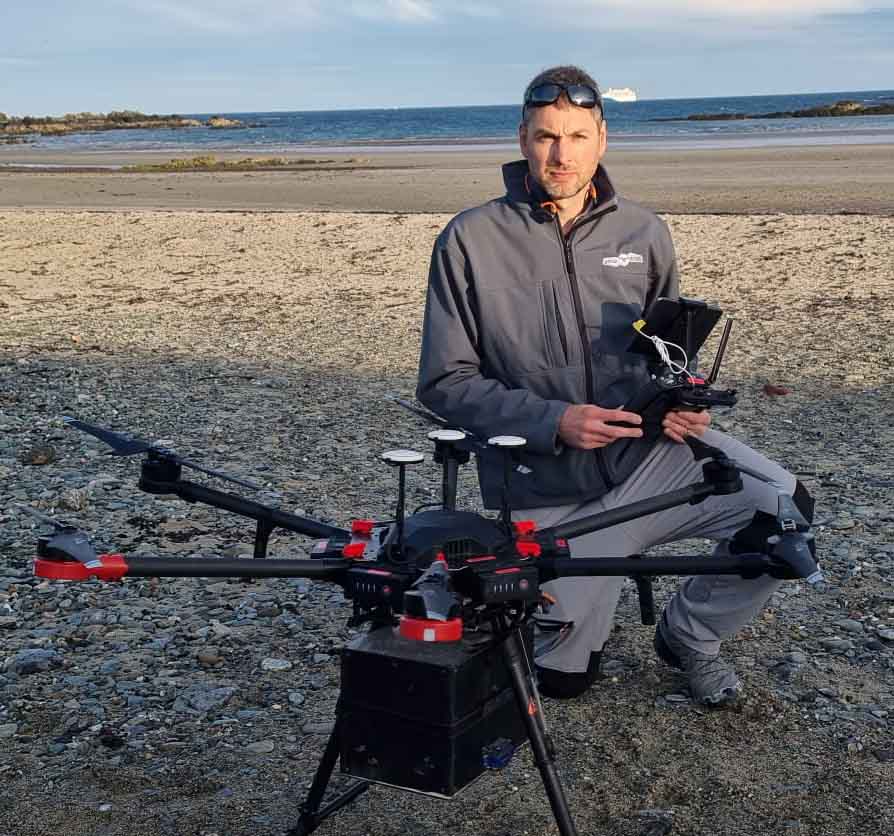
The fix is two-fold. First, always check the local tide tables before setting a time. Second, assess the accessibility of the site for all attendees. If the perfect spot is at the bottom of a steep, rocky path that Grandma can’t navigate, it might be time to rethink. This is where the benefit of a drone ceremony becomes clear: the family can remain in a safe, accessible location on the clifftop or a level promenade while the drone carries the ashes to the specific, hard-to-reach cove or outcrop that held meaning for the deceased.
6. Rushing the Emotional Moment
A memorial is not just a task to be completed: it is a vital part of the grieving process. Many families feel a sense of pressure to "get it over with" because of the wind, the cold, or the logistics. Rushing can leave you feeling empty rather than peaceful.
Studies indicate that the ritual of scattering can provide significant therapeutic benefits when done with intention. A study published in the Journal of Experimental Psychology suggests that rituals can help regain a sense of control after a loss. To fix this, plan a short service. Read a poem, play a piece of music, or share a few stories. If you need inspiration, we have a guide on a beautiful speech for scattering ashes at sea that can help you find the right words.
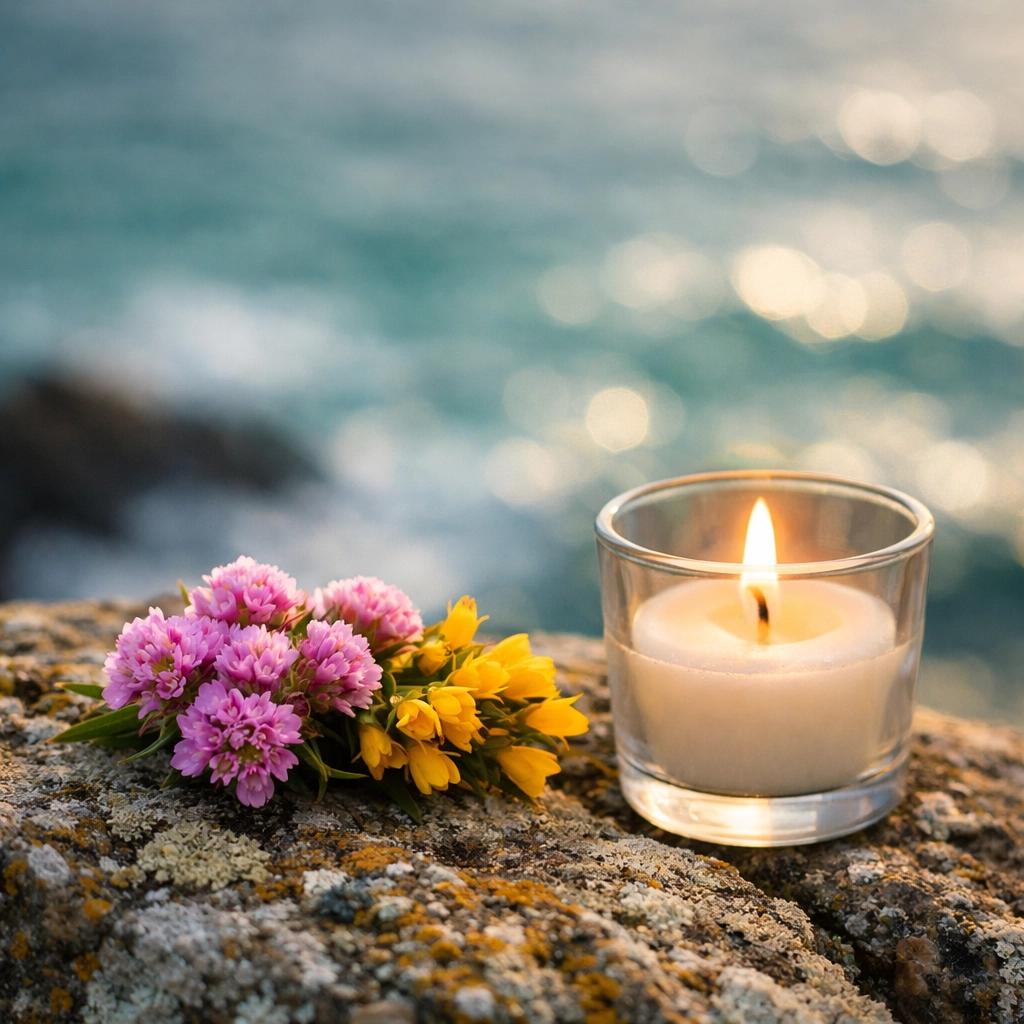
Alt text: A group of flowers and a memorial candle sitting on a rock overlooking the Cornish sea, representing a moment of reflection.
7. Forgetting to Check the Marine Forecast
While we often check the standard weather app for rain, scattering ashes at the coast requires looking at the marine forecast. High winds might not just affect the ashes; they can make the coastal paths dangerous and the sound of any reading impossible to hear over the crashing waves.
The fix is to have a "Plan B" or a flexible window of a few days. If the weather is too wild, it is better to wait for a calmer day. We always monitor the conditions closely for our ceremonies, ensuring that the drone can fly safely and the family can experience a serene farewell. For those interested in how we manage these environmental factors, you can explore our review on evaluating the environmental and public impact of drone use.
Finding Closure on the Coast
Cornwall offers a sense of vastness and continuity that can be incredibly comforting during a time of loss. By avoiding these seven common mistakes, you can focus on what truly matters: celebrating the life of someone you love.
Whether you choose a DIY approach or prefer the precision and peace of mind offered by a professional drone scattering service, the goal is the same. You want a moment of beauty that honors the connection between your loved one and the sea. If you would like to see how other families have navigated this journey, you can read some inspiring stories of families who chose drone ashes scattering.
Taking the time to plan correctly ensures that when you stand on those Cornish cliffs, the only thing you have to think about is the person you are there to remember.
We're Online! How may I help you today?