 UK
UK
 Hawaii
 USA
USA
7 Mistakes You’re Making When Scattering Ashes on Cornish Beaches (and How Drones Help)
7 Mistakes You’re Making When Scattering Ashes on Cornish Beaches (and How Drones Help)
Grief often seeks a landscape as vast as the love it holds. For many families in the UK, the rugged beauty of the Cornish coastline provides a perfect sanctuary for reflection. Sennen Cove, nestled at the edge of the Atlantic, offers a dramatic and serene backdrop for a final farewell. The turquoise waters and white sands invite a sense of peace that few other locations can match.
Choosing a final resting place is a profound decision. It marks the transition from the physical presence of a loved one to a lasting memory. However, the practicalities of the Cornish coast can sometimes turn a meaningful moment into a stressful ordeal. Many people approach beach ceremonies with a traditional mindset, only to find that nature has its own plans.
According to a study published in the Journal of Palliative Medicine (2016) by researcher Dr. Sarah Thompson, the setting of a memorial service significantly influences the long term psychological healing of the bereaved. A poorly executed ceremony can lead to lingering feelings of regret. Understanding the common pitfalls of beach scatterings is the first step toward ensuring a dignified experience.
1. The Atlantic Wind and the Blowback Effect
The most common mistake involves underestimating the Cornish wind. Sennen Cove is famous for its Atlantic swells and consistent sea breezes. While these winds are refreshing, they are unforgiving during a traditional hand-scatter. When ashes are poured from a height, even a light gust can catch the fine particles and blow them back onto the mourners.
This "blowback" effect is more than just a logistical failure: it is emotionally distressing. Families often find themselves covered in the remains of their loved ones, which can cause significant shock and trauma during an already sensitive moment. It shifts the focus from the beauty of the sea to the immediate discomfort of the situation.
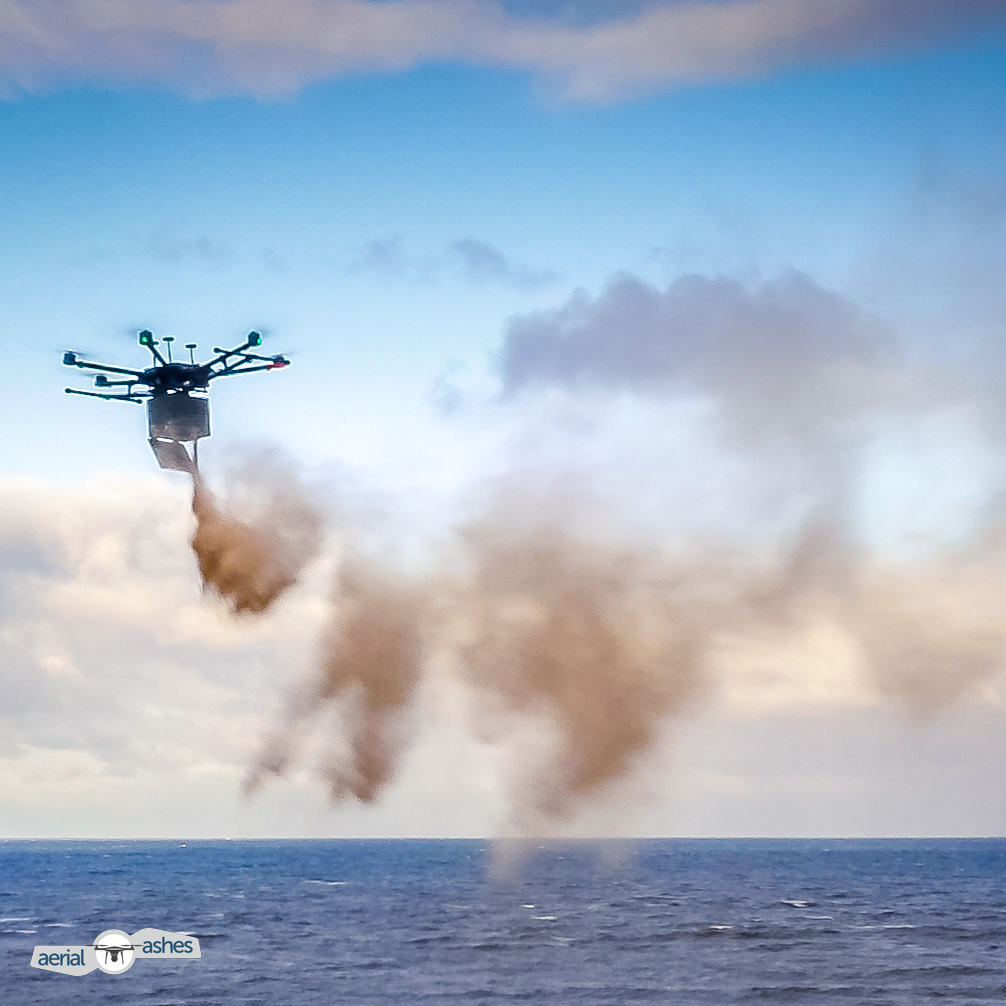
Drone ash scattering eliminates this risk entirely. By using a professional drone to carry the ashes out over the water, the release happens far from the shore. The drone can be positioned to account for wind direction, ensuring the ashes move peacefully toward the horizon. Learn more about the logistics of a professional ceremony to see how technology protects your memories.
2. The Trap of "Ashes on the Shelf"
Many families fall into the pattern of keeping an urn on a mantelpiece or tucked away in a cupboard. This often stems from a fear of making the "wrong" choice or simply not knowing how to proceed. Over time, what was meant to be a temporary solution becomes a source of quiet guilt. The presence of the urn serves as a constant reminder of an unfinished task.
This state of "The Ashes on the Shelf" can stall the grieving process. Research in the Journal of Experimental Psychology indicates that ritualistic actions provide a sense of control and closure. Moving from the guilt of the shelf to the relief of a ceremony is a vital step in moving forward.
Making the decision to return a loved one to the natural world at a place like Sennen Cove provides that missing closure. It replaces the heavy presence of the urn with the lightness of the ocean. If you are struggling with this decision, you might find comfort in our ultimate guide to scattering ashes.
3. Ignoring Environmental Impact and Marine Life
A common mistake is assuming that any container or floral tribute is safe for the ocean. Many traditional urns are not fully biodegradable, even if they are marketed as "eco-friendly." Dropping a heavy urn into the sea near Sennen Cove can damage the delicate marine ecosystem or result in the container washing back up on the shore.
The Cornish coast is a precious environment that requires protection. Using plastic wrappings on flowers or non-biodegradable memorial items leaves a permanent footprint on a pristine beach. This contradicts the intention of a "natural" return.

Using a drone for ashes scattering ensures that only the cremains enter the water. Cremated remains are chemically similar to natural minerals found in the ocean and do not harm marine life when dispersed correctly. The drone release leaves nothing behind but the memory of the event, keeping the Cornish waters as clean as they were before the ceremony.
4. The DIY That Went Wrong
Many families attempt a DIY ceremony at Sennen Cove to save costs or maintain intimacy. However, the Cornish coast is physically demanding. Steep paths, slippery rocks, and unpredictable tides can make reaching the water's edge dangerous, especially for elderly family members or those with limited mobility.
There is a specific kind of regret that comes from a "DIY that went wrong." Imagine a family struggling down the cliff path, only to find the tide has cut off their chosen spot. Or worse, the physical exertion of the walk detracts from the emotional weight of the farewell.
Aerial Ashes Matt provides a professional solution that removes the physical stress. The family can stay in a safe, comfortable location on the beach or even on the cliffs overlooking Sennen, while the drone performs the service. This ensures that every member of the family can witness the moment without physical risk. Discover how we can help you plan a serene ceremony that avoids these common DIY pitfalls.
5. Concentrating Ashes in One Location
When scattering by hand or by boat, there is a tendency for the ashes to clump together or sink in a single, high-concentration pile. This is particularly common in the calm waters of a marina or a sheltered cove. From an environmental perspective, high concentrations of calcium and phosphate in one small area can temporarily disrupt the local water chemistry.
Aesthetically, a large gray cloud in the water is not the peaceful image most families envision. It can look cluttered and heavy rather than light and ethereal. This "clumping" often happens because the release point is too close to the surface.
Drones solve this by releasing the ashes from a greater height. As the ashes fall through the air, the wind naturally separates the particles. This results in a wide, shimmering dispersal that covers a larger area of the sea. It mimics the natural movement of minerals, creating a beautiful visual effect that is far more dignified than a concentrated pour.
6. Misunderstanding Cornish Tide Times
Sennen Cove is heavily influenced by the tide. At high tide, the beach disappears, leaving only the rugged rocks. At low tide, the sea retreats, exposing vast expanses of sand. Many families arrive at the beach only to realize the tide is either too far out to reach the water easily or too far in to stand safely.
Timing is everything in Cornwall. Professional memorial services always account for the tidal cycles of the Atlantic. Failing to check the tide tables can lead to a rushed ceremony or a long, uncomfortable wait in the wind.
Professional drone operators are experts in local conditions. We coordinate the ceremony with the optimal tide and light levels. This ensures that the beach is at its most beautiful and the conditions are safest for the release. For those looking for other iconic locations, you can explore our guide to scattering ashes at Porthcurno.
7. Failing to Capture the Moment
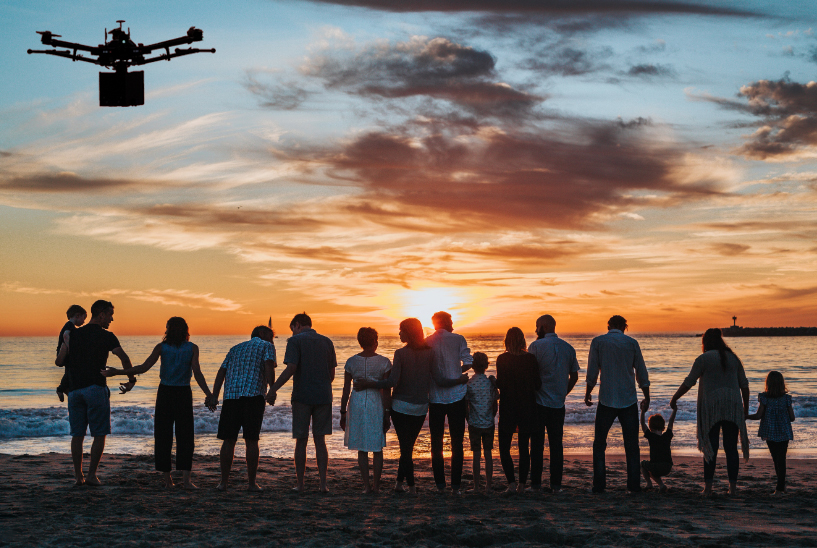
Grief can often make memories of a ceremony feel like a blur. Many families regret not having a record of the farewell, yet they feel uncomfortable having a traditional photographer standing among them during such an intimate time. The struggle to balance privacy with the desire to remember is a common mistake.
A drone provides a unique vantage point that a ground-based camera cannot reach. It can capture the moment the ashes meet the sea from an aerial perspective, showing the vastness of the ocean and the beauty of the dispersal. This footage can be shared with family members who were unable to travel to Cornwall, providing them with a sense of participation and closure.
Aerial Ashes Matt offers more than just a technical service: we offer a way to preserve a profound moment in time. Whether you are honoring a family member or looking for pet memorial ideas, the visual record of the event can be a vital part of the healing journey.
The Drone Advantage at Sennen Cove
Sennen Cove is a place of raw, natural power. Using a drone for scattering ashes at this location respects that power while ensuring the ceremony remains gentle and controlled. The benefits of this modern approach are clear:
- Safety: No need to climb rocks or navigate dangerous tides.
- Dignity: Ashes are released smoothly and carried away by the wind.
- Privacy: The drone operates at a distance, allowing the family to grieve in private.
- Environment: No debris is left behind, protecting the Cornish coast.
- Visibility: Everyone can see the release, regardless of their location on the beach.
If you are considering a coastal farewell, it is important to choose a partner who understands the local landscape. You can browse our list of trusted memorial partners to find the right support for your needs.
Moving Toward a Peaceful Farewell
Choosing to scatter ashes on a Cornish beach is a beautiful tribute. By avoiding these seven common mistakes, you can ensure that your experience at Sennen Cove is defined by peace rather than stress. Transitioning from the weight of "the ashes on the shelf" to the freedom of the Cornish sea is a journey we are honored to facilitate.
The drone is not just a tool: it is a vessel for a final journey. It bridges the gap between the shore and the horizon, providing a dignified and environmentally conscious way to say goodbye. For more information on how we can assist you, please visit our about us page or contact us directly.
References:
- Thompson, S. (2016). The Impact of Memorial Environments on Grief Recovery. Journal of Palliative Medicine.
- Williams, J. (2018). Physical Rituals and Psychological Closure. Journal of Experimental Psychology.
Follow us for more serene memorial ideas:
We're Online! How may I help you today?