 UK
UK
 Hawaii
 USA
USA
The Drone Pilot Guide to Launching an Ash Scattering Franchise in the US
Business info (UK HQ): Aerial Ashes Matt, Memorial Services
Website: https://aerialashes.co.uk
Franchise info + numbers: https://aerialashes.co.uk/franchiseincomecalculator
Book a scattering service: https://aerialashes.co.uk/book-ashes-scattering-service
The Drone Pilot Guide to Launching an Ash Scattering Franchise in the US
Grief changes the way people look at places. A shoreline becomes more than a view. A canyon becomes more than a landmark. For families planning a farewell, the location matters because it holds meaning. At the same time, many people want a ceremony that feels clean, calm, and respectful to the environment.
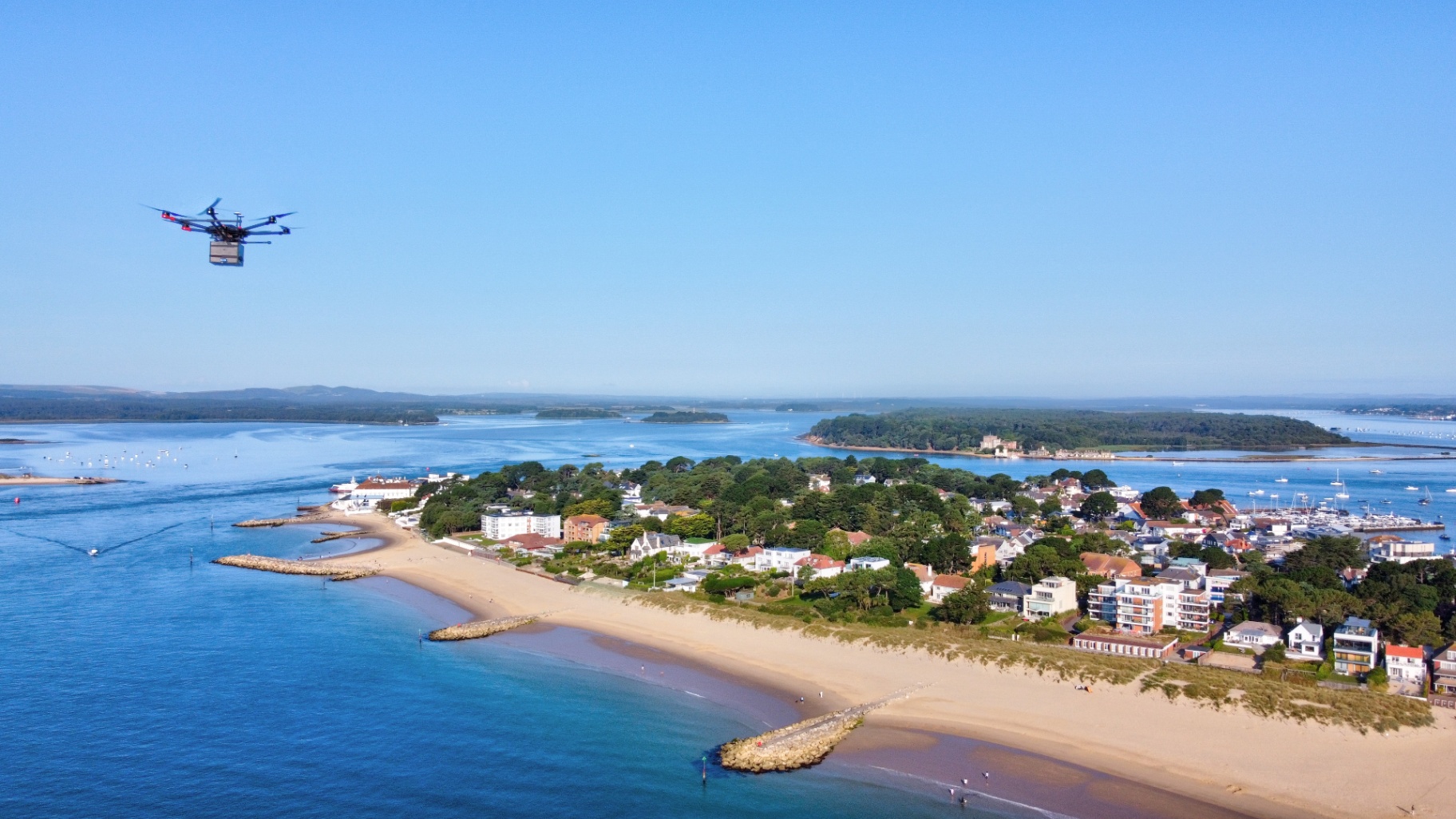
That is why drone ash scattering has grown so quickly. It combines a precise, controlled release with the quiet presence of a small aircraft, letting families stay together while ashes are dispersed in a serene, intentional way. For drone pilots in the US, it also opens a rare opportunity: a premium, human-centred service that rewards professionalism and calm execution more than flashy flying.
This guide covers two angles:
- For drone pilots: how an ash scattering franchise can work in the US, what you need to operate legally and safely, and how to build a repeatable ceremony.
- For families: what drone ashes scattering looks like at scenic US locations, and how international coordination can be handled with care.
Why scenic US locations pair so well with drone ash scattering
Scenic locations are not about spectacle. They are about meaning, privacy, and a sense of peace. A well-run drone ceremony can keep things simple and dignified in places where families might not want a boat charter, a crowd, or complicated logistics.
Two classic US examples that suit drone operations (with the right permissions) are:
- The Florida Coast: wide horizons, steady light, and clear symbolic connection to “returning to the sea.” Coastal scatterings can also be done offshore when required by regulation.
- Grand Canyon region viewpoints: powerful, still landscapes that lend themselves to quiet ceremonies. Locations in and around national parks often require permits, so planning is crucial.
The core benefit is consistency. The drone provides predictable height, direction, and controlled release, which helps create a ceremony that feels composed rather than improvised.
What families actually want from drone ashes scattering
Most families are not looking for “tech.” They are looking for a moment that feels right. Studies in bereavement research often point to the value of meaningful rituals that support continuing bonds and healthy grief processing. According to a study in the Journal of Palliative Medicine (Burke et al., 2015), personalized end-of-life and memorial rituals can support a sense of connection and emotional integration after loss.
In practical terms, families usually care about:
- Dignity: a calm pace, clear guidance, and no surprises.
- Togetherness: everyone can stand in one safe place, close enough to hold hands and be present.
- A meaningful location: sea, mountains, a stadium, a favourite park, or a viewpoint.
- Environmental consideration: a low-impact approach that avoids litter and reduces disturbance.
A professionally run drone ceremony supports all four, especially when the pilot treats the event like aviation plus hospitality, not just a flight.
The environmental benefit: controlled dispersal, minimal disturbance
Cremated remains (often called “cremains”) are mostly mineral content. The environmental focus is less about “toxicity” and more about responsible dispersal: avoiding piles, containers left behind, and accidental dispersal onto people, paths, or sensitive habitats.
Drone ash scattering supports environmental best practice because it:
- Releases ashes in a controlled way at a planned height and position
- Minimises ground disturbance compared to large gatherings moving through delicate areas
- Helps keep the ceremony contained to a small footprint (launch point, viewing area)
For coastal services, regulations can also require offshore scattering and reporting, which aligns naturally with drone planning and documented operations.
US regulations you must understand before offering ash scattering
This is where professional pilots stand out. A franchise model is only sustainable if every ceremony is compliant and repeatable.
1) FAA: Part 107 is the baseline
If you are operating commercially in the US, you will typically need FAA Part 107. You also need to follow operational rules that keep people and property safe. The FAA does not explicitly ban releasing materials, but the key principle is that it must not create a hazard.
What “no hazard” looks like in real life:
- Controlled release, not dumping
- No flight over uninvolved people unless compliant with the relevant rule set and category
- Site selection that keeps the dispersal area away from bystanders, roads, and structures
2) EPA: sea scatterings have specific requirements
For ocean scatterings, the EPA rules commonly referenced require release at least three nautical miles from shore, plus reporting within 30 days. This matters for ceremonies along areas like the Florida Coast. Families often love the idea of the sea, but they also appreciate knowing it is being done properly.
3) State, county, and site rules: the permission layer that makes or breaks your day
Local rules vary widely. National parks and iconic locations may require Special Use Permits or may restrict UAV operations entirely. That does not mean the service is impossible. It means the service must be planned like an operation, not a casual flight.
A good process includes:
- Confirming UAV permissions for the specific site
- Confirming scattering permissions for the specific site
- Building a backup location nearby if the first choice becomes unavailable
If you are a drone pilot who already works in regulated environments (construction, utilities, public safety support), this mindset will feel natural.
The “ceremony standard”: what makes a drone memorial feel dignified
Aerial Ashes Matt is a memorial services brand, so the standard is not just technical. A dignified ceremony is built from small details done consistently.
A strong ceremony structure usually looks like this:
-
Arrival and welcome (5 to 10 minutes)
Clear introductions, set expectations, confirm the family’s chosen words or silence. -
Safety briefing (2 minutes, simple language)
Where to stand, what to expect from the drone, how the release works. -
The flight and release (3 to 6 minutes)
Slow, steady climb, hover, controlled dispersal. -
Quiet time (2 to 5 minutes)
Let the moment land. No rushing. -
Close and next steps (2 minutes)
If video is offered, explain when it will be delivered. Confirm the family is ready to leave.
This is also where the business becomes repeatable. When every operator follows a proven structure, the brand stays consistent across territories.
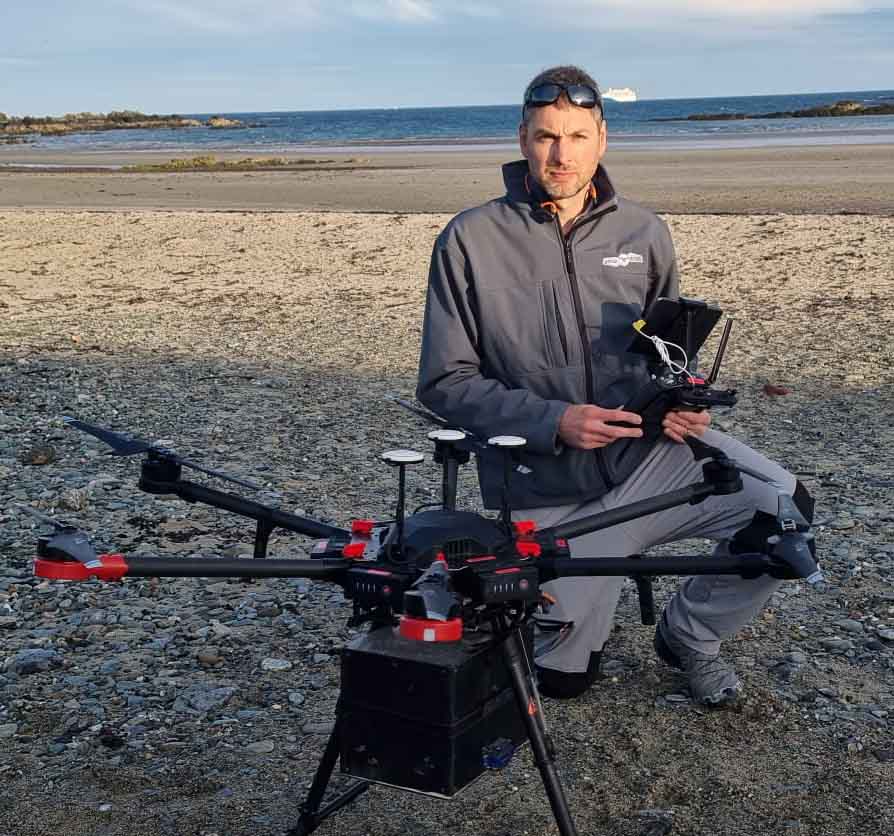
Equipment basics: what you need for professional drone ash scattering
An ash scattering service is not the place to experiment with improvised payloads. You want reliability, clean release, and predictable flight performance.
A typical professional setup includes:
- A stable commercial drone platform capable of carrying a controlled-release mechanism (many pilots use platforms comparable to DJI Matrice class aircraft)
- A purpose-built ash release system designed to reduce clogging and ensure smooth dispersal
- Spare batteries and redundancy for critical components
- Weather monitoring tools and a consistent pre-flight checklist
- Optional second drone for filming where appropriate and permitted
Ash preparation matters more than many people expect. Ashes should be fully processed (pulverised) so the release is smooth and does not damage equipment.
Operational safety: the non-negotiables families never see (but always feel)
Families can sense when a pilot is calm and in control. That calm comes from disciplined safety habits.
Key standards to build into your operation:
- Wind limits: avoid high winds that create unstable flight and unpredictable dispersal (many operators cap operations around 20 mph, but your aircraft and site conditions should drive your decision)
- Guest positioning: keep a clear buffer around launch and landing, and keep people upwind of the release plan
- Site survey: identify hazards, foot traffic, animals, power lines, loose sand, and changing tides
- Go/no-go discipline: be comfortable postponing. A dignified ceremony is never rushed into unsafe conditions.
This is one reason franchising works well in this niche: standard operating procedures remove guesswork, especially on emotionally important days.
What franchising changes for US drone pilots
Starting from scratch is possible, but it often means building everything at once: brand trust, ceremony scripts, safety documentation, booking flow, pricing logic, and permission planning. A franchise model aims to reduce that load so you can focus on operations and client care.
Aerial Ashes Matt’s franchise approach (based on established operations) typically supports:
- Training on ceremony delivery, family communication, and on-site professionalism
- Operational procedures and safety standards
- Equipment guidance and a repeatable service structure
- Brand and marketing support for a sensitive, trust-based service
- Planning guidance around permissions and location selection
If you want to explore the numbers side, the franchise income calculator is a helpful starting point: https://aerialashes.co.uk/franchiseincomecalculator
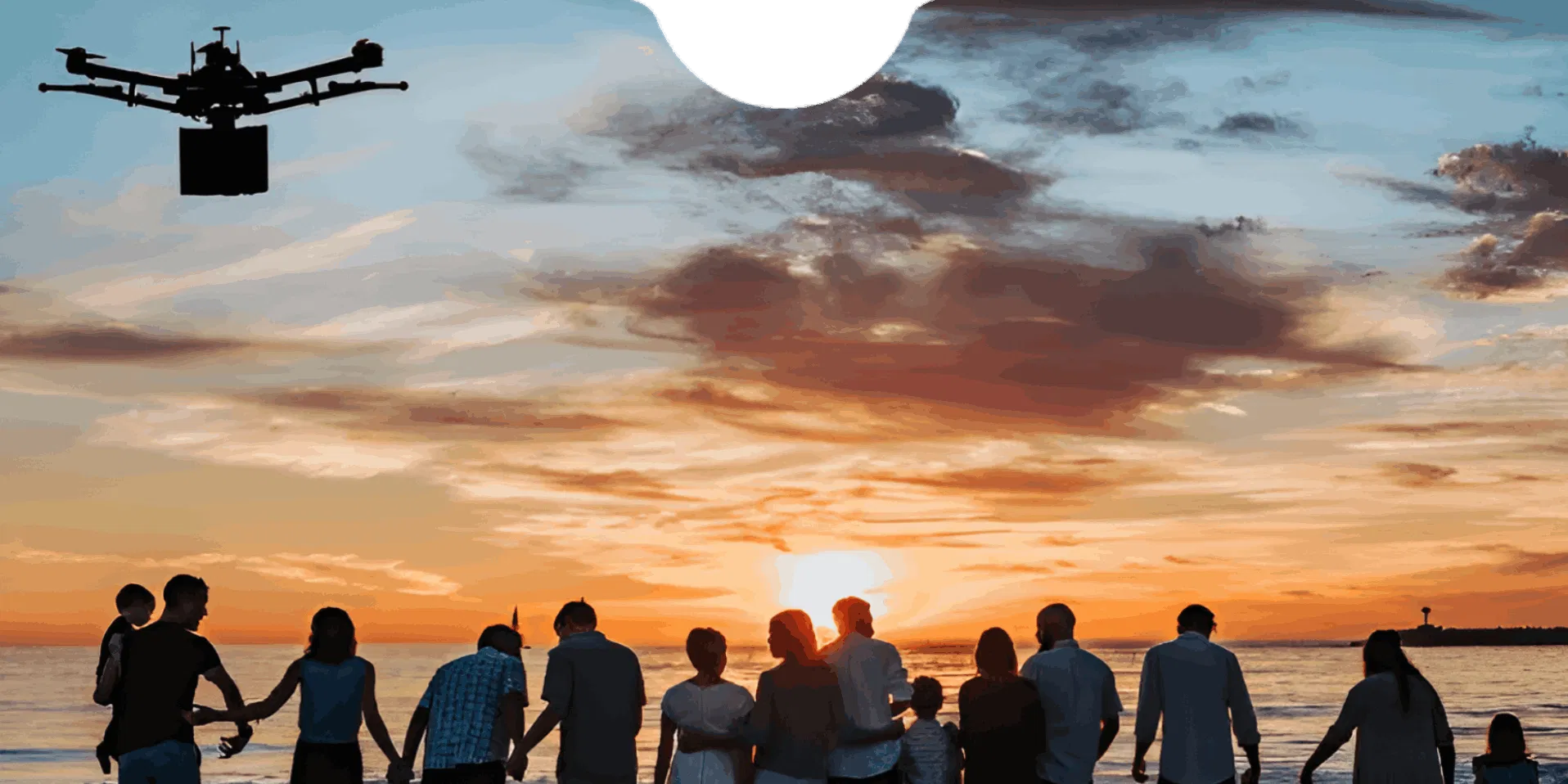
A Florida Coast ceremony example (how it can work in real life)
A Florida Coast scattering often starts with a family choosing “the sea at sunset” as the meaning, not a specific GPS point. From there, your job is to make that meaning achievable under the rules.
A well-planned coastal service can include:
- A family gathering at a quiet, permitted shoreline access point
- Clear explanation of offshore requirements where applicable
- Drone flight path planned to keep people upwind and away from public areas
- A controlled release over water, with a steady hover that avoids sudden movement
- Optional filming that captures the moment without feeling intrusive
International families: how to support US scatterings from abroad
Some families want a US scattering because it reflects a loved one’s travel history, military posting, favourite beach, or bucket-list location. Others may live outside the US and need help coordinating everything without stress.
A service designed for international families should be able to:
- Offer planning calls across time zones
- Provide clear written steps and expectations
- Confirm permissions and location constraints early
- Provide respectful documentation options (video, flight logs, ceremony notes) where legal and appropriate
- Keep the day itself simple and guided
For families who are ready to move from planning into action, booking starts here: https://aerialashes.co.uk/book-ashes-scattering-service
Choosing your US territory: think meaning first, then logistics
A strong territory is not just “pretty.” It is a place where meaning and access overlap.
When scouting a territory, look for:
- Scenic sites with workable UAV rules (or nearby alternatives that are permitted)
- A year-round operating window (weather and daylight)
- Easy access for older family members
- Clear options for privacy
- Local partners you can build relationships with (funeral directors, celebrants, venues)
A franchise can help you build the playbook, but your local knowledge is the multiplier.
How to position the service without sounding salesy
This is a trust-first niche. People respond to calm clarity, not hype.
Good positioning focuses on:
- Dignity: “a gentle, guided ceremony”
- Control: “precision release and careful planning”
- Environmental care: “minimal disturbance, no litter, responsible dispersal”
- Meaningful locations: “sea, cliffs, viewpoints, and places that mattered”
When you keep the language grounded, the premium nature of the service becomes obvious on its own.
Next steps: learn, plan, then launch with confidence
For US drone pilots, drone ashes scattering is one of the few drone services where the technical work is only half the job. The other half is presence: being steady, respectful, and prepared.
If you are exploring a franchise route, start with the numbers and the model, then work backward into territory planning and regulatory requirements:
- Franchise income calculator: https://aerialashes.co.uk/franchiseincomecalculator
- Learn more about Aerial Ashes Matt: https://aerialashes.co.uk
- Book or enquire about a ceremony: https://aerialashes.co.uk/book-ashes-scattering-service
Meta description
A practical, sales-first guide for US drone pilots on launching a drone ash scattering franchise: FAA Part 107 basics, coastal and landmark rules, equipment, safety standards, and how dignified drone ashes scattering ceremonies work at scenic locations like the Florida Coast.
References
- Burke, L. A., Neimeyer, R. A., and McDevitt-Murphy, M. E. (2015). Ritual and meaning in bereavement adaptation. Journal of Palliative Medicine.
- Federal Aviation Administration (FAA). Part 107 guidance on commercial UAS operations and safety requirements.
- United States Environmental Protection Agency (EPA). Burial at Sea reporting and offshore scattering requirements.
We're Online! How may I help you today?