 UK
UK
 Hawaii
 USA
USA

The Ultimate Guide to Scattering Ashes in Cornwall: Serene Coastal Tributes
Aerial Ashes Matt
Cornwall and Nationwide, United Kingdom
Monday – Sunday: 08:00 – 20:00
The Ultimate Guide to Scattering Ashes in Cornwall: Serene Coastal Tributes
Selecting a final resting place is a decision of profound significance, often reflecting the passions, memories, and spirit of a loved one. For many, the rugged beauty and rhythmic tides of the Cornish coastline offer a sense of eternal peace that few other locations can match. Cornwall remains one of the most sought-after regions in the UK for memorial ceremonies, providing a diverse range of settings from sheltered coves to expansive, windswept beaches.
The process of saying goodbye in such a majestic environment requires a balance of emotional sensitivity and practical planning. Whether you are drawn to the turquoise waters of St Ives or the dramatic surf of the north coast, understanding the logistics of coastal tributes ensures that the ceremony remains as respectful and serene as the landscape itself.
The Spiritual and Emotional Connection to the Cornish Coast
For centuries, Cornwall has served as a place of pilgrimage, artistic inspiration, and maritime heritage. Families often choose this location because it represents a lifetime of holidays, a love for the ocean, or a connection to the Celtic roots of the region. According to research published in the Journal of Environmental Psychology (2019), natural "blue spaces" like coastlines have a measurable impact on psychological restoration and the processing of grief. The vastness of the Atlantic Ocean provides a symbolic backdrop for the transition from loss to remembrance.
In Cornwall, the elements are a constant presence. The sound of the waves and the salt in the air create a sensory experience that grounds those in attendance. However, the very elements that make Cornwall beautiful can also present challenges for traditional land-based scattering ceremonies.
Understanding the Legal Framework and Environmental Guidelines
One of the primary concerns for families is the legality of scattering ashes in public spaces or over water. In the UK, there are no specific laws that forbid the scattering of ashes at sea or along the coastline, provided certain environmental standards are met. However, the Environment Agency (2024) provides essential guidelines to protect local habitats and ensure the safety of water sources.
- Biodegradability is Essential: Any wreaths, petals, or containers used during the ceremony must be 100% biodegradable. Plastic ribbons or foam bases are not permitted as they can harm marine life.
- Water Collection Points: You must remain at least 1km upstream of any water collection points or inlets.
- Proximity to Buildings: To maintain public decorum and environmental health, scattering should occur away from marinas, residential buildings, and active swimming or bathing locations.
- Landowner Permission: For inland locations, such as National Trust clifftops or private estates, explicit permission from the landowner is required.
While scattering directly into the sea or from a riverbank typically does not require a permit, following these best practices ensures that your tribute does not negatively impact the Cornish ecosystem.
Choosing the Perfect Cornish Location
Cornwall offers a variety of landscapes, each with a unique character. When choosing a site, consider the personality of your loved one and the ease of access for those who wish to attend the ceremony.
St Ives and the North Coast
St Ives is world-renowned for its clear blue waters and Mediterranean light. The beaches here, such as Porthmeor and Carbis Bay, provide a serene atmosphere for a memorial. The town’s history with the arts makes it a fitting choice for those who lived a creative life. Further along the coast, Godrevy offers dramatic clifftops and secret coves, managed by the National Trust. These heights provide a sense of perspective, though they are often subject to strong Atlantic winds.
Penzance and Mount's Bay
Mount's Bay, with the iconic St Michael’s Mount standing as a sentinel in the water, is one of the most spiritual locations in the UK. The calm waters of the bay are often more manageable for ceremonies than the exposed north coast. A tribute here offers a panoramic view of the coastline, stretching from the Lizard Peninsula to Land's End.
Fistral Beach and Surf Culture
For those who felt most at home on a surfboard, Fistral Beach in Newquay is the ultimate destination. It is the heart of British surfing and represents a life of adventure and connection to the power of the sea. We have assisted many families in this area, ensuring the tribute aligns with the surfer's spirit. For more specific insights into this type of ceremony, you can read our guide on A Surfer’s Farewell: Scattering Ashes at Fistral Beach.
The Challenges of DIY Coastal Scattering
While the idea of standing on a Cornish cliff to release ashes may seem romantic, the reality can be technically difficult and emotionally distressing. Coastal environments are unpredictable. The "clifftop updraft" is a common phenomenon where wind hitting the face of a cliff travels vertically at high speeds.
For families attempting a DIY scattering, this often means that the ashes do not travel out to sea as intended. Instead, they can be blown back onto the mourners or caught in the updraft, scattering inconsistently. This can cause significant distress during a moment that is meant to be peaceful. Furthermore, the terrain in places like the Roseland Heritage Coast or West Penwith can be treacherous underfoot, making it difficult for older family members or those with limited mobility to reach the desired spot safely.
Precision and Dignity: The Drone Advantage
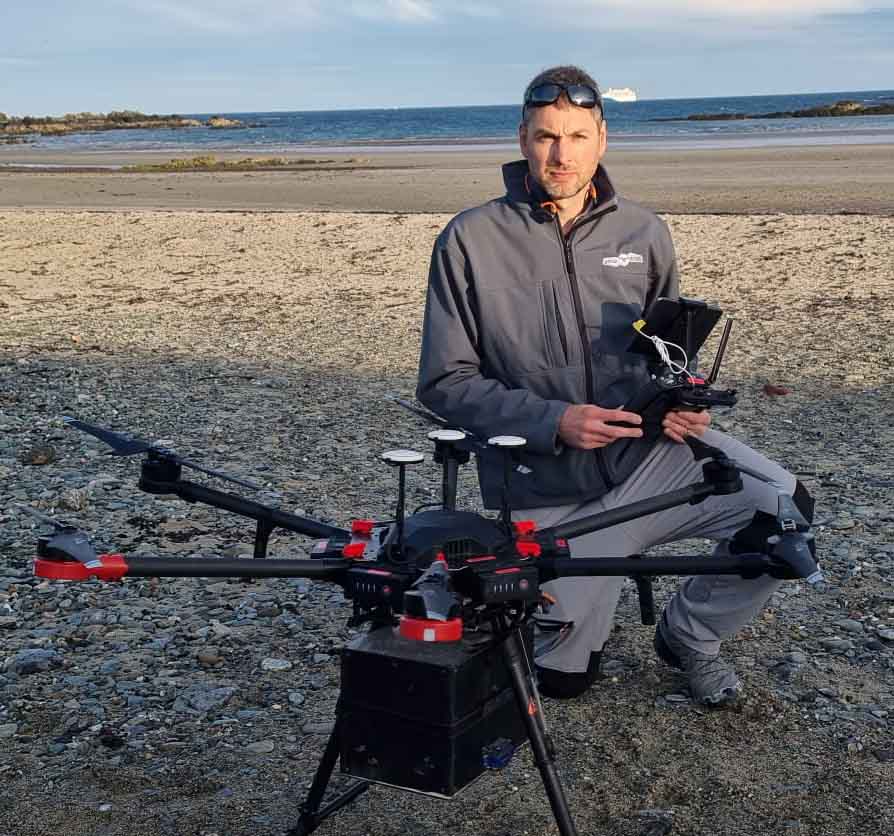
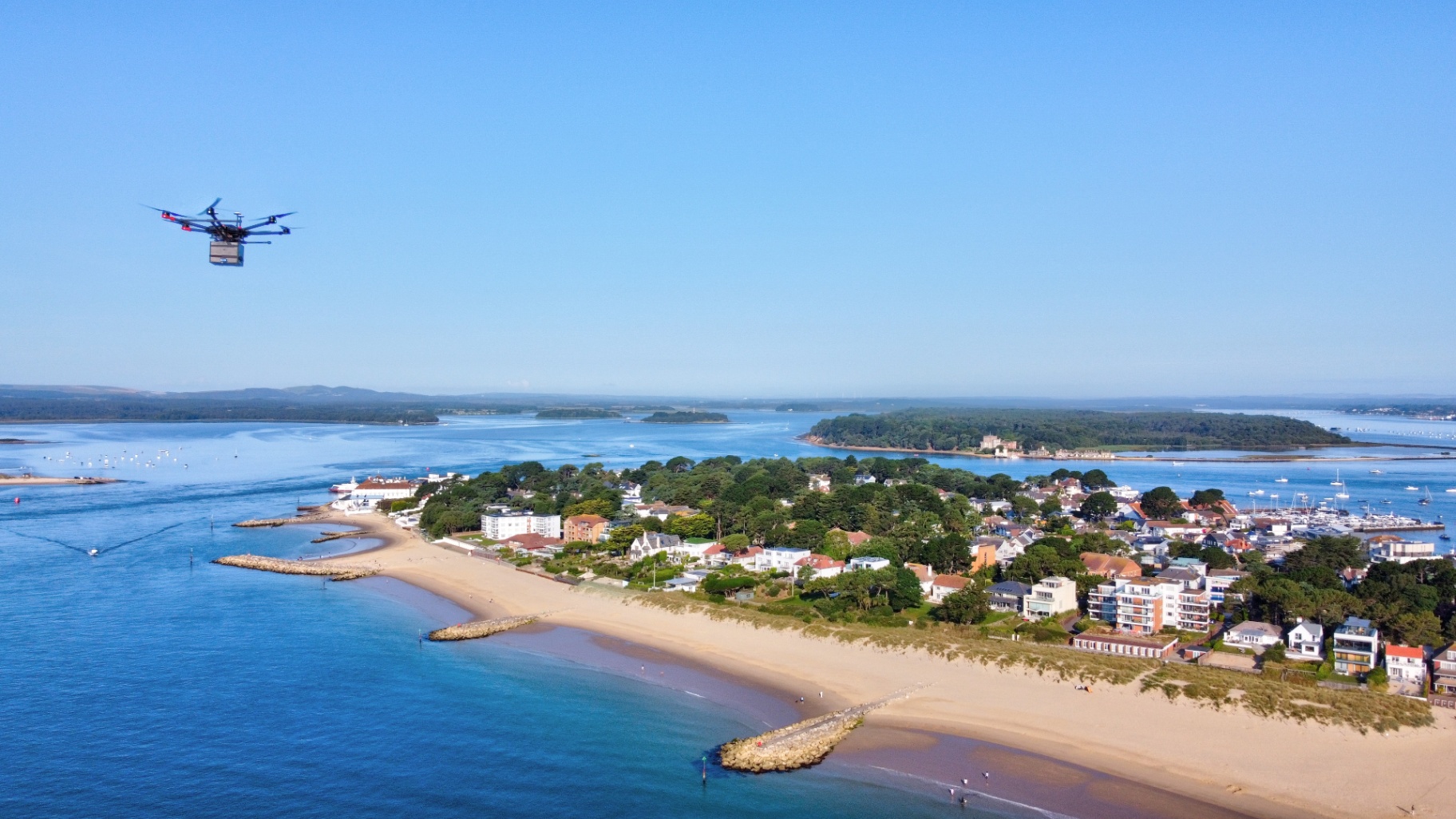
To solve the challenges of wind and accessibility, we provide a specialized aerial scattering service. Using advanced drone technology, we can transport the ashes to a precise location, often several hundred meters out to sea or over a specific landmark that holds meaning for the family.
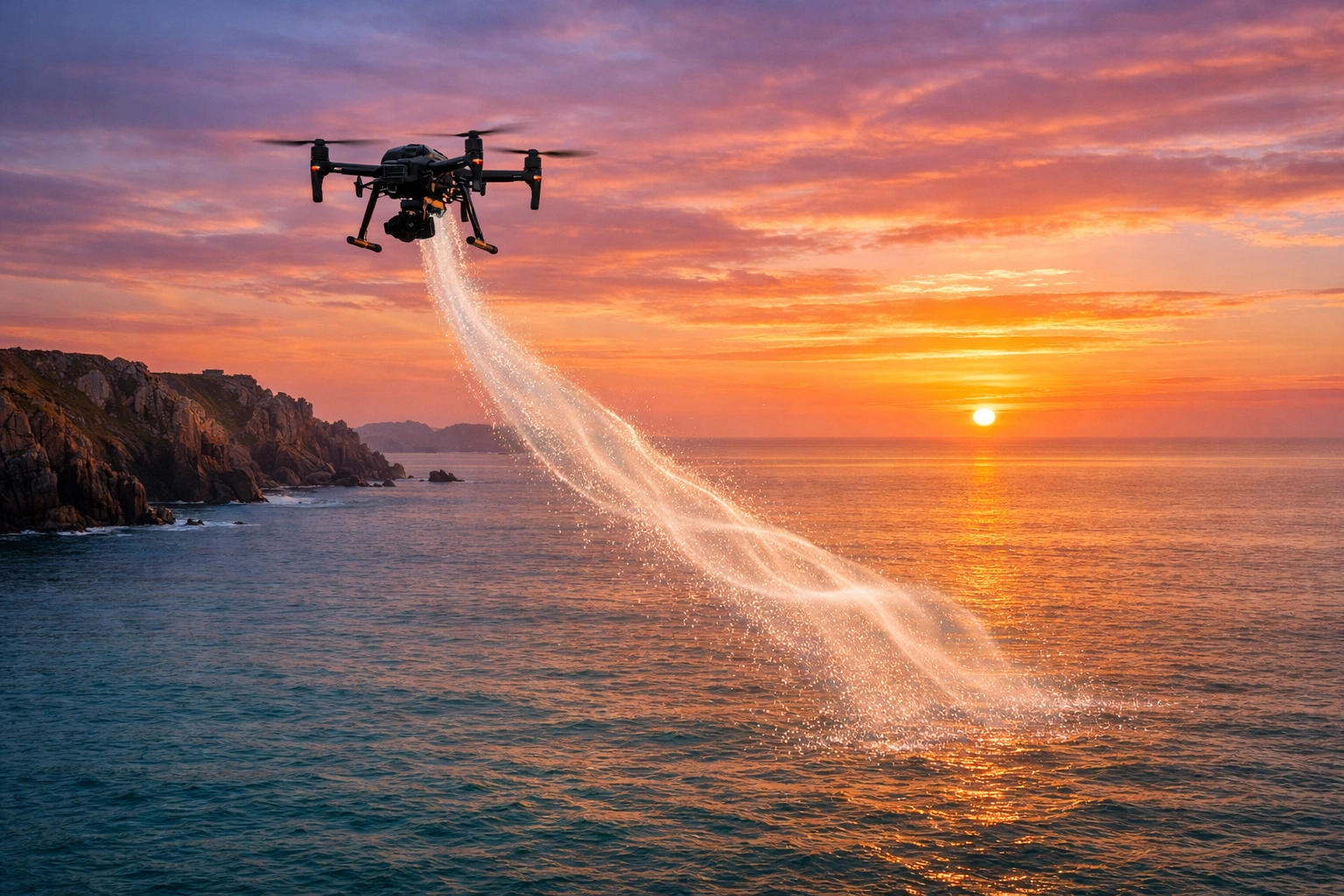
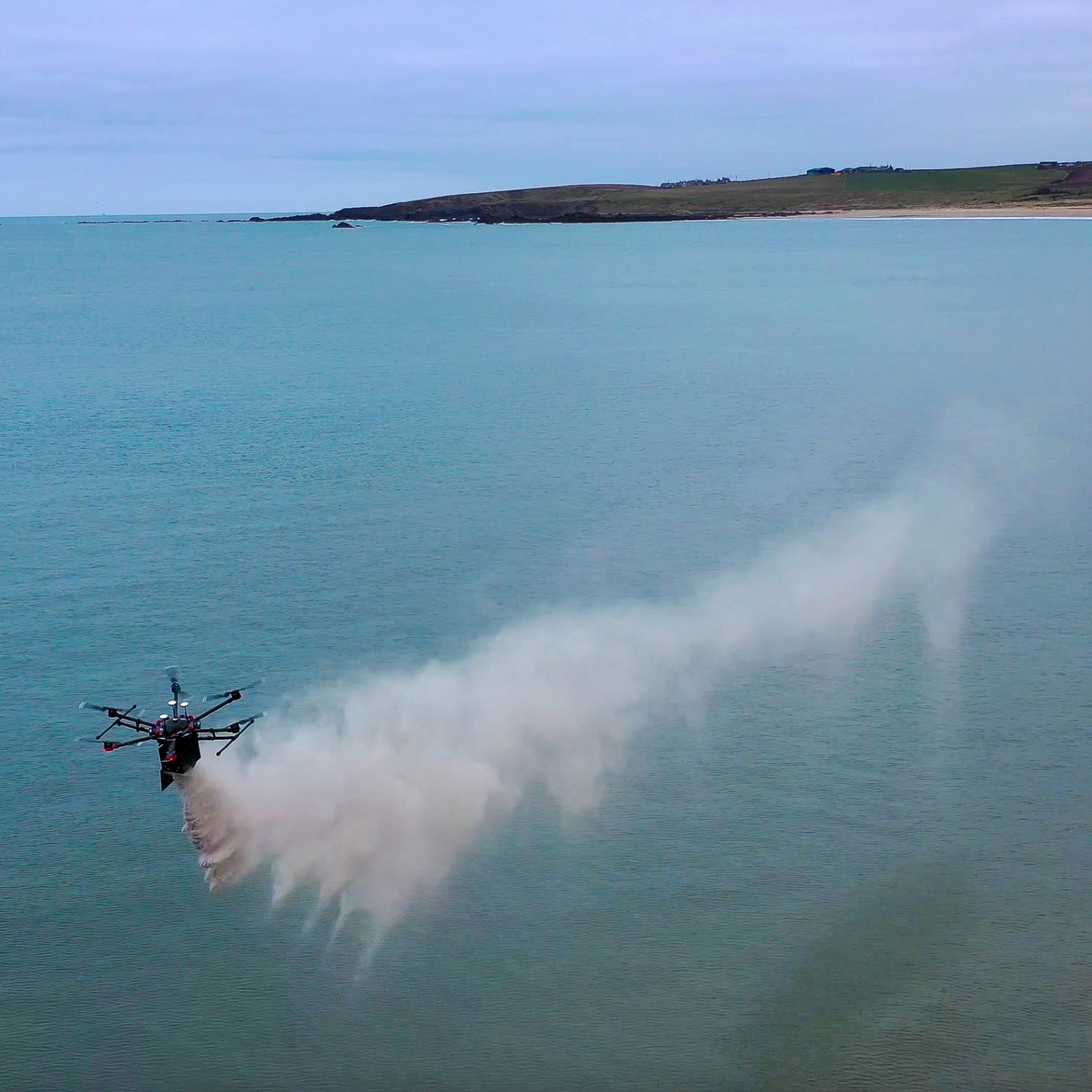
By using a drone, the scattering occurs at a height where the wind helps to disperse the ashes evenly and gently, creating a beautiful "veil" effect in the air before they settle onto the water. This method allows the family to remain together on the shore or a safe viewing point, watching the tribute from a distance without the risk of ashes blowing back.
The technology we use ensures that the release is controlled and dignified. This is particularly beneficial for locations like St Ives or Falmouth, where we can fly the drone away from crowded beach areas to a secluded spot on the water, maintaining the privacy of the ceremony. You can find more information about our technical process and commitment to dignity on our Cremated Ashes Scattering service page.
Planning Your Memorial Ceremony
Organizing a tribute in Cornwall involves more than just selecting a location. Coordination with weather patterns and tide times is essential for a smooth experience.
- Check the Tides: If you are planning a beach-based viewing, ensure you are aware of high and low tide times. Some Cornish beaches disappear entirely at high tide, while low tide can provide vast sandy expanses for groups to gather.
- Weather Window: Cornwall’s weather is famously changeable. We monitor meteorological data closely to identify the best "window" for a flight, ensuring the drone can operate safely and the family has the best possible conditions for the viewing.
- Biodegradable Urns: If you choose to involve a water-based element alongside the drone scattering, consider using biodegradable water urns. These are designed to float briefly before dissolving naturally, preventing any impact on the marine environment.
A Legacy of Peace
The Cornish coastline provides a timeless landscape for remembrance. By choosing a method that respects both the environment and the emotional needs of the family, you create a lasting legacy of peace. Whether it is the wild surf of Newquay or the quiet harbors of the south coast, Cornwall remains a place where the horizon offers a sense of continuity and hope.
We are committed to helping families navigate these choices, providing a professional and compassionate service that honors the life of your loved one with the precision and dignity they deserve. For further inspiration on how to personalize your tribute, you may find our inspiration gallery helpful.
Summary of Key Considerations
- Ensure all materials used are 100% biodegradable.
- Follow Environment Agency guidelines regarding distances from water collection points.
- Consider the risks of DIY scattering on windy clifftops.
- Utilize drone technology for precision, safety, and a dignified visual tribute.
- Plan around tide times and Cornish weather patterns to ensure guest comfort.
References
- Environment Agency. (2024). Guidelines for the Scattering of Ashes in Inland and Coastal Waters.
- Journal of Environmental Psychology. (2019). The Therapeutic Benefits of Blue Space: Coastal Environments and Mental Wellbeing.
- Journal of Palliative Medicine. (2021). Contemporary Memorial Practices and the Role of Technology in Bereavement.

For more information about our services or to discuss a specific location in Cornwall, please visit our website or follow our updates on social media.
Facebook | YouTube | Instagram
We're Online! How may I help you today?