 UK
UK
 Hawaii
 USA
USA
Scattering Ashes at Sea: The Complete Legal and Practical Guide
Scattering Ashes at Sea: The Complete Legal and Practical Guide
The connection between humanity and the ocean is a profound and ancient bond. For many, the sea represents a sense of infinite freedom, a return to nature, and a place of immense peace. It is no surprise that choosing a final resting place amidst the waves is one of the most popular requests for memorial services in the UK today. However, moving from the initial wish to the actual ceremony involves navigating a series of legal, environmental, and practical considerations that can feel overwhelming during a time of grief.
This guide provides a comprehensive overview of how to return a loved one to the sea with dignity, ensuring every step remains respectful to both the deceased and the natural environment. Whether you are considering a traditional boat-based dispersal or looking into modern alternatives, understanding the framework of maritime memorials is essential for a seamless experience.
The Legal Status of Ash Scattering in the UK
One of the most frequent questions families ask is whether they need a license to scatter ashes at sea. In England, Scotland, and Wales, the legal landscape is relatively straightforward compared to other countries. According to current regulations, you do not need a specific license from the Marine Management Organisation (MMO) to scatter cremated remains in the sea.
This is a significant distinction because a full-body burial at sea requires a formal license and involves strict requirements regarding the location and the construction of the casket. For cremation ashes, however, the law views them as inert organic matter. As long as the act of scattering does not involve the disposal of other items that could be considered litter, it is generally permitted without government intervention.
While no permit is required, it is important to ensure you have the right to access the launch point. If you are scattering from a pier, harbor, or private beach, you should always check for local bylaws or seek permission from the landowner. Most coastal authorities are incredibly supportive of memorial ceremonies, provided they are conducted discreetly and with respect for other beach users.
Environmental Agency Guidelines and Sustainability
While the law is lenient regarding the ashes themselves, the Environment Agency (EA) provides clear guidelines to protect the delicate marine ecosystem. The primary concern is not the ashes, which are essentially sterile minerals, but the containers and tributes that often accompany them.
To remain compliant and environmentally conscious, you must follow these core principles:
- Biodegradable Materials Only: If you are using an urn for a water burial, it must be designed to dissolve or sink and biodegrade quickly. Traditional ceramic, metal, or plastic urns are strictly prohibited as they cause long-term pollution.
- Limit Tributes: While it is traditional to cast flowers into the water, you must ensure that only the blossoms are used. Avoid anything containing plastic ribbons, floral foam, wire, or elastic bands.
- Location Selection: Avoid scattering ashes near concentrated areas of marine life or protected reefs. Similarly, avoid areas where the ashes could immediately wash back onto a busy public beach or into water intake pipes.
Research published in the Journal of Palliative Medicine (2018) suggests that the environmental impact of a memorial is an increasingly important factor for families when choosing a service. By adhering to these simple guidelines, you can ensure that the tribute remains a positive contribution to the natural cycle of the ocean.
The Practical Challenges of Traditional Boat Ceremonies
For decades, the standard way to scatter ashes at sea has been to charter a boat. While this can be a beautiful experience, it often presents several logistical and physical challenges that families may not anticipate.
The most common issue is seasickness. Coastal waters can be unpredictable, and even on a seemingly calm day, a small chartered vessel can experience significant movement. For elderly family members or young children, spending an hour or more on a rocking boat can turn a somber, reflective moment into a physically distressing one.
Accessibility is another major hurdle. Many traditional fishing or charter boats are not designed for those with limited mobility. Getting a wheelchair-bound relative or someone who uses a walking frame onto a vessel via a narrow gangplank can be difficult, if not impossible. This often means that the very people who were closest to the deceased are unable to witness the final farewell.
Finally, there is the issue of the wind. When scattering from the deck of a boat, the wind can be erratic. There have been many instances where ashes have unfortunately blown back onto the mourners or the vessel itself, causing distress during what should be a peaceful moment.
The Advantages of Drone-Based Memorial Services
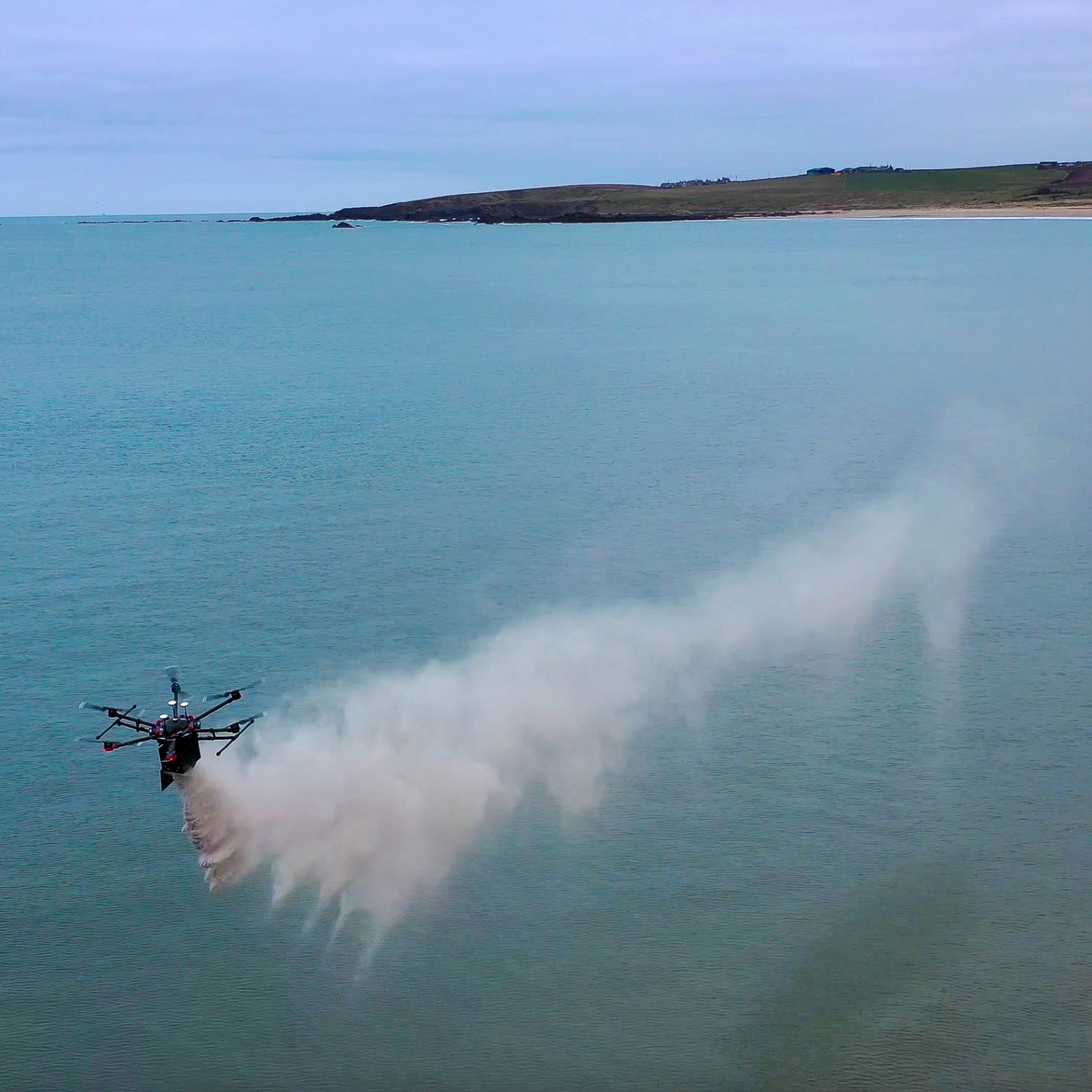
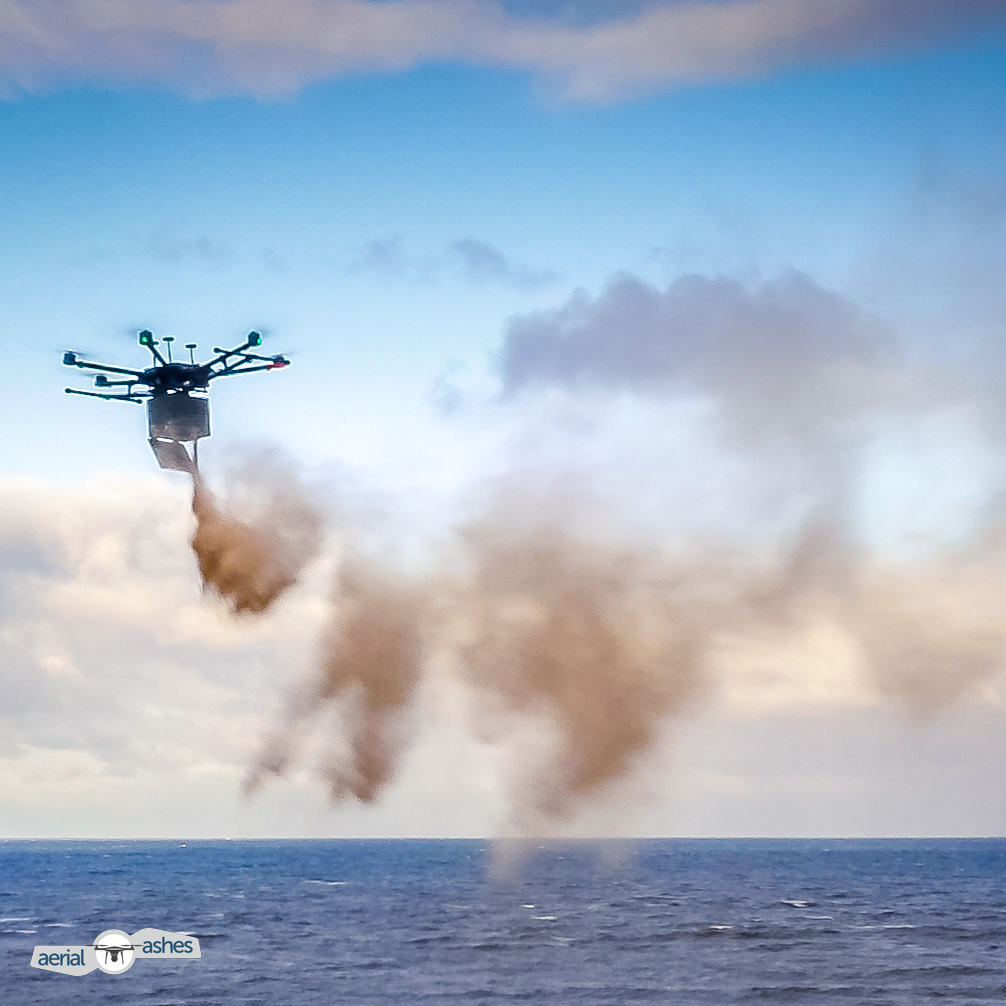
Modern technology has introduced a more inclusive and precise way to fulfill a loved one's final wish. At Aerial Ashes Matt, we utilize specialized drone technology to provide a service that avoids the pitfalls of traditional boat scattering while adding a unique level of grace and dignity.
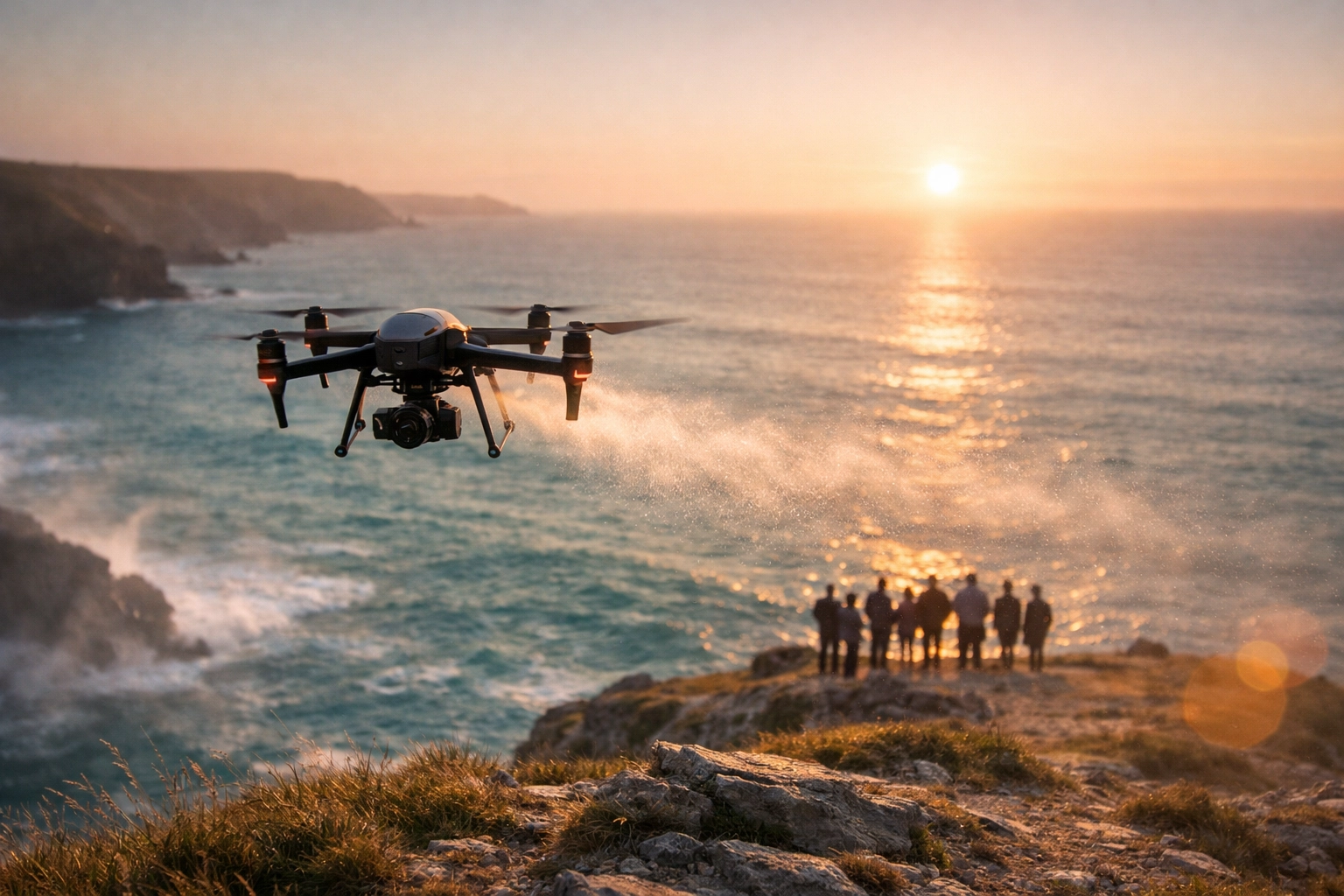
Using a drone allows the entire family to remain on the shore, standing on a beach or a clifftop that held personal significance to the deceased. This eliminates the risk of seasickness and ensures that every family member, regardless of age or physical ability, can participate fully in the ceremony.
There is a profound symbolic beauty in watching the drone fly out over the waves. The dispersal is controlled with high precision, allowing the ashes to be released in a steady, graceful stream. This avoids the "cloud" effect often seen with hand-scattering and ensures the remains are committed to the deep water exactly where you intend them to be. You can book a consultation to discuss how this modern approach can be tailored to your specific coastal location.
Precision and Peace of Mind
One of the unique benefits of using a drone service is the ability to record the exact GPS coordinates of the dispersal. For many families, knowing the precise spot where their loved one was laid to rest provides a significant sense of closure. It allows for future "visits" to the location, even from the shore, knowing exactly where the ceremony took place.
Furthermore, drones can reach areas that boats simply cannot. If a loved one had a favorite hidden cove or a specific rocky outcrop that is inaccessible by watercraft, a drone can hover directly over that spot to perform the scattering. This level of personalization is rarely possible with traditional methods.
Professional Standards and Award-Winning Expertise
When choosing a memorial service provider, professionalism and legal compliance are non-negotiable. It is essential to work with a team that understands the technicalities of both the environment and aviation.
Aerial Ashes Matt is proud to be fully licensed by the Civil Aviation Authority (CAA). This means we operate under strict safety protocols and have the necessary insurance to conduct ceremonies in public spaces. Our expertise has been recognized on a national level, including a featured interview on BBC Breakfast, where we discussed the growing preference for dignified, drone-operated memorials.
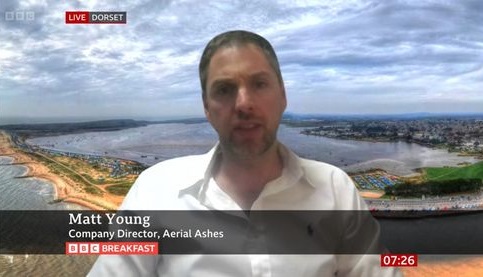
Our commitment to excellence has earned us industry recognition, symbolized by our award-winning status in the memorial services sector. We understand that we are not just operating a drone: we are stewards of a family's final tribute. This responsibility informs everything we do, from the initial planning stages to the moment the ashes are released.

Planning Your Sea Scattering Ceremony
If you are beginning the process of planning a sea scattering, we recommend a few practical steps to ensure the day goes as planned:
- Check the Weather: While drones can fly in various conditions, we always monitor the wind and rain to ensure the most respectful and safe dispersal.
- Coordinate the Group: Decide on a shore-based location that has easy access for all family members. We can advise on the best spots in England, Scotland, and Wales.
- Personalize the Moment: Consider if you would like music, a reading, or a specific moment of silence as the drone makes its journey.
- Biodegradable Tributes: If you wish to release flower petals from the shore simultaneously, ensure they are loose and free of any plastic or wire.
The ocean offers a timeless and beautiful way to say goodbye. By combining traditional respect with modern precision, we help families create a final farewell that is as unique and vast as the sea itself.
Summary of Key Points
Choosing to scatter ashes at sea in the UK is a legal and beautiful option that requires no specific permit for the ashes themselves. However, to ensure the ceremony is successful and respectful:
- Follow Environment Agency guidelines by using only biodegradable materials.
- Consider the accessibility and physical comfort of all mourners by choosing a shore-based drone ceremony over a boat charter.
- Ensure your service provider is CAA-licensed and experienced in maritime operations.
- Focus on the symbolic and emotional weight of the location, using technology to achieve a level of precision that honors your loved one's wishes perfectly.
We are here to guide you through every step of this journey, providing a service that is as professional as it is compassionate.
References
- Environment Agency (2022). Guidance on Scattering Ashes in Waterways and Coastal Areas.
- Civil Aviation Authority (CAA). CAP 722: Unmanned Aircraft System Operations in UK Airspace.
- Journal of Palliative Medicine (2018). "Environmental concerns in end-of-life decision making," Vol 21, Issue 4.
- Marine Management Organisation (MMO). Burial at Sea Guidance and Licensing.
We're Online! How may I help you today?