 UK
UK
 Hawaii
 USA
USA

7 Mistakes You’re Making with Beach Ashes Scattering (and How to Fix Them)
7 Mistakes You're Making with Beach Ashes Scattering (and How to Fix Them)
Choosing a coastal setting for a final farewell is a tradition deeply rooted in the human experience. The rhythmic sound of waves and the vastness of the horizon provide a sense of continuity and peace that few other locations can match. In Cornwall, where the Atlantic meets rugged cliffs and turquoise waters, beaches like Porthcurno often top the list for families seeking a beautiful goodbye. As we begin our series on the 100 Best UK Beaches for memorials, it is important to understand that a beach ceremony requires more than just showing up with an urn.
While the idea of ashes scattering by the shore sounds simple, the reality of coastal environments can present unexpected challenges. Without proper planning, a moment meant for reflection can quickly become stressful or even distressing. By identifying common pitfalls, families can ensure their tribute remains as serene as the landscape itself.
1. Neglecting Local Regulations and Permissions
The mistake people often make is assuming that all public beaches are open for any type of ceremony. In the UK, while there are no specific laws strictly forbidding the scattering ashes on beaches, the land is always owned by someone. This might be the local council, the National Trust, or a private estate.
Each organization has its own set of guidelines. For instance, the Environment Agency provides a code of practice to ensure that the process does not negatively impact local water quality or wildlife. Neglecting to check these rules can lead to uncomfortable interactions during a sensitive time. It is always best to consult a Legal Guide before finalizing your plans. Most authorities are supportive as long as you follow basic environmental etiquette.
2. Ignoring the Unpredictable Nature of Wind
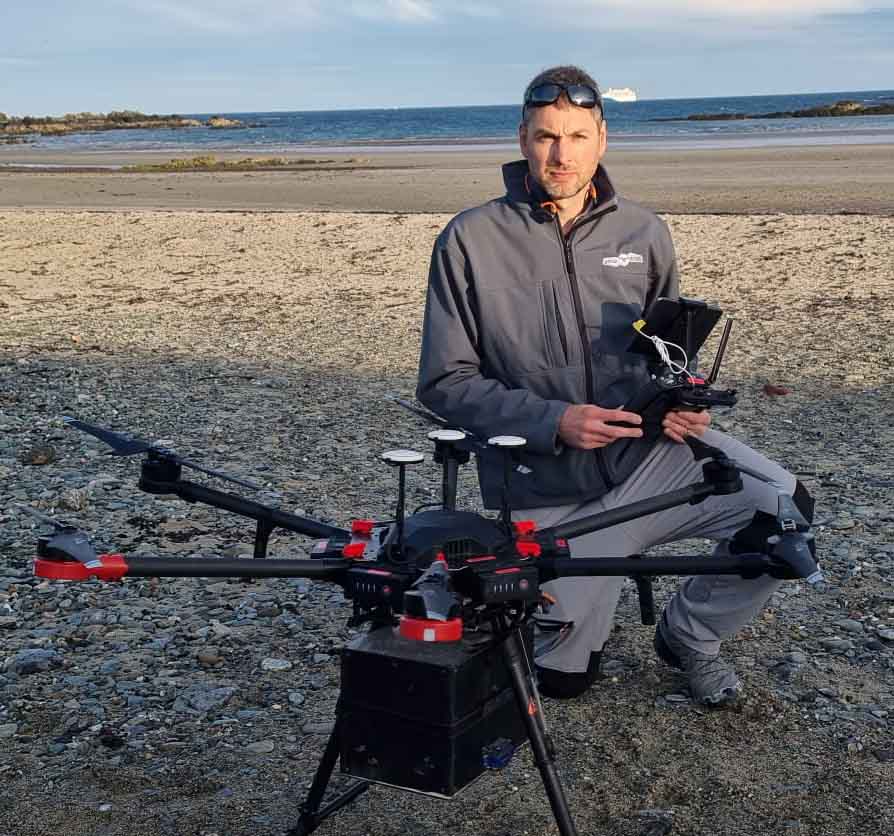
The most common and distressing mistake during a DIY beach scattering is failing to account for wind direction. Coastal winds are rarely constant: they gust, swirl, and change direction without warning. If you stand with your back to the wind, you risk the ashes blowing back onto the guests or yourself.
Research in the Journal of Environmental Psychology (2018) suggests that the physical success of a ritual significantly impacts the emotional closure experienced by participants. A "blowback" incident can interrupt the grieving process and create a traumatic memory. To fix this, always check the marine forecast for the specific hour of your ceremony. Stand so the wind is blowing away from the group and toward the water. If the wind is too strong, it may be safer to postpone or consider an alternative method that ensures a controlled release.
3. Using Non-Biodegradable Materials
Many families wish to cast wreaths, flowers, or even the urn itself into the sea. A significant mistake is using items that contain plastic, wire, or synthetic ribbons. These materials do not break down and contribute to marine pollution, which contradicts the spirit of a natural return to the earth.
When scattering ashes at a location as pristine as Porthcurno in Cornwall, environmental stewardship is crucial. Ensure that every item used is 100 percent biodegradable. If you are using a water-soluble urn, ensure it is designed to sink and dissolve slowly. Fresh petals are a beautiful alternative to full bouquets that might contain hidden plastic supports. According to a study in the Journal of Palliative Medicine (2020), the knowledge that a memorial is environmentally responsible can provide additional comfort to the bereaved, aligning the tribute with the loved one's values.
4. Misjudging the Tide and Crowds
Cornwall is home to some of the most famous beaches in the world, which means they can get incredibly busy. Attempting a private ceremony at midday on a sunny Saturday in St Ives or Porthcurno often leads to a lack of privacy. Furthermore, the tide in Cornwall moves quickly. A spot that looks perfect at low tide might be underwater or cut off by the sea within an hour.
To fix this, timing is everything. Early morning or late evening often provides the solitude required for a meaningful service. Always consult a local tide table to ensure your chosen spot remains accessible and safe throughout the duration of your ceremony. Choosing a less-visited section of the coast can also help maintain the dignity of the moment.

Alt text: A wide, serene view of the Cornish coastline at sunrise, showing the dramatic cliffs and clear blue water of Porthcurno, ideal for a peaceful memorial.
5. Lacking a Structured Ceremony
Because the beach is a casual environment, families sometimes forget to give the event a formal structure. Without a plan, the moment can feel rushed or disorganized, leaving participants feeling like they didn't get the "goodbye" they needed.
A successful memorial often includes:
- A clear starting point where guests gather.
- A brief reading, poem, or shared memory.
- A specific signal for the ashes scattering to begin.
- A moment of silence or music to conclude.
Providing a program or a simple explanation of what will happen helps guests feel involved. For more ideas on how to structure your day, you can view our Beach Scattering Guide. Structure provides a container for emotion, allowing everyone to focus on the person being honored rather than wondering what happens next.
6. Forgetting the Logistics of the Location
Beaches are beautiful but physically demanding. A mistake often overlooked is the accessibility of the site for elderly family members or those with mobility issues. Porthcurno, for example, has a steep path leading down to the sand.
Additionally, forgetting essential supplies like water, tissues, or even sun protection can distract from the ceremony. If you are planning a DIY scattering, you become the event coordinator. This means you must handle everything from the urn to the guest's comfort. This logistical burden can sometimes prevent the primary mourners from fully engaging with their own emotions during the service.
7. Overlooking Modern Alternatives
Many people assume that a DIY shore-based scattering is the only way to have a beach memorial. However, the technical difficulties of wind, tides, and crowds often lead to a compromised experience. This is where professional services offer a different path.
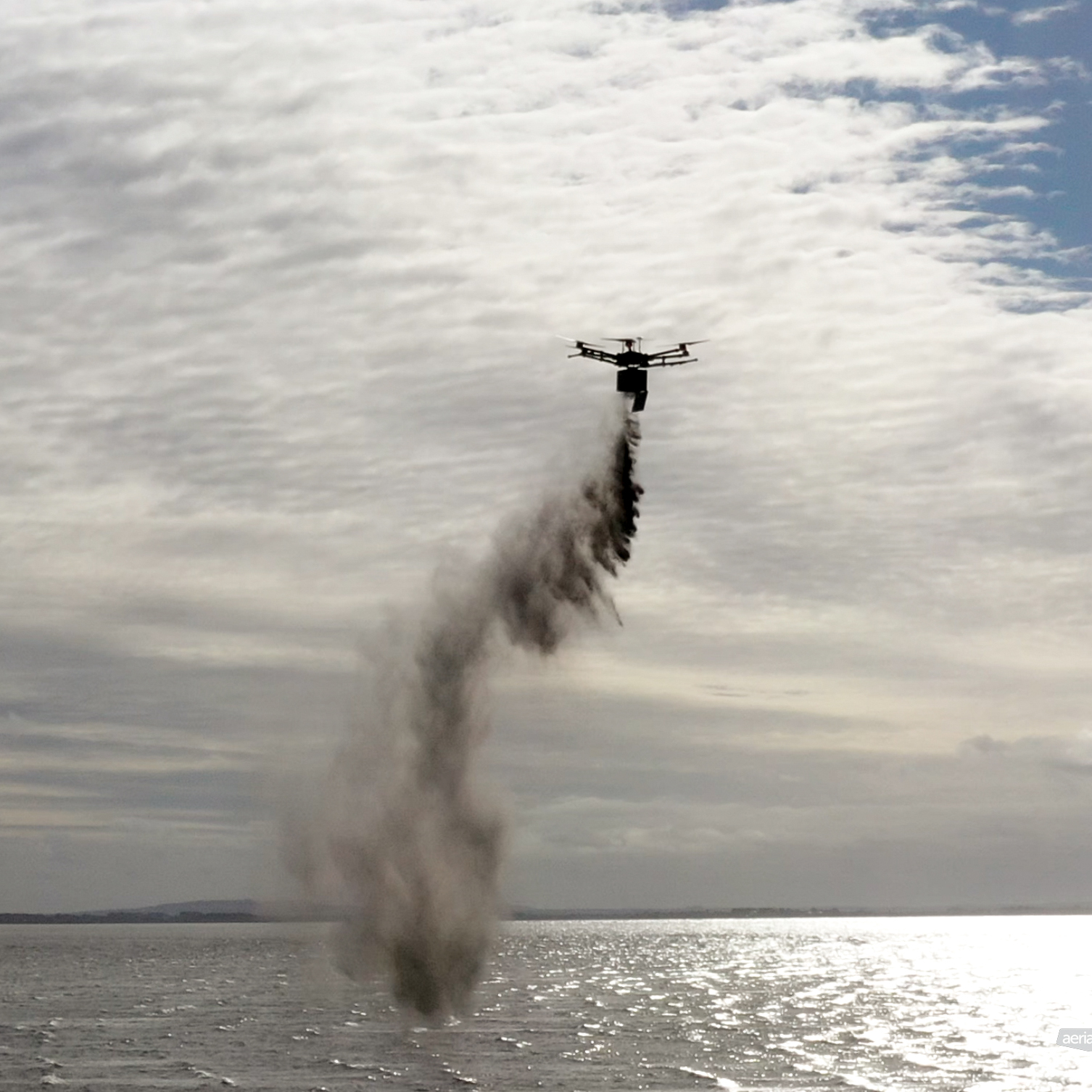
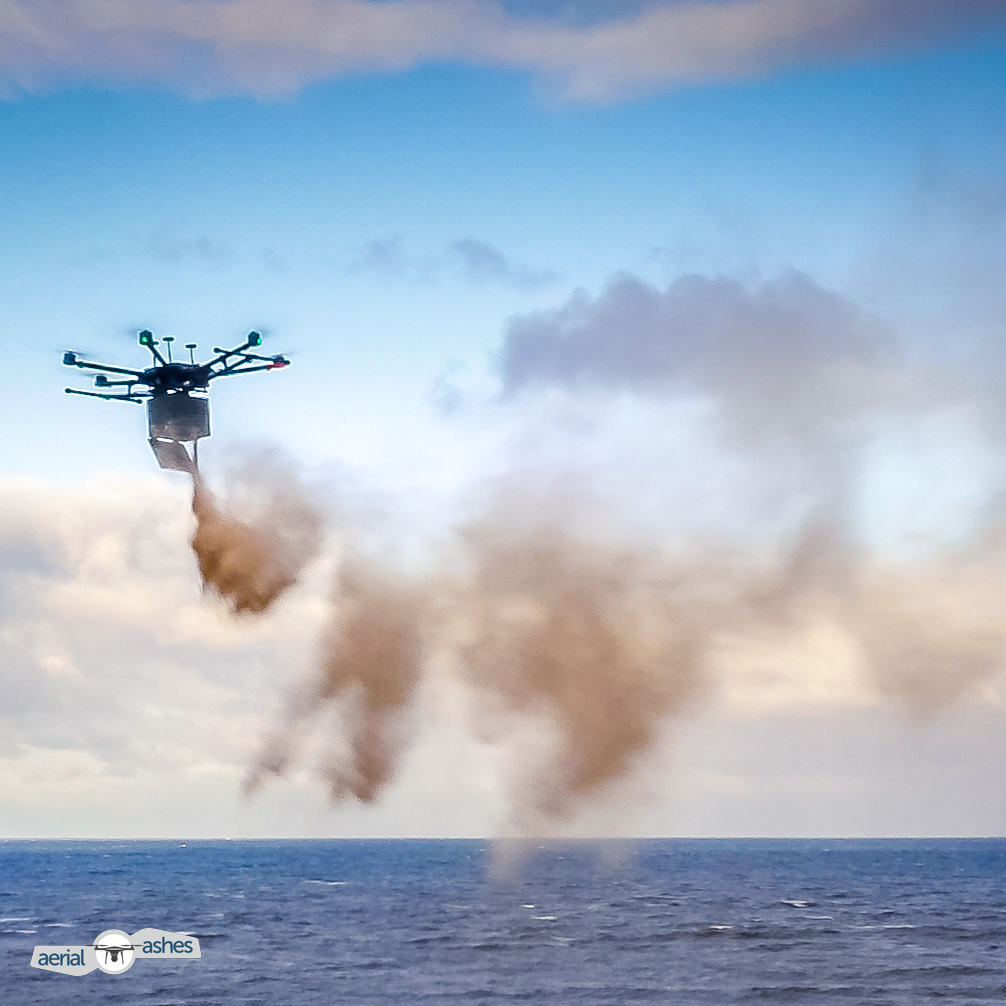
At Aerial Ashes, we provide a way to circumvent these common mistakes. Using specialized drone technology, we can scatter ashes further out at sea or higher in the air than is possible from the shoreline. This ensures that the ashes are carried away peacefully by the coastal breeze, high above the waves and away from the onlookers on the beach. It removes the risk of "blowback" and allows the family to stand together on the shore, watching the dispersal as a unified group without the stress of managing the physical release.
Why Cornwall is the Perfect Starting Point
As we count down the 100 Best UK Beaches, Cornwall holds a special place in the hearts of many. The clarity of the water and the dramatic granite cliffs provide a sense of timelessness. Whether it is the hidden coves near Land's End or the vast expanses of Whitsand Bay, the Cornish coast offers a variety of settings for a final rest.
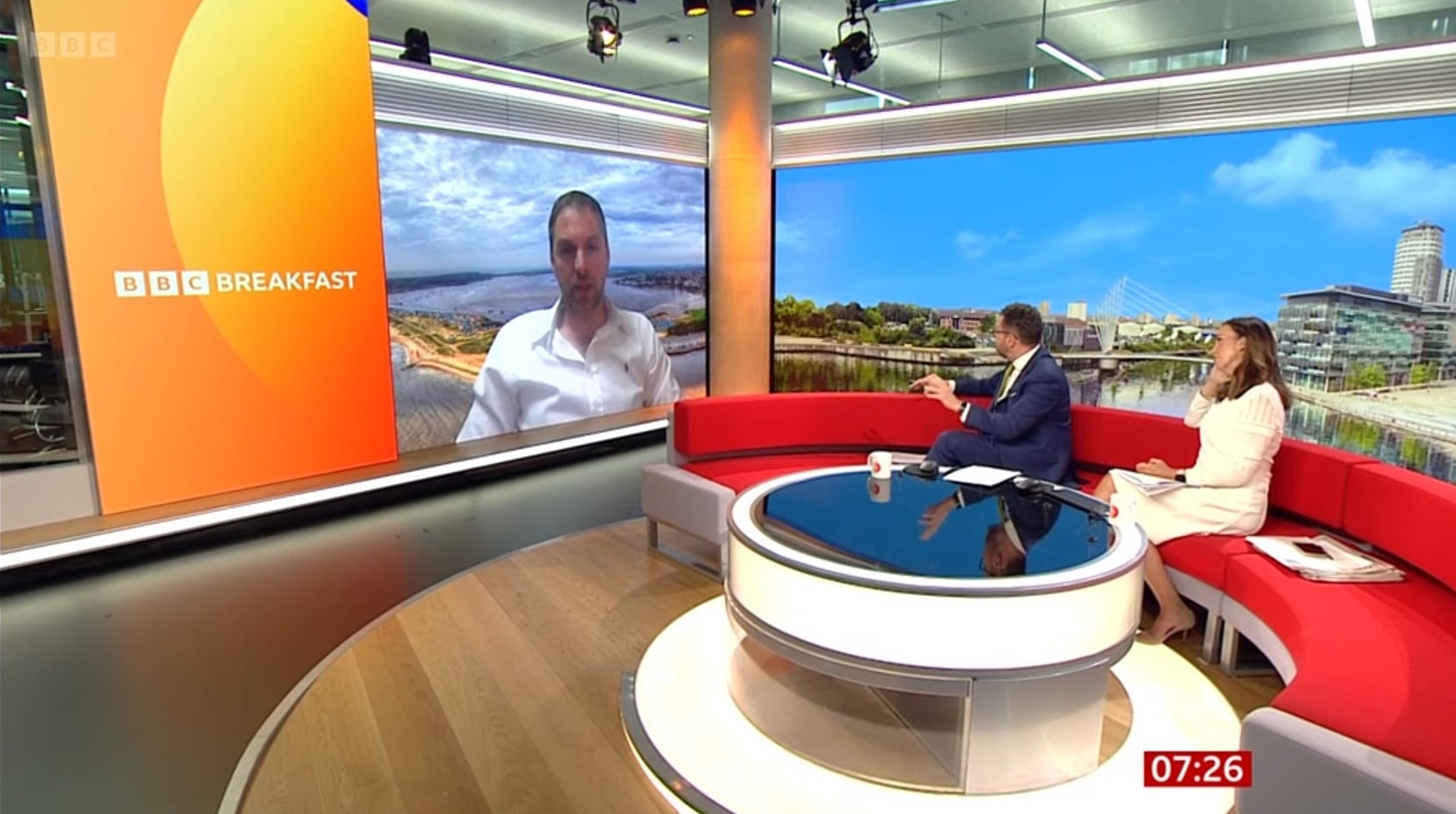
However, the very elements that make Cornwall beautiful: the Atlantic swells and the brisk sea breezes: are the ones that make DIY scattering a challenge. By choosing a professional drone service, you can enjoy the beauty of these locations without the logistical headaches. Our expertise has even been recognized nationally, as seen in our discussions on public platforms regarding the future of memorial services.
Planning Your Tribute
If you are set on a beach scattering, take the time to prepare. Visit the site beforehand at the same time of day you plan for the ceremony. Test the wind, check the tide, and ensure you have the necessary permissions. If the logistical challenges feel overwhelming, remember that you don't have to do it alone.
A memorial should be a time of peace and reflection. By avoiding these seven common mistakes, you can ensure that your loved one's final journey is as dignified and beautiful as the Cornish coast itself. Whether you choose to scatter by hand or utilize the precision of a drone, the goal remains the same: a respectful and lasting tribute in a place that meant the world to them.
References
- Journal of Environmental Psychology (2018). "The Impact of Ritual Success on Grief Recovery."
- Journal of Palliative Medicine (2020). "Environmental Values and End-of-Life Rituals."
- Environment Agency (UK). "Code of Practice for Scattering Ashes in Waterways."
We're Online! How may I help you today?