 UK
UK
 Hawaii
 USA
USA

Looking to Scatter Ashes at Porthmeor Beach? Here Are 10 Things You Should Know
Looking to Scatter Ashes at Porthmeor Beach? Here Are 10 Things You Should Know
Choosing a final resting place for a loved one is a deeply personal decision that often brings families to the water's edge. Porthmeor Beach in St Ives is one of the most iconic stretches of sand in Cornwall, known for its brilliant light, rolling surf, and the artistic heritage that surrounds it. For many, the idea of an ashes scattering ceremony here represents a return to nature and a connection to a place filled with happy holiday memories.
Research suggests that being near "blue spaces" or bodies of water can have a significant restorative effect on those experiencing grief. According to a study published in the Journal of Environmental Psychology (White et al., 2010), coastal environments are consistently associated with higher levels of positive affect and lower stress. This is perhaps why so many families find peace in the rhythmic sound of the Atlantic waves at Porthmeor. However, organizing a ceremony in such a popular and environmentally sensitive location requires careful planning. If you are considering scattering ashes at this beautiful Cornish beach, here are 10 essential things you need to know to ensure the day is respectful, legal, and serene.
1. Landowner Permission Is Essential
While the beach feels like a public space, Porthmeor Beach is managed and owned by local entities, which can include the National Trust, the Duchy of Cornwall, or local estates. It is a common misconception that you can simply walk onto any beach and begin a ceremony. It is important to contact the landowner in advance to seek permission. Generally, landowners are very supportive of such requests, provided the ceremony is low-key and does not interfere with other beach users. Taking this step ensures that your memorial is conducted with the right permissions in place, avoiding any potential interruptions.
2. Understanding the Legal Framework
In the UK, there are currently no specific laws that prohibit the scattering ashes at sea or along the coastline. You do not need a formal permit from the government to scatter cremated remains. However, you must comply with environmental guidelines set by agencies like the Environment Agency. These guidelines are designed to protect water quality and marine life. If you are looking for more detailed information on the rules, you can consult our Legal Guide to ensure you are fully informed about the current regulations in England and Wales.
3. Using Biodegradable Materials Only
One of the most important environmental considerations is what you leave behind. Anything placed into the ocean or on the sand must be 100 percent biodegradable. This means that traditional wreaths with plastic frames, foam, or wire are not permitted. If you choose to use an urn for a water burial, it must be designed to dissolve naturally in water. Many families choose to scatter individual flower petals alongside the ashes, which is a beautiful and eco-friendly way to add a visual element to the ceremony. You can find more tips on environmentally friendly ceremonies in our Beach Scattering Guide.
4. The Importance of Tide Times
Porthmeor Beach is famous for its wide expanse of golden sand, but this landscape changes dramatically throughout the day. A beach that looks perfect for a gathering at 10:00 AM might be completely underwater by noon. Before setting a time for your ashes scattering, always check the local tide tables for St Ives. A receding tide is often preferred as it allows the ashes to be naturally washed out to sea as the water returns. High tide can limit the amount of space available and may force your group close to the sea wall or busy walkways, reducing the privacy of your moment.
5. Positioning and Wind Direction
The Atlantic coast of Cornwall is known for its bracing breezes. While a sea breeze can feel refreshing, it is the most common practical challenge during a shore-based scattering. To avoid a situation where the ashes blow back toward the family or onlookers, you must always stand upwind. This means the wind should be at your back, blowing toward the sea. It is a small detail that can make a profound difference in the dignity of the ceremony.
6. Monitoring Weather Conditions
Cornish weather is notoriously unpredictable. While a light breeze is manageable, strong winds or heavy rain can make a beach ceremony very difficult. High winds not only affect the scattering process but can also make it hard for guests to hear any words or music you have planned. It is wise to have a flexible window of a few days if possible, or a backup plan if the weather becomes too severe. A calm day ensures that the scattering ashes process is smooth and that the remains disperse gently across the water.
7. Staying Away from Restricted Areas
Even though the ocean is vast, there are certain areas where you should not scatter ashes. Guidelines suggest staying at least 1km away from any drinking water supply points. You should also avoid marinas, busy harbours, or areas where commercial fishing is active. At Porthmeor, this means staying clear of the immediate vicinity of the St Ives harbour entrance. It is also respectful to stay a safe distance from swimmers and surfers, who are present at Porthmeor nearly year-round.
8. Choosing the Right Time for Privacy
St Ives is one of the most popular tourist destinations in the UK. During the summer months, Porthmeor Beach can be crowded with holidaymakers, surf schools, and families. If you are looking for a private, reflective moment, consider scheduling your ceremony for sunrise or sunset. Not only is the light at these times exceptionally beautiful, but the beach is also significantly quieter. The peace of an early morning ceremony can provide the right atmosphere for a meaningful farewell.
9. The Technique of Hand Scattering
If you are scattering by hand at the water's edge, the best method is to hold the container close to the surface of the water. This prevents the ashes from being caught by a sudden gust of wind and ensures they meet the water directly. Some families find that the "casting" motion can be unpredictable. Instead, gently pouring the ashes into the receding tide allows the sea to take them naturally. For those who find the idea of standing on the shore too public or physically difficult, there are alternative methods available that offer more distance from the crowds.
10. Considering Professional Aerial Services
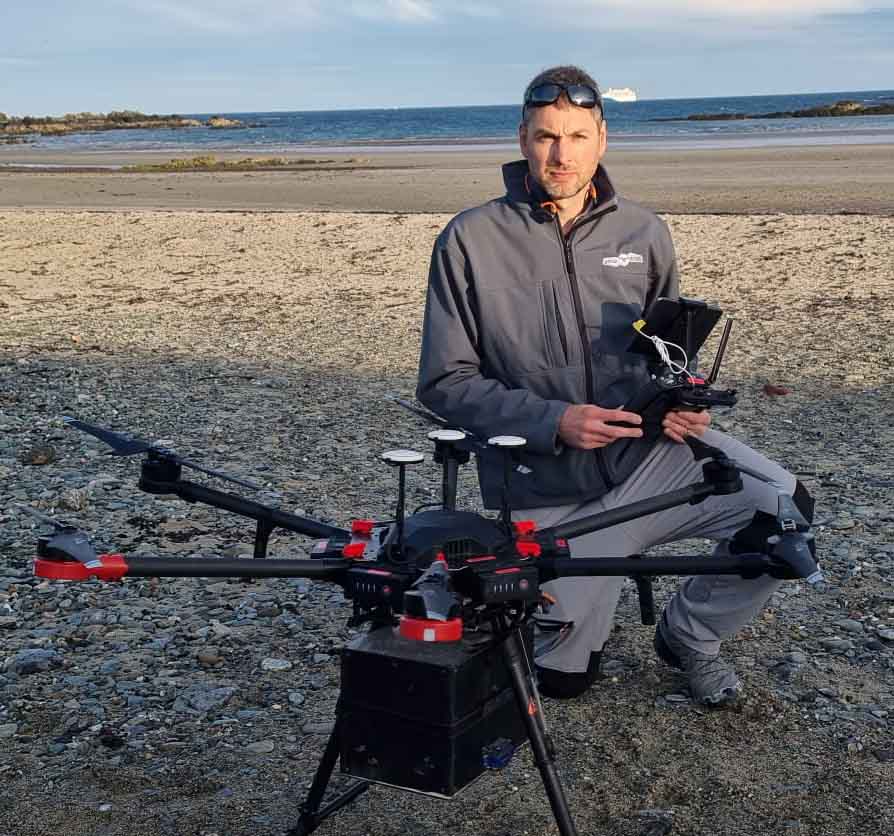
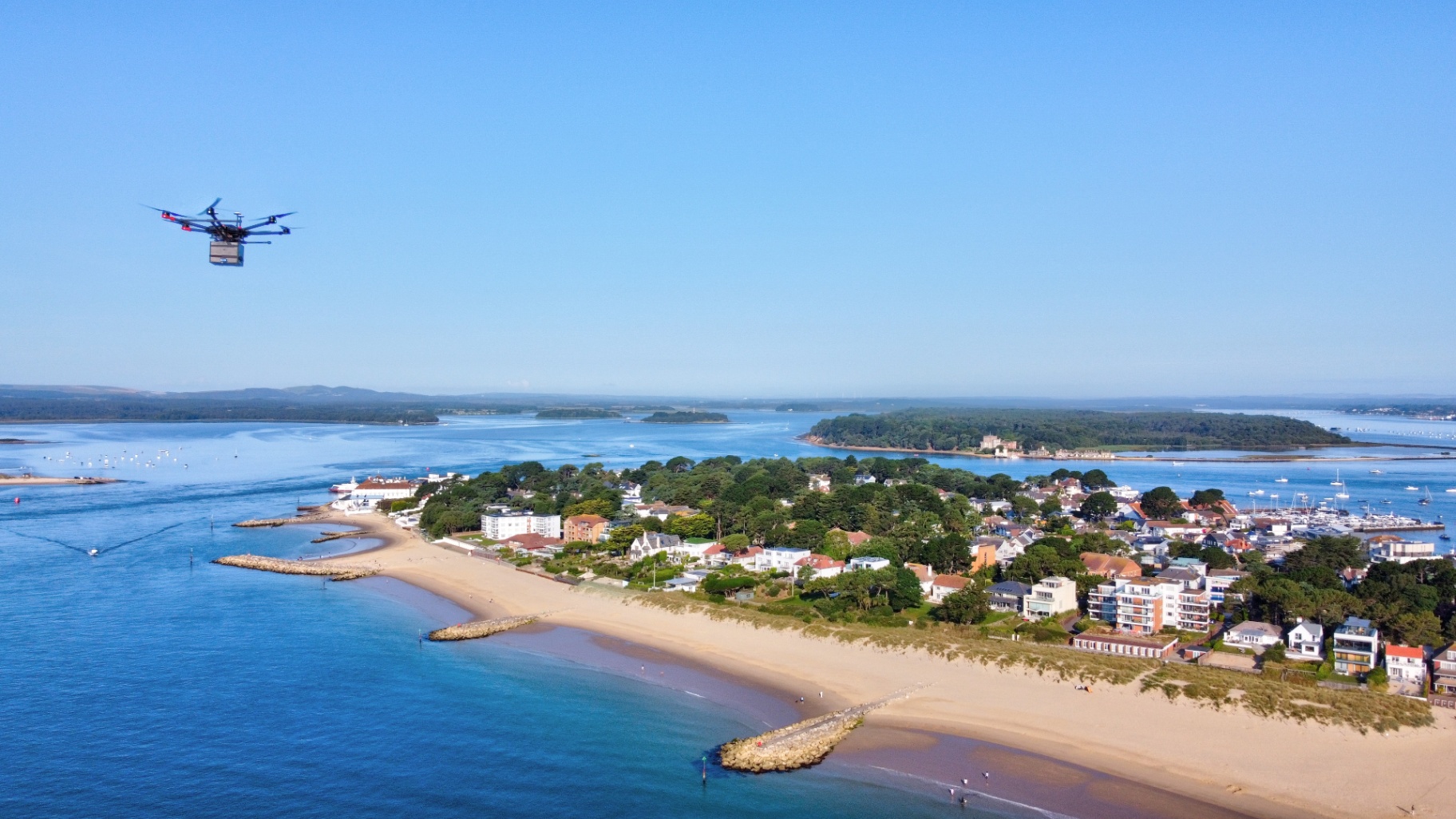
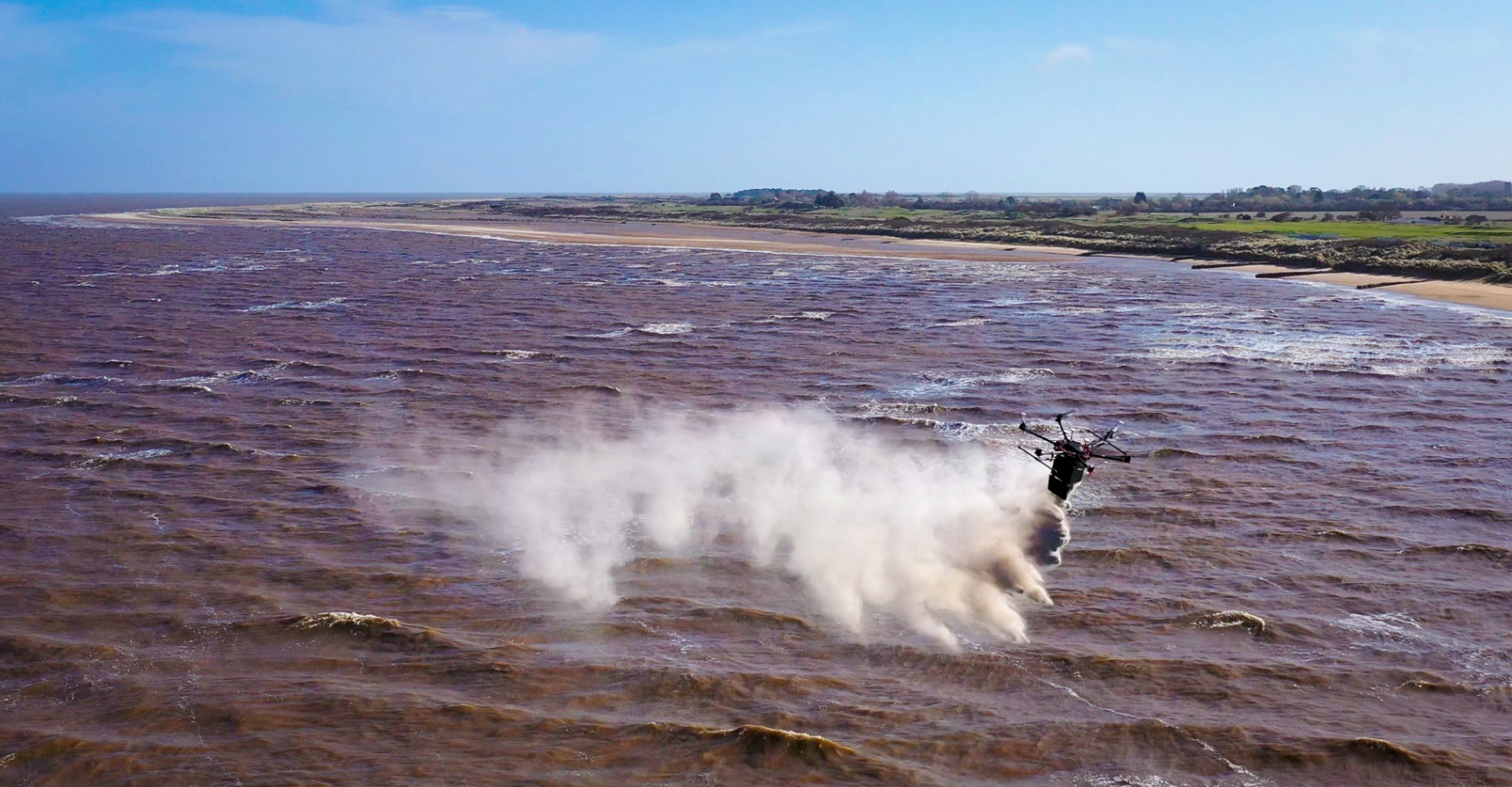
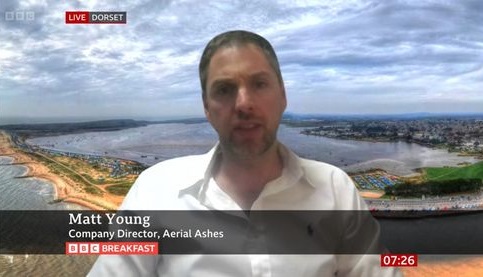
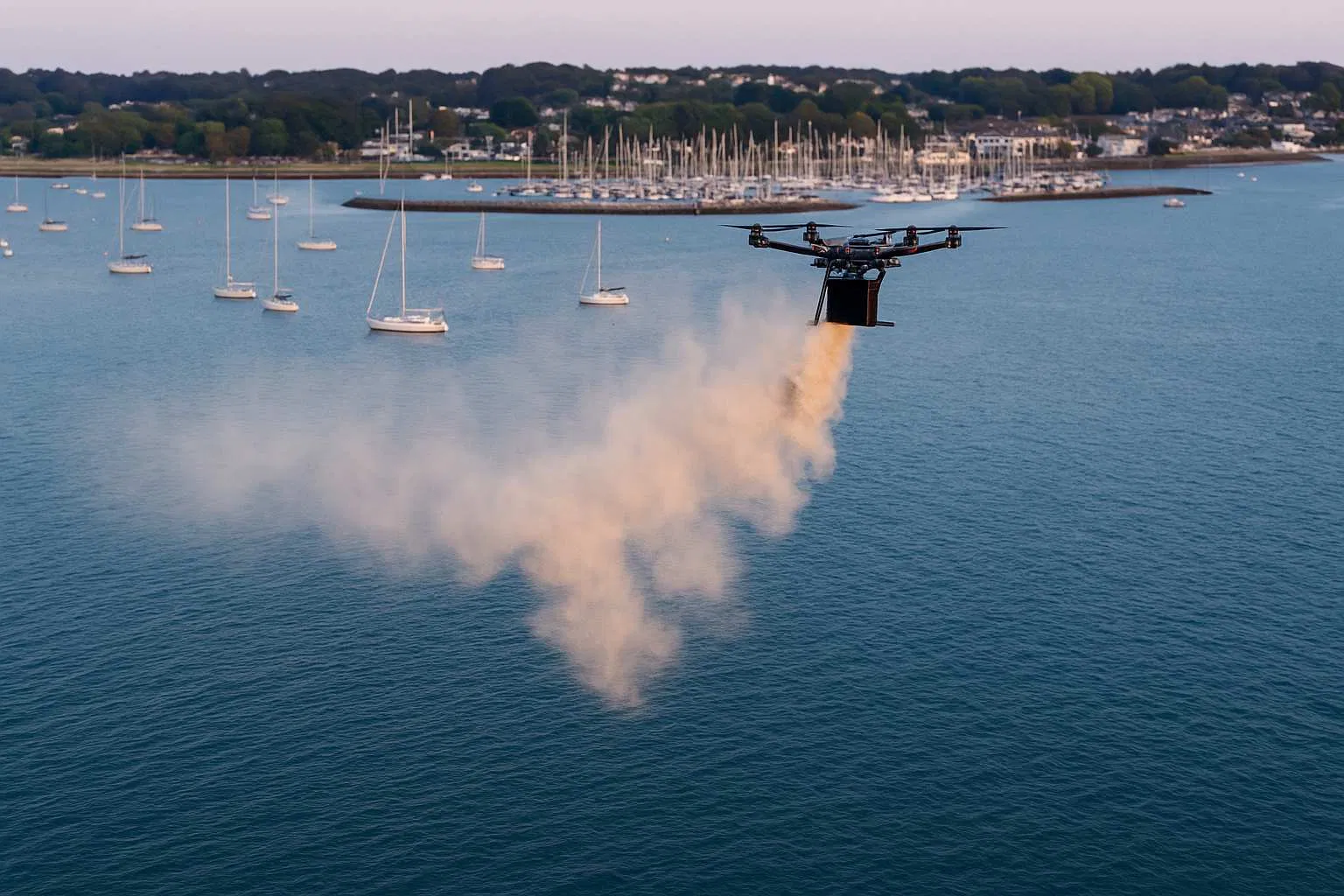
While many families choose a DIY approach, there are challenges to scattering from a beach, including crowds, wind, and the physical limit of how far you can reach into the water. Professional services, such as those offered by Aerial Ashes Matt, provide a unique alternative. Using specialised drone technology, ashes can be scattered further out to sea, beyond the breaking waves and away from the shoreline.
This method offers several benefits:
- It provides a higher level of privacy away from beachgoers.
- The ashes are dispersed in a gentle, visible trail over the ocean.
- It allows for a dignified ceremony even in locations that are hard to reach on foot.
- The entire process can be filmed, providing a lasting memory for those who could not attend.
A study in the Journal of Palliative Medicine (Casarett et al., 2001) emphasizes that the "last acts" of care for a loved one are vital for the long-term emotional well-being of the bereaved. Whether you choose a simple hand scattering on the sands of Porthmeor or a professional aerial ceremony, the goal is the same: to find a sense of peace and closure in a location that holds meaning.
Creating a Lasting Tribute
Porthmeor Beach is a place of incredible natural beauty. By following these guidelines, you can ensure that your tribute to your loved one respects the environment and the local community while providing your family with the space to say goodbye. St Ives has a way of staying in the heart forever, and knowing that a loved one is part of that landscape can be a great comfort in the years to follow.
If you are feeling overwhelmed by the logistics of planning an ashes scattering at the coast, remember that you do not have to do it alone. From checking tide times to understanding the local permissions, taking it one step at a time will help you create a ceremony that is as special as the person you are remembering.
References
- Casarett, D., Kutner, J. S., & Abramson, J. (2001). Life after death: A practical guide to the logistics of bereavement. Journal of Palliative Medicine.
- White, M., Smith, A., Humphryes, K., Pahl, S., Snelling, D., & Depledge, M. (2010). Blue space: The importance of water for preference, affect, and restorativeness ratings of natural and built scenes. Journal of Environmental Psychology.
We're Online! How may I help you today?