 UK
UK
 Hawaii
 USA
USA
Why Everyone Is Talking About Drone Ashes Scattering in St Ives (And You Should Too)
Why Everyone Is Talking About Drone Ashes Scattering in St Ives (And You Should Too)
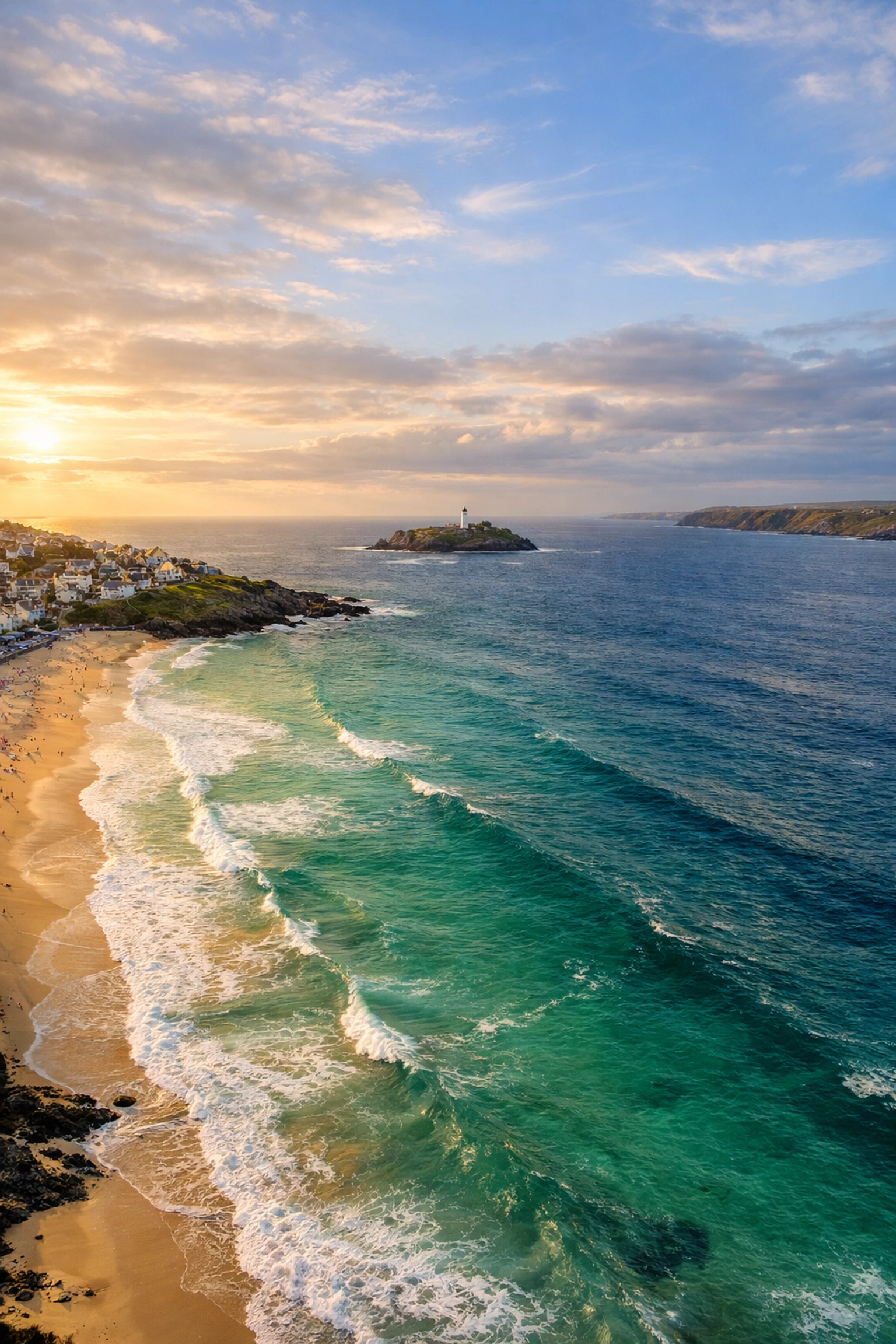
St Ives has long been a crown jewel of the Cornish coastline, drawing artists, surfers, and families to its turquoise waters and golden sands for generations. However, in recent years, the town has become the focal point for a different kind of gathering. Families are increasingly looking to this iconic destination as the setting for a final farewell. As we reconsider how we honor those we have lost, ashes scattering by drone is emerging as a preferred choice for those seeking a balance between tradition and innovation.
The shift toward aerial memorials is not just about technology: it is about the emotional experience of the ceremony. While traditional land-based scattering remains common, the geographical and logistical challenges of the Cornish coast often make a professional drone service a more dignified alternative. Whether you are considering the crashing waves of Porthmeor Beach or the calmer reaches of Porthminster, understanding why this method is gaining popularity can help you make an informed decision for your loved one.
The Timeless Appeal of the Cornish Coastline
St Ives regularly features at the top of the 100 Best UK Beaches lists, and for good reason. The clarity of the light and the purity of the Atlantic air create an atmosphere that feels both expansive and intimate. For many, Cornwall represents a place of happy memories, childhood holidays, and a deep connection to the natural world.
When families decide on scattering ashes, they often look for a location that reflects the personality of the deceased. A person who loved the sea, or someone who found peace in the rhythm of the tides, is naturally drawn back to the coast. However, the very popularity of St Ives can create obstacles. On a bright summer day, the beaches are bustling with activity, making a private, quiet moment difficult to achieve on the shore. This is where the transition to an aerial perspective changes the dynamic of the memorial.
Understanding the Modern Approach to Memorials
The way we grieve is evolving. Research published in the Journal of Palliative Medicine (2018) suggests that personalized rituals play a crucial role in the grieving process, helping survivors find a sense of meaning and continuity. Traditional funerals are increasingly being supplemented or replaced by "celebrations of life" that take place months after the initial passing, often in a location that held significance for the individual.
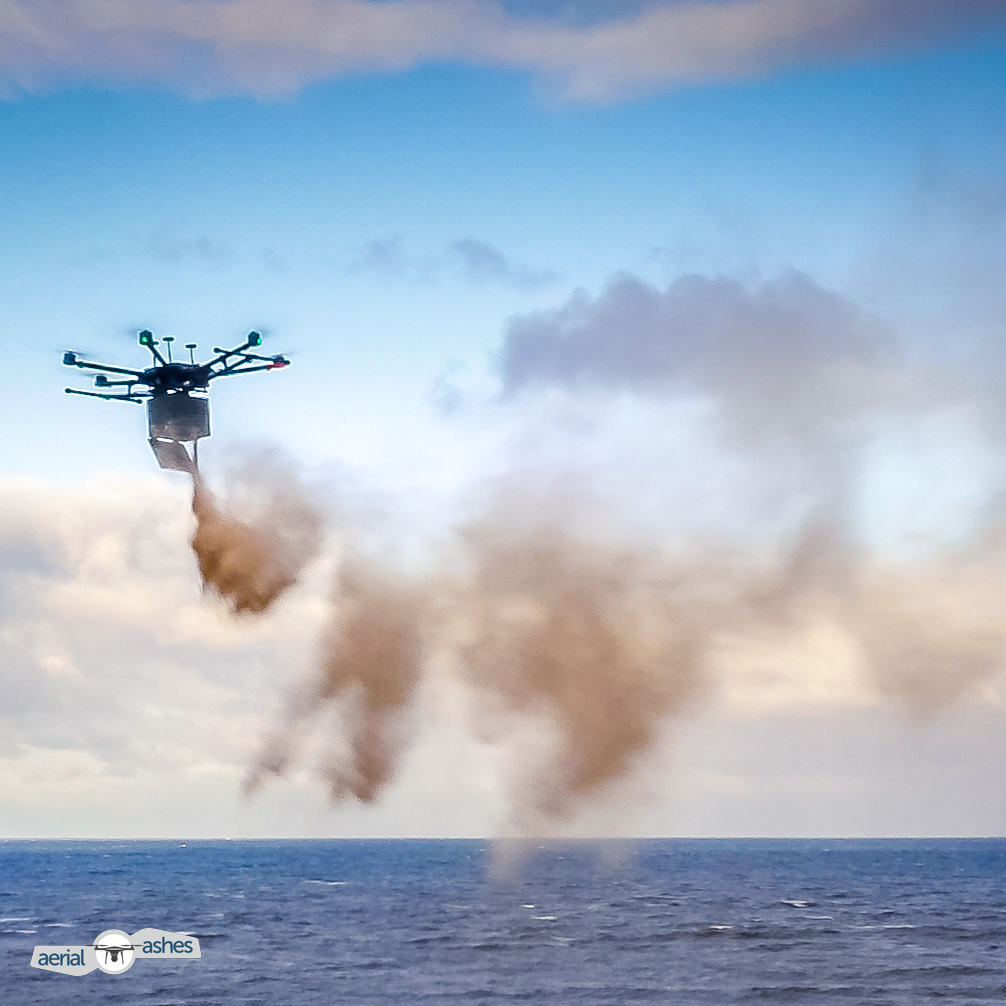
Ashes scattering by drone allows for a level of precision and beauty that is difficult to replicate by hand. Instead of being restricted to the tide line or a windy cliff edge, the ceremony can take place several hundred meters out over the ocean. This creates a powerful visual moment: a gentle release of ashes that catch the light before returning to the sea. It transforms a logistical task into a choreographed event that family members can witness together from the safety and comfort of the beach.
The Science of Closure and Blue Spaces
There is a scientific reason why we find the sea so healing during times of loss. The concept of "Blue Spaces" has been widely studied by environmental psychologists. According to a study in the Journal of Environmental Psychology (2014), proximity to water can significantly reduce stress and improve mental well-being.
For a family standing on the sands of St Ives, watching a drone carry their loved one toward the horizon provides a focal point for their collective grief. This "aerial release" symbolizes a letting go that is both literal and metaphorical. The vastness of the Atlantic provides a sense of perspective, helping individuals process the enormity of their loss within the context of the natural world's enduring cycles.
Comparing DIY Hand-Scattering with Drone Technology
Many people initially consider a DIY approach to scattering ashes. While this is a deeply personal choice, it is important to be aware of the practical challenges, particularly in a coastal environment like Cornwall.
- The Wind Factor: Coastal winds are unpredictable. Hand-scattering from a cliff or the water's edge often results in the ashes blowing back toward the mourners or sticking to clothing, which can be a distressing experience during a sensitive moment.
- Public Privacy: St Ives is a popular tourist destination. Finding a private spot on the beach for a ceremony can be challenging. A drone allows the actual dispersal to happen away from the crowds, maintaining the dignity of the event.
- Physical Accessibility: Some of the most beautiful spots in St Ives require navigating steep paths or uneven rocks. Using a professional service ensures that all family members, including those with limited mobility, can participate from an accessible vantage point on the shore.
- Distribution: When ashes are scattered by hand, they often fall in a single concentrated area. A drone ensures an even, fine dispersal over a wider area of water, which is more aesthetically pleasing and environmentally sensitive.
For more detailed advice on planning a shore-based event, you can view our Beach Scattering Guide.
Navigating the Legal and Environmental Landscape
One of the reasons people are turning to professional services is the peace of mind regarding regulations. While the UK is generally permissive regarding the scattering of ashes, there are specific guidelines to follow, especially in protected coastal areas or National Parks.
- Landowner Consent: You generally need the permission of the landowner where you are standing.
- Environmental Agency Guidelines: Ashes should not be scattered near water extraction points or in a way that affects local wildlife.
- Drone Regulations: Operating a drone for a memorial service is a commercial activity. It requires a licensed pilot with permission from the Civil Aviation Authority (CAA).
We take care of these logistical hurdles, ensuring that the ceremony is both legal and respectful of the local environment. You can read more about the specific requirements in our Legal Guide.

The Environmental Impact of Scattering Ashes
Ashes are primarily composed of calcium phosphate and various minerals. In small quantities, they are not harmful to the marine environment. However, the method of dispersal matters. Hand-scattering can sometimes lead to concentrated "clumps" of ash on the seabed or surface.
The technology used by Aerial Ashes Matt ensures that the ashes are released as a fine mist. This facilitates rapid integration with the water and minimizes any impact on local marine life. As we become more conscious of our ecological footprint, even in death, this environmentally responsible approach is a significant factor for many families.
Choosing the Right Location in St Ives
St Ives offers several distinct locations, each with its own character:
- Porthmeor Beach: Facing the Atlantic, this beach is known for its rugged beauty and crashing surf. It is ideal for those who had a wilder, more adventurous spirit.
- Porthminster Beach: With its calmer waters and views toward Godrevy Lighthouse, this location offers a more serene and peaceful backdrop.
- The Island: For a dramatic coastal setting, the grassy slopes near St Nicholas Chapel provide an elevated view of the drone’s flight path over the bay.
Regardless of the specific spot, the drone can fly out to a distance where the ceremony feels private and isolated from the daily life of the town. This allows you to focus entirely on the memory of your loved one.
Why Professional Involvement Matters
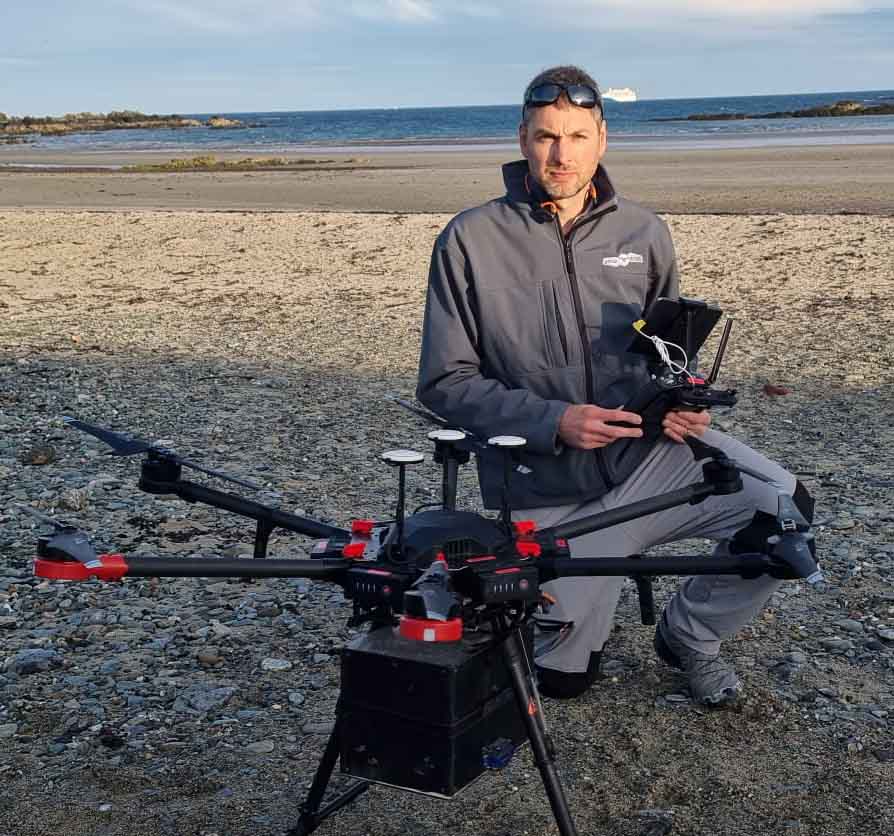
When you choose a professional service, you are not just hiring a drone pilot: you are engaging a team that understands the weight of the occasion. A memorial is a "one-shot" event; there are no second chances to get it right.
From checking weather patterns to ensuring the equipment is meticulously maintained, the focus is on reliability and dignity. This professional oversight allows the family to step back from the logistics and simply "be" in the moment. Many find that this removes the anxiety often associated with the practicalities of scattering ashes, allowing for a more profound emotional experience.
A Final Farewell with National Recognition
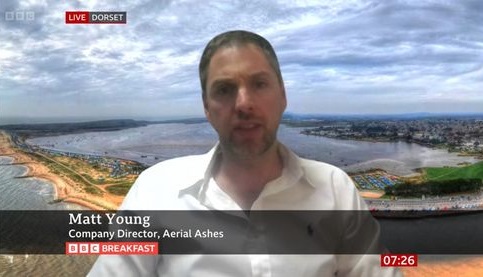
The interest in drone-based memorials has grown to the point of national attention. Our work has been featured in various media outlets, highlighting the shift in how British families are choosing to say goodbye. This recognition reflects a broader cultural acceptance of using technology to enhance, rather than detract from, the beauty of a traditional farewell.
Planning Your Ceremony in St Ives
If you are considering St Ives for a memorial, the best time to plan is during the quieter shoulder seasons: spring and autumn: when the light is soft and the beaches are less crowded. However, our services operate year-round, provided the weather conditions are safe for flight.
To begin planning, consider the following steps:
- Discuss the idea with family members to ensure everyone is comfortable with the aerial method.
- Select a date that holds significance, or choose a time when the Cornish weather is typically at its most stable.
- Reach out to discuss the specific location in St Ives that means the most to you.
We are here to help you navigate these choices and ensure that the final tribute is as beautiful and unique as the life it celebrates. For more information on our services across the UK, you can visit our homepage.
Summary of Benefits
- Dignity: Avoids the "blow-back" and logistical awkwardness of hand-scattering.
- Beauty: Creates a stunning visual tribute over the ocean.
- Access: Allows everyone to participate from the shore, regardless of physical ability.
- Environment: Ensures a fine, wide dispersal that respects the marine ecosystem.
- Peace of Mind: Handled by licensed professionals who manage all legal and technical requirements.
References
- Journal of Palliative Medicine (2018). "The Role of Ritual in Grieving and Personal Recovery."
- Journal of Environmental Psychology (2014). "Blue Space: The mental health benefits of being near water."
- Civil Aviation Authority (CAA). "Regulations for Small Unmanned Aircraft (SUA) in Commercial Operations."
We're Online! How may I help you today?