 UK
UK
 Hawaii
 USA
USA

Ashes Scattering at Sidmouth Beach: A Serene Regency Farewell in Devon
Ashes Scattering at Sidmouth Beach: A Serene Regency Farewell in Devon
Sidmouth is a town where time seems to slow down, allowing the natural beauty of the Devon coastline to take center stage. Known for its striking red Triassic cliffs and its elegant Regency architecture, this coastal gem offers a backdrop that is both grand and deeply intimate. For families considering a final farewell, Ashes scattering at Sidmouth Beach provides a sense of continuity and peace that few other locations in the UK can match.
The process of saying goodbye is rarely linear, and the environment in which we choose to release a loved one's remains plays a significant role in the healing process. Sidmouth, nestled within the Jurassic Coast UNESCO World Heritage Site, represents millions of years of history. Placing a memorial ceremony within this vast geological context can help individuals feel a sense of connection to something much larger than themselves.
The Timeless Appeal of Sidmouth Beach
Choosing Sidmouth Beach for a memorial service is often a decision rooted in a love for the town's unique character. Unlike some of the more bustling resort towns, Sidmouth has retained a dignified, quiet atmosphere that reflects its history as a fashionable retreat in the 19th century. The wide esplanade, built during the Regency period, offers a structured path for families to walk and reflect before or after a ceremony.
The geography of the beach itself is varied and evocative. To the west lies Peak Hill, and to the east stands Salcombe Hill, both towering over the valley formed by the River Sid. The beach is primarily made of pebbles, but at low tide, broad stretches of sand are revealed, providing a soft landscape against the dramatic backdrop of the red cliffs. These cliffs are composed of Otter Sandstone, which dates back over 200 million years. This sense of permanence and ancient history provides a comforting contrast to the transience of life.
Why the Sea Offers Profound Healing
There is a growing body of research exploring why we are drawn to water during times of grief. Research shows that proximity to the ocean can significantly alter our neurological state, shifting us into what experts call a meditative or reflective mode. A study published in the Journal of Environmental Psychology (2010) suggests that "blue spaces," such as coastal environments, are more effective at reducing psychological distress than "green spaces" like parks or forests.
According to a study published in the Journal of Palliative Medicine, the ritual of scattering ashes provides a crucial "meaning-making" moment for the bereaved. This act of releasing a loved one into the elements allows for a symbolic transition. Marine biologist and researcher Dr. Wallace J. Nichols has written extensively about the Blue Mind effect, describing how the sight and sound of water trigger the release of dopamine and serotonin while lowering cortisol levels. For those in the midst of mourning, the rhythmic sound of waves at Sidmouth can provide a natural, calming soundtrack to a difficult day.
The Challenges of DIY Ashes Scattering
While the idea of a family member scattering ashes by hand may seem appealing, the practical reality at Sidmouth Beach can be challenging. The very features that make the beach beautiful, such as the towering cliffs and the sea breeze, can create unpredictable conditions for a traditional release.
- Wind Interference: Coastal winds are notoriously fickle. A sudden gust can cause ashes to blow back toward the family, which can be a distressing experience during an emotional ceremony.
- Terrain Accessibility: Reaching the water's edge at certain tides or near the foot of the cliffs like Jacob's Ladder can be difficult for family members with limited mobility.
- Privacy Concerns: As a popular destination, the esplanade and main beach areas often have onlookers. Finding a truly private, dignified moment to scatter ashes from the shore can be difficult.
- Environmental Impact: While ashes are natural, concentrated deposits in one small area of the shoreline can be disruptive to local micro-ecosystems.
Drone Ash Scattering: A Serene Solution
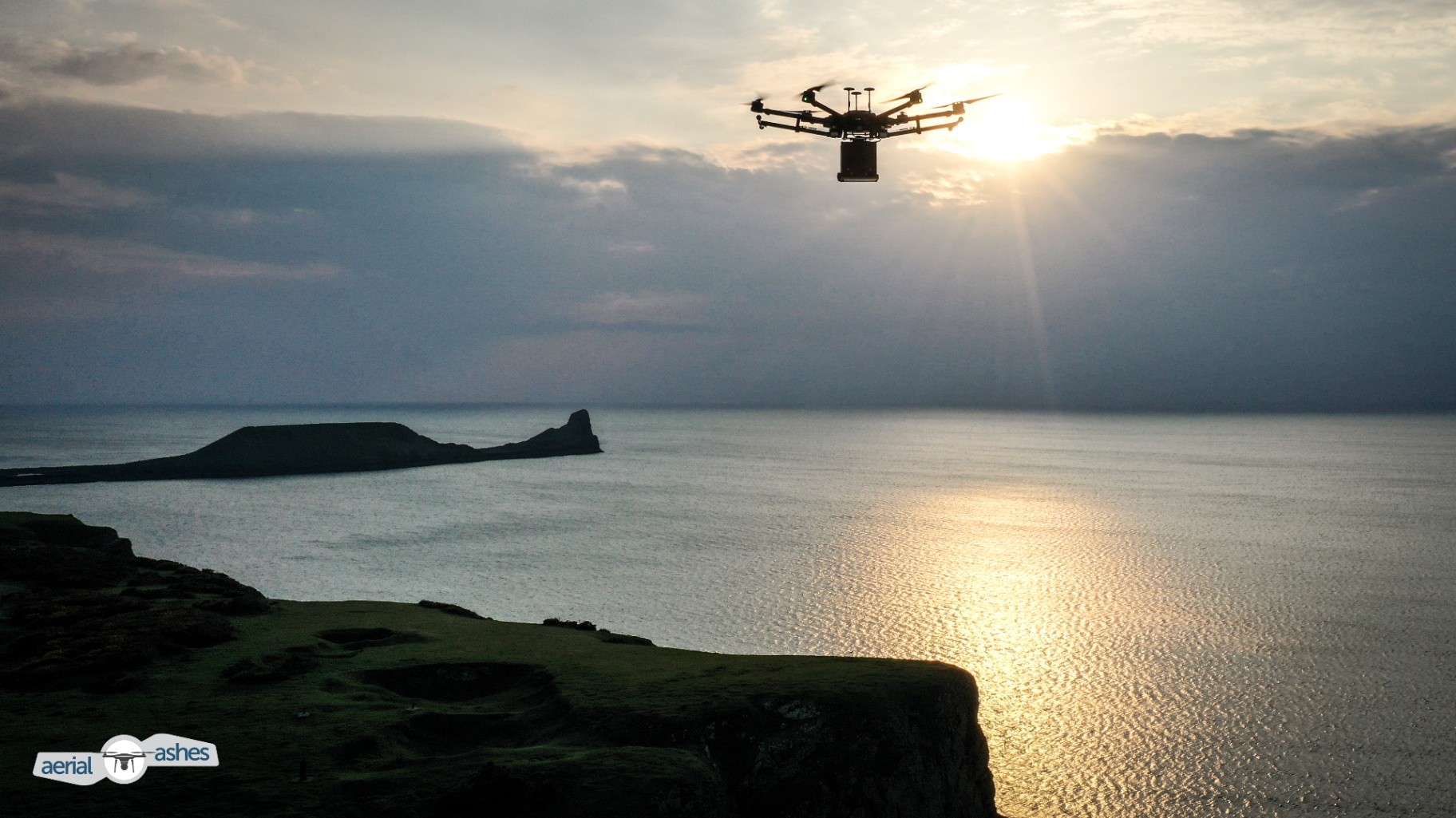
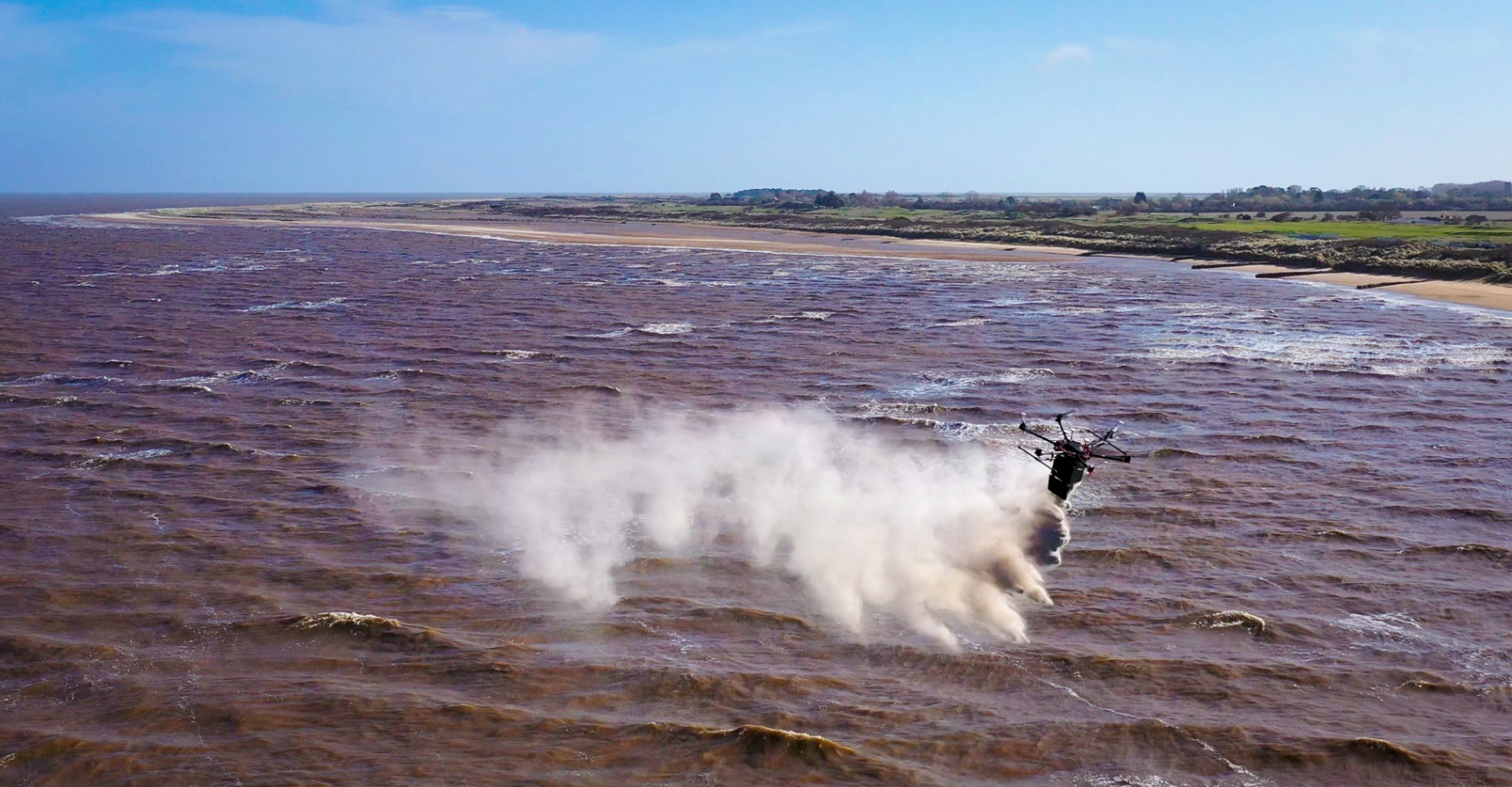
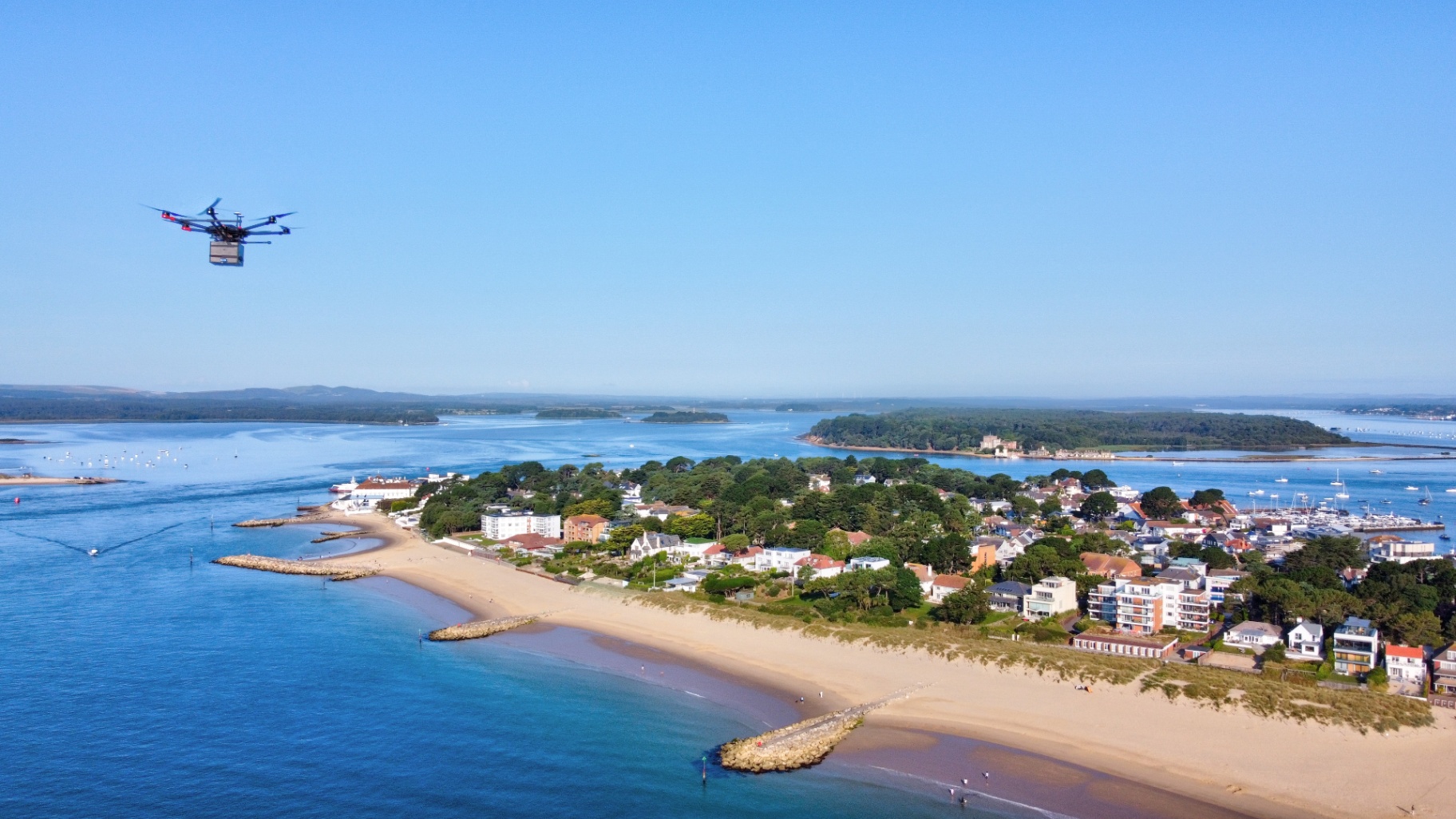
At Aerial Ashes Matt, we provide a way to overcome these physical hurdles through our cremated ashes scattering service. By using advanced drone technology, we can lift the ashes high above the waves, ensuring a graceful and even release that is entirely unaffected by ground-level wind or terrain obstacles.
This method allows the family to remain together on the shore, perhaps standing on the esplanade or near the Connaught Gardens, watching the ceremony from a comfortable and safe distance. The drone carries the ashes out over the sea, releasing them in a fine mist that catches the light before settling into the water. This perspective: viewing the release from below as it happens against the vast horizon: is often described by families as incredibly moving and serene.
Documenting the Moment: Drone Video Capture
One of the most significant benefits of using drone technology is the ability to record the event. Many families find that the day of a memorial passes in a blur of emotion. By filming the ceremony, we provide a permanent record of the farewell.
Our service includes optional filming of the ceremony, which is then edited into a professional video. This footage captures the drone’s flight path over the red cliffs of Sidmouth, the release of the ashes, and the beautiful Devon landscape. For family members who cannot be present in person, we also offer live streaming services. This ensures that no matter where they are in the world, they can witness the moment of release in real-time, fostering a shared sense of closure.
Technical Aspects and Environmental Responsibility
It is important to understand what happens when ashes meet the sea. Cremated remains are primarily composed of calcium phosphate and other minerals. This means that when they are dispersed over the ocean, they do not introduce foreign chemicals into the water. Instead, they provide minerals that are naturally occurring in the marine environment.
Because our drones release the ashes in a controlled, aerial manner, the dispersal is much wider than a manual scattering. This ensures that the remains are integrated into the sea naturally and quickly. We take our environmental responsibility seriously, ensuring all flights are conducted with the utmost respect for local wildlife and coastal regulations. As we are licensed by the Civil Aviation Authority, you can be certain that every ceremony is conducted safely, legally, and professionally.
Planning Your Farewell at Sidmouth
When planning a ceremony at Sidmouth, there are several factors to consider. The weather in Devon can be changeable, but our team handles all the logistics. We monitor weather patterns closely and coordinate with local authorities to ensure we have the necessary permissions for the flight.
You might choose to scatter ashes over a specific spot that held meaning, such as the area near the River Sid mouth or further out toward the deeper waters of the English Channel. If your loved one had a partner who has also passed, our Together Forever Service allows for the ashes of two people to be scattered simultaneously, reuniting them in a final, beautiful gesture.
Families often choose to pair the drone ceremony with a small gathering at the Connaught Gardens, which offer stunning views over the beach and the cliffs. The combination of the manicured gardens and the wild, natural coastline creates a balanced atmosphere for reflection and celebration of life.
Finding Closure on the Devon Coast
The act of scattering ashes is more than just a disposal of remains: it is a final act of love. By choosing a location as historically and naturally significant as Sidmouth Beach, you are creating a lasting memory that can be revisited for years to come. The sight of the red cliffs and the sound of the Devon sea will always be linked to your loved one, providing a place of pilgrimage and peace.
If you are considering how best to honour a loved one in Devon, we invite you to learn more about our services or explore our inspiration gallery to see how other families have found peace through aerial scattering. We are here to handle the details so that you can focus on the emotional significance of the day.
References
- Nichols, W. J. (2014). Blue Mind: The Surprising Science That Shows How Being Near, In, On, or Under Water Can Make You Happier, Healthier, More Connected, and Better at What You Do.
- White, M. P., et al. (2010). Blue space: The importance of water for preference, affect, and restorativeness ratings of natural and built scenes. Journal of Environmental Psychology.
- Casarett, D., et al. (2001). Ritual and the end of life. Journal of Palliative Medicine.
We're Online! How may I help you today?