 UK
UK
 Hawaii
 USA
USA

Looking for a Serene Way of Scattering Ashes? Here are 10 Things You Should Know About Holywell Bay
Looking for a Serene Way of Scattering Ashes? Here are 10 Things You Should Know About Holywell Bay
Finding a final resting place for a loved one is a journey that often begins long before the actual ceremony. It starts with a quiet conversation or a long-held wish to return to the elements. For many families, this process involves keeping a decorative urn or a simple wooden box on a shelf for months, or even years, as they wait for the "right" moment. This phenomenon, often called the ashes on the shelf, can carry a subtle weight of guilt. You want to fulfill a final wish, yet the logistics of finding a location that feels both private and grand can feel overwhelming.
Cornwall offers some of the most breathtaking landscapes in the United Kingdom for these moments of transition. Holywell Bay, located just a few miles west of Newquay, stands out as a premier destination for those seeking a peaceful memorial. Its expansive sands and iconic offshore rocks provide a sense of permanence and scale that few other beaches can match. If you are considering scattering ashes at this stunning location, there are several practical and emotional factors to keep in mind.
1. The Majesty of the Twin Rocks
When you stand on the shore at Holywell Bay, your eyes are immediately drawn to the two massive sea stacks rising from the Atlantic. Known locally as the Twin Rocks or Gull Rocks, these landmarks provide a powerful focal point for any memorial service. They represent stability and endurance amidst the ever-changing tides.
In a study published in the Journal of Environmental Psychology (Korpela et al., 2010), researchers found that natural "restorative" environments can significantly aid in emotional regulation and stress reduction. Having a permanent geographical marker like the Twin Rocks allows families to look out at a specific point during the ashes scattering and know exactly where their loved one has returned to the sea. It transforms a vast ocean into a personal, identifiable place of remembrance.

2. Navigating the National Trust Landscape
Much of the land surrounding Holywell Bay, including the towering sand dunes, is managed by the National Trust. This stewardship ensures the area remains pristine and free from commercial over-development. While the beach is open to the public, it is important to respect the conservation efforts in place.
If you are planning a large gathering, it is a good idea to check for any local events or maintenance work. However, for a simple and dignified drone ash scattering ceremony, the beach provides plenty of space to find a quiet corner away from the main footpaths. Respecting the land is part of the memorial process, ensuring that the beauty that drew you to the location remains for future generations.
3. Understanding Environment Agency Guidelines
One of the most common concerns for families is whether they need legal permission for scattering ashes. According to the Environment Agency, you generally do not need a formal permit to scatter cremated remains at sea or on the tide line in the UK. The primary requirement is that the process does not impact the environment or other people.
This means ensuring that only the ashes are released. Items like plastic wreaths, non-biodegradable urns, or personal tokens should not be cast into the water. By following these simple rules, you contribute to the health of the Cornish coast while fulfilling your loved one’s final wishes.
4. The Challenge of the "DIY" Scattering
Many families initially attempt a "do-it-yourself" ceremony. They walk down to the water’s edge, hoping for a cinematic moment of release. Unfortunately, this is often where the DIY that went wrong occurs. Wind is the most unpredictable factor on the Cornish coast. A sudden gust can turn a peaceful moment into a distressing experience, with ashes blowing back onto family members or sticking to clothing.
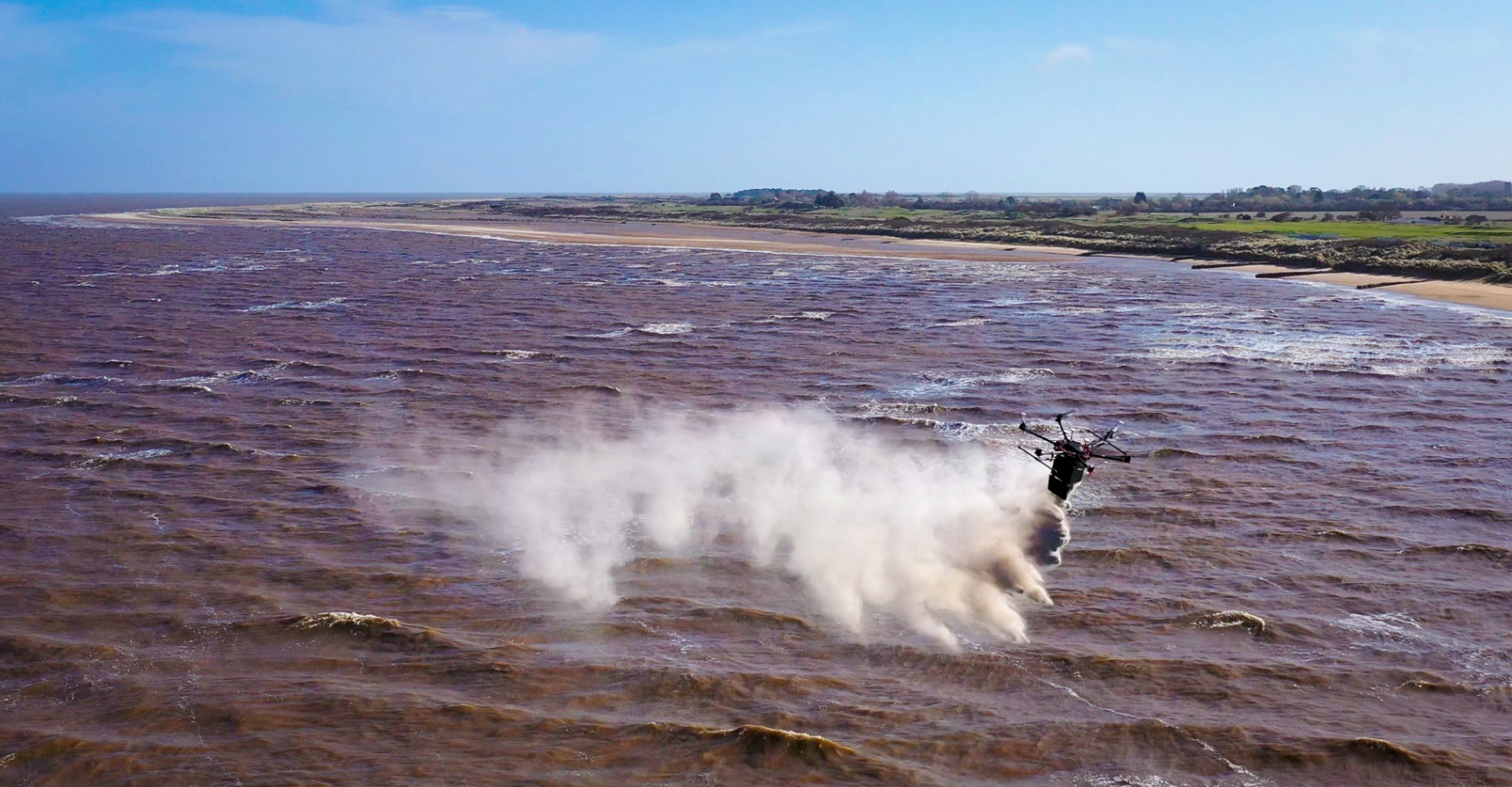
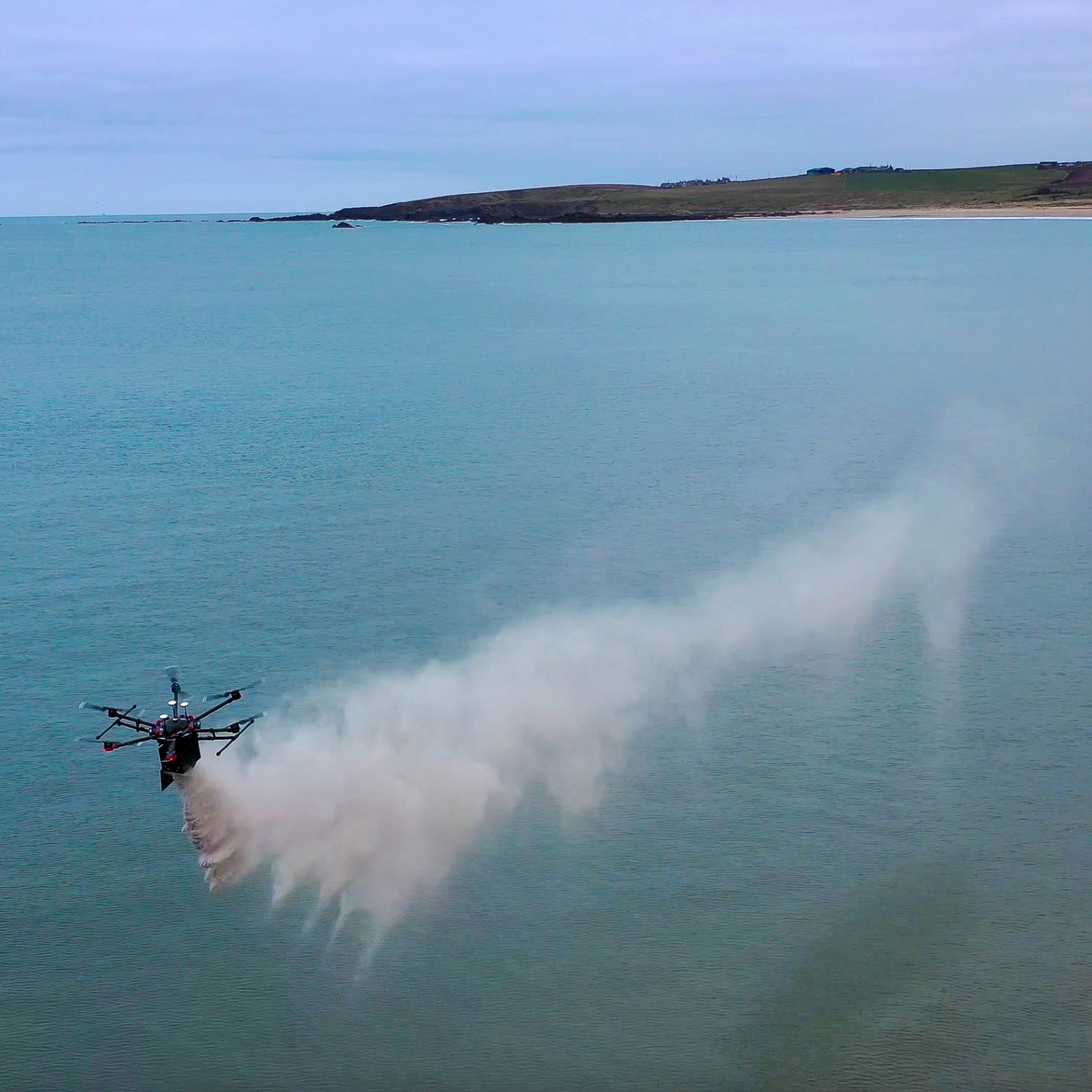
Using a professional drone ash scattering service eliminates this risk. A drone can fly out over the surf, well away from the shore, and release the ashes at a controlled height. This ensures a clean, graceful dispersal that looks beautiful and feels dignified. It moves the experience from a risky manual task to a choreographed tribute.
5. Timing with the Atlantic Tides
Holywell Bay is a tidal beach, and its character changes dramatically depending on the water level. At high tide, the beach can become narrow, pushing visitors toward the dunes. At low tide, a vast expanse of golden sand is revealed, offering more privacy and a closer connection to the Twin Rocks.
Always consult a local tide table before setting a date. A receding tide is often preferred for those standing on the shore, as the water naturally carries the remains out to sea. If you use a drone, the tide is less of a physical barrier, but the visual impact of the waves crashing against the rocks is often most spectacular when the tide is mid-way.

6. Accessibility and Inclusion for the Whole Family
Grief does not always wait for everyone to be in peak physical health. The sand dunes at Holywell Bay are famous for their height and beauty, but they can be a significant obstacle for elderly family members or those with mobility issues. The walk from the car park to the water’s edge can be strenuous.
One of the greatest benefits of a drone ash scattering ceremony is that it allows everyone to participate from a comfortable vantage point. Family members can stand on the firmer ground at the edge of the beach or even watch from a nearby accessible path while the drone performs the service over the water. This inclusivity ensures that no one is left behind during such a pivotal family moment. You can learn more about our approach to making these moments accessible for everyone.
7. The Environmental Science of the Sea
It is comforting to know that scattering ashes is an environmentally responsible choice. Cremated remains are essentially bone calcium and phosphates. When dispersed in the ocean, these minerals are safe for marine life and eventually become part of the natural sea floor.
Research indicates that the sea is an incredibly efficient environment for returning nutrients to the earth. By choosing a location like Holywell Bay, you are participating in a natural cycle that has existed for millennia. This scientific reality can provide a sense of "eco-relief," knowing that the ceremony is helping, rather than harming, the Cornish ecosystem.
8. Respecting Local Wildlife
The Cornish coast is a living landscape. Holywell Bay is home to various seabirds, and it is not uncommon to see seals bobbing in the waves further out. When performing a memorial, it is crucial to minimize disturbance to these creatures.
Professional drone pilots are trained to observe wildlife and maintain a respectful distance. This ensures that the ceremony does not cause stress to nesting birds or local marine mammals. A peaceful ceremony should coexist with the natural world, leaving the habitat exactly as you found it.
9. Finding Relief from the "Ashes on the Shelf"
There is a specific kind of peace that comes from finally letting go. Many people hold onto ashes because they feel the responsibility of the "perfect" send-off is too heavy to carry. According to a study in the Journal of Palliative Medicine (Casarett et al., 2001), the act of a memorial ceremony can be a crucial step in the "meaning-making" process of grief.
By choosing a professional service at a location like Holywell Bay, you shift the burden from your shoulders to a structured, beautiful plan. The relief of knowing the task is done, and done well, allows you to move forward with your own life while keeping the memory of your loved one in a place of natural beauty. If you're wondering if the time is right, you can read more about being ready to scatter.
10. A Place to Return to
One of the most profound benefits of Holywell Bay is that it is a place you can revisit. Unlike a private garden or a specific plot of land that might change hands, the Cornish coast is a permanent fixture. Years from now, you can return to the dunes, look out at the Twin Rocks, and find a sense of connection.
This "place-attachment" is a well-documented part of healthy grieving. It provides a geographical anchor for memories. Whether you visit on a bright summer day or a moody autumn afternoon, the landscape remains a witness to your farewell.
Planning Your Memorial at Holywell Bay
The decision to scatter ashes is deeply personal. It requires a balance of emotional readiness and practical planning. Holywell Bay offers the perfect canvas for a serene, dignified farewell. Its combination of natural grandeur and ecological safety makes it one of the most sought-after locations in Cornwall.
If you are feeling the weight of those ashes on the shelf, perhaps it is time to consider the freedom of the coast. A professional drone ceremony can provide the dignity and precision that a DIY attempt simply cannot match. It ensures that your last act for your loved one is as beautiful as the life they lived.
Frequently Asked Questions
- Can we scatter ashes anywhere on the beach?
It is best to aim for the tide line or over the water to ensure the remains are carried away by the sea. - Is the drone loud?
Modern drones are relatively quiet, and once they are at altitude over the water, the sound of the Atlantic waves usually masks the motors entirely. - What if the weather is bad?
Cornish weather is famous for its rapid changes. We monitor forecasts closely and will always prioritize safety and the quality of the ceremony, rescheduling if necessary to ensure a serene experience.
Choosing a location like Holywell Bay is about more than just a beautiful view: it is about finding a place that matches the magnitude of your loss. We are here to help you navigate those choices and provide a service that honors your loved one with the respect they deserve.
References:
- Casarett, D., Knebel, A., & Tartsky, M. (2001). Journal of Palliative Medicine. "Defining the Landscape of End-of-Life Care."
- Korpela, K., Ylén, M., Tyrväinen, L., & Silvennoinen, H. (2010). Journal of Environmental Psychology. "Favorite places, restorative experiences and self-regulation."
We're Online! How may I help you today?