 UK
UK
 Hawaii
 USA
USA
Looking For a Serene Memorial? Here Are 10 Things You Should Know About Scattering Ashes at St Ives
Looking For a Serene Memorial? Here Are 10 Things You Should Know About Scattering Ashes at St Ives
The process of saying goodbye often begins long before the final farewell. For many families in the UK, the weight of grief is compounded by the practical question of what to do with a loved one's cremated remains. It is a common experience to find ourselves with the ashes on the shelf, tucked away in a cupboard or sitting on a mantelpiece. This often happens because the idea of a traditional burial feels too heavy, yet the alternative of a DIY scattering feels too risky or disorganized. You might worry about the wind blowing the ashes back or the location being too crowded for a private moment.
Moving from this state of hesitation to a sense of relief requires a plan that honors the memory of the deceased while respecting the natural beauty of the environment. St Ives, with its turquoise waters and artistic heritage, offers a peaceful backdrop for such a transition. Whether you are considering a tribute for a family member or looking into memorial services for pets, understanding the nuances of this coastal town is essential.
Research published in the Journal of Palliative Medicine (Casarett et al., 2001) suggests that the environment in which a memorial takes place significantly impacts the long-term psychological healing of the bereaved. A serene, natural setting can facilitate a more positive "meaning-making" process. Here are ten crucial things you should know about scattering ashes at St Ives.
1. The Unique Geography of St Ives Bay
St Ives is not just one beach: it is a collection of distinct coastal environments. From the vast sands of Hayle to the sheltered coves near the town center, the geography dictates the atmosphere of your ceremony. The bay faces northeast, which provides a level of protection from the prevailing southwesterly winds. This makes it one of the more reliable locations on the Cornish coast for a calm memorial.
Choosing the right spot within the bay is the first step in moving from uncertainty to a clear vision. You might prefer the iconic backdrop of Godrevy Lighthouse or the hidden tranquility of Seal Island. Each location offers a different perspective of the Atlantic, allowing for a personalized connection to the landscape.
2. Legal Permissions and Environmental Guidelines
In the UK, there are no specific laws that prohibit scattering ashes in the sea. However, the Environment Agency provides guidelines to ensure that the process does not harm marine life or local ecosystems. It is important to ensure that anything released alongside the ashes, such as floral tributes, is fully biodegradable.
Using a professional service ensures that these regulations are followed to the letter. This removes the legal guesswork from your shoulders, allowing you to focus entirely on the emotional significance of the day. You can find more information about our commitment to these standards on our main website.
3. Why Drone Ash Scattering is Gaining Popularity
While boat-based ceremonies have been the standard for decades, drone ash scattering offers a modern, dignified alternative. Many families find that a boat can be restrictive: sea sickness, limited accessibility for elderly relatives, and the close proximity of the vessel to the water can sometimes detract from the peace of the moment.
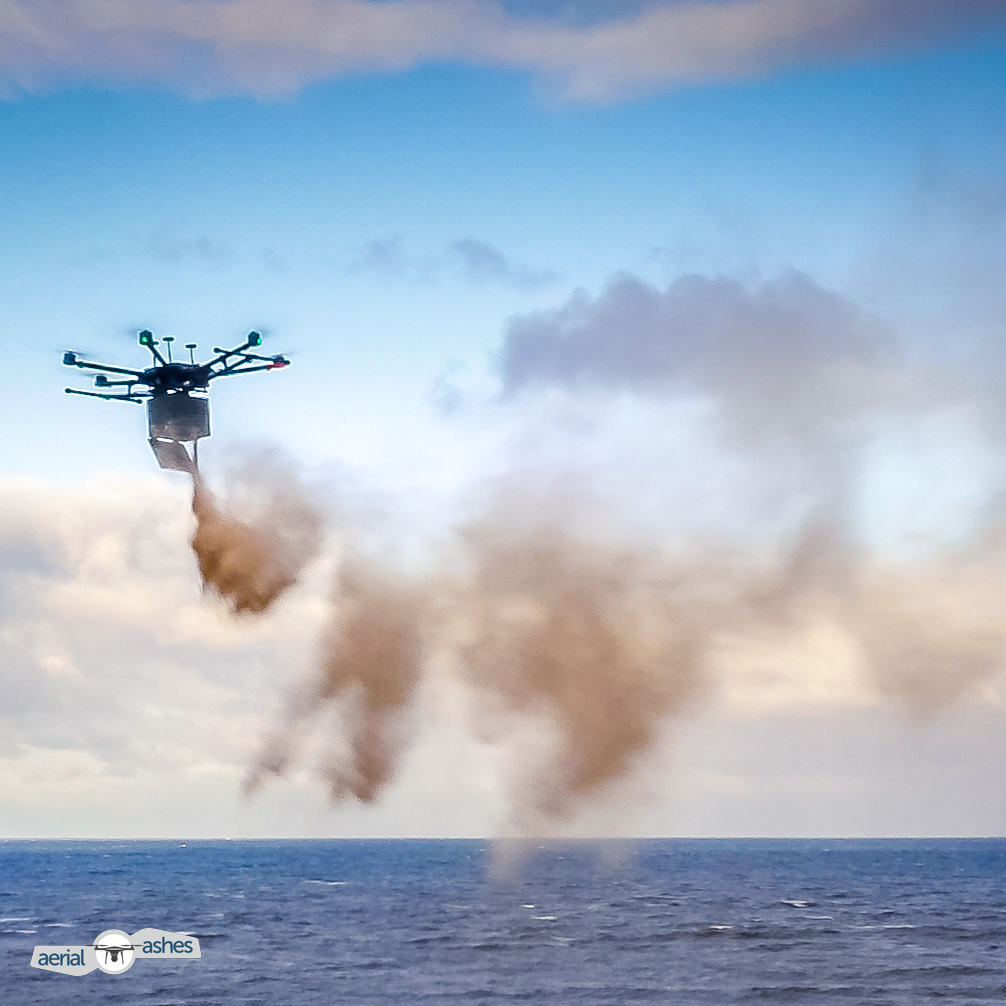
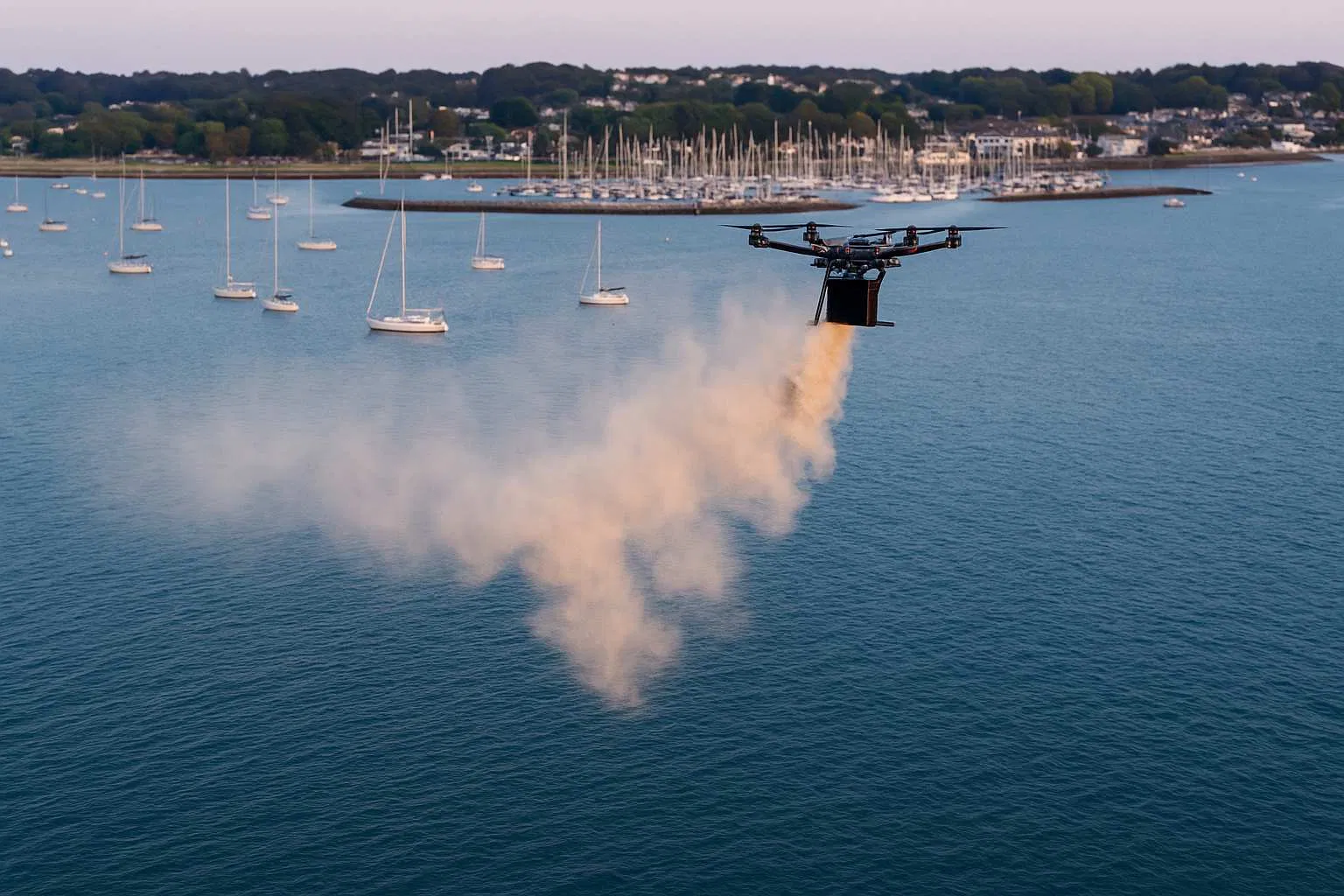
A drone allows the ashes to be released from a higher vantage point, creating a beautiful, ethereal "veil" as they meet the wind and water. This method provides a clear visual representation of "letting go." It also allows family members to stay together on the shore, firmly on solid ground, while watching the ceremony take place over the waves.
4. Avoiding the DIY That Went Wrong
We often hear stories of families who attempted a private scattering on a windy day, only to have the experience ruined by unpredictable gusts. This is often referred to as the DIY that went wrong. When ashes are scattered by hand at the water's edge, there is a high risk of the remains being blown back onto participants or getting caught in the surf in an undignified manner.
By using a professional drone service, you eliminate these variables. The technology is designed to release the ashes at a specific altitude and heading, ensuring they disperse evenly and drift out to sea as intended. This precision transforms a potentially stressful event into a smooth, professional tribute. If you are still deciding on the best approach, you might ask yourself: are you ready to scatter your loved one's ashes?
5. The Psychological Benefit of Ritual
Studies in the Journal of Traumatic Stress (Sveen & Berg, 2013) indicate that structured rituals are vital for processing loss. A ceremony at St Ives provides a physical marker for the end of one journey and the beginning of another. It moves the deceased from a container in your home back into the natural cycle of the world.
The act of traveling to Cornwall, gathering the family, and witnessing the release provides a sense of "closure" that is often missing when ashes remain on a shelf. The vastness of the ocean serves as a powerful metaphor for the enduring nature of memory.
6. Managing Weather and Tide Conditions
The Cornish coast is beautiful but can be unpredictable. When planning a ceremony in St Ives, the tide plays a significant role. At high tide, some beaches disappear entirely, while at low tide, the vast expanses of sand can make reaching the water's edge a long walk.
Professional operators monitor meteorological data closely. This includes wind speed, precipitation, and sea swell. Because our drones are high-performance machines, they can operate in conditions where a small boat might struggle, but there are still limits. Flexibility is key. We work with you to find the "window" of perfect weather that ensures the ceremony is as serene as possible.
7. Accessibility for the Whole Family
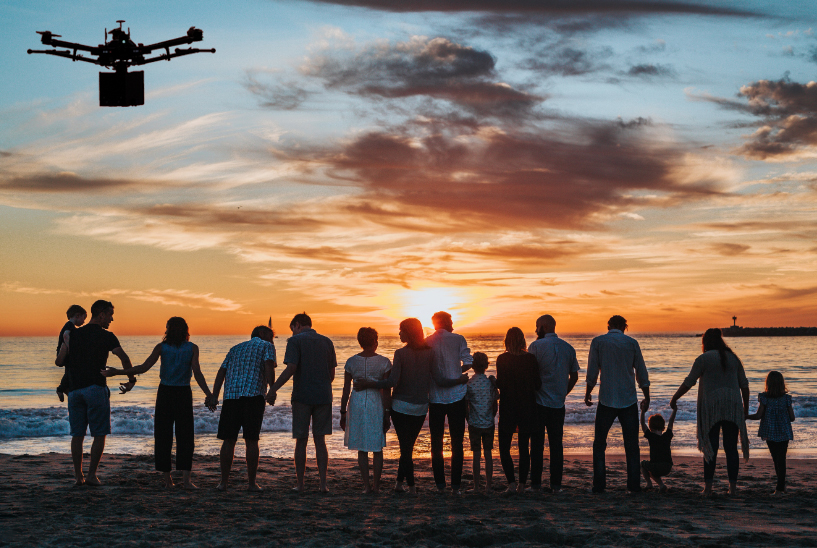
One of the greatest benefits of a shore-based drone ceremony at St Ives is accessibility. Traditional sea burials often exclude those with mobility issues or young children who might not be safe on a boat. By standing on the pier or the beach, everyone can participate equally.
This inclusivity is central to what we do at Aerial Ashes Matt. We believe that no one should be left behind due to physical limitations. You can learn more about our approach and the team behind these services on our about us page.
8. Documentation and GPS Recording
A common concern for families is that once the ashes are scattered at sea, there is no "place" to visit. To address this, we use GPS technology to record the exact coordinates of the release. This means you can return to the same spot in the future, whether by boat or by standing on the nearby cliffs, and know exactly where your loved one was honored.
This digital memorialization provides a bridge between the physical and the spiritual. It gives you a specific point on the map of St Ives Bay that will always be yours. This data can be kept in your records or shared with family members who couldn't attend on the day.
9. The Importance of Biodegradable Materials
If you choose to include a wreath or loose petals in the ceremony, they must be natural. Plastic ribbons, wire frames, or synthetic materials can harm the local dolphin and seal populations that frequent the waters around St Ives.
We recommend using native Cornish wildflowers or simple rose petals. When released from a drone alongside the ashes, these petals drift down onto the water, creating a colorful trail that marks the path of the dispersal. This visual element is often the most moving part of the entire experience.
10. Planning the Logistics
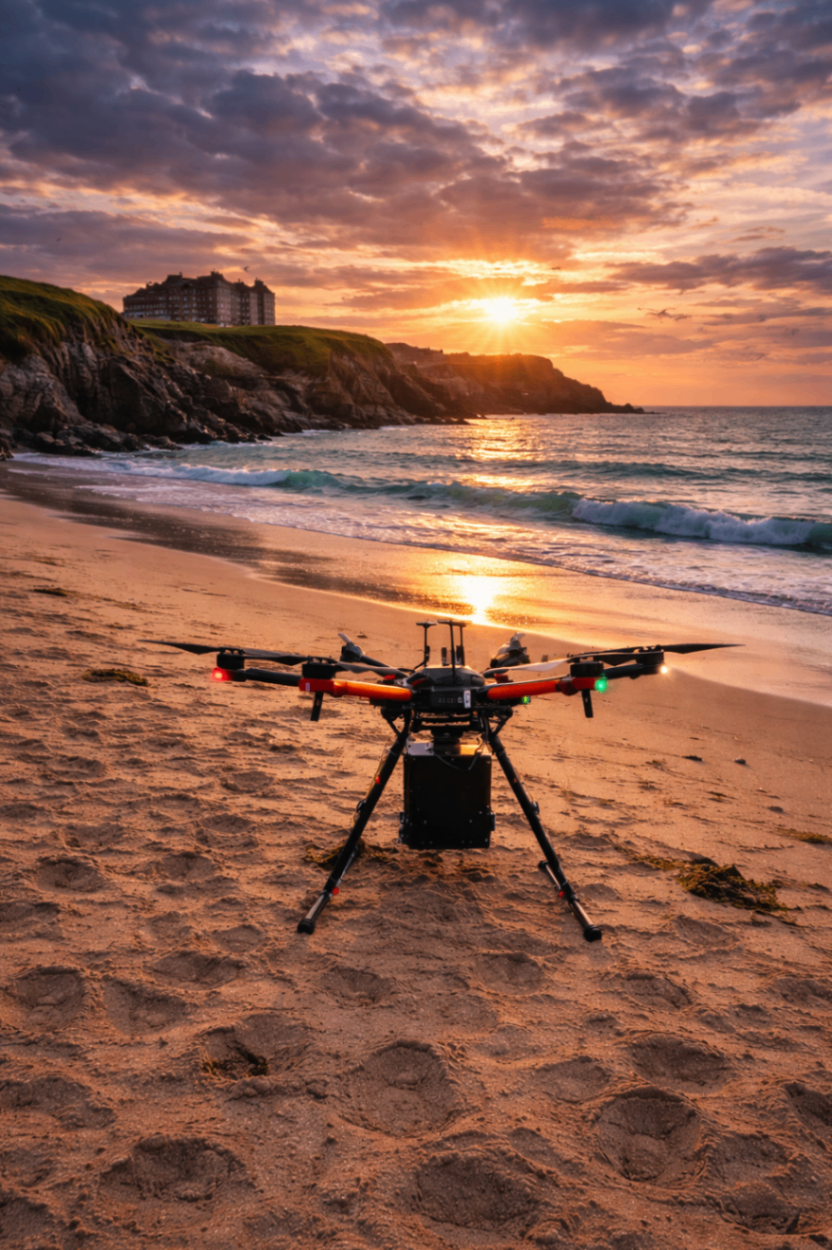
St Ives is a popular destination, especially in the summer months. To ensure a private and peaceful experience, we often recommend early morning or late evening ceremonies. The light during "golden hour" in Cornwall is legendary among artists and provides a stunning setting for photography or filming of the event.
You should also consider parking and transport, as the narrow streets of St Ives can be challenging. We often coordinate with families to meet at more accessible locations like Carbis Bay or the Lelant stretches of the coast, which offer more space and easier access for larger groups.
Moving Forward with Peace of Mind
The decision to move forward with ashes scattering is a deeply personal one. It represents a transition from holding onto the past to honoring it in a way that feels expansive and free. By choosing the professional path, you ensure that the final memory of your loved one is one of dignity, beauty, and technical precision.
St Ives is more than just a tourist destination: it is a place of profound natural power. Letting the Atlantic winds take the weight of your grief can be a transformative experience. We are here to guide you through every step of that journey, ensuring that your memorial is as unique as the life it celebrates.
If you feel you might be the right person to help other families achieve this peace, you might be interested in our business opportunities. For those ready to plan their own ceremony, we are here to listen and assist.
References
- Casarett, D., Kutney, L., & Abramson, J. (2001). Life after death: A practical guide to the terminal hours. Journal of Palliative Medicine, 4(4), 541-547.
- Klass, D., Silverman, P. R., & Nickman, S. (1996). Continuing Bonds: New Understandings of Grief. Taylor & Francis.
- Neimeyer, R. A. (2001). Meaning Reconstruction & the Experience of Loss. American Psychological Association.
- Sveen, J., & Berg, E. (2013). Rituals after loss and their impact on the grieving process. Journal of Traumatic Stress, 26(3), 399-407.
We're Online! How may I help you today?