 UK
UK
 Hawaii
 USA
USA

7 Mistakes You’re Making with Ashes Scattering at Bossiney Haven (And How to Fix Them)
Meta Description: Planning an ashes scattering at Bossiney Haven in Cornwall? Avoid these 7 common mistakes, from tide timing to wind blowback, and discover how a professional drone service ensures a dignified farewell.
7 Mistakes You’re Making with Ashes Scattering at Bossiney Haven (And How to Fix Them)
Deciding where to lay a loved one to rest is a decision heavy with emotion and significance. Many families find themselves drawn to the rugged beauty of the North Cornwall coast, specifically the hidden gem known as Bossiney Haven. It is a place where the Atlantic waves meet dramatic slate cliffs and turquoise waters, offering a sense of eternal peace. However, the transition from keeping the ashes on the shelf to performing a final act of scattering is often fraught with logistical hurdles that many do not anticipate until they are standing on the clifftop.
Grief is a complex journey, and the desire for a "perfect" send-off can sometimes lead to avoidable stress. Research published in the Journal of Palliative Medicine (Casarett et al., 2011) suggests that well-planned memorial rituals can significantly aid in the healthy processing of bereavement. When a ceremony goes wrong because of poor planning, it can leave families with feelings of regret rather than the closure they desperately seek.
If you are considering Bossiney Haven for an ashes scattering, it is essential to understand the unique challenges of this specific Cornish cove. Here are seven common mistakes families make and how you can ensure your memorial is as serene as the landscape itself.
1. Ignoring the "Disappearing" Beach
Bossiney Haven is famous for its "Elephant Rock" and its secluded atmosphere, but it is also a tidal beach. At high tide, the sandy shore completely disappears, leaving only the steep cliffs and churning water. One of the most common mistakes is arriving at the cove only to find there is nowhere to stand.
Attempting to scatter ashes from the narrow, slippery rocks during a rising tide is dangerous and undignified. To fix this, you must consult local tide tables with precision. Ideally, you want to arrive at least two hours after high tide to ensure you have enough beach space. If the logistics of timing the tide feel overwhelming, choosing a professional service can alleviate this pressure. You can plan your own ceremony now to ensure every detail, including the timing, is handled by experts.
2. Underestimating the Atlantic Wind
The North Cornwall coast is notorious for its gusty conditions. When scattering ashes manually, the wind is rarely your friend. Many families experience the "DIY that went wrong" scenario where a sudden gust catches the fine particles, blowing them back onto the mourners or their clothing. This creates a moment of distress in what should be a moment of peace.
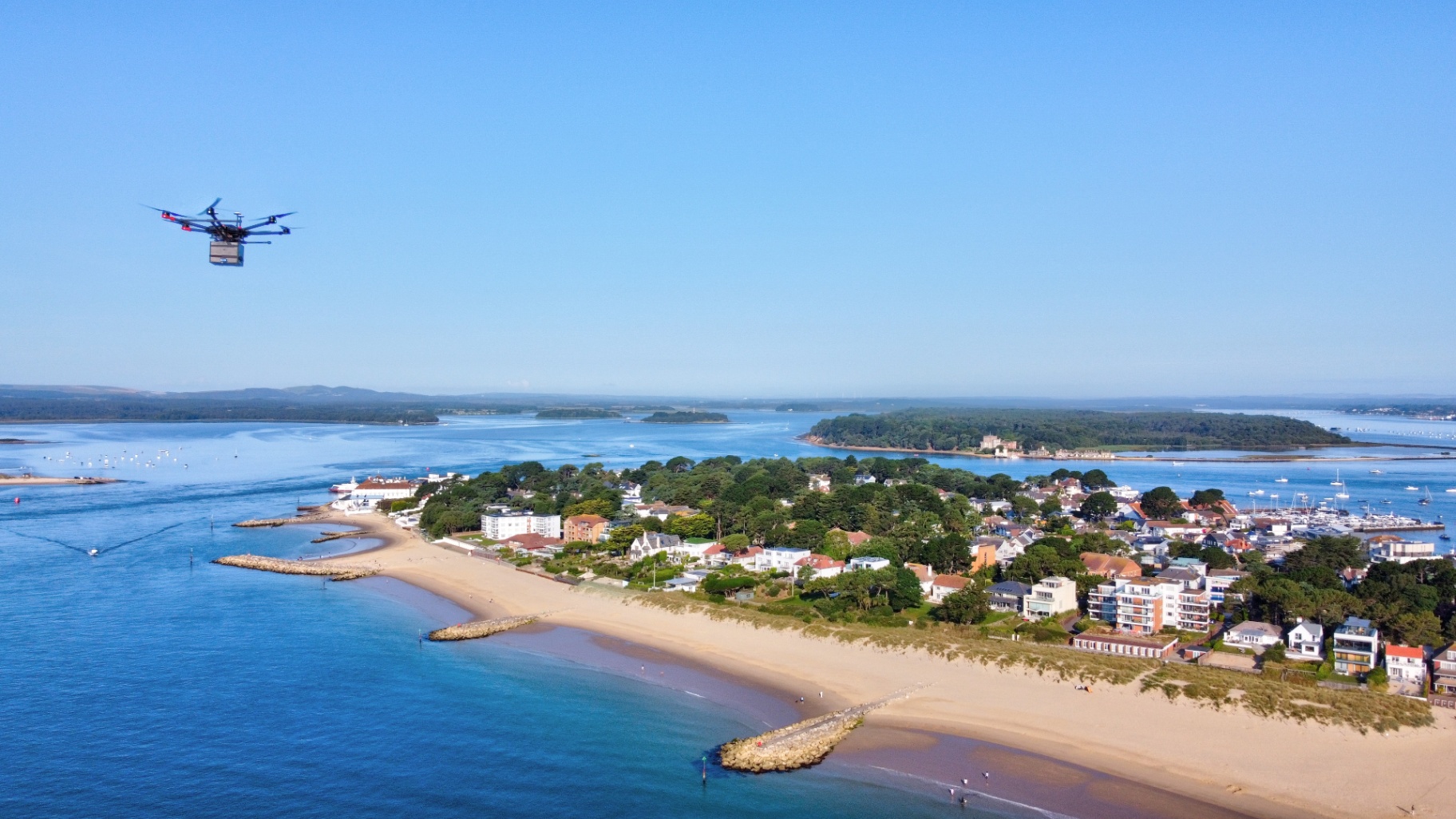
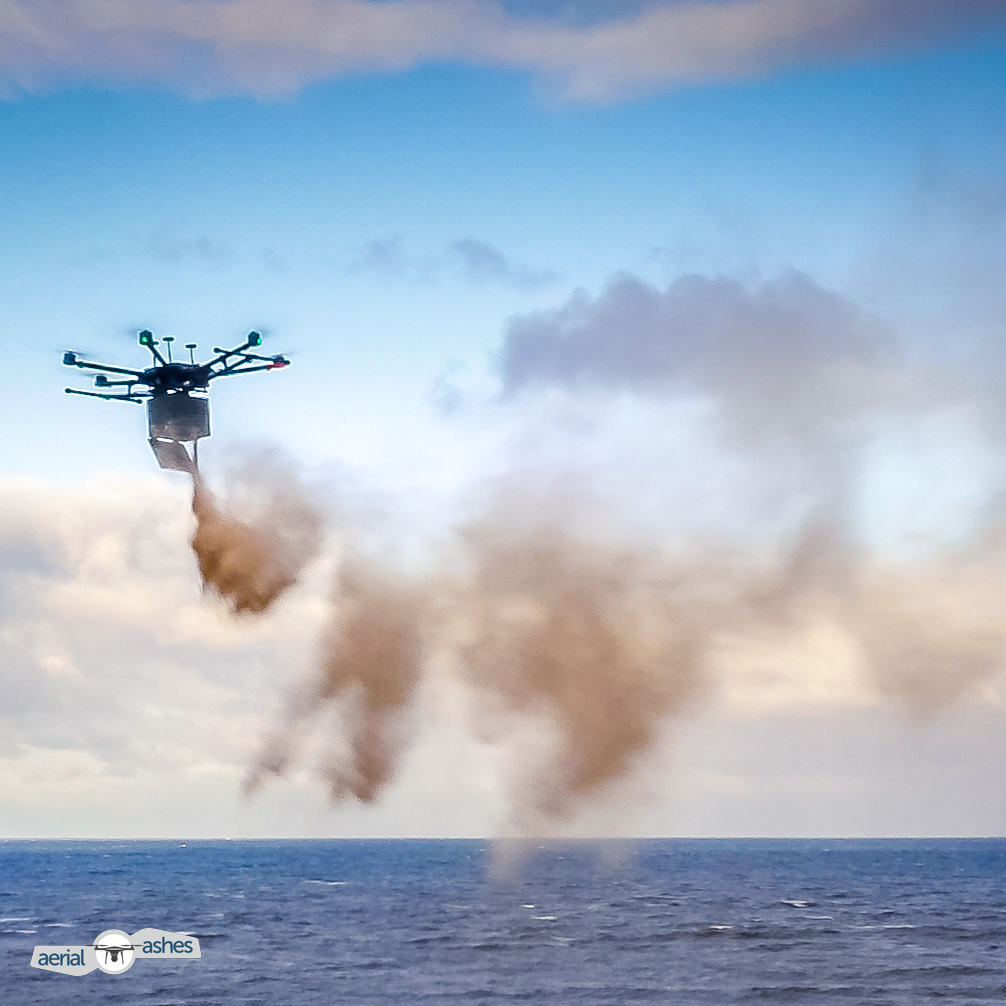
Understanding wind direction is crucial. You must always stand with your back to the wind. However, at Bossiney Haven, the wind often swirls within the cove, making it unpredictable. This is where a specialized service becomes invaluable. A drone can fly out over the water, away from the gusts near the cliffs, and release the ashes at a height where they disperse beautifully into the sea breeze.
3. Miscalculating the Physical Descent
Bossiney Haven is not easily accessible. The path down to the beach is steep, involving a long flight of uneven steps carved into the cliffside. For elderly family members or those with mobility issues, the trek down is often impossible. This leads to a difficult choice: either some family members are left at the top, or the ceremony is rushed and physically exhausting.
The emotional impact of excluding family members can be profound. Studies in the Journal of Environmental Psychology (Kaplan, 1995) highlight how "restorative environments" like beaches help with mental fatigue, but only if the experience is stress-free. To fix this, consider a ceremony that allows everyone to participate from the safety and comfort of the clifftop. By using a drone service, the entire family can watch together as the ashes are dispersed over the waves below, ensuring no one is left behind.

Alt text: The dramatic and steep cliff path leading down to Bossiney Haven beach in Cornwall.
4. Overlooking Legal and Local Permissions
While the sea feels like a public space, the land above it and the access paths often have specific ownership. Many people assume they can simply turn up and scatter ashes anywhere. However, the Environment Agency and local councils have guidelines to protect the local ecosystem.
Bossiney Haven is part of a sensitive coastline. Using non-biodegradable urns or scattering too close to popular swimming spots can lead to issues. It is vital to check the legal guide for ashes scattering to ensure you are compliant with UK regulations. Professional services like Aerial Ashes handle these permissions as part of their package, giving you one less thing to worry about.
5. Forgetting the Impact of Crowds
Bossiney Haven is a popular spot for hikers and "wild swimmers," particularly in the summer months. There is nothing more disruptive to a private moment of grief than a group of tourists walking through the middle of your ceremony.
To fix this, timing is everything. Early mornings or late evenings are not only more private but often provide the most beautiful light for a memorial. If you prefer a more secluded experience regardless of the time of day, dispersing the ashes further out at sea via drone ensures the ceremony remains private and away from the onlookers on the shore. This creates a dignified boundary between your private loss and the public space.
6. Using the Wrong Type of Container
Many families bring the ashes in the standard plastic or heavy wooden urn provided by the crematorium. These are not designed for scattering. They can be difficult to open in the wind, or they might be dropped, causing a messy and upsetting accident.
If you are committed to a DIY scattering, you should transfer the ashes to a dedicated scattering tube. However, even these can be tricky to manage on a windy beach. A professional drone release system is designed to hold the ashes securely until the moment of release, ensuring a smooth and graceful dispersal. This method prevents the awkwardness of struggling with a lid or a bag while trying to maintain a somber atmosphere.
7. Failing to Document the Location
Once the ashes are scattered into the Atlantic, they are gone. While the symbolism of returning to nature is beautiful, many families later regret not having a specific point to return to for reflection. Without a record, the exact spot becomes a vague memory.
Modern technology offers a solution. When using a drone for scattering ashes, the GPS coordinates of the exact release point can be recorded. This allows you to know exactly where your loved one’s final journey began. You can return to that specific clifftop year after year, knowing you are in the right place.
Moving from Guilt to Relief
The weight of having the ashes on the shelf for months or even years often stems from a fear of making these very mistakes. You want the best for your loved one, and the pressure of "getting it right" can lead to procrastination.
Research indicates that the act of "letting go" through a ritualized ceremony provides a significant shift in the grieving process. It moves the focus from the physical remains to the enduring memory. By choosing a professional and dignified service, you remove the logistical risks of the "DIY that went wrong" and replace them with a serene, high-tech tribute that honors the life lived.
Bossiney Haven is a place of incredible power and beauty. It deserves a ceremony that matches its majesty. Whether you choose to walk the steep steps yourself or opt for the grace of an aerial release, taking the time to fix these seven mistakes will ensure that your final goodbye is as peaceful as the Cornish sunset.
If you feel ready to move forward, you can learn more about our professional services or explore our Inspiration page for more ideas on how to create a meaningful memorial.

References
- Casarett, D., et al. (2011). The Benefits of Memorial Rituals in Bereavement. Journal of Palliative Medicine.
- Kaplan, S. (1995). The Restorative Benefits of Nature: Toward an Integrative Framework. Journal of Environmental Psychology.
We're Online! How may I help you today?