 UK
UK
 Hawaii
 USA
USA
7 Mistakes You’re Making When Scattering Ashes on the East Coast (and How a Drone Helps)
7 Mistakes You’re Making When Scattering Ashes on the East Coast (and How a Drone Helps)
The desire to return a loved one to the elements is a universal human impulse. Across generations, families have sought the vastness of the sea or the serenity of a coastline to find a sense of closure. The East Coast of England, with its wide horizons and iconic spots like Holkham Beach or the pier at Southwold, offers a landscape that feels both timeless and infinite. Choosing a final resting place is a profound decision, but the practicalities of a coastal farewell can often be more complex than families anticipate.
Grief is a heavy weight to carry, and the logistics of a memorial ceremony should not add to that burden. Many people find themselves holding onto "The Ashes on the Shelf" for years, trapped between the guilt of not acting and the fear of doing it wrong. According to research published in the Journal of Palliative Medicine (Casarett et al., 2002), the performance of a meaningful ritual is crucial for the bereavement process. However, a ritual that goes wrong can leave lasting feelings of regret.
Understanding the common pitfalls of scattering ashes on the East Coast ensures that your final tribute remains as peaceful as the person you are honoring. By identifying these mistakes, you can move from uncertainty to a place of relief and resolution.
1. Underestimating the East Coast Wind
The North Sea breeze is legendary for its strength and unpredictability. One of the most frequent errors in a "DIY" ceremony is failing to account for wind direction. When you stand on a cliff edge or at the water's edge to perform ashes scattering, the wind can whip up without warning. This often leads to the distressing "blowback" effect, where the remains are carried back onto the mourners rather than out to sea.
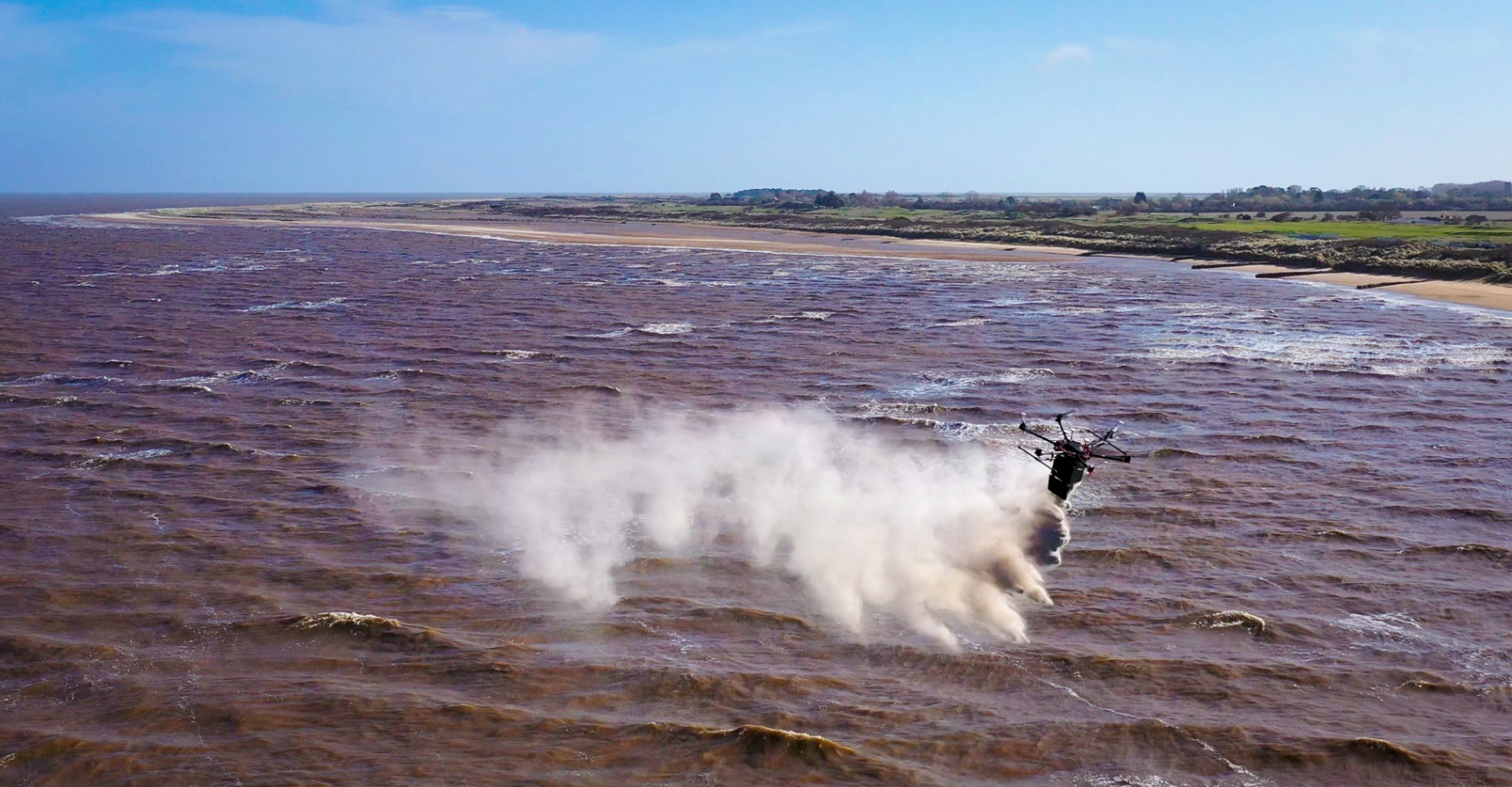
This is a classic "DIY That Went Wrong" scenario. Instead of a graceful release, the moment becomes a frantic struggle with the elements. It creates a memory of chaos rather than one of peace. A professional drone ash scattering service removes this risk entirely. By releasing the ashes from a height, the drone allows the wind to become a tool for dispersal rather than an obstacle. The ashes move away from the crowd, drifting into a gentle, tranquil cloud that travels toward the horizon.
2. Ignoring the Three Nautical Mile Guideline
Many families believe that they can simply walk to the end of a pier or stand on the shore to scatter remains into the ocean. While the UK has relatively relaxed laws compared to other nations, there are still environmental considerations and local bylaws to respect. The Environment Agency and the EPA generally recommend that sea scatterings occur at least three nautical miles from the shore to ensure proper dispersal and to protect coastal ecosystems.
Reaching this distance usually requires hiring a boat, which can be expensive and logistically difficult for larger groups or those prone to sea sickness. A drone offers a middle ground. It can fly out over the water, reaching distances that a hand-release cannot achieve, while the family remains safely on the firm sand of a beach like Southwold. You can learn more about these requirements in the ultimate guide to scattering ashes: everything you need to know about UK logistics.
3. Miscalculating the Tide at Holkham Beach
The East Coast is famous for its dramatic tidal shifts. At Holkham Beach, the tide can go out for what feels like miles, leaving behind vast plains of wet sand. If you scatter ashes on the sand when the tide is out, they may remain visible for hours before the water returns. This can be distressing for the family and may interfere with the experiences of other beachgoers.
Conversely, scattering during an incoming tide can wash the remains back onto the shore immediately. Timing the tide requires precise knowledge of local charts. Using a drone ensures that the ashes reach the water regardless of where the tide line sits. The drone travels to the perfect coordinates, ensuring the remains are gathered by the sea as intended. For those considering other coastal locations, our guide on how to choose the best Cornish beach for drone ash scattering offers similar insights into tidal management.
4. Overlooking Public Privacy and Crowds
The East Coast is a popular destination, especially during the summer months. Locations like the Norfolk and Suffolk coastlines can become very busy with tourists, dogs, and families. Trying to hold a private, solemn ceremony on a crowded beach can feel invasive and uncomfortable.
Research in the Journal of Environmental Psychology (Kaplan, 1989) suggests that "restorative environments" require a sense of "being away." It is hard to feel that sense of spiritual distance when there are children playing football nearby. A drone allows you to stand in a quieter, more secluded part of the beach while the actual scattering takes place over the water or a more remote area of the coast. This creates a bubble of privacy for your family, even in a public space.
5. Using Non-Biodegradable Urns or Containers
Many people make the mistake of bringing the standard plastic container provided by the crematorium to the beach. These containers are functional for transport but are not designed for a dignified release. Not only is it environmentally irresponsible to let plastic enter the North Sea, but the physical act of pouring from a plastic tub can feel cold and industrial.

If you are committed to a sea burial, you must ensure that everything used is 100% biodegradable. However, even biodegradable urns can sometimes bob on the surface for a long time before sinking, which can be difficult to watch. A drone release avoids this "floating urn" problem by dispersing the ashes directly into the air, where they naturally and safely integrate with the environment. If you are looking for other ways to honor a loved one, consider our top 10 unique memorial service ideas.
6. The "Clumping" Effect and Physical Mechanics
Cremated remains (often called "cremains") are not always the fine, uniform dust that people expect. They have a specific weight and consistency that can cause them to fall in heavy clumps if they are simply tipped out of a jar. This results in a "splash" rather than a "drift," which can be a jarring visual for those saying goodbye.
Professional drone equipment is designed with specialized release mechanisms. These devices ensure that the ashes are sifted and dispersed evenly. The result is a beautiful, ethereal trail that hangs in the air for a few moments before settling into the waves. This creates a much more serene visual experience, which is essential for achieving a sense of closure. For more details on the process, read why everyone is talking about drone ashes scattering.
7. Neglecting the Physical Accessibility of the Coast
The East Coast features many beautiful but rugged areas. Steep steps, shifting dunes, and long walks across soft sand can make it impossible for elderly family members or those with mobility issues to reach the water's edge. This often means that certain family members are left behind in the car park while the ceremony takes place, which can cause significant emotional pain.
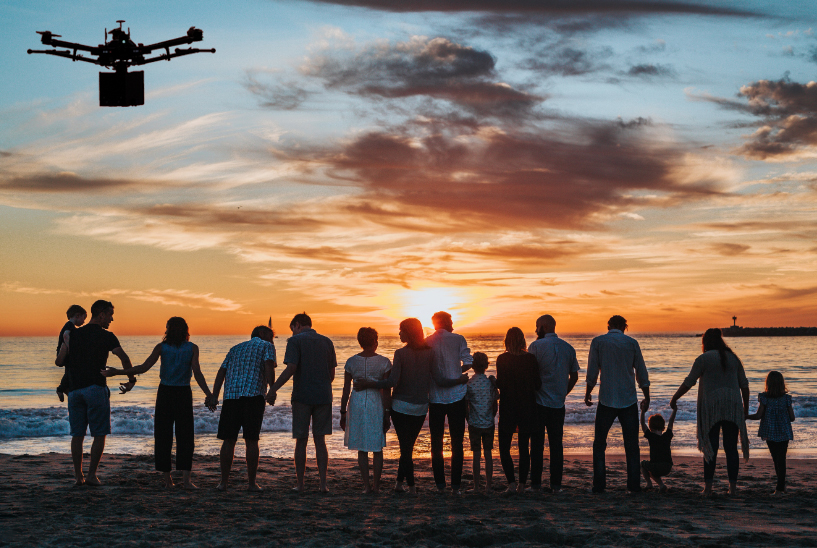
A drone ceremony is perfectly inclusive. The family can gather in an accessible area: perhaps a paved overlook or a sturdy boardwalk: and watch the drone perform the scattering from a comfortable distance. This ensures that every generation can participate in the farewell. We have seen how much this matters to families in our guide to scattering ashes at Marazion, where accessibility is a key factor.
Moving From Guilt to Peace
The transition from keeping a loved one's ashes on a shelf to releasing them into a beautiful environment is a significant step in the healing journey. Many people feel a sudden sense of relief once the ceremony is over, realizing that they have finally fulfilled a final wish. The "Ashes on the Shelf" narrative is common, but it does not have to be your permanent reality.
By choosing a professional service, you avoid the risks of a "DIY That Went Wrong." You ensure that the environment is protected, the legalities are respected, and the memory of the day is one of absolute dignity. The vast horizons of the East Coast, from the marshes of Norfolk to the cliffs of the Suffolk coast, provide a stunning backdrop for this final act of love.
If you are ready to move forward, we are here to help you navigate the process with compassion and expertise. Whether you are interested in a specific beach or exploring a drone memorial business opportunity, the goal is always the same: a peaceful farewell that honors a life well-lived.
We're Online! How may I help you today?