 UK
UK
 Hawaii
 USA
USA

7 Mistakes Families Make When Scattering Ashes on the Cornish Coast
7 Mistakes Families Make When Scattering Ashes on the Cornish Coast
Choosing a final resting place is one of the most significant decisions a family makes after a loss. For many, the rugged cliffs and turquoise waters of Cornwall offer a sense of peace that few other places can match. The sound of the Atlantic waves at Kynance Cove or the sight of the sun setting over Sennen Cove provides a backdrop of natural permanence and beauty. Research indicates that the setting of a memorial service significantly impacts the long-term grieving process of survivors. According to a study in the Journal of Palliative Medicine (Casarett et al., 2001), families who feel the memorial location was "right" report higher levels of long-term psychological comfort.
However, the reality of the Cornish coast is often more complex than a postcard. Families frequently arrive at the shore with a clear vision, only to find themselves struggling with the practicalities of the wild Atlantic environment. This often leads to "The DIY That Went Wrong," where a moment intended for reflection becomes a source of stress or regret. Understanding these common pitfalls is the first step toward ensuring your farewell is as serene as the landscape itself.
1. Underestimating the Atlantic Wind
The most common mistake involves the wind. Cornwall is famous for its bracing sea breezes, but these can quickly turn a scattering ceremony into a distressing event. Families often stand at the water's edge or on a cliff like the Bedruthan Steps, only to have a sudden gust blow the ashes back toward them. This is the ultimate "DIY That Went Wrong" scenario. It can leave families feeling horrified rather than comforted.
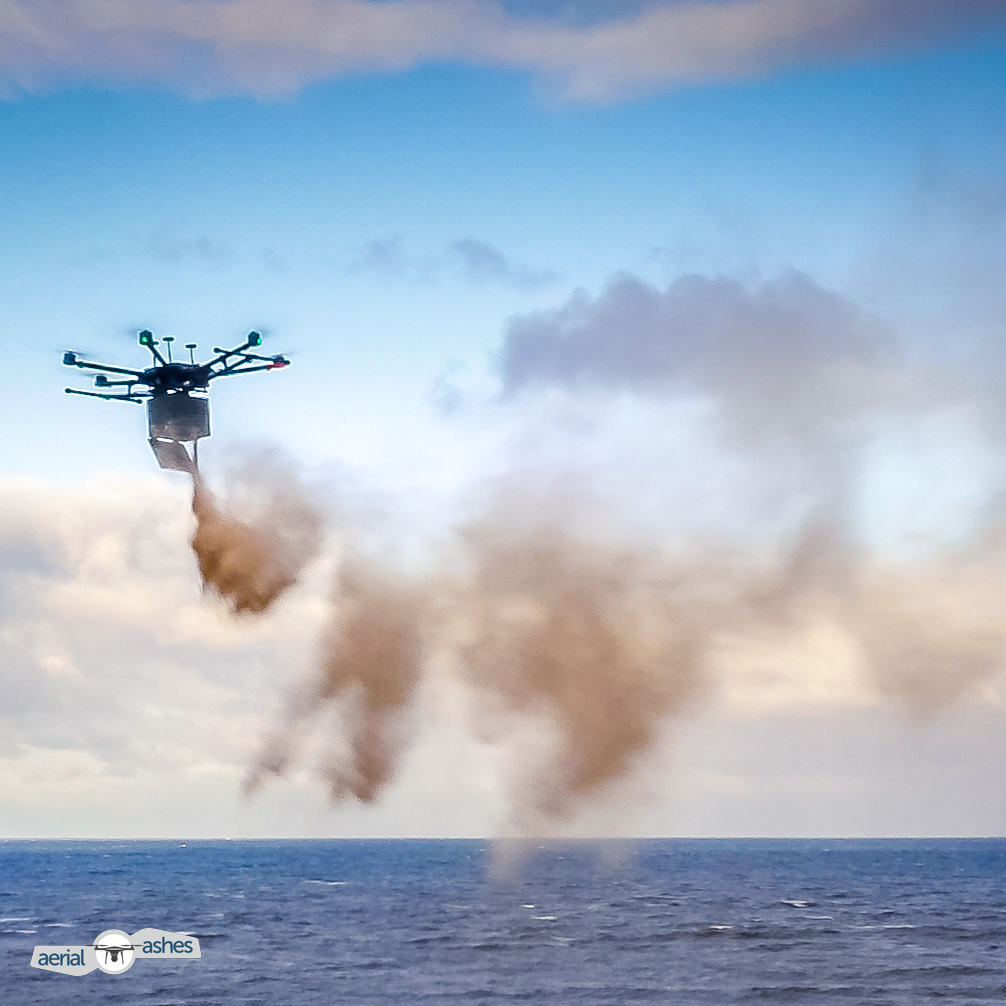
Check the wind direction carefully before you begin. Use a simple technique like tossing a small handful of dry grass into the air to see where the breeze is heading. Ensure everyone stands with their backs to the wind. If the conditions are too gusty, consider a drone ash scattering service. A drone can fly further out over the water, releasing the ashes at a height where they are caught by the sea breeze and carried away from the shore, maintaining the dignity of the moment.
2. Misjudging the Tides at Places Like Kynance Cove
Cornish beaches change their character entirely every six hours. If you choose a beach like Kynance Cove, you must be aware of the tide times. Families often find themselves cut off by the rising tide or forced to scatter ashes on dry sand that won't be reached by the sea for hours. This leaves the ashes visible on the beach, which can feel exposed and uncomfortable.
Aim for a falling tide, which is the period just after high tide. This ensures the water will eventually wash over the area, carrying the ashes out to sea. It also provides the most beach space for your family to gather. For those who want to avoid the logistics of tide tables entirely, scattering ashes via drone allows for a release directly over the waves, regardless of whether the tide is in or out.

3. Choosing a Busy Time for an Intimate Moment
Privacy is hard to find on popular Cornish beaches during the summer months. Families often arrive at a spot they remember as peaceful, only to find it filled with surf schools, dogs, and sunbathers. Trying to hold a solemn ceremony in the middle of a crowd can make the experience feel rushed and awkward.
Plan your ceremony for early morning or late evening. The light at sunrise or sunset in Cornwall is breathtaking and offers the seclusion needed for a meaningful goodbye. Locations like Marazion or Fistral Beach are much quieter at these times. If you are struggling to find privacy, a drone ceremony allows you to stand on a quiet part of the cliff or beach while the ashes are scattered over a beautiful, inaccessible part of the bay.
4. Using Unsuitable Containers in a Marine Environment
Standard plastic urns or cardboard tubes provided by crematoriums are rarely designed for the coastal elements. Stiff lids can be difficult to open with cold or shaking hands. Additionally, accidentally dropping plastic components into the ocean is environmentally harmful and emotionally jarring.
Use 100 percent biodegradable containers if you plan to place anything in the water. If you are scattering by hand, transfer the ashes to a simple, easy-to-open vessel beforehand. Many families now choose professional services to avoid the physical struggle with containers altogether. We provide a seamless release mechanism that ensures the ashes are dispersed in a gentle, mist-like flow.
5. Letting "Ashes on the Shelf" Become a Burden
Many families keep the urn at home for months or even years. This often starts as a way to stay close to the loved one, but over time, it can transform into "The Ashes on the Shelf" syndrome. The urn becomes a source of quiet guilt, a constant reminder of a task left unfinished. You might be waiting for the "perfect" day that never seems to come.
Move from guilt to relief by setting a date. There is no perfect day, only the day you choose to make meaningful. Research published in the Journal of Experimental Psychology (Norton & Gino, 2014) suggests that the act of performing a ritual can significantly alleviate grief and restore a sense of control. Choosing a beautiful location like the Cornish coast provides the "why," and professional help provides the "how," allowing you to finally find closure.

6. Ignoring the Legalities and Local Courtesies
While scattering ashes is generally permitted on UK beaches, there are still rules to follow. Families sometimes scatter ashes too close to beach cafes, water intake points, or protected wildlife areas. This can lead to unwanted attention or even requests to move.
Respect other beach users. Avoid scattering ashes directly onto dry sand where people walk or sit. If you are looking at private clifftops, always seek permission from the landowner first. For a stress-free experience, a drone ashes scattering is often the most discrete and respectful method, as it takes the ceremony away from the crowded shoreline and into the air.
7. Failing to Plan the Emotional Flow of the Ceremony
The final mistake is treating the scattering as a purely physical task rather than a ceremony. Families often arrive at the beach and realize they haven't decided who will speak, which way to face, or how to involve the grandchildren. This lack of structure can leave the event feeling hollow.
Create a simple plan. Decide on a piece of music, a poem, or a moment of silence. Involving a professional service can help anchor the ceremony. For example, witnessing a drone fly out over the turquoise waters of Cornwall provides a focal point for the group, allowing everyone to share the moment of release together. You can learn more about how to structure these moments in our guide on unique memorial service ideas.

Why Kynance Cove is a Serene Choice for Ash Scattering
Kynance Cove, located on the lizard peninsula, is arguably one of the most beautiful spots in the world. With its white sand, dark red and green serpentine rocks, and turquoise water, it offers a dramatic and peaceful memorial setting. The beauty of this location is profound, but its popularity and tidal range make it a challenge for traditional scattering.
Using a drone at Kynance Cove allows you to capture the majesty of the cliffs and the clarity of the water from an angle that isn't possible from the ground. It ensures the ashes are scattered over the sea, far from the tourists in the cove, while you and your family watch from a high vantage point. This creates a dignified, shared experience that honors the memory of your loved one in one of Cornwall's most iconic landscapes. For more details on this specific location, see the ultimate guide to drone ash scattering at Kynance Cove.
The Benefits of a Professional Drone Service
Opting for a professional drone service removes the physical and logistical risks associated with the Cornish coast. It transforms a potentially stressful "DIY" event into a curated, serene experience.
- Safety and Accessibility: You don't need to scramble down steep paths or navigate slippery rocks.
- Dignity: The ashes are released smoothly, avoiding the risk of "blowback" from the wind.
- Environmental Respect: Drones allow for a clean release over the water, ensuring no residue is left on the beach.
- Visual Memory: Many families find comfort in seeing the ashes merge with the sea from an aerial perspective.
Moving Toward a Peaceful Farewell
The Cornish coast will always be a place of healing and reflection. By avoiding these common mistakes, you ensure that your final tribute is as beautiful as the memories you hold. Whether you choose the rugged north coast or the gentle south, the act of returning a loved one to nature is a profound gesture of love.
If you feel overwhelmed by the logistics, remember that you don't have to do this alone. Moving from the burden of "Ashes on the Shelf" to the relief of a completed ceremony is a vital step in your journey. We are here to help you plan a dignified and peaceful farewell that honors both your loved one and the stunning environment of the Cornish coast.
References
- Casarett, D., Knebel, A., & Abramson, K. (2001). Journal of Palliative Medicine. Is the "right" memorial location important for grieving families?
- Norton, M. I., & Gino, F. (2014). Journal of Experimental Psychology. Rituals alleviate grieving for loved ones, lovers, and lotteries.
- Environment Agency (2023). Guidance on scattering ashes in rivers and coastal waters in England and Wales.
Learn More and Connect
- Visit our website
- Follow us on Facebook
- Watch our ceremonies on YouTube
- Check out our blog for more guides
We're Online! How may I help you today?