 UK
UK
 Hawaii
 USA
USA

Looking For a Scenic Farewell? 10 Things You Should Know About Ashes Scattering at Whitsand Bay
Looking For a Scenic Farewell? 10 Things You Should Know About Ashes Scattering at Whitsand Bay
Deciding how to say a final goodbye is one of the most significant choices a family makes. It is a moment where the practical meets the profound, and the physical location becomes a permanent part of a loved one's story. For many, a shelf in the hallway or a cupboard in the lounge has become a temporary resting place for a decorative urn. This is often called the ashes on the shelf phenomenon. It is a quiet weight that many carry, a feeling that the final chapter has not quite been written.
Choosing a coastal location like Whitsand Bay in Cornwall offers a way to move from that lingering sense of "waiting" to a place of relief and peace. This four mile stretch of dramatic coastline is a powerful setting for a memorial, but its wild nature requires careful thought.
If you are considering ashes scattering at this iconic Cornish landmark, there are several logistical and emotional factors to keep in mind.
1. The Deep Symbolism of Whitsand Bay
Whitsand Bay is not just a beach. It is a rugged, sweeping arc of sand and cliff that stretches from Rame Head to Portwrinkle. For many families, this landscape represents freedom and the continuation of a journey. The wide, open views over the English Channel provide a sense of "big sky" thinking that can be very comforting during a time of loss.
Research published in the Journal of Palliative Medicine (Casarett et al., 2002) suggests that the environment in which a memorial takes place can significantly impact the long term emotional processing of grief. A location like Whitsand Bay, with its rhythmic surf and powerful natural soundscape, helps transform a somber event into a celebration of a life lived.
2. Understanding the Varied Landscape
When people talk about Whitsand Bay, they are often referring to several distinct areas. It is important to know that access varies greatly between sections like Tregonhawke, Freathy, Sharrow, and Portwrinkle. Some areas are characterized by high, jagged cliffs, while others offer slightly more level ground near the heritage coast paths.
Choosing the right spot is crucial. If you are planning a ceremony, you must decide if you want the intimacy of the tide line or the grand perspective of the clifftops. Each has its own logistical requirements, especially regarding how you will transport the cremains to the chosen site.
3. Navigating the Challenge of Steep Access
One of the most defining features of Whitsand Bay is its steepness. Many of the paths leading down to the sand are uneven, narrow, and demanding. This poses a significant challenge if your group includes elderly relatives, young children, or anyone with limited mobility.
The physical strain of navigating these paths can often distract from the emotional purpose of the day. If accessibility is a concern, you might find that staying on the clifftop is a safer and more inclusive option. This allows everyone to participate in the scattering ashes ceremony without the fear of a fall or physical exhaustion.
4. The Risks of the DIY Blowback
Many families initially consider a DIY approach, thinking it will be the most personal way to say goodbye. However, Whitsand Bay is notoriously windy. The cliffs can create what is known as the venturi effect, where wind is squeezed and accelerated upwards and back toward the shore.
This is where the DIY that went wrong stories often begin. Without professional equipment, a sudden gust can cause the ashes to blow back onto the mourners or drift toward other beachgoers. Instead of a serene release, the moment can become chaotic and distressing. Using a professional service ensures that the ashes are released at a distance and height where they can disperse naturally and beautifully into the sea.
5. Comparing Methods: Beach vs. Drone
You have several choices for the ceremony itself. A traditional beach scattering is intimate but subject to the whims of the tide and wind. A boat based scattering allows you to reach deeper water, but it can be difficult for those prone to sea sickness and is entirely dependent on sea conditions.
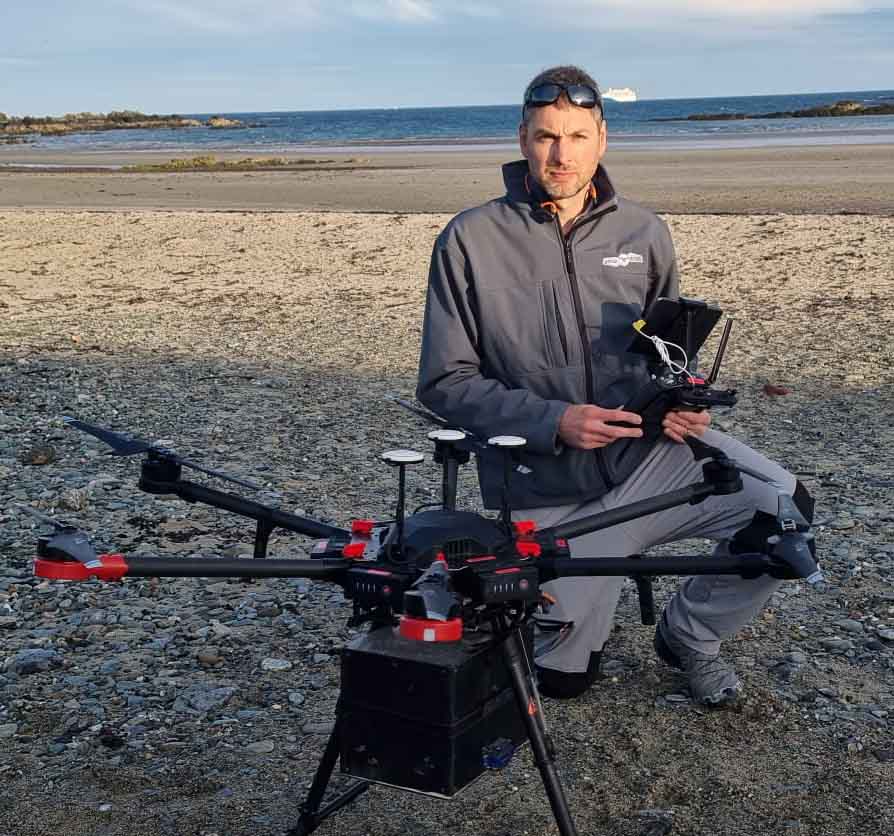
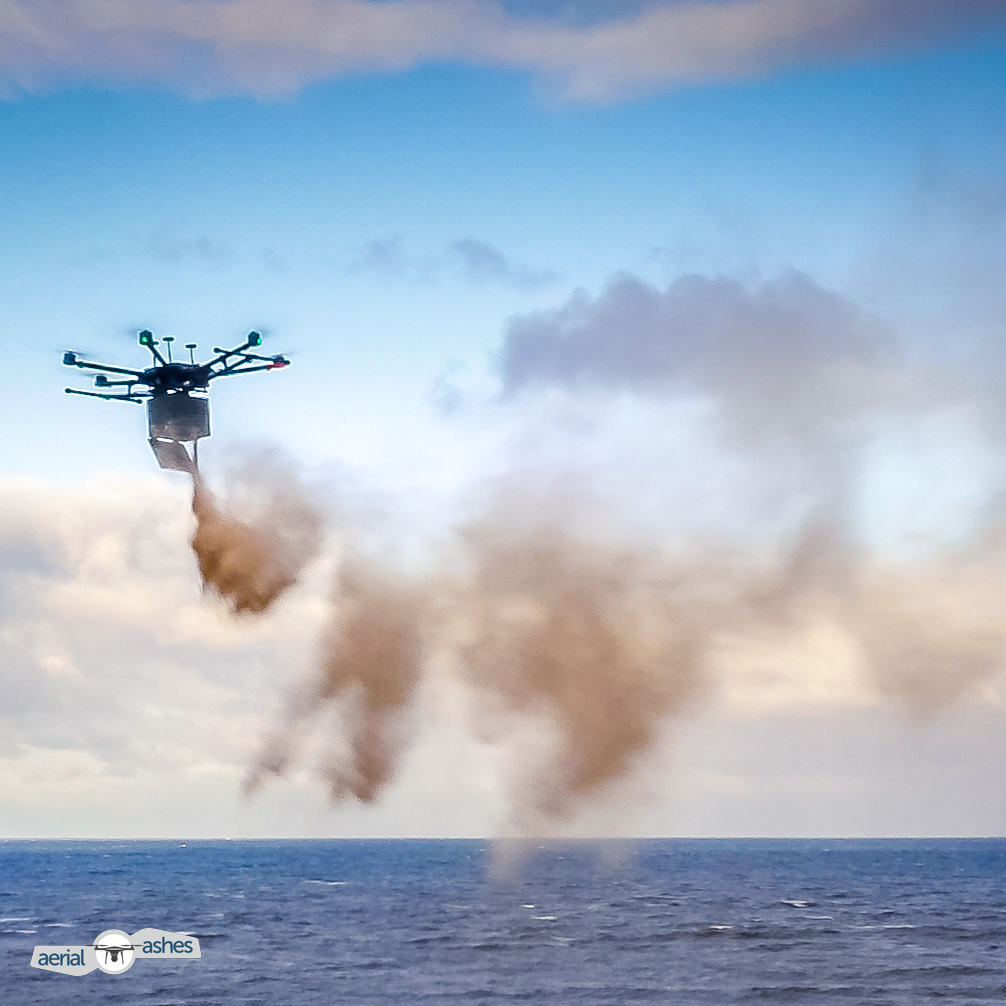
Aerial Ashes provides a modern alternative that bridges these gaps. By using a specialized drone, the ashes can be carried hundreds of meters out over the Atlantic, away from the turbulent cliff winds and the crowds on the sand. This allows the family to remain on a stable, accessible viewpoint while watching the release happen over the water. You can learn more about how this works in our Ultimate Guide to Drone Ashes Scattering.
6. Legalities and Environmental Permissions
A common question is whether you need a license for ashes scattering at the coast. In the UK, you generally do not need a permit to scatter ashes in tidal coastal waters or on the tide line. However, the Environment Agency provides clear guidance to ensure the process remains respectful to nature and other people.
You should avoid scattering near busy bathing beaches, marinas, or shellfish beds. It is also essential to ensure that only biodegradable items are used. Plastic wreaths or metal containers should never be left in the water. For a detailed breakdown of the rules, you can consult our Legal Guide to Scattering Ashes.

7. The Importance of Tides and Timing
Timing is everything at Whitsand Bay. If you are scattering directly on the sand, an incoming tide is usually preferred. The waves will naturally collect the ashes and carry them out to sea. At low tide, the water can be a long distance away, leaving the ashes on the wet sand for longer than many families find comfortable.
The time of day also impacts your privacy. Summer days at Whitsand Bay attract surfers and hikers. Early morning or late evening ceremonies often provide the quietest and most reflective atmosphere. If you choose a sunset ceremony, remember that the walk back up the cliff paths will be in fading light, which adds another layer of safety concern.
8. Ensuring Group Comfort and Inclusion
A memorial service is for the living as much as it is for the deceased. If you are inviting a larger group, think about their physical comfort. Is there enough parking at the chosen access point? Are there facilities nearby?
Many families choose a drone service specifically because it allows for a "hybrid" experience. Those who are physically able can walk down to the water, while those who prefer to stay on the level ground of the clifftop can still witness the ceremony clearly. This ensures that no one is excluded from the final goodbye due to physical limitations.
9. Environmental Impact and Minerals
Cremated remains are primarily composed of calcium phosphate and other minerals. When they are widely dispersed over the sea, they integrate naturally into the marine environment without causing harm. The key word here is "dispersed."
A drone release is particularly eco-conscious because it ensures a wide, even spread rather than a concentrated deposit in one small area of the shoreline. This respect for the Cornish coast is a priority for many families who want to ensure their loved one's final act is one of harmony with nature. You can explore other Cornish locations like Kynance Cove or Fistral Beach to see how different landscapes handle this dispersal.
10. Shaping the Final Moment
The logistics are the foundation, but the ceremony is the heart. Think about whether you want music, a reading, or a period of silence. Some families choose to release flower petals from the shore as the drone carries the ashes out to sea.
A professional service like ours often includes the option to film the release. This provides a visual record for family members who could not travel to Cornwall, allowing them to share in the moment of closure. This transition from having "ashes on the shelf" to seeing them join the vast Atlantic Ocean is a profound step in the healing journey.
Planning Your Farewell
Whitsand Bay offers a scale and beauty that few other locations can match. Whether you are honoring a local resident or fulfilling a loved one's wish to return to the Cornish coast, the process should be as stress free as possible. By understanding the wind, the tides, and the landscape, you can ensure the day is remembered for its beauty rather than its difficulties.
If you are feeling overwhelmed by the logistics of a DIY scattering, consider how a professional aerial service can simplify the day. It allows you to focus on the person you are honoring, while we handle the technical details and environmental compliance.
We have helped many families navigate these choices across Cornwall, from the sands of Sennen Cove to the cliffs of Bedruthan Steps. Each ceremony is a unique reflection of a life, and we are here to help you make it as serene as possible.
References
- Casarett, D., et al. (2002). "Life After Death: A Study of Memorial Rituals." Journal of Palliative Medicine.
- Environment Agency (2023). "Guidance on the Disposal of Cremated Remains in Rivers and Coastal Waters."
Follow us on social media for more guides and serene memorial ideas:
We're Online! How may I help you today?