 UK
UK
 Hawaii
 USA
USA
Looking For a Serene Farewell? Here Are 10 Things You Should Know About Scattering Ashes at Holywell Bay

Meta Title: Scattering Ashes at Holywell Bay: A Serene Memorial Guide | Aerial Ashes
Meta Description: Discover how to plan a serene ash scattering at Holywell Bay, Cornwall. Learn about permissions, tide times, and the benefits of professional drone ceremonies.
Finding a final resting place for a loved one is a profound responsibility. For many, the pull of the ocean and the rugged beauty of the Cornish coast offer a sense of peace that no traditional cemetery can match. Holywell Bay, with its iconic twin peaks of Gull Rocks and sweeping dunes, stands as one of the most evocative locations in the UK.
Grief is a complex journey. Research published in the Journal of Palliative Medicine (2018) suggests that the environment in which we commemorate a loss significantly impacts the long-term healing process. Choosing a location that resonates with a person's spirit allows families to move from the heavy silence of loss to a space of active, beautiful remembrance.
However, planning a farewell in such a majestic location requires care, respect, and local knowledge. Whether you are moving past the phase of keeping the ashes on the shelf or looking to fulfil a final wish, here are ten essential things to know about scattering ashes at Holywell Bay.
1. The Power of the Iconic Scenery
Holywell Bay is famous for more than just its appearance in television dramas like Poldark. The beach is defined by the Gull Rocks, two massive sea stacks that dominate the horizon. This natural landmark serves as a permanent, immovable monument for your loved one. When you scatter ashes here, you are choosing a site that will remain virtually unchanged for generations, providing a consistent place for future visits.
2. Navigating Permissions and the National Trust
The beach and the surrounding dunes at Holywell Bay are managed by the National Trust. While they generally allow the discreet scattering of ashes, they have specific guidelines to protect this delicate ecosystem. It is vital to ensure that the ceremony is conducted quietly and without leaving any permanent markers or non-biodegradable items behind.
According to guidelines from the National Trust, ceremonies should take place away from the busiest footpaths and main access points. We handle the logistics of obtaining necessary permissions, ensuring your farewell is fully compliant and respectful of local conservation efforts.
3. Overcoming the Challenge of the Dunes
Holywell Bay is known for its towering sand dunes, which are some of the most impressive in Cornwall. While they are beautiful, they present a significant accessibility challenge. The walk from the car park to the shoreline involves navigating soft, uneven sand. This can be difficult or even impossible for elderly family members or those with limited mobility.
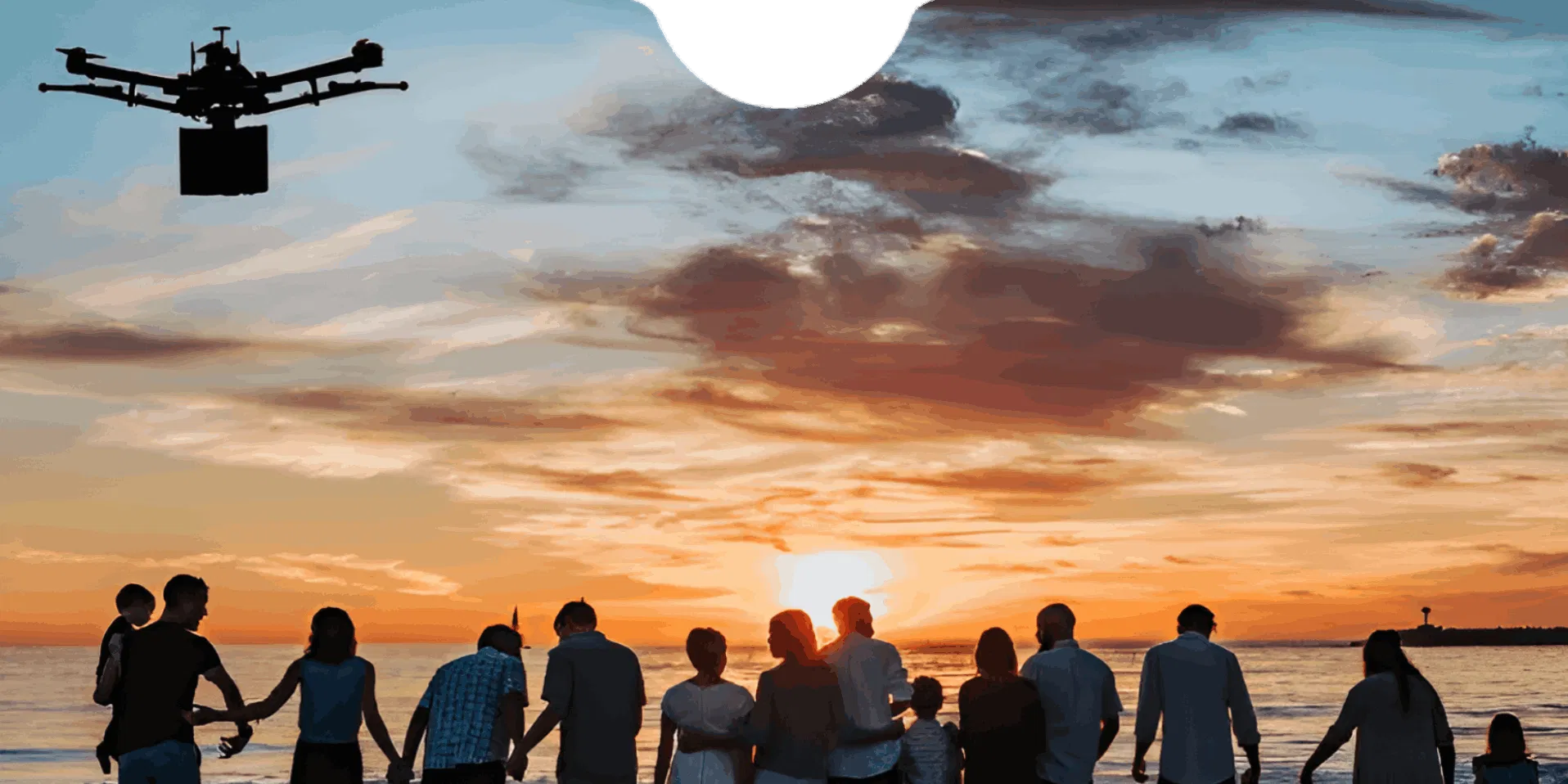
This is where drone ash scattering becomes a compassionate solution. Instead of the whole family struggling through the dunes, you can gather at a comfortable, accessible vantage point. The drone carries the ashes to the exact location you desire, whether that is over the surf or closer to the rocks, allowing everyone to participate without physical strain.
4. Choosing Your Moment: Tides and Crowds
The character of Holywell Bay changes dramatically with the tide. At low tide, a vast expanse of golden sand is revealed, including hidden sea caves. At high tide, the water reaches the base of the dunes. To ensure a peaceful experience, timing is everything.
We recommend checking the Newquay tide tables before planning. A falling tide is often preferred, as the receding water carries the ashes out to the Atlantic. Early morning or late evening ceremonies not only provide the best light for photography but also offer the privacy required for such an emotional moment.
5. Why Drones Offer Superior Dignity
Many families attempt a DIY scattering only to find that the wind is unpredictable. There is a common, distressing occurrence where ashes are blown back onto the participants or scattered unevenly on the ground. This "DIY that went wrong" can turn a sacred moment into one of regret.
A professional drone release ensures a graceful, controlled dispersal from a height of approximately 50 to 100 feet. This height allows the ashes to spread naturally in a serene cloud, catching the light and drifting slowly towards the water. It transforms the physical act into a visual tribute.
6. Environmental Responsibility
Protecting the Cornish coast is a priority for everyone involved. Traditional urns or plastic containers should never be thrown into the sea. When we conduct a cremated ashes scattering, we ensure that only the organic remains are released.
Research in the Journal of Environmental Management (2015) highlights the importance of keeping coastal waters free from non-biodegradable memorial items. By using a drone for a direct release, we eliminate the risk of littering the ocean, keeping the bay as pristine as the day your loved one first saw it.
7. Creating a Shared Perspective with Filming
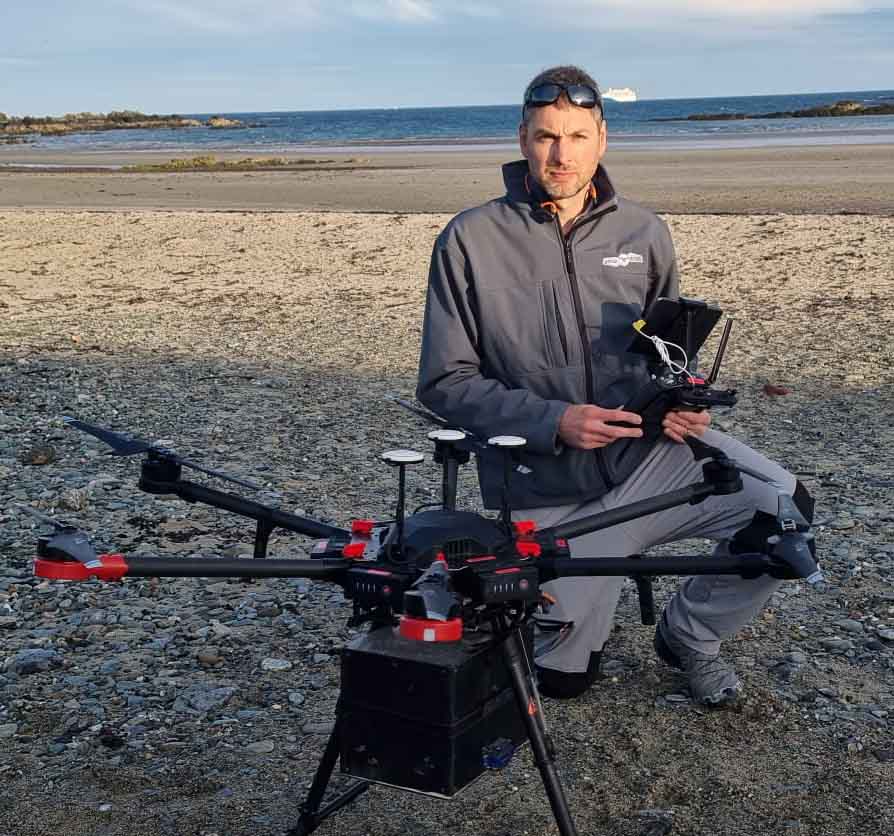
One of the most significant benefits of modern technology is the ability to share the moment with those who cannot be there in person. We offer live streaming and professional filming of the ceremony.
A second drone can capture the release from a distance, showing the ashes drifting against the backdrop of the Gull Rocks. This footage is then edited into a meaningful video set to music. It provides a lasting memory that can be shared with family members across the globe, ensuring no one is excluded from the farewell.
8. Honoring Pets at the Coast
Holywell Bay is a popular spot for dog walkers, and many people have fond memories of walking their four-legged friends along the surf. We offer dedicated pet memorial services for those who wish to scatter their pet's ashes in their favourite playground. This can be done as a standalone ceremony or as part of a joint memorial.
9. Safety and Professionalism
Operating a drone over a public beach requires more than just a hobbyist's permit. We are licensed by the Civil Aviation Authority (CAA) and hold full public liability insurance. This professionalism ensures that the ceremony is not only beautiful but also safe and legal. We monitor weather conditions closely, providing a "go/no-go" decision based on wind speeds to ensure the drone can operate with precision.
10. Achieving Closure and Peace
There is a specific weight to having the ashes on the shelf at home. While it can be comforting initially, many find that it eventually feels like a task left unfinished. Moving from the domestic setting to the vast, open horizon of Holywell Bay represents a final "letting go."
Studies on the psychology of ritual indicate that a clear, structured ceremony helps the brain process the finality of death. By witnessing the ashes merge with the sea and sky, families often report a sense of profound relief. The person is no longer "contained" but is now part of the landscape they loved.
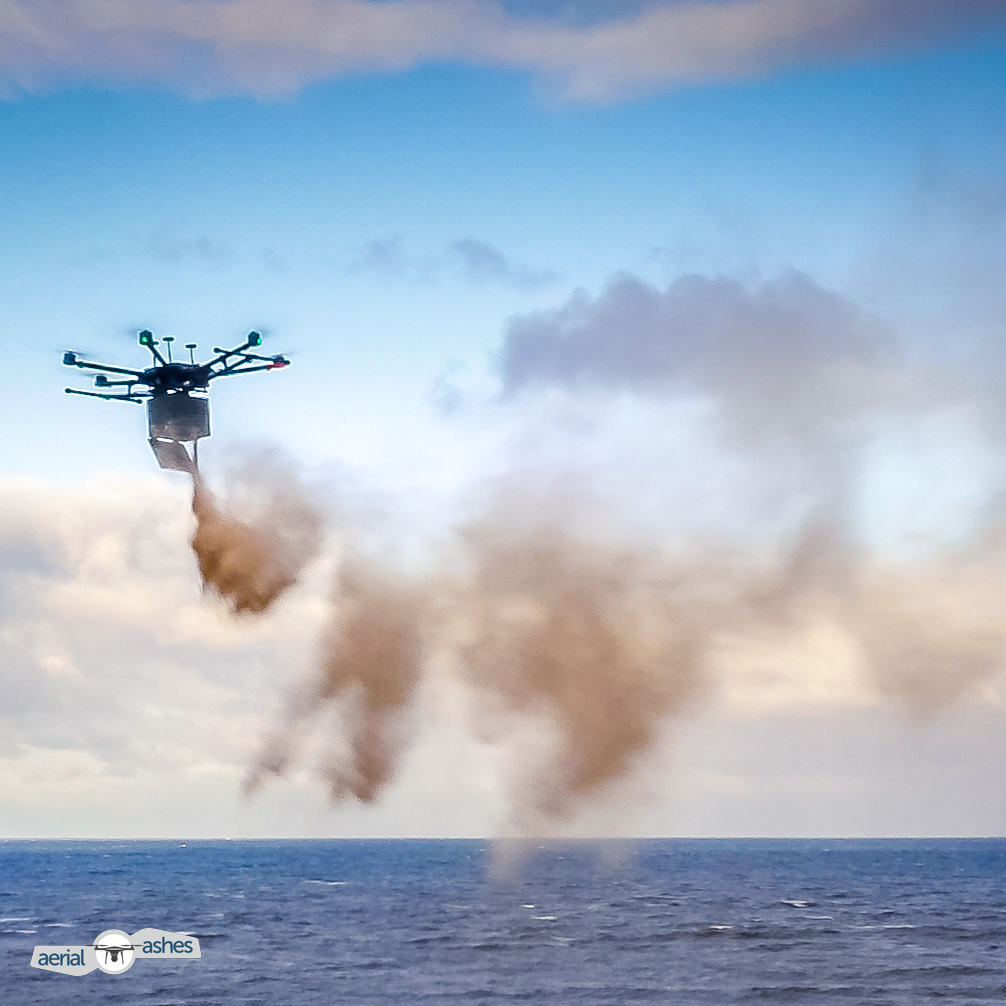
Holywell Bay offers a unique blend of drama and tranquility. Whether you are looking for a Together Forever service for a couple or a solo farewell, this Cornish gem provides a backdrop like no other. By choosing a professional drone service, you ensure that the logistics are handled, the environment is protected, and the memory is preserved in the most dignified way possible.
We're Online! How may I help you today?
References
- Journal of Palliative Medicine (2018). "The Role of Place in Bereavement and Memorialization."
- Journal of Experimental Psychology (2016). "Rituals and the Mitigation of Grief."
- National Trust (2024). "Guidelines for Scattering Ashes on Managed Lands."