 UK
UK
 Hawaii
 USA
USA

Charlestown Beach Memorials: A Historic Setting for Scattering Ashes in Cornwall
Charlestown Beach Memorials: A Historic Setting for Scattering Ashes in Cornwall
Choosing a location for a final farewell is a decision rooted in deep personal meaning, memory, and the desire for peace. For many, the rugged beauty of the Cornish coastline provides the perfect answer. Among the many coastal gems in the South West, Charlestown stands out as a location that blends natural beauty with a profound sense of history. This UNESCO World Heritage site, famous for its historic harbour and tall ships, offers a unique and dignified backdrop for families considering Ashes scattering.
The pebble beach at Charlestown, flanked by the high cliffs of St Austell Bay, creates a sheltered and intimate environment. It is a place where the rhythm of the tides and the presence of maritime history offer comfort to those looking to honour a loved one. When you are planning a memorial, the setting plays a crucial role in the healing process, providing a space where grief can meet the timelessness of the sea.
The Historic Appeal of Charlestown for a Memorial
Charlestown is not merely a beach: it is a preserved piece of history. Developed in the late 18th century by Charles Rashleigh, the village and harbour were built to export copper and china clay. Today, it remains one of the few places in the UK where you can still see late Georgian working ports in their original state. For a family, choosing this location for Scattering ashes means connecting a loved one's memory to a place of enduring strength and character.
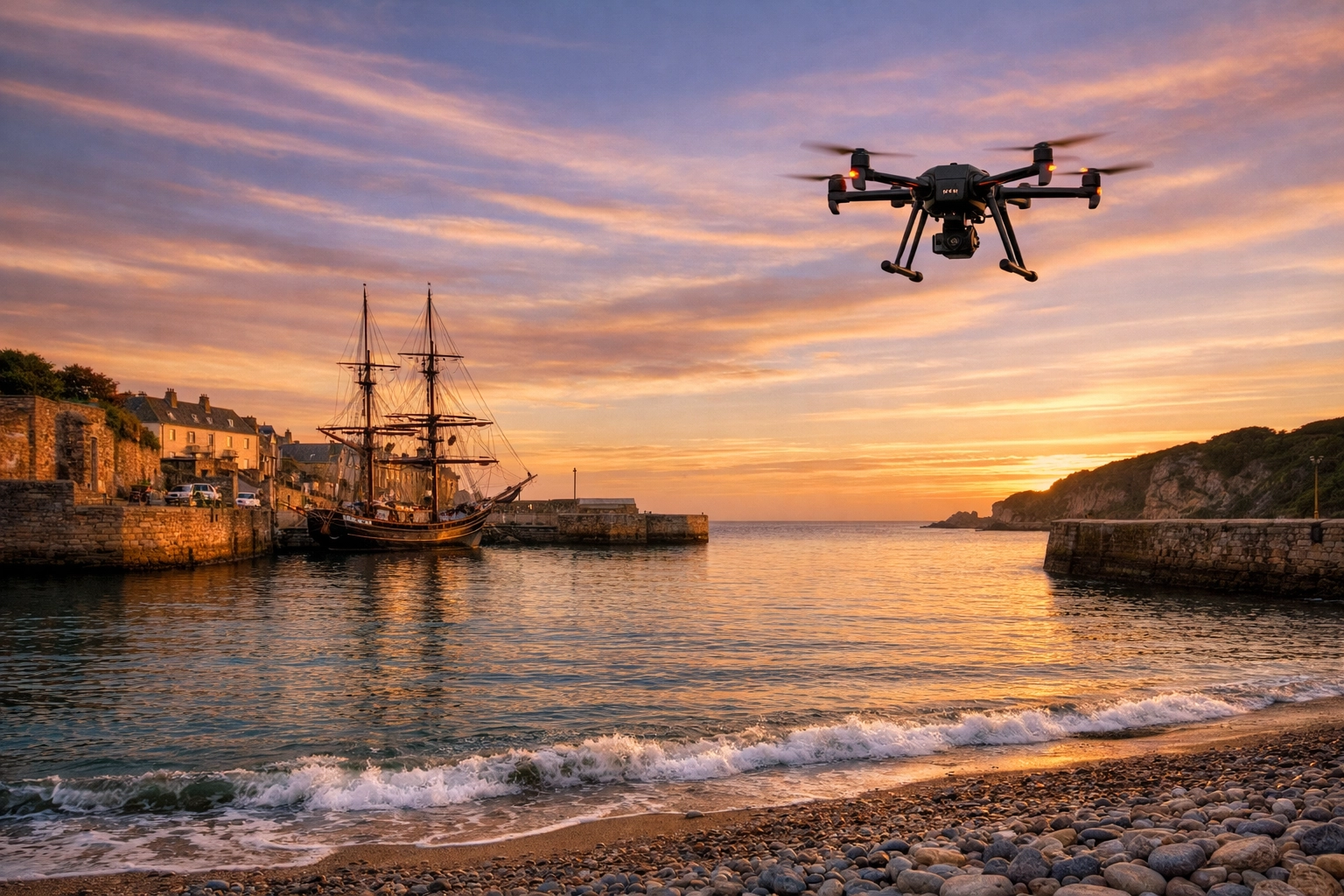
The presence of the tall ships, often moored in the harbour, adds a layer of majesty to the horizon. These vessels serve as a reminder of journeys taken and the adventurous spirit of the human soul. Whether your loved one had a passion for sailing, a love for Cornwall, or simply an appreciation for historic landscapes, Charlestown provides a setting that feels both significant and timeless. The pebble beach itself offers a different tactile experience than the sandy shores found elsewhere in Cornwall, providing a firm, grounded place to stand while looking out over the water.
Why Choose Aerial Ashes Scattering?
Traditional methods of scattering often involve standing on the shoreline or hire a boat. While these are meaningful options, they can sometimes be limited by tide times, accessibility, or the desire for a more expansive perspective. Drone technology has introduced a new way to conduct these ceremonies, offering a level of precision and beauty that was previously unattainable.
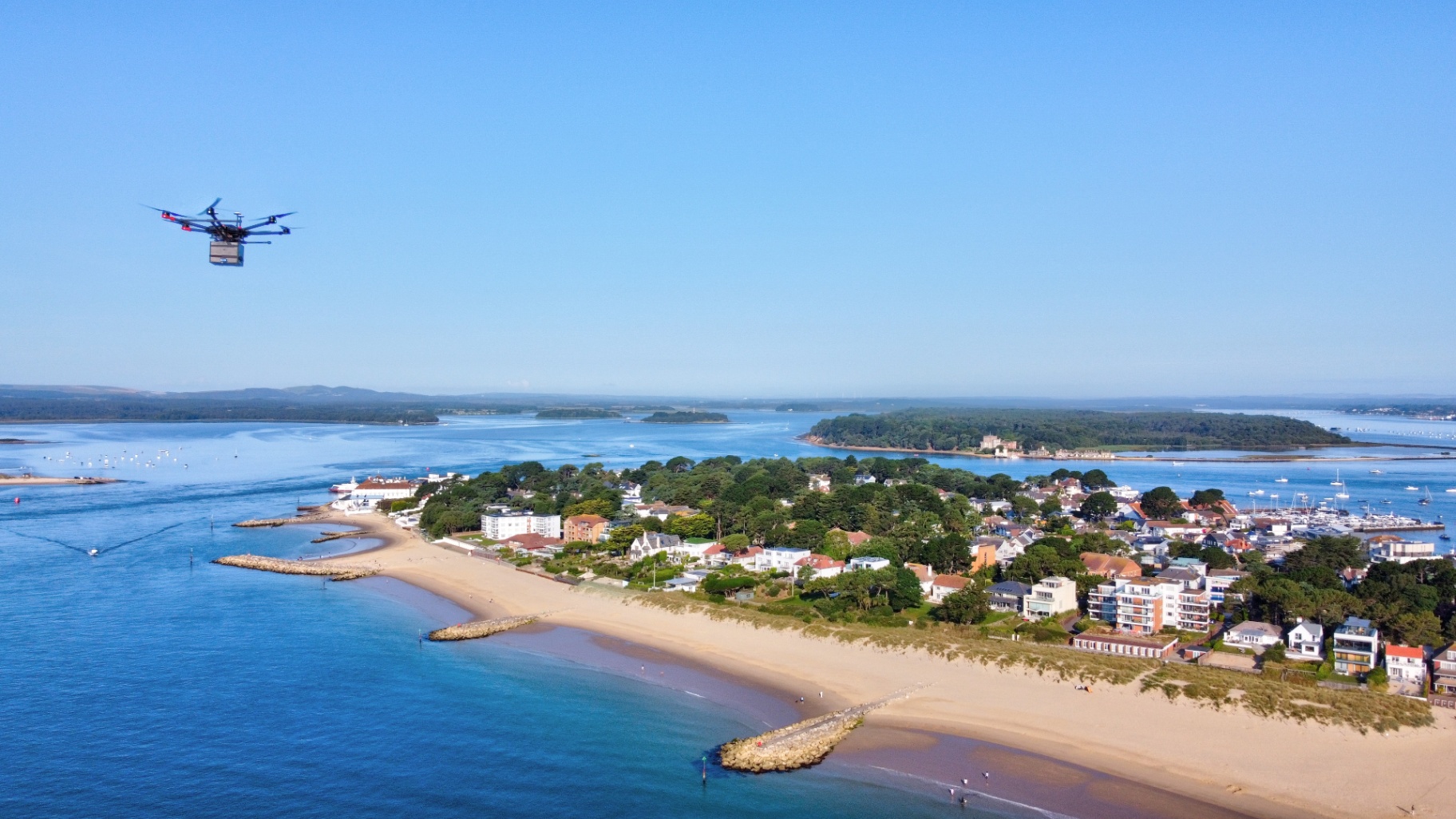
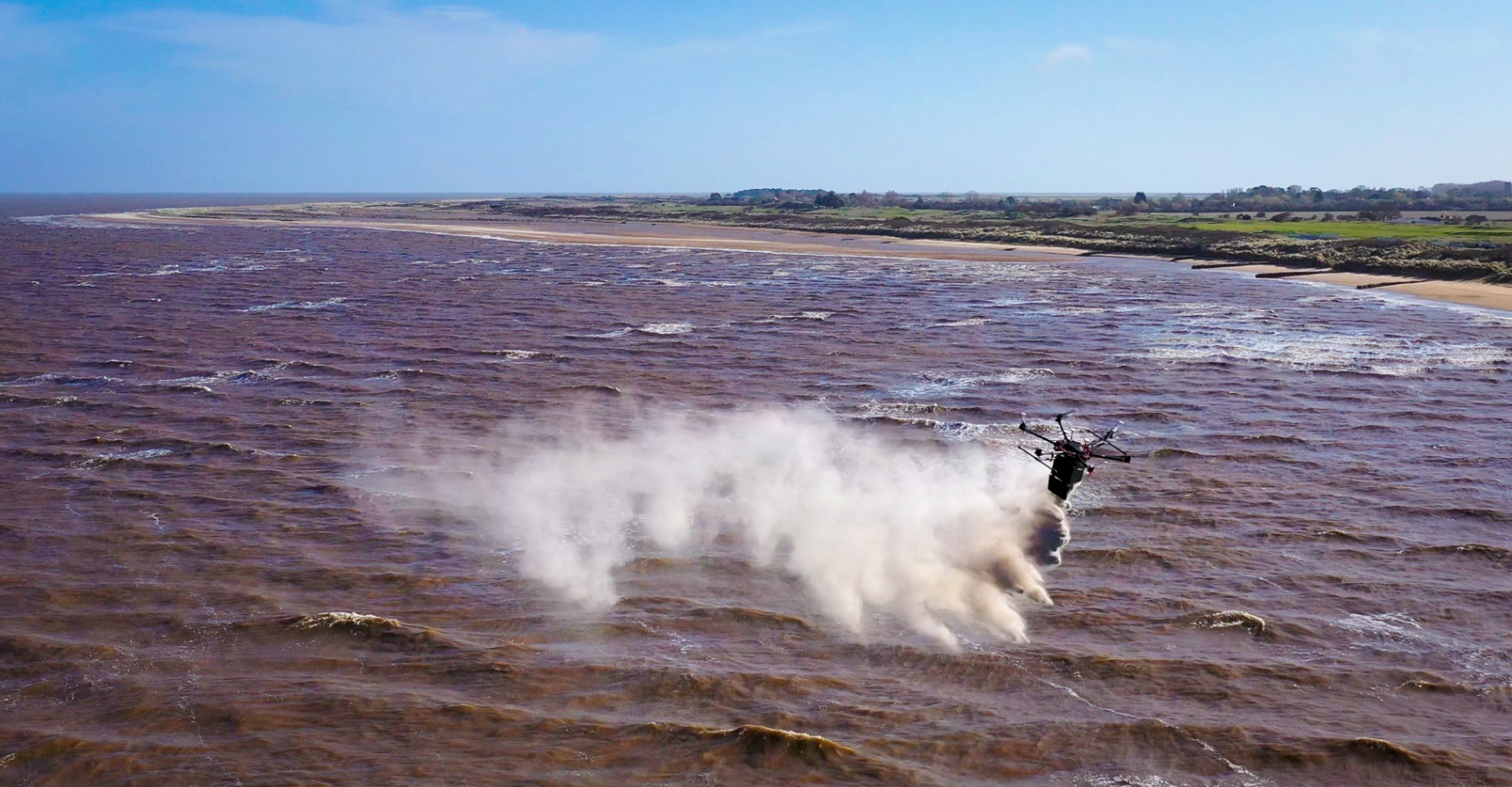
Aerial technology allows for the ashes to be released further out at sea, away from the immediate shoreline, ensuring the ceremony remains private and undisturbed by other beach users. This method provides a breathtaking aerial view, where the family can watch from the beach as the ashes are released into the sea breeze, slowly dispersing over the blue waters of the bay.
The benefits of this approach include:
- Accessibility: Family members who may have mobility issues and cannot navigate the pebbles or board a boat can still participate fully from a stable vantage point.
- Visual Perspective: The height of the drone offers a symbolic "ascent," providing a beautiful visual of the final journey.
- Reach: It allows for the ashes to be scattered in areas that are otherwise difficult to reach, such as further out into the deep water where the tall ships pass.
- Documentation: With the family's permission, the flight can be recorded, providing a lasting memory of the ceremony that can be shared with those who could not attend.
The Emotional Impact of Coastal Memorials
Research in environmental psychology suggests that "blue spaces," such as the sea and coastal areas, have a significant positive impact on mental well-being and the processing of grief. According to a study published in the Journal of Environmental Psychology (White et al., 2013), proximity to the coast is associated with lower levels of psychological distress. This makes locations like Charlestown not just beautiful, but also therapeutic for those saying goodbye.
The act of Ashes scattering into the sea represents a return to nature and a sense of liberation. In many ways, the ocean is a universal symbol of eternity and the cycle of life. At Charlestown, where the water is framed by the grey stone of the harbour and the green of the cliffs, this connection feels particularly strong. The sound of the waves hitting the pebbles creates a natural soundtrack for reflection, allowing families to focus on their memories in a calm, serene environment.
Navigating Permissions and Regulations
When planning a memorial at a historic site like Charlestown, it is essential to consider the practicalities. The harbour and surrounding areas are carefully managed to preserve their UNESCO status. For anyone considering Scattering ashes here, it is important to follow the guidelines set out by the Environment Agency and local authorities.
Generally, you do not need formal permission to scatter ashes on the sea or over tidal waters, provided the materials used are 100% biodegradable. This includes any wreaths or flowers that might be released alongside the ashes. Aerial Ashes Matt ensures that all services are conducted in compliance with environmental standards, using specialised equipment designed to release the ashes gently and respectfully without leaving any impact on the local ecosystem.
If you are looking for more information on the best spots across the county, our Cornwall Hub provides comprehensive guides on various locations and the specific considerations for each.
Personalising the Ceremony at Charlestown
A memorial should be as unique as the person it honours. Charlestown’s historic atmosphere lends itself to many types of personalisation. Some families choose to gather at one of the local inns or cafes after the ceremony to share stories, while others prefer a quiet walk along the South West Coast Path that runs through the village.
The timing of the ceremony can also change the experience entirely. A morning scattering often sees the harbour at its most peaceful, with the soft light reflecting off the water. An evening ceremony might catch the golden hour, where the historic buildings and the masts of the tall ships are silhouetted against the sky. Because we use drones, we can work with you to find the moment that best reflects the spirit of your loved one.
Points to Consider When Planning:
- The Weather: Cornwall is known for its changeable weather. We monitor conditions closely to ensure the flight can be conducted safely and with the dignity it deserves.
- The Tide: While the drone allows us to scatter regardless of the tide's position on the beach, the visual of the water changes between high and low tide.
- The Crowd: As a popular filming location and tourist destination, Charlestown can be busy. We often recommend early morning or late afternoon for a more private experience.
The Role of Technology in Modern Grief
The use of drones in funeral services is a growing trend that reflects a shift towards more personalised and meaningful memorials. For many, the traditional funeral service can feel rigid or disconnected from the personality of the deceased. Scattering ashes via drone offers a bridge between tradition and the modern world, providing a service that is both technologically advanced and deeply respectful.
Studies indicate that having a specific location to visit after a loss can help with "continuing bonds," a psychological concept where the bereaved maintain a healthy connection with the deceased (Klass et al., 1996). Charlestown, with its permanent landmarks and timeless sea, provides exactly this kind of anchor. Families can return to the harbour or the beach in the years to come, knowing exactly where their loved one’s final journey took place.
Environmental Responsibility in Cornwall
As a company, we are deeply committed to protecting the natural beauty of the UK coastline. Cornwall’s ecosystems are delicate, particularly in areas with UNESCO protection. When we perform a Scattering ashes ceremony, we ensure that the process is entirely "leave no trace." The ashes themselves are organic matter and do not harm the marine environment. By using a drone, we also avoid the potential fuel emissions or physical disruption that can be caused by boats or large groups trampling over sensitive coastal flora.
This commitment to the environment ensures that Charlestown remains a pristine and historic site for future generations to enjoy, just as your loved one did. It allows families to find peace of mind, knowing that their final tribute was as kind to the earth as it was meaningful to the heart.
Connecting with the Cornwall Memorial Community
Cornwall has a long history of maritime memorials, and Charlestown is a central part of that heritage. By choosing this location, you are joining a long line of individuals who have found solace in the Cornish sea. Whether you are a local resident or someone who spent many happy holidays on these shores, the connection to the land and sea here is undeniable.
For those who are just beginning the process of planning, we offer a range of resources to help. You can explore our website to learn more about how the process works, from the initial booking to the day of the ceremony. We aim to make the process as simple and stress-free as possible, allowing you to focus on what truly matters: saying goodbye in a way that feels right.
Conclusion
Charlestown Beach is more than just a destination: it is a place where history, nature, and memory converge. The combination of the historic harbour, the tall ships, and the expansive Cornish sea creates an atmosphere of dignity that is hard to find elsewhere. Through the use of aerial technology, we are able to enhance this experience, providing families with a unique, accessible, and beautiful way to conduct an Ashes scattering ceremony.
If you are considering Cornwall for your loved one's final farewell, Charlestown offers a setting that is both grand and intimate. It is a place that respects the past while providing a peaceful space for the future.
References
- Klass, D., Silverman, P. R., & Nickman, S. L. (1996). Continuing Bonds: New Understandings of Grief. Taylor & Francis.
- White, M. P., Alcock, I., Wheeler, B. W., & Depledge, M. H. (2013). Coastal proximity, health and well-being: Results from a longitudinal panel survey. Health & Place.
- Environment Agency. (2022). Guidance on Scattering Ashes Over Water.
We're Online! How may I help you today?
Connect with us: