 UK
UK
 Hawaii
 USA
USA
How to Avoid the Biggest Beach Ashes Scattering Pitfalls at St Ives
How to Avoid the Biggest Beach Ashes Scattering Pitfalls at St Ives
Finding a final resting place for a loved one is a profound decision that many families approach with a mixture of reverence and anxiety. The Cornish coast, with its turquoise waters and rugged cliffs, offers a sense of eternal peace that few other locations can match. St Ives, in particular, stands as a beacon of natural beauty. However, the transition from keeping a loved one close to releasing them into the elements can be fraught with unexpected challenges. Many individuals find themselves stuck in a state of "The Ashes on the Shelf," where the fear of making a mistake prevents them from achieving the closure they deserve.
Choosing to scatter ashes at the beach seems simple in theory, but the reality of coastal logistics often complicates the experience. St Ives is one of the most popular destinations in the UK, and its unique geography creates specific hurdles for families. To ensure a dignified farewell, you must understand the local environment, the legal requirements, and the technical difficulties of working with the wind and tide.
The Emotional Weight of the Ashes on the Shelf
It is common for families to keep a cremation urn on a mantelpiece or tucked away in a cupboard for years. This often stems from a deep-seated worry about "getting it wrong" during the final ceremony. According to a study published in the Journal of Palliative Medicine (Casarett et al., 2001), the location and manner of a memorial service significantly impact the long-term grieving process. When the final act is delayed due to uncertainty, it can leave a sense of unfinished business.
Moving from this state of hesitation to a place of relief requires a plan that removes the risk of a DIY disaster. You want the memory of the day to be about the beauty of the Cornish sea, not the stress of navigating crowds or battling a sudden gust of wind.
The DIY That Went Wrong: Learning from Common Mistakes
The desire for a private, personal moment often leads families to attempt a DIY scattering on the shoreline. This is where "The DIY That Went Wrong" narrative most frequently occurs. Imagine standing on the white sands of Porthmeor Beach, surrounded by the sound of the Atlantic. You open the urn, only for a sudden change in wind direction to blow the ashes back onto the gathered mourners. This "blowback" is one of the most distressing experiences a family can face during a memorial.
Research in the Journal of Environmental Psychology (Kaplan, 1995) highlights that natural environments are restorative, but only when the experience is perceived as harmonious. A chaotic scattering ceremony interrupts this harmony and can leave participants with a sense of regret rather than peace. To avoid this, you must look beyond the shoreline and consider professional methods that ensure the ashes scattering happens exactly where and how you intended.
Navigating the Crowds of St Ives
St Ives is a bustling town. From the narrow streets of the Down-along to the wide expanse of Carbis Bay, privacy is a rare commodity during the peak season. Attempting a sensitive ceremony on a beach filled with holidaymakers and surfers can feel undignified.
- Time your visit carefully. If you are set on a shore-based gathering, arrive at dawn. The early morning light over the Island provides a serene backdrop before the crowds arrive.
- Move away from the main beaches. While Porthminster is iconic, it is also highly visible. Look for more secluded spots, or better yet, move the ceremony offshore.
- Use technology to find space. A drone ash scattering service allows you to remain on a quiet part of the coast while the ashes are released far out at sea, away from the gaze of bypassers.
Understanding Local Regulations and Permissions
A major pitfall is the assumption that you can scatter ashes anywhere on the sand. In St Ives, local authorities and the National Trust have specific guidelines to protect the delicate coastal ecosystem. Scattering directly onto the sand is often discouraged or prohibited because it can leave visible remains that affect other beach users.
To remain compliant and respectful:
- Avoid scattering on dry sand where the wind can easily catch the remains.
- Focus on the water. Once ashes enter the sea, they are quickly dispersed by the natural movement of the tides.
- Consult with professionals who understand the local bylaws. You can find more information on how to choose the best Cornish beach to ensure your ceremony is both legal and beautiful.

The Environmental Impact of Memorial Materials
St Ives takes great pride in its pristine waters. A common mistake is leaving behind non-biodegradable items such as plastic flower ties, wreaths with wire frames, or synthetic ribbons. These items pose a threat to local marine life and mar the beauty of the coastline.
Choose 100% biodegradable options for your ceremony. If you are using a drone or a boat, ensure that any petals or scattering urns are designed to dissolve or break down naturally. This ensures that the only legacy you leave behind is a peaceful memory. You might find inspiration in our top 10 unique memorial service ideas which focus on eco-friendly tributes.
Why Wind and Tide Matter Most
The Cornish weather is notoriously fickle. A calm morning in the harbour can turn into a blustery afternoon at Godrevy in minutes. Wind direction is the single most important factor in a successful scattering ashes ceremony.
- Onshore winds blow from the sea toward the land. This is the most dangerous direction for a shore-based scattering as it causes blowback.
- Offshore winds blow from the land toward the sea. This is ideal for shore scattering, but these winds can be unpredictable near the cliffs of St Ives.
- The Tide determines how much beach you have to work with. An incoming tide is often preferred for shoreline ceremonies as the water will quickly wash over the area, but it also risks cutting off your exit route if you are in a cove.
The Benefits of Drone Ash Scattering in Cornwall
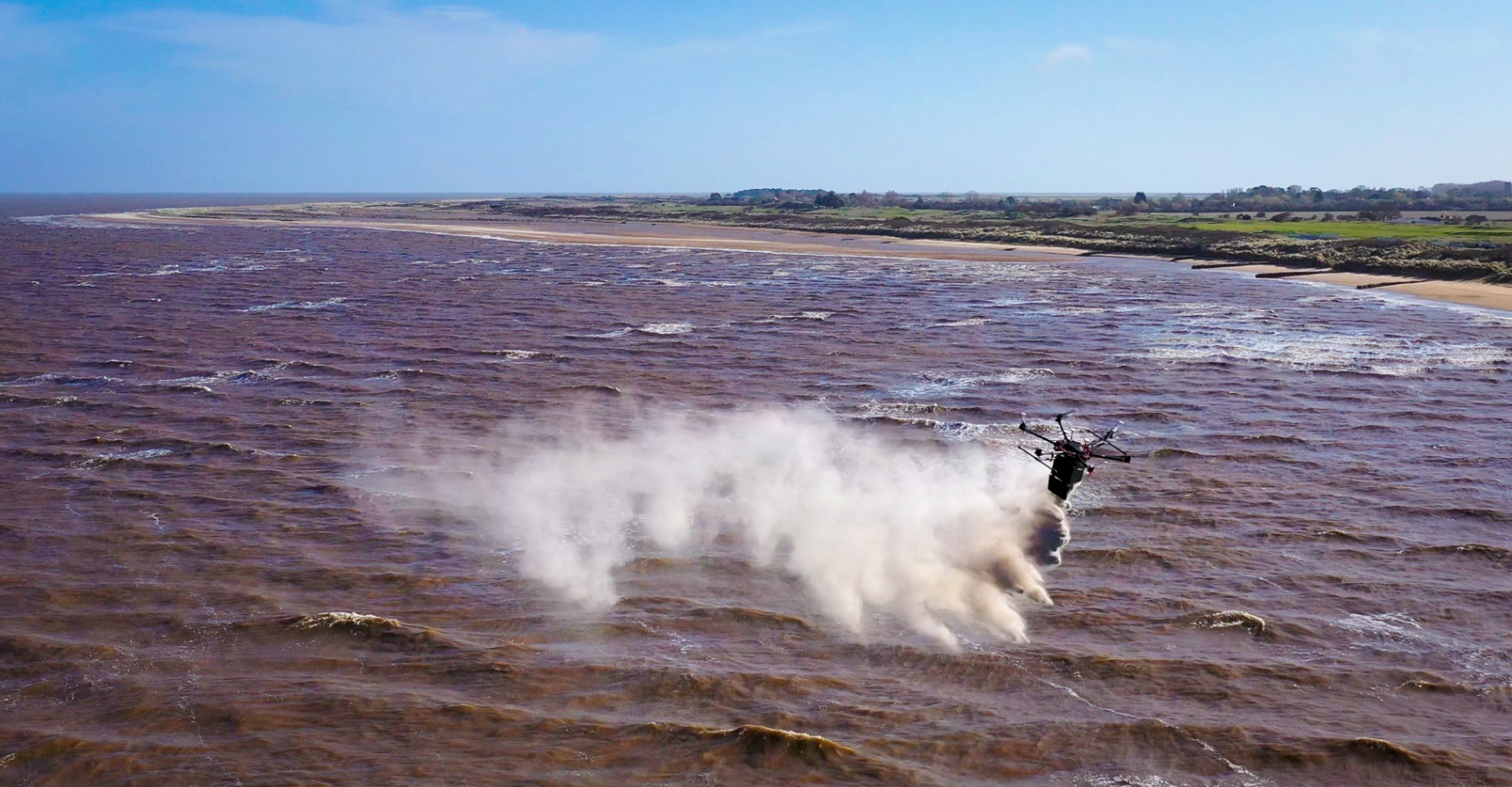
To truly avoid the pitfalls of wind, crowds, and regulations, many families are turning to modern solutions. A drone ash scattering offers a level of precision and dignity that is difficult to achieve by hand.
By using a specialized drone, the ashes can be transported several hundred meters away from the shore. This allows the family to watch from a safe, private distance while the remains are released into the sea air, drifting gracefully down to the water. This method completely eliminates the risk of blowback and ensures that the ceremony remains private, even on the busiest days in St Ives.
According to research in the Journal of Palliative Medicine, the use of technology in memorials can provide a sense of agency and control to the bereaved, which is a crucial step in healing. We have seen how this technology transforms a stressful day into a moment of awe. You can see how this works in our guide to why everyone is talking about drone ashes scattering in Cornwall.
"https://cdn.marblism.com/-407H_ePjON.jpg"
Planning Your Logistics for St Ives
A successful ceremony requires careful planning. St Ives has unique logistical challenges, including limited parking and steep walks to certain viewpoints.
- Check the Marine Forecast. Use tools like the Met Office or specialized surfing forecasts to check swell and wind speeds.
- Coordinate with a Professional. If you are worried about the technicalities, reach out to an expert. We offer guidance on ashes scattering ceremony logistics to help you navigate the specifics of the Cornish coast.
- Consider Accessibility. Ensure that all family members can reach the chosen spot. If some relatives have mobility issues, a drone ceremony is ideal because the "scattering" happens in the air, visible from accessible areas like the St Ives harbour walls.
Creating a Lasting Tribute
The goal of any memorial is to honor the life of the deceased while providing peace to those left behind. St Ives, with its artistic history and spiritual atmosphere, is a wonderful choice for this final act. By avoiding the common pitfalls of DIY ceremonies, you can ensure that the day is remembered for its beauty and serenity.
Whether you choose a quiet moment at Porthgwidden or a more dramatic farewell near Godrevy Lighthouse, taking the time to plan ensures that you move from the guilt of "The Ashes on the Shelf" to the relief of a job well done. If you are still exploring locations, you might want to read our ultimate guide to scattering ashes at Porthcurno for a comparison of Cornwall's most beautiful beaches.
"https://cdn.marblism.com/9uxxD_x-2Ox.jpg"

Final Considerations for Your St Ives Memorial
When you look back on this day years from now, you should feel a sense of pride. You followed the rules, protected the environment, and honored your loved one with a dignified ceremony. By choosing professional assistance, you bypass the common errors that lead to "The DIY That Went Wrong" and instead create a legacy of peace.
The Cornish sea is a powerful symbol of eternity. Letting go in a place as beautiful as St Ives is a gift to both the deceased and the living. Take the next step in your journey toward closure by ensuring every detail is handled with the care and expertise it deserves.
We're Online! How may I help you today?