 UK
UK
 Hawaii
 USA
USA
How to Scatter Ashes: 7 Mistakes You're Making (and How to Fix Them)
Scattering a loved one's ashes should be a moment of peace and closure: a final act of love that honors their memory in a place that mattered to them. But when things go wrong during an ashes scattering ceremony, what was meant to be a dignified farewell can become stressful, even uncomfortable.
You might picture a serene scene: standing by the coast or atop a meaningful hillside, releasing cremation ashes into the wind. The reality, though, is that DIY ash scattering comes with unexpected challenges that catch families off guard. From legal restrictions you didn't know existed to weather conditions that turn heartfelt moments into awkward struggles, these mistakes are more common than you'd think.
The good news? They're all avoidable. Whether you're planning to scatter ashes yourself or considering a professional service, understanding these seven pitfalls will help ensure the ceremony reflects the dignity your loved one deserves.
1. Standing in the Wrong Spot (and Getting Covered in Ashes)
This is the mistake that happens most often: and it's the one that families remember for all the wrong reasons.
The problem: When you release ashes into the wind without checking direction first, they blow straight back onto you and other mourners. Ashes cling to clothing, skin, and hair. What should be a peaceful release becomes an uncomfortable scramble for tissues and apologies.
How to fix it: Before the ceremony begins, spend a few minutes observing the wind. Hold up a wet finger or watch how nearby grass moves. Position everyone so the wind carries ashes away from the group, not toward them. If you're scattering over water, work with the current: release ashes upstream so they disperse naturally downstream.
This is one area where drone ash scattering eliminates the guesswork entirely. The ashes are released from above at a controlled altitude, dispersing evenly without any risk of blowback. Families can stand anywhere they choose and simply witness the moment, rather than worrying about wind direction.

2. Ignoring UK Laws About Where You Can Scatter Ashes
Many families assume that if a location was meaningful to their loved one, it's automatically acceptable for scattering. Unfortunately, that's not always the case.
The problem: While the UK has relatively permissive laws around ash scattering compared to some countries, you still need permission for many locations. Scattering on private land without the owner's consent is trespassing. Some public spaces, including certain parks and beaches, require permits. And despite popular belief, scattering in rivers and waterways can have environmental restrictions.
How to fix it: If you're considering private property: including farmland or estates: obtain written permission from the landowner first. For public spaces, check with the local council about any restrictions. For coastal scattering, avoid areas near swimming beaches or within sight of crowded spaces out of respect for others.
According to guidance from the UK government's Environment Agency, ashes scattered in waterways should be dispersed in a way that doesn't create visible remains or impact water quality. Professional services understand these regulations intimately and can recommend locations that are both meaningful and legally appropriate.
3. Using Standard Urns That Don't Disperse Properly
Not all urns are created equal: and the attractive ceramic or metal urn from the crematorium wasn't designed for scattering.
The problem: Traditional urns have narrow openings that make controlled dispersal nearly impossible. You end up shaking or tipping the urn awkwardly, creating clumps of ash that fall heavily rather than dispersing. If you're scattering over water, non-biodegradable urns become litter that contradicts the very purpose of returning someone to nature.
How to fix it: Use a biodegradable scattering urn made from materials like bamboo, recycled paper, or salt. These urns are designed with wider openings for easier release and will naturally decompose if any material enters the environment. Some water urns are designed to float briefly before dissolving, creating a reflective moment as they sink.
Alternatively, modern drone scattering technology uses specialized biodegradable containers that release ashes gradually during flight, ensuring even dispersal across a wide area. This approach avoids the awkwardness of manual tipping entirely while ensuring no waste is left behind.

4. Picking the Wrong Weather Day
British weather is famously unpredictable. Choosing a date without considering conditions can derail even the most carefully planned ashes scattering ceremony.
The problem: Strong winds make controlled scattering impossible: ashes go everywhere except where you intended. Rain dampens ashes, causing them to clump and stick. If you're scattering at sea, rough waters create safety risks and make it difficult for boats to position properly.
How to fix it: Check the detailed weather forecast at least three days before your ceremony, and have a backup date ready. Early morning often offers calmer conditions than midday. If you're working with a charter boat service, they'll typically advise on optimal timing based on marine forecasts and tidal patterns.
Professional drone services monitor weather conditions closely and can reschedule at no penalty if conditions aren't suitable. Because drones can operate at various altitudes, they're also able to work in a wider range of weather conditions than manual scattering allows.
5. Leaving Visible Ashes Behind
Even with the best intentions, DIY scattering sometimes leaves visible traces: grey patches on grass, ash residue on stones, or clumps that haven't dispersed.
The problem: Visible remains are distressing for other visitors to the location and may violate the terms of any scattering permission you obtained. In some cases, groundskeepers or council workers may remove the ashes, which defeats the purpose entirely.
How to fix it: Scatter ashes in thin layers across a wide area rather than pouring them in one spot. If any visible residue remains, use your hands or a soft brush to work it gently into soil or vegetation. Bring water to help ashes dissolve and disappear into the ground naturally.
Avoid adding non-biodegradable items to the site. Plastic flowers, laminated photos, or synthetic wreaths create litter. Choose fresh flowers, seed paper memorial cards, or natural stone markers instead.
Drone scattering naturally solves this issue by releasing ashes from height, allowing them to disperse invisibly across a broad area. The release is controlled and gradual, ensuring no visible traces remain in any single location.
6. Skipping Ceremony Planning (and Regretting It Later)
When families focus entirely on logistics: location, timing, weather: they sometimes forget to plan the emotional structure of the ceremony itself.
The problem: Without a plan, the scattering feels rushed or awkward. Family members stand around uncertainly, unsure when to speak or what to do. The moment that should provide closure instead feels incomplete or anticlimactic, leaving people disappointed.
How to fix it: Before the day, decide on the ceremony structure. Will someone say a few words? Will you include readings, prayers, or a moment of silence? Consider playing meaningful music from a portable speaker. Decide in advance who will physically release the ashes: or whether multiple family members will participate.
Create a simple order of service, even if it's just a mental outline:
- Welcome and gathering
- Reading or reflection
- The scattering itself
- Closing words or music
- Time for quiet reflection
Some families choose to include a symbolic element, like releasing biodegradable balloons or floating flower wreaths. Others prefer simplicity. There's no right answer: what matters is that the ceremony reflects your loved one's values and provides the closure your family needs.
Professional services often include ceremony guidance and can coordinate with celebrants or religious leaders if you'd like formal elements included.
7. Forgetting Essential Practical Items
It's easy to focus on the emotional preparation and forget about practical supplies: until you're standing at a remote location without them.
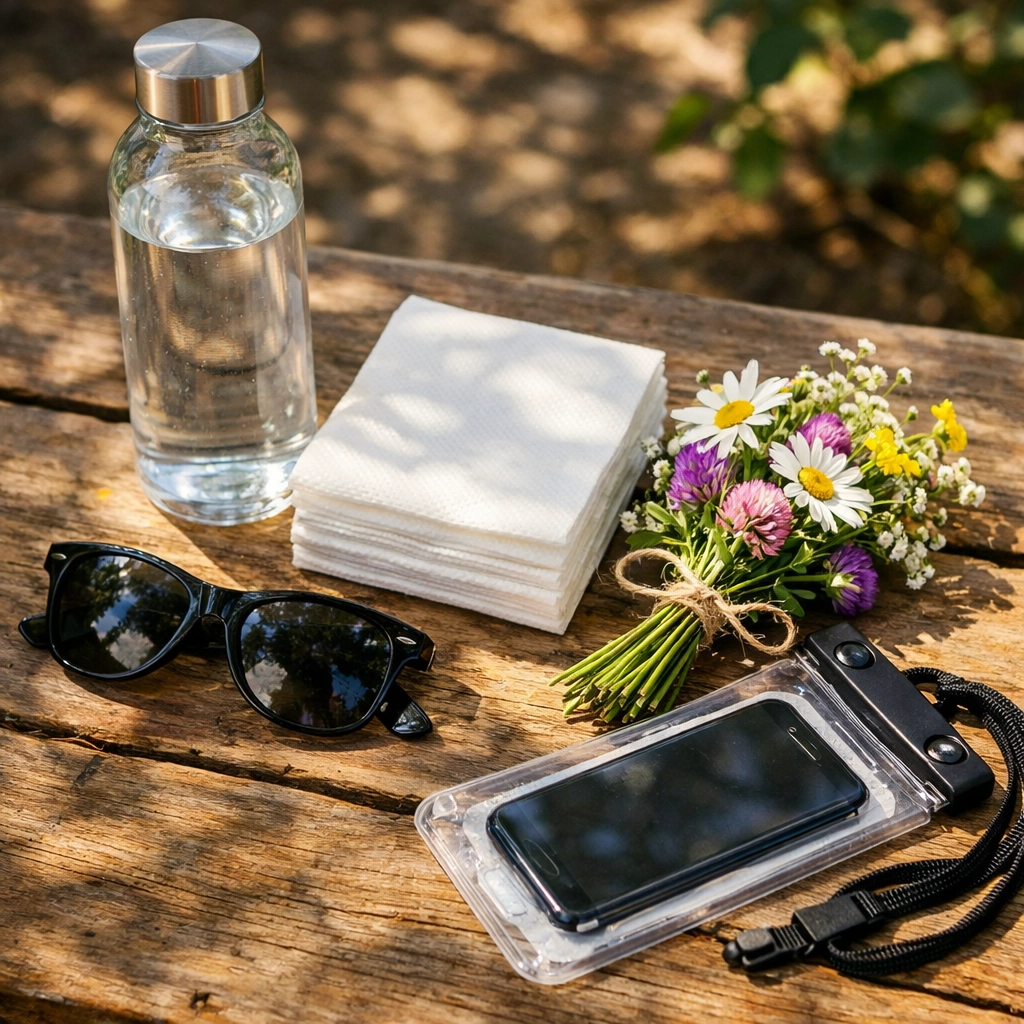
The problem: Ashes stick to skin and require water to wash off. Bright sun during outdoor ceremonies causes squinting and discomfort during what should be a focused moment. You want to photograph or record the ceremony but risk dropping your phone in water or mud. Small oversights accumulate into larger frustrations.
How to fix it: Create a checklist at least one day before:
- Water and paper towels for cleanup (ash residue is surprisingly sticky)
- Sunscreen and sunglasses for outdoor ceremonies
- Insect repellent if scattering near water or woods
- Waterproof phone case if documenting near water
- Fresh flowers or petals to release alongside ashes
- Tissues for emotional moments
- Comfortable shoes suitable for the terrain
- Extra layers if weather is unpredictable
If elderly family members or those with mobility issues will attend, consider accessibility. Remote hilltops or rocky coastlines might need to be adapted, or you may need to arrange transportation assistance.
When you work with a professional ash scattering service, many of these details are handled for you. The focus shifts from logistics to being fully present during the ceremony itself.
How Professional Drone Scattering Addresses These Challenges
Many of these seven mistakes stem from the inherent difficulties of manual cremation ashes scattering: unpredictable wind, difficult terrain, weather limitations, and the physical awkwardness of the process itself.
Drone ash scattering offers a modern solution that preserves the dignity and meaning of the ceremony while eliminating the common pitfalls. The ashes are released from a controlled altitude, dispersing evenly and invisibly across a wide area. There's no risk of blowback onto mourners, no clumping, and no visible traces left behind.
Because drones can access locations that would be difficult or impossible to reach on foot: remote hilltops, expansive forests, specific coordinates at sea: they expand the range of meaningful locations available. Weather flexibility is greater, and the ceremony itself becomes a visual moment of beauty as families watch the ashes release from above.
Professional services also handle all regulatory requirements, ensuring compliance with UK ash scattering rules and obtaining any necessary permissions for the chosen location.
Creating a Farewell That Honors What Matters
Whether you choose to scatter ashes personally or work with a professional service, avoiding these seven mistakes will help ensure the ceremony provides genuine closure.
The goal isn't perfection: grief doesn't require flawless execution. What matters is creating a moment that feels true to your loved one's memory and offers your family a chance to say goodbye in a meaningful way. With proper planning, legal awareness, and practical preparation, an ashes scattering ceremony becomes the peaceful farewell it's meant to be.
If you're considering professional assistance, learn more about how Aerial Ashes provides dignified drone scattering services across the UK, or explore our frequently asked questions about the process.
For more information, connect with us on our social channels or contact us directly through our website.
We're Online! How may I help you today?