 UK
UK
 Hawaii
 USA
USA

Looking For a Scenic Farewell? Here Are 10 Things You Should Know About Ashes Scattering at Crantock Beach
Looking For a Scenic Farewell? Here Are 10 Things You Should Know About Ashes Scattering at Crantock Beach
The experience of loss often leads individuals toward the natural world in search of solace and a sense of continuity. For many families, the rhythmic pull of the tide and the vastness of the Atlantic Ocean provide a profound backdrop for a final farewell. Cornwall, with its rugged cliffs and expansive sands, has long been a destination for those seeking a meaningful location for a memorial. Among these coastal gems, Crantock Beach stands out as a place of exceptional beauty and quiet dignity.
Crantock is situated just across the Gannel Estuary from the busier pulse of Newquay, offering a more secluded and tranquil environment. The beach is characterized by its massive sand dunes, known as the Rushy, and the turquoise waters that shift with the Cornish weather. Choosing a location for ashes scattering is a deeply personal decision, and understanding the specific characteristics of Crantock can help ensure the ceremony is as peaceful as the landscape itself.
1. Understanding Land Ownership and Permissions
One of the first practical steps in planning a memorial at Crantock is understanding who manages the land. This beach is largely cared for by the National Trust. While there are no specific laws in the UK that forbid the scattering ashes at sea or on many public beaches, the National Trust has guidelines to ensure the landscape and its wildlife are protected.
It is always respectful to notify the local land manager of your intentions. They generally permit small, private ceremonies as long as no permanent markers are left behind and the environment is respected. This ensures that the beach remains a pristine sanctuary for everyone. For those who feel overwhelmed by the logistical side of planning, reading the ultimate guide to scattering ashes: everything you need to know about UK logistics can provide much-needed clarity on the broader rules governing these ceremonies.
2. The Influence of the Gannel Estuary
Crantock is unique because it sits at the mouth of the Gannel Estuary. This means the water movement is influenced not just by the ocean tides, but also by the flow of the river. At low tide, the beach is an expansive plain of golden sand, and the Gannel can often be crossed on foot or via the seasonal footbridge. At high tide, the water pushes far up the estuary, completely transforming the landscape.
When planning a ceremony, the state of the tide is a crucial factor. A ceremony held at the water's edge during a receding tide ensures that the remains are carried out to sea naturally. Conversely, an incoming tide might bring the water closer to the dunes than expected. Checking local tide tables is an essential part of the preparation process to ensure your chosen spot remains accessible.
3. Managing the Cornish Wind
The Atlantic coast is famous for its breezes, which can range from a gentle salt spray to a brisk gale. When scattering ashes by hand, the wind is often the most significant challenge. Traditional scattering can be unpredictable, as even a light gust can cause the remains to blow back toward the family or settle in unwanted areas.
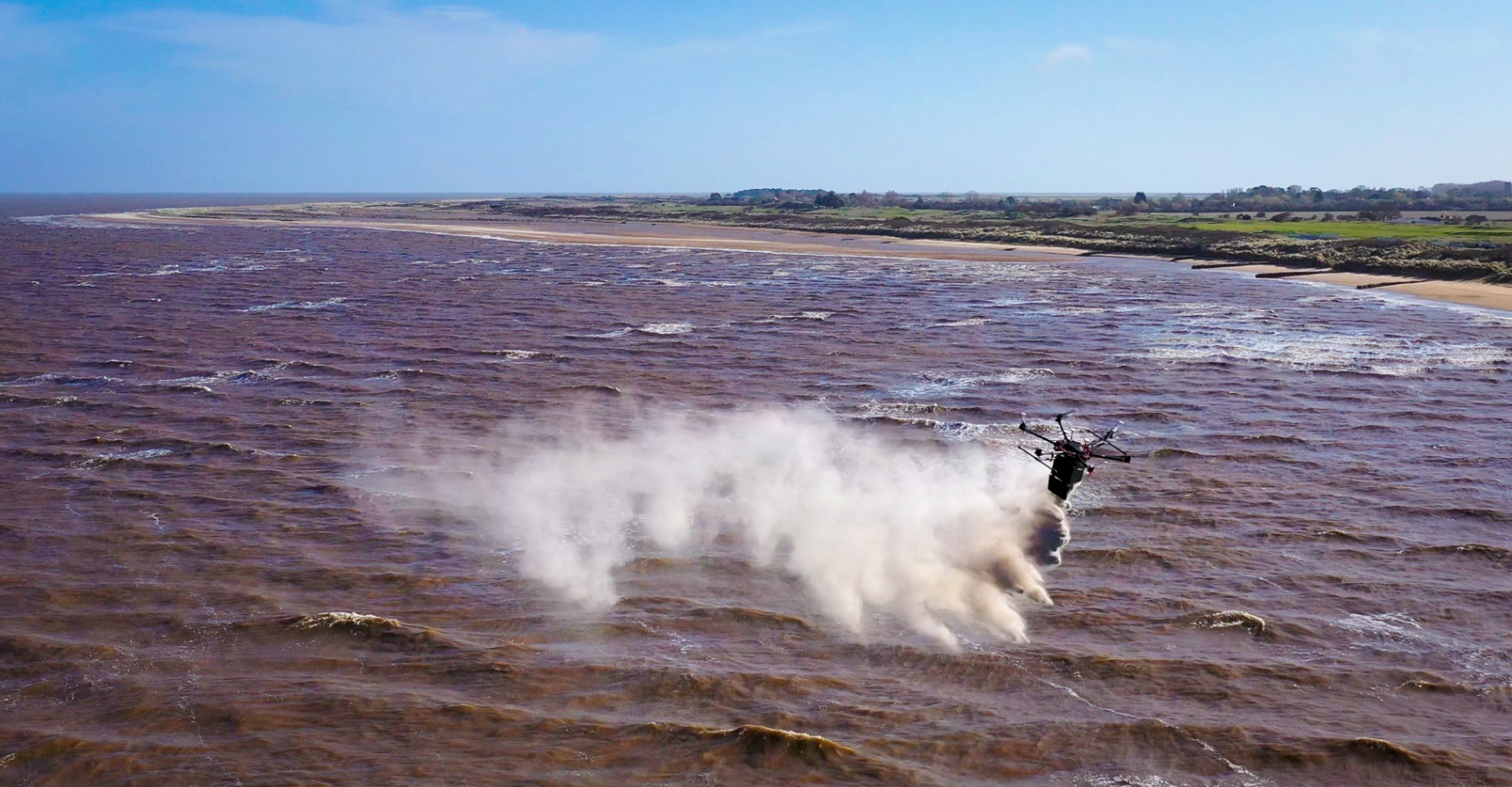
This is where the precision of technology becomes an asset. Using a drone ash scattering service allows the release to happen at a controlled height and distance from the shore. The drone can be positioned to account for wind direction, ensuring the ashes are dispersed smoothly and move out over the water as intended. This method provides a level of dignity and control that is often difficult to achieve manually on a windy Cornish clifftop.

4. Environmental Sensitivity and "Cremains"
When we discuss the environmental impact of a memorial, we look at the composition of the remains. Cremated remains, often referred to as "cremains," are primarily composed of calcium phosphates and various minerals. While these are natural, they are highly concentrated. Research indicates that scattering large amounts of ashes in a single, confined land area can temporarily alter the soil chemistry, potentially affecting local flora.
However, scattering over the ocean or in a dynamic environment like Crantock Beach mitigates this concern. The vast volume of the sea and the constant movement of the tide quickly disperse the minerals. To remain fully environmentally conscious, it is essential that anything else released during the ceremony: such as flowers or a commemorative urn: is 100% biodegradable. Avoid any plastics, wires, or ribbons that could harm the marine ecosystem.
5. The Psychology of the Scenic Farewell
There is a scientific basis for why we find comfort in coastal memorials. According to a study published in the Journal of Environmental Psychology (White et al., 2010), "blue spaces": environments featuring water: are consistently associated with higher levels of restoration and lower levels of psychological distress compared to "green spaces."
The vast horizon at Crantock provides a sense of perspective that many find helpful during the grieving process. The act of releasing ashes into the air or water symbolizes a "letting go" that can be a crucial step in emotional healing. By choosing a location with such natural grandeur, families often feel they are returning their loved one to a larger, eternal cycle. You can explore why this method is gaining popularity in our article on why everyone is talking about drone ashes scattering in Cornwall.
6. Accessibility and the "Rushy" Dunes
Crantock is famous for its towering sand dunes. While they are beautiful, they can be physically demanding to navigate. The main path from the car park involves a walk through soft sand, which can be difficult for elderly family members or those with mobility issues.
If you are planning a group gathering, it is worth scouting the access points. There are parking areas near the beach, but the final stretch to the shoreline requires a bit of a trek. This accessibility factor is another reason why families often choose a drone ash scattering service. The family can remain in a comfortable, accessible area on the dunes or at a nearby viewpoint, while the drone carries the ashes out to a more remote or picturesque part of the bay that might be physically unreachable for the group.

7. Privacy and Timing the Ceremony
Crantock is a popular spot for surfers, dog walkers, and families. To ensure your memorial remains private and peaceful, timing is everything. Early morning, just as the sun is rising over the Gannel, offers a stillness that is hard to find during the middle of the day. Alternatively, a sunset ceremony provides a naturally reverent atmosphere.
Choosing these "off-peak" times not only provides privacy for your group but also ensures that the drone ash scattering can be conducted with minimal distraction. The goal is to create a quiet moment of reflection, and the soft light of dawn or dusk at Crantock is perfectly suited for this purpose. If you are looking for other quiet spots nearby, you might also consider the options mentioned in our guide to 10 things you should know about scattering ashes at Fistral Beach, which is just around the headland.
8. The Symbolism of Piper’s Hole
For those familiar with the local lore of Crantock, there is a cave carved into the cliffs at the edge of the beach known as Piper’s Hole. Inside, there is a famous carving of a woman’s face and a horse, along with a poem. This site adds a layer of romantic and historic mystery to the location.
While the cave itself might be too tide-dependent for a ceremony, the cliffs above it offer a stunning vantage point. A drone can be launched from the clifftop, flying out past the historic carvings to release the ashes over the Atlantic. This connects the memorial to the deep history and legends of the Cornish coast, creating a truly unique and personalized tribute.
9. Preparing for the Coastal Elements
A coastal memorial requires practical preparation. The weather in Cornwall can change rapidly; what begins as a sunny morning can quickly turn into a misty afternoon. We suggest advising all guests to wear sturdy footwear: sand and wet rocks can be slippery: and to bring layers of clothing.
Even if the sun is shining, the wind coming off the water can be cold. Providing guests with this information beforehand ensures that everyone remains comfortable and focused on the ceremony rather than the temperature. If you are using a professional service, the operator will monitor the weather closely, as drones have specific operating limits for wind and rain to ensure a safe and dignified flight.
10. The Dignity of Remote Participation
Sometimes, not every family member can travel to the rugged coast of Cornwall. One of the most significant benefits of a modern drone ceremony is the ability to record or even live-stream the event. This ensures that relatives across the UK or abroad can still witness the farewell.
A drone provides a perspective that a person standing on the beach simply cannot see. It captures the moment the ashes meet the water, framed by the entire sweep of the coastline. This visual record becomes a cherished memory for the family, allowing them to revisit the peaceful moment whenever they need to find a sense of closeness to their loved one.
Creating a Lasting Legacy
Crantock Beach offers a rare combination of natural beauty, historic depth, and serene atmosphere. Whether you choose to scatter ashes by the water’s edge or utilize the precision and perspective of a drone, the most important element is the intent behind the act. By considering the tides, the wind, and the environment, you ensure that the farewell is as respectful to the landscape as it is to the memory of the deceased.
A memorial at sea is not just an ending; it is a way of weaving a loved one’s story into the enduring beauty of the Cornish coast. The sound of the waves and the cry of the gulls at Crantock provide a natural requiem that stays with you long after you leave the shore.
We're Online! How may I help you today?