 UK
UK
 Hawaii
 USA
USA
Looking For Help With Scattering Ashes? Here Are 10 Things You Should Know About Fistral Beach
Looking For Help With Scattering Ashes? Here Are 10 Things You Should Know About Fistral Beach
Choosing the final resting place for a loved one is a journey filled with both emotion and a deep desire for peace. Many families find that a traditional cemetery does not quite capture the spirit of the person they are honouring. Instead, they look toward the horizon, the rhythmic pulse of the tide, and the wide-open skies of the British coast. Cornwall, with its rugged cliffs and pristine sands, has long been a sanctuary for those seeking a meaningful farewell.
Among the many beautiful locations in the South West, Fistral Beach in Newquay stands out as a premier destination. Known worldwide for its surfing culture, it also offers a sense of vastness and natural beauty that is perfect for a dignified memorial. However, planning a ceremony in such a popular and environmentally sensitive area requires careful thought.
Research suggests that the setting of a memorial service plays a crucial role in the grieving process. A study published in the Journal of Palliative Medicine (Casarett et al., 2011) indicates that families who choose personalised, nature-based ceremonies often report a higher sense of closure and peace. By moving away from clinical settings and into the natural world, the focus shifts from loss to a celebration of life within the cycle of nature.
1. Understanding Land Ownership and Permissions
The first thing to know about Fistral Beach is that the land is not simply public property in the way many might assume. Much of the coastline in Cornwall is managed by either the National Trust or the Duchy of Cornwall. These organisations act as stewards of the land, ensuring its beauty is preserved for future generations.
If you are planning on scattering ashes here, it is essential to respect their guidelines. Generally, these bodies are amenable to small, private ceremonies, provided they do not disrupt the environment or other visitors. Before you head to the shore, it is always wise to check current policies. For those who feel overwhelmed by the logistics, using a professional service can simplify this process, as we often handle the necessary permissions on your behalf. You can book an ashes scattering service to ensure every legal and ethical box is ticked.
2. The Impact of Tide Times on Your Ceremony
Fistral Beach is a tide-dependent location. At low tide, the beach is vast, offering plenty of space for families to find a quiet corner. However, at high tide, the sea covers much of the sand, leaving only a narrow strip of beach. This can make a shore-based ceremony feel crowded or even impossible if the waves are particularly active.
Planning around the tide is crucial for maintaining the dignity of the moment. A ceremony held at the wrong time might find you competing with surfers or dog walkers for space. Checking a local tide table is a mandatory step in the planning process. By understanding the movement of the Atlantic, you can ensure your farewell happens in a moment of calm rather than a struggle against the rising water.
3. Why Drone Ash Scattering is a Preferred Option at Fistral
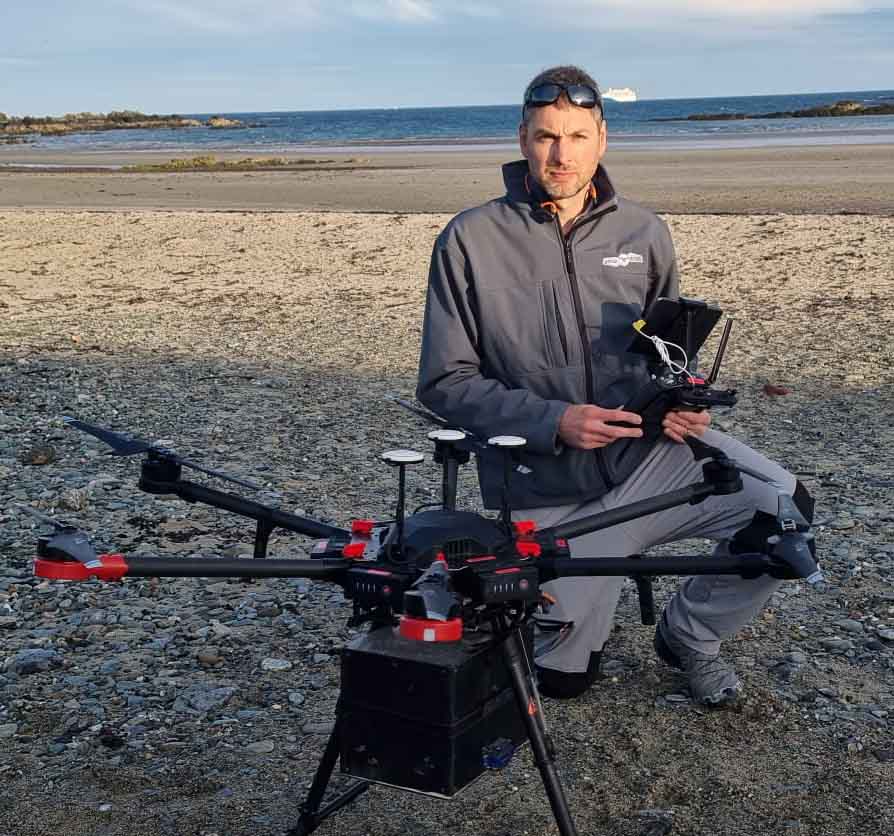
Fistral is a busy beach. Even on a quiet day, there are often people in the water or walking along the cliffs. This is one of the primary reasons why drone ash scattering has become such a popular choice for families in Cornwall.
When you scatter ashes from the shore, the wind can be unpredictable, and the ashes can sometimes "clump" or blow back toward the mourners. Using a specialised drone allows the ashes to be released higher in the air, directly over the sea. This ensures a smooth, graceful dispersal that is visible from the shore but far removed from the crowds. It creates a striking visual tribute as the ashes join the sea breeze and the waves, providing a level of dignity that hand-scattering often struggles to match.
4. Adhering to Strict Environmental Guidelines
The Cornish coast is a delicate ecosystem. The Environment Agency and local conservation groups have clear rules about what can be introduced into the water. When scattering ashes, it is vital to remember that only the ashes themselves should be released.
Many people wish to throw wreaths, flowers, or even small notes into the water. However, items containing plastic, wire, or synthetic ribbons are prohibited as they harm marine life. Even "biodegradable" items can take a long time to break down in cold Atlantic waters. If you wish to include a floral tribute, ensure it is 100% natural and free from any binding materials. We advocate for a "leave no trace" policy to ensure Fistral remains beautiful for everyone.
5. Managing Group Size and Privacy
Fistral Beach is a place of public enjoyment. While the National Trust generally permits memorials, they request that ceremony groups remain small. A large gathering can draw unwanted attention and may lead to restrictions.
For those who have a large circle of family and friends, a drone ceremony offers a unique solution. The group can stand together on the beach or a clifftop, watching the drone perform the scattering over the water. This allows everyone to participate in the moment without physically crowding a specific area of the beach. It balances the need for a shared experience with the need to respect the public nature of the location.
6. Navigating CAA Regulations for Drone Use
If you are considering using a drone for your ceremony, it is not as simple as flying a hobbyist craft over the beach. The Civil Aviation Authority (CAA) has strict regulations regarding drone flight, especially in areas where the public gathers.
Professional operators, like those at Aerial Ashes Matt, hold the necessary permissions and insurance to fly safely and legally. We coordinate with local authorities to ensure that the flight does not interfere with other airspace users or endanger people on the ground. This technical expertise is part of what makes our service a "dignified and professional" choice for families. You can learn more about our approach on our about us page.

7. The Importance of Wind and Weather Planning
The Atlantic coast of Cornwall is famous for its weather. A beautiful sunny morning can quickly turn into a windy afternoon. Wind direction is a major factor in ashes scattering. On a beach like Fistral, an onshore wind can make traditional scattering very difficult.
When planning your day, we always look for a "weather window." This involves monitoring wind speeds and directions to ensure the dispersal goes as planned. A drone can often fly in conditions where a shore-based scattering would be messy, but even drones have limits. Flexibility is key. We always recommend having a primary date and a "weather backup" date to ensure the ceremony is as serene as possible.
8. Choosing the Right Time of Day
Timing is everything at Fistral Beach. To achieve the sense of peace and seclusion that a memorial deserves, early morning is often the best choice. Between 7:00 AM and 9:00 AM, the beach is at its most tranquil. The light is soft, the air is often calmer, and the crowds of surfers haven't yet arrived in full force.
According to research in the Journal of Environmental Psychology (Hartig et al., 2003), natural light and quiet environments significantly enhance the restorative effects of nature. An early morning ceremony at Fistral provides this restorative atmosphere, allowing families to focus entirely on their loved one without the distractions of a busy tourist destination.

9. Protecting the Marine Ecosystem
While cremated ashes (often called "cremains") are primarily composed of calcium phosphate and do not pose a threat to the environment, the way they are handled matters. At Aerial Ashes Matt, we are committed to an environmentally conscious approach.
By using a drone to scatter ashes over the sea, we ensure that the minerals are dispersed over a wide area, where they naturally integrate into the marine environment. This prevents the "piling" of ashes on the seabed or the shore, which can happen with traditional water burials or shore scattering. It is a modern way to honour a loved one while being a responsible guest of the Cornish coast. If you're wondering if you're ready for this step, you might find our guide are you ready to scatter your loved ones ashes helpful.
10. The Benefit of Professional Guidance
Attempting to coordinate permissions, tide times, weather checks, and equipment by yourself during a time of grief can be incredibly stressful. This is why many families choose to work with a dedicated memorial assistant.
A professional service provides more than just a drone; it provides peace of mind. We handle the logistics so that you can focus on the emotional significance of the day. From choosing the perfect spot at Fistral to ensuring the ceremony is captured or even live streamed for those who cannot attend, we are here to support you. We act as your ideal memorial assistant, ensuring the farewell is exactly as you envisioned.
Creating a Lasting Memory in Cornwall
Fistral Beach is more than just a stretch of sand; it is a place of power, beauty, and eternal movement. For those whose loved ones held a special bond with the sea or the county of Cornwall, it offers a final resting place that is truly spectacular.
By understanding these ten points, you can ensure that your ceremony is respectful, legal, and profoundly moving. Whether you choose a quiet moment at dawn or a shared family gathering on the cliffs, the most important thing is that the farewell reflects the life and spirit of the person you lost.
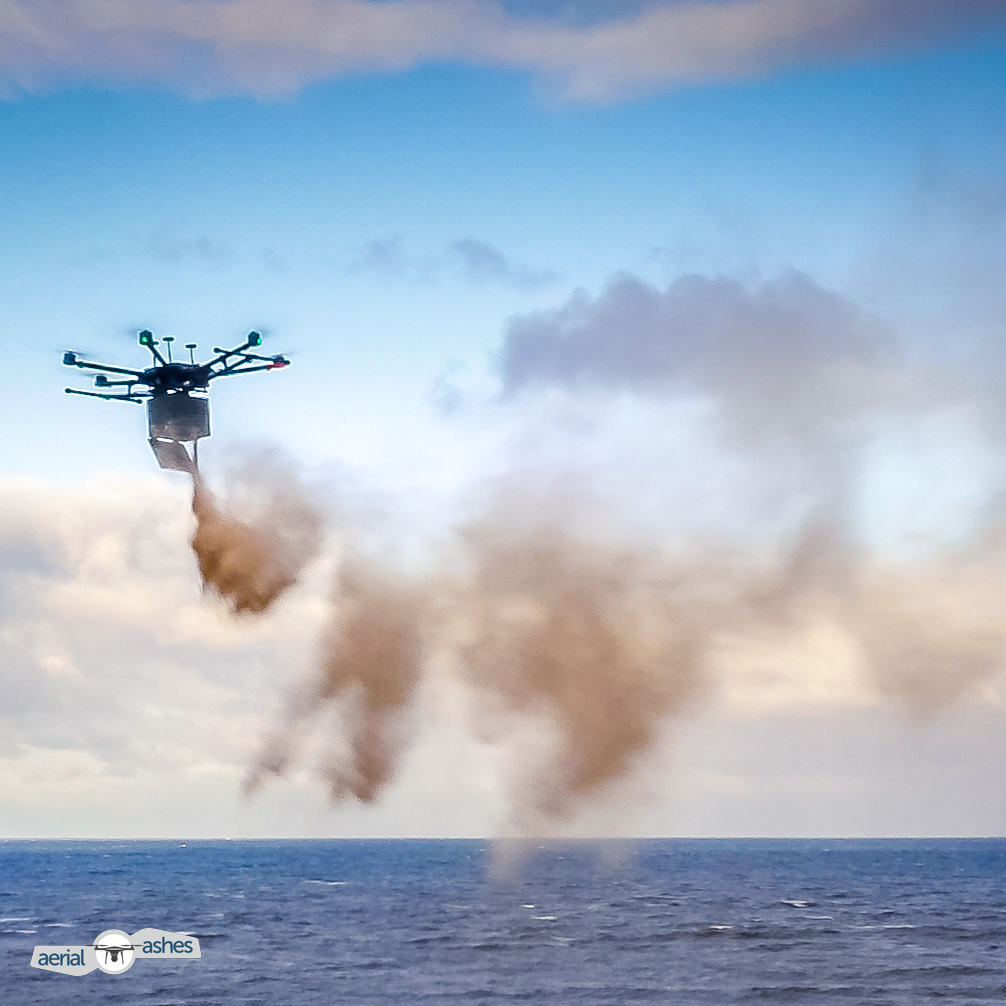
The combination of Cornwall's natural majesty and modern technology allows us to create memorials that were once impossible. We are proud to offer a service that respects the environment while providing families with a unique, beautiful way to say goodbye. If you are ready to start planning, you can plan your own ceremony now or reach out to us for a friendly chat about how we can help.
We're Online! How may I help you today?