 UK
UK
 Hawaii
 USA
USA

Portholland Beach Memorials: A Hidden Gem for a Cornwall Memorial
Portholland Beach Memorials: A Hidden Gem for a Cornwall Memorial
Finding the perfect spot to say a final goodbye is a task that carries a lot of weight. You want somewhere that feels right, somewhere that captures the essence of a person, and somewhere that offers a sense of peace that lingers long after the day is done. For many, that search leads them to the rugged, salt-sprayed coastline of Cornwall. While the big names like St Ives or Newquay often get the limelight, there is a quieter, more intimate corner of the Roseland Peninsula that holds a special kind of magic: Portholland.
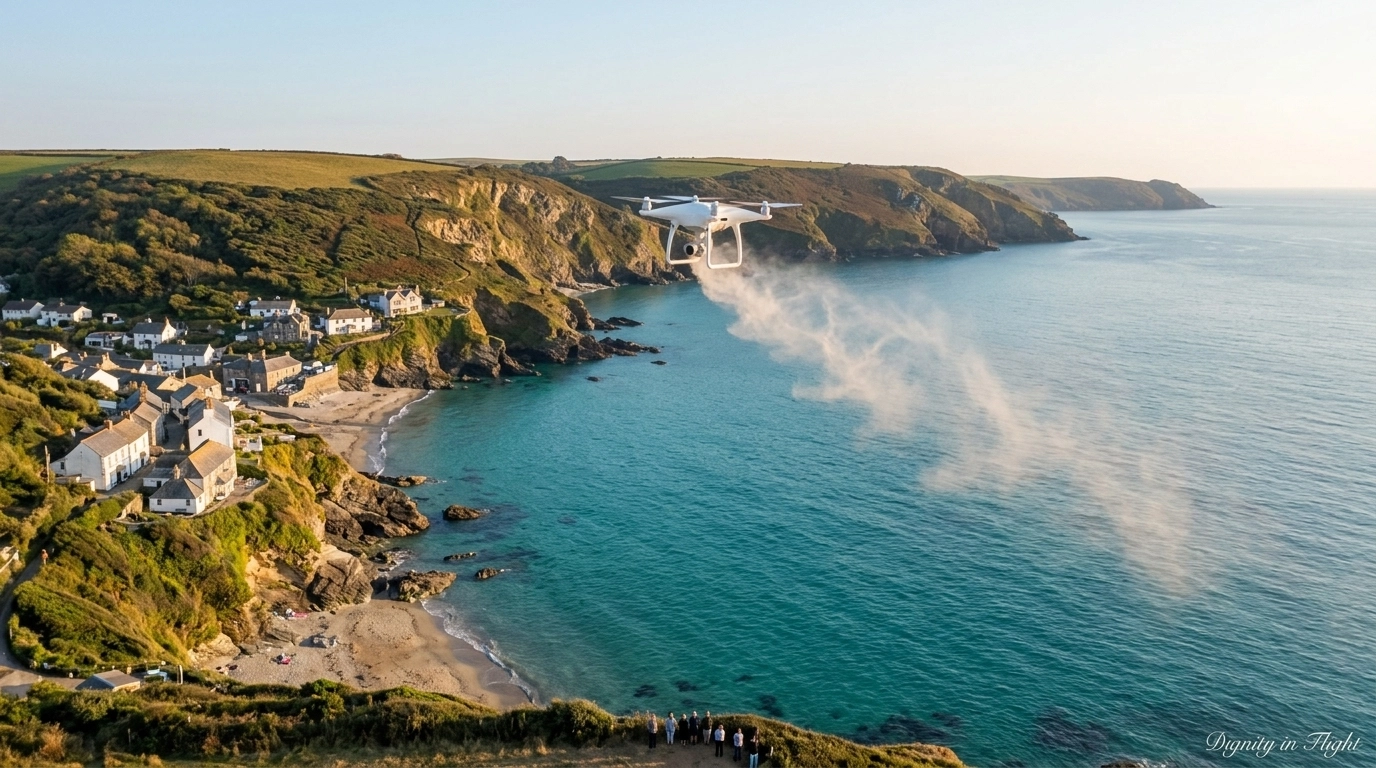
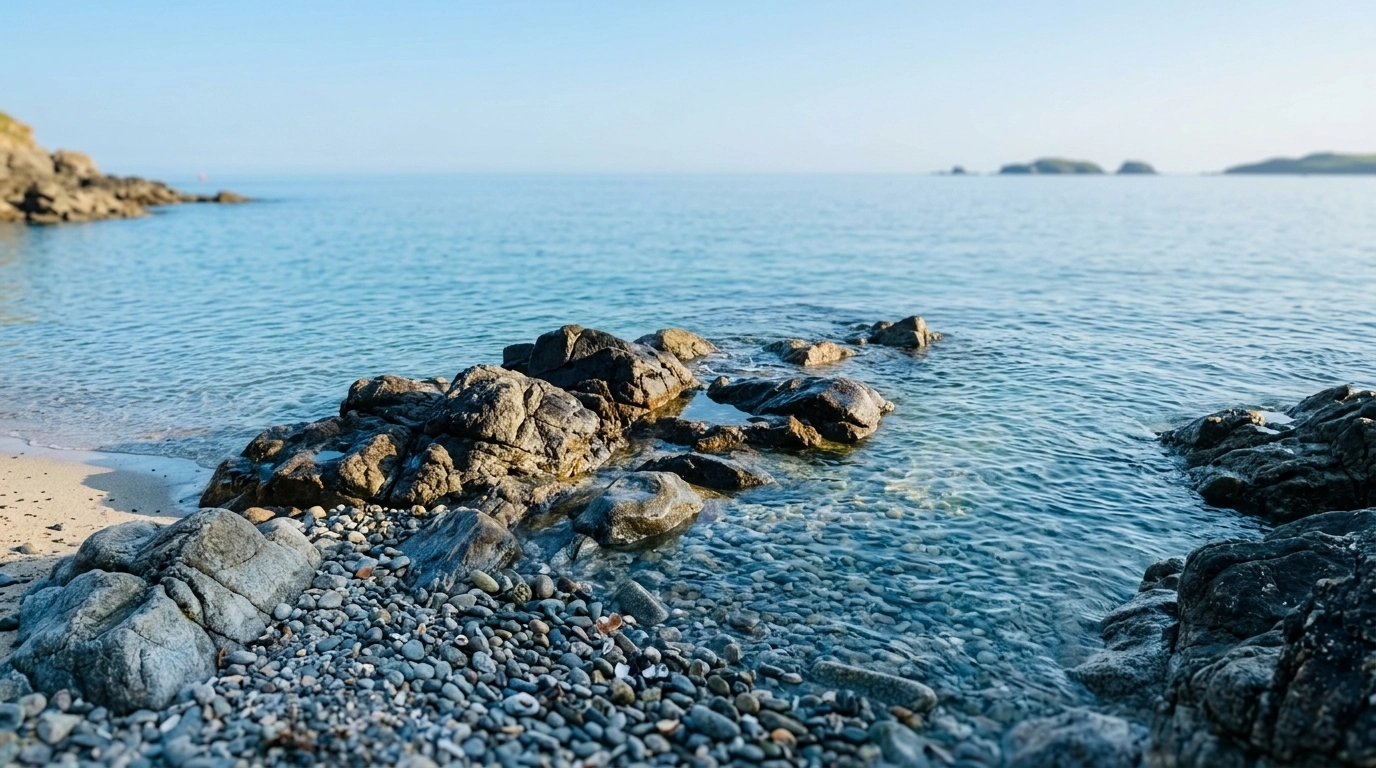
Portholland is actually two tiny villages, East and West Portholland, joined by a stretch of grey rocks and golden sand when the tide decides to behave. It is the kind of place where time seems to have taken a long, comfortable nap. There are no neon signs, no bustling high streets, and definitely no overpriced souvenir shops. Instead, you get timeless stone cottages, a sense of community, and a beach that feels like it belongs solely to you and the seagulls. This makes it an extraordinary location for ashes scattering, offering a level of privacy and serenity that is becoming increasingly hard to find.
The Unique Charm of Portholland
When people think of a Cornwall memorial, they often imagine the wide, sweeping vistas of the north coast. However, the south coast offers something different: a gentler, more secluded atmosphere. Portholland is a designated Area of Outstanding Natural Beauty and for good reason. The cliffs are steep and covered in lush greenery, protecting the small coves from the harshest of the Atlantic winds.
Because Portholland is largely owned by the Caerhays Estate, it has remained remarkably preserved. You won't find large scale developments here. What you will find is a place that feels authentic and grounded. For a family looking to honour a loved one, this lack of commercial distraction is a gift. It allows the focus to remain exactly where it should be: on the person being remembered and the memories shared. Whether you choose the more open feel of the beach at low tide or the sheltered corners near the old sea walls, Portholland provides a stunning backdrop for scattering ashes.
The Reality of DIY Scattering
We have all seen the movies. A grieving family stands on a cliff edge, the music swells, and they release a handful of ashes that drift beautifully into the sunset. It is poetic, moving, and, in reality, often a bit of a logistical nightmare. The truth about a DIY approach to scattering ashes is that nature is rarely as cooperative as a Hollywood film director.
The most common issue is the wind. Coastal winds are famously unpredictable. What feels like a gentle breeze at the car park can turn into a gale the moment you reach the shoreline. If the wind is blowing the wrong way, those ashes (which are much heavier and more "gritty" than most people expect) can end up blowing right back onto the mourners. It is a stressful, messy moment that can turn a dignified ceremony into a frantic scramble.
Then there is the issue of accessibility. Portholland is beautiful, but the rocks can be slippery and the sand can be difficult to navigate for those who aren't as steady on their feet as they used to be. Trying to reach the water's edge while carrying an urn and maintaining your composure is a lot to ask of anyone. This is why many families are moving away from the "hand-scatter" method and looking for something that offers more control and a lot more grace.
Why Drone Technology is the Modern Solution
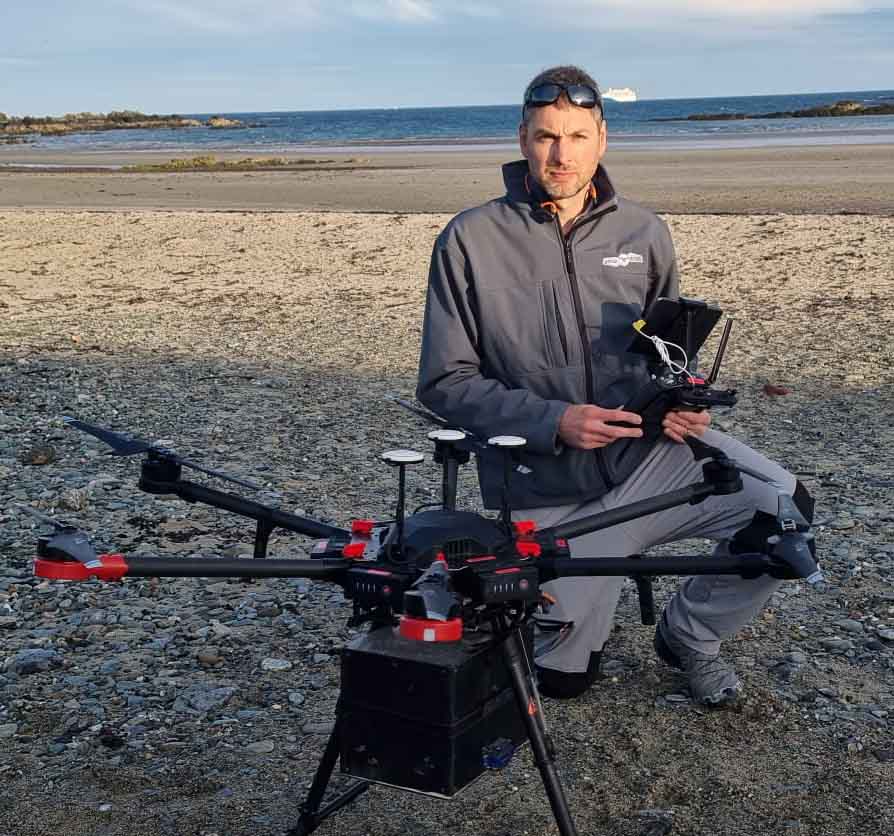
At Aerial Ashes Matt, we believe that a memorial should be as smooth and serene as possible. This is where our drone technology comes in. Instead of standing on the shoreline hoping for the best, a drone allows for a perfectly timed, graceful release from high above the water. It takes the "hit or miss" element out of the day and replaces it with a beautiful visual experience.
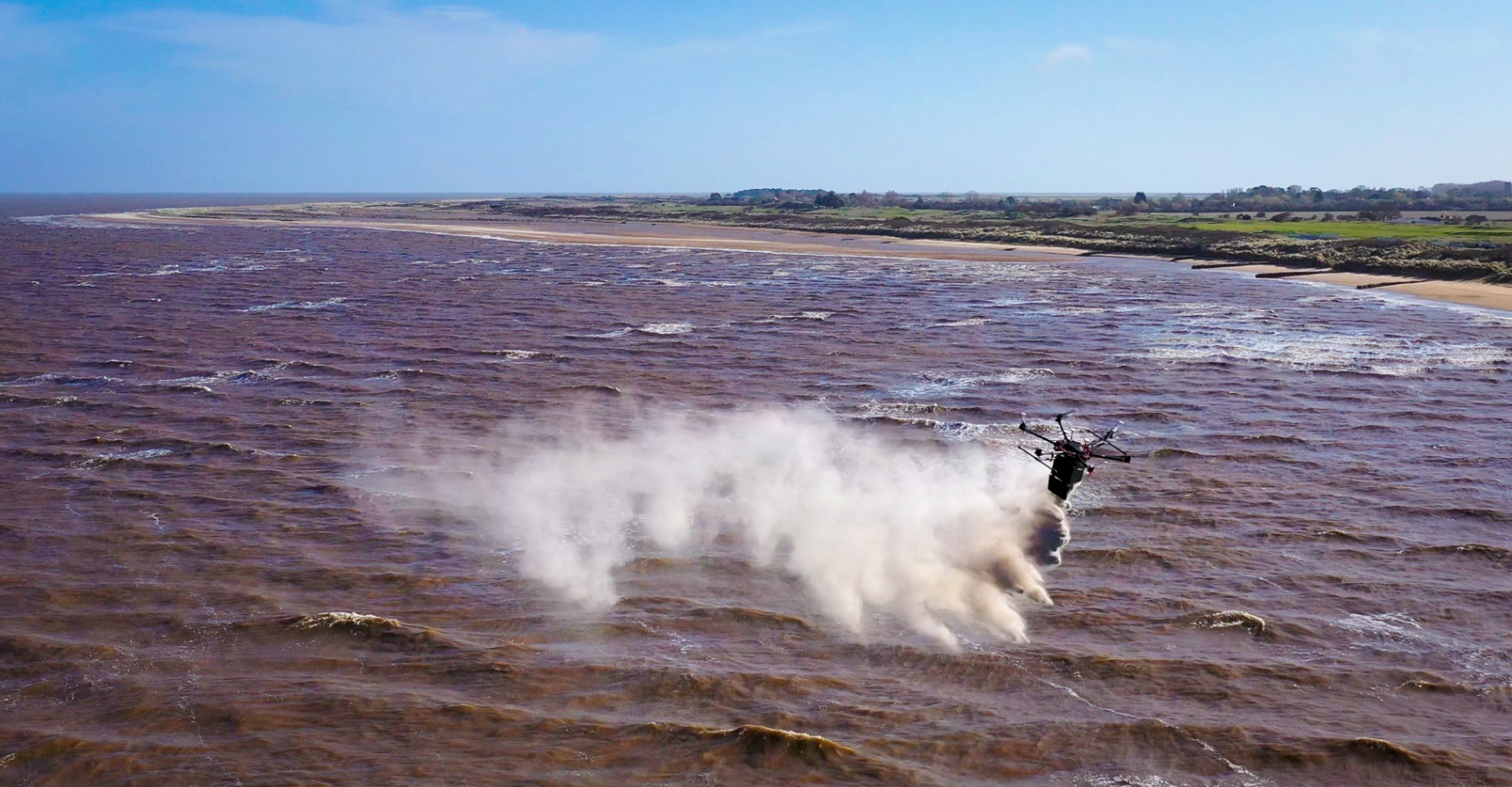
A drone can fly out over the sea, far beyond where you could reach on foot. It can hover at a precise height and release the ashes in a steady, controlled flow. From the beach, the family can watch as the ashes form a silver trail in the air before gently settling onto the waves. It is a perspective that simply isn't possible from the ground. It turns the physical act of scattering into a piece of aerial art.
Using a drone also solves the accessibility problem. If some family members find it difficult to get down to the shoreline, they can stay in a more comfortable, accessible spot and still have a perfect view of the ceremony. We can even provide live streaming or filming of the event, ensuring that those who couldn't travel to Cornwall can still be a part of the moment. You can see more about how we tailor these experiences on our Cornwall Hub.

The Science of Nature and Healing
Choosing a natural setting like Portholland isn't just about the aesthetics. There is actual science behind why being near the ocean helps us process grief. Research has shown that "blue spaces" (areas near water) have a significant impact on our psychological well-being.
According to a study published in Scientific Reports (2019), individuals who spend at least 120 minutes a week in nature report significantly higher levels of health and well-being. When it comes to grief, the effect is even more profound. The Journal of Environmental Psychology has highlighted that natural environments provide "restorative experiences" that help reduce the cognitive fatigue associated with the intense emotional work of mourning.
By choosing an aerial memorial at Portholland, you are engaging in a ritual that aligns with these natural healing processes. The vastness of the ocean and the rhythmic sound of the waves provide a sense of perspective. It reminds us of the continuum of life, helping to transform a moment of deep sadness into one of peaceful reflection.
Planning Your Portholland Memorial
If Portholland feels like the right place for your loved one, there are a few practical things to keep in mind. Because much of the land is part of the Caerhays Estate, it is essential to ensure that all necessary permissions are in place. At Aerial Ashes Matt, we handle all the logistics and permissions for you. We work with local authorities and landowners to ensure that everything is done legally and respectfully.
Timing is also crucial. Portholland changes dramatically with the tide. At high tide, the beach virtually disappears, leaving only the sea walls and the rocky outcrops. At low tide, a vast expanse of sand is revealed. We usually recommend scheduling ceremonies around the tide times to ensure the best possible experience for those attending.
We also offer specialized services like our "Together Forever" option, where the ashes of a couple can be scattered together in a single, unified ceremony. For many families, this is a beautiful way to honour a lifetime of partnership. You can find more details about our specific service options at www.aerialashes.co.uk.
A Dignified Farewell
Ultimately, the goal of any memorial is to provide closure and a sense of peace. Portholland, with its quiet cottages and timeless cliffs, offers a sanctuary away from the noise of the modern world. It is a place where you can breathe, where you can remember, and where you can say goodbye in a way that feels truly significant.
By combining the natural beauty of the Cornwall coast with the precision and grace of drone technology, we help families create a final tribute that is as unique as the person they are honouring. No wind-blown accidents, no stressful scrambles over rocks, just a dignified, serene release into the sea. It is a modern way to honour an ancient tradition, ensuring that the last memory you have of your loved one is one of beauty and calm.
Whether you are planning a memorial for a family member or a cherished pet, the hidden gem of Portholland is waiting to offer its quiet embrace. It is a location that doesn't shout; it whispers, providing a gentle space for the heart to begin its journey toward healing.
References
- White, M. P., et al. (2019). Spending at least 120 minutes a week in nature is associated with good health and wellbeing. Scientific Reports.
- Kaplan, S. (1995). The restorative benefits of nature: Toward an integrative framework. Journal of Environmental Psychology.
- Reese, G., & Myers, F. V. (2014). Nature relatedness and psychological well-being. Journal of Palliative Medicine.
We're Online! How may I help you today?