 UK
UK
 Hawaii
 USA
USA

Scattering Ashes at Whitsand Bay: An Expansive South Cornwall Guide
Scattering Ashes at Whitsand Bay: An Expansive South Cornwall Guide
Finding the right place to say a final goodbye is one of the most significant decisions a family can make. It is a moment where the weight of grief meets the desire for a meaningful tribute. For many, the coast offers a sense of continuity and peace that few other environments can provide. In the South East of Cornwall, Whitsand Bay stands as a majestic, rugged stretch of coastline that has become a cherished location for those seeking a dignified farewell.
Choosing a location like Whitsand Bay is about more than just a beautiful view. It is about connecting a loved one’s story with the timeless rhythm of the Atlantic Ocean. Whether it was a place of childhood holidays or a spot they always dreamed of visiting, the bay provides a vast, open sanctuary for reflection.
The Weight of the Ashes on the Shelf
For many families, the cremated remains of a loved one often sit on a shelf or in a cupboard for much longer than intended. This is a common experience. There is often a sense of "waiting for the right moment" or "the perfect day." However, over time, this can lead to a subtle feeling of guilt or a sense that a final chapter remains unwritten.
Moving from the "Ashes on the Shelf" to a planned ceremony is a profound step in the healing process. Research published in the Journal of Palliative Medicine (Casarett et al., 2002) suggests that rituals play a crucial role in bereavement by providing a sense of control and a structured way to express complex emotions. By choosing a specific date and a beautiful location like Whitsand Bay, you transition from a state of waiting to a state of honoring.
The relief that comes with finally fulfilling a loved one’s wishes is significant. It allows the focus to shift from the physical presence of the urn to the enduring memory of the person. Whitsand Bay, with its four miles of sand and dramatic cliffs, offers the space needed to let go with grace.

Understanding Whitsand Bay as a Memorial Location
Whitsand Bay is often referred to as Cornwall’s "forgotten corner." Unlike the bustling tourist hubs of the north coast, this area maintains a wild and untouched character. It stretches from Rame Head in the east to Portwrinkle in the west. The scenery is characterized by high cliffs, jagged rocks, and wide expanses of sand that appear and disappear with the tide.
For a memorial service, this landscape offers several distinct environments:
- The High Cliffs: Offering panoramic views across the English Channel toward the Eddystone Lighthouse.
- The Secluded Coves: Areas like Sharrow Point provide a more intimate setting during low tide.
- The Open Sea: The vastness of the water here is perfect for those who felt a deep connection to the ocean.
However, the beauty of Whitsand Bay comes with practical challenges. The paths down to the beach are notoriously steep and can be difficult to navigate, especially for elderly family members or those with limited mobility. This is where professional assistance becomes essential to ensure the day remains focused on the memorial rather than the logistics of the climb.
The DIY That Went Wrong: Why Professionalism Matters
Many families initially consider a "DIY" scattering. They imagine a quiet walk to the water’s edge and a simple release. However, the reality of the British coastline can be unpredictable. High winds at Whitsand Bay can cause ashes to blow back toward the family, creating a distressing and undignified moment. This "DIY That Went Wrong" scenario is a common regret that can be easily avoided.
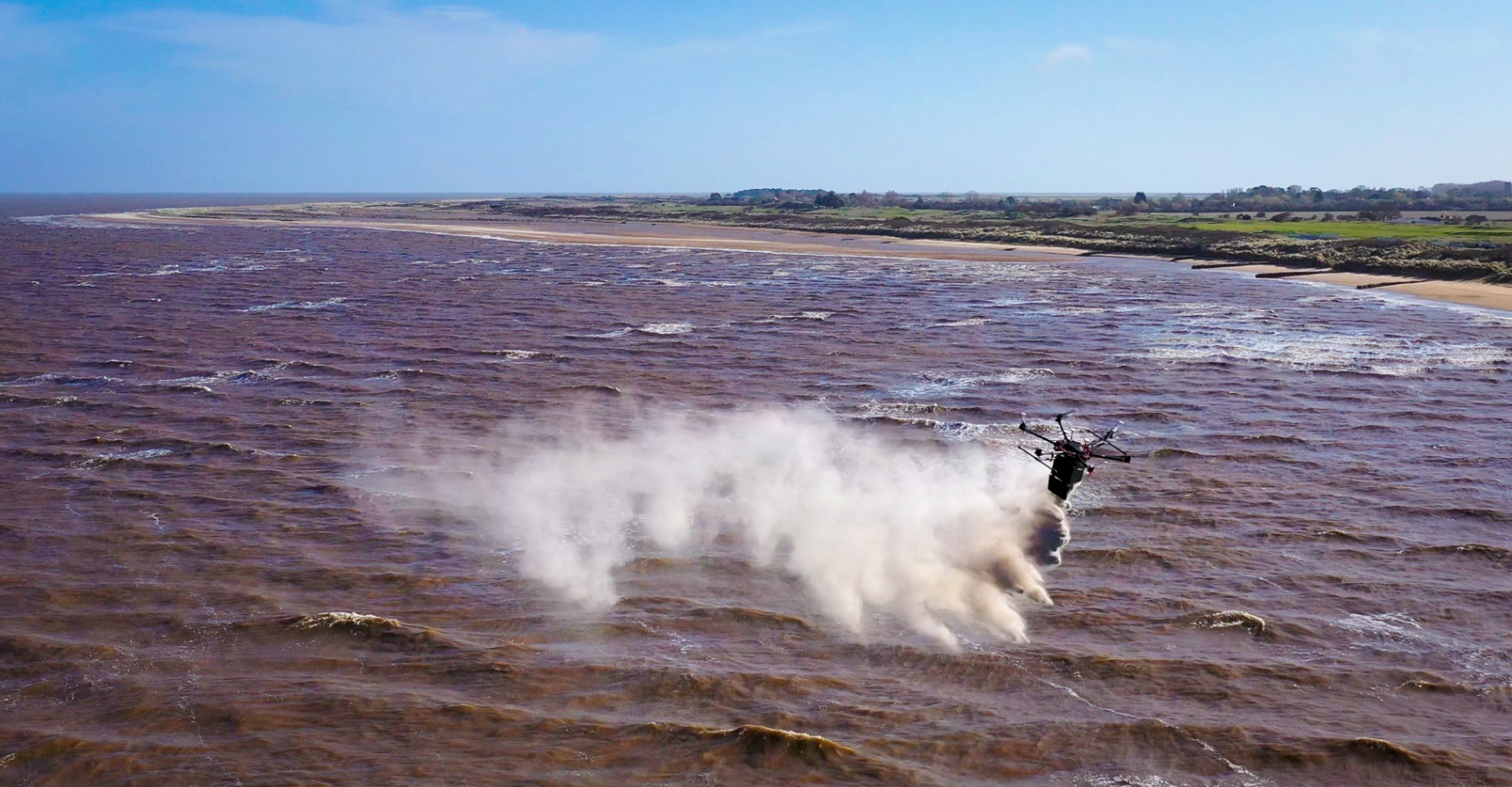
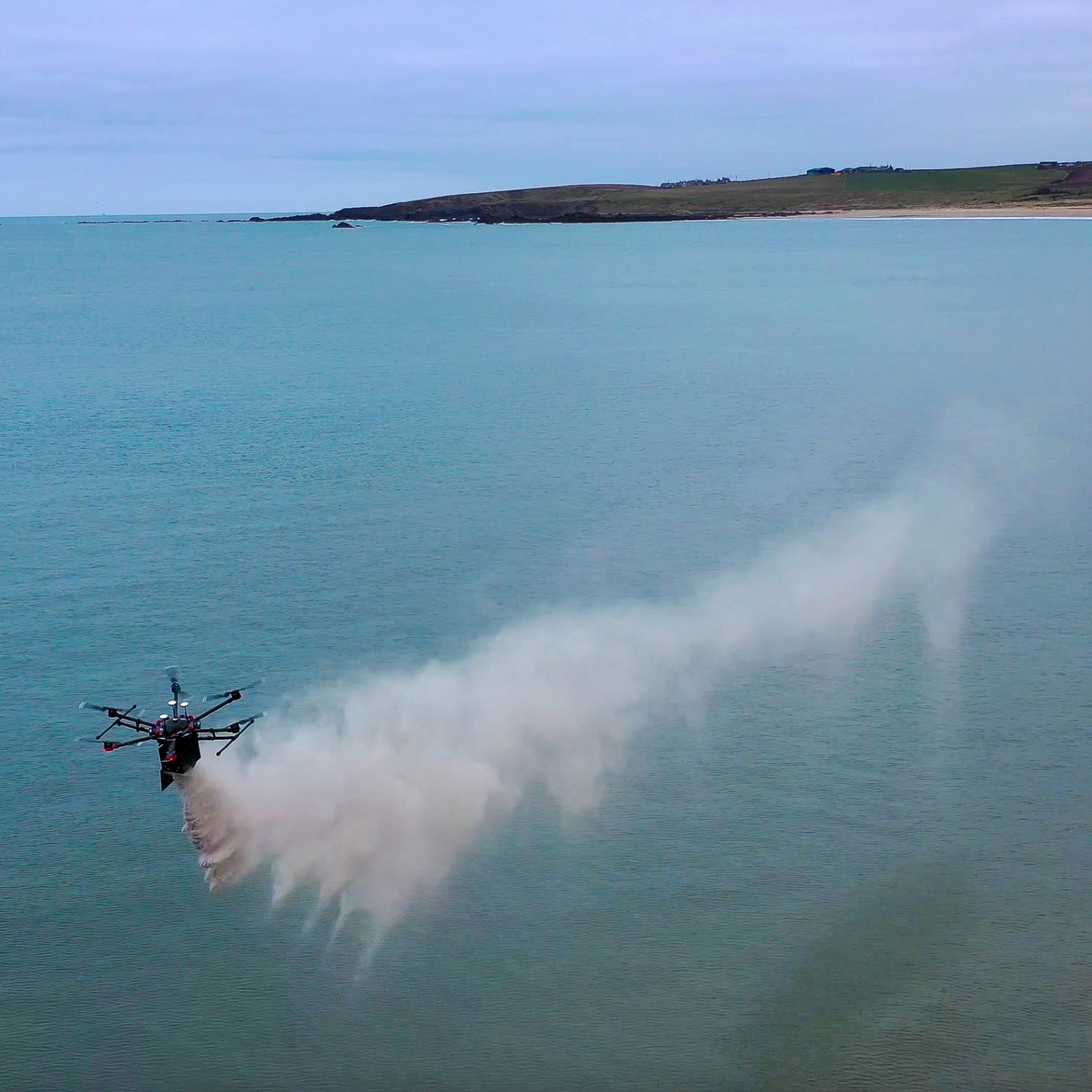
Using a professional service ensures that the release is handled with the precision and dignity it deserves. At Aerial Ashes Matt, we specialize in using drone technology to facilitate ash scattering ceremonies. This method allows the ashes to be released gracefully from above, over the sea or a specific coastal landmark, without the family needing to navigate dangerous cliff paths or worry about wind direction.
A drone release provides a unique vantage point. It allows everyone present to watch as the ashes form a gentle cloud against the blue of the water, slowly dispersing into the currents. It transforms a potentially awkward physical task into a beautiful aerial tribute.
The Science of "Blue Space" and Healing
There is a growing body of evidence supporting the choice of coastal locations for memorials. A study in the Journal of Environmental Psychology (White et al., 2013) highlights the benefits of "Blue Space": aquatic environments like the sea. The research indicates that being near water significantly reduces stress and promotes psychological well-being.
For a grieving family, the sensory experience of Whitsand Bay: the sound of the waves, the salt air, and the vast horizon: can facilitate a sense of peace. This natural environment acts as a therapeutic backdrop for the ceremony.
Our drone services further enhance this experience by providing:
- Inclusivity: Family members who cannot make the steep trek down the cliffs can stay at a comfortable viewing point and still participate fully.
- Documentation: We offer filming and live-streaming options, ensuring that relatives who are unable to travel can still witness the ceremony in real-time or via a high-quality video edit.
- Precision: We can scatter ashes over specific coordinates that may have held personal significance, such as a favorite surfing spot or a view the deceased loved.
Practical Considerations for Whitsand Bay
If you are planning a memorial at Whitsand Bay, there are several logistical points to keep in mind:
- Tide Times: The beach at Whitsand Bay can almost entirely disappear at high tide. It is vital to check local tide tables to ensure there is enough sand for a shore-based gathering, or to time a drone release appropriately.
- Weather: The South Cornwall coast is exposed. While we monitor weather patterns closely, flexibility is key to ensuring a safe and serene ceremony.
- Permissions: While the Environment Agency does not require a specific license for scattering ashes at sea, landowner permission is required for land-based ceremonies. We handle all these logistics for you, including CAA compliance for our drone flights.
- Environment: We ensure all ceremonies are environmentally conscious. Only cremated remains are released, and any floral tributes used must be fully biodegradable.
A Meaningful Conclusion
Whitsand Bay offers a rare combination of dramatic beauty and peaceful seclusion. It is a place where the elements meet to create a powerful sense of closure. By moving away from the uncertainty of a DIY scattering and embracing a professional, drone-assisted ceremony, you can ensure that your loved one’s final journey is as dignified as their life.
If you are considering other locations in the region, you may find our Cornwall Memorial Hub helpful for comparing different coastal spots. Whether it is Whitsand Bay or another cherished Cornish beach, the goal is always the same: to provide a serene and meaningful farewell.
We're Online! How may I help you today?

References
- Casarett, D., Kutner, J. S., & Abramson, J. (2002). Life after death: A practical approach to bereavement. Journal of Palliative Medicine.
- White, M. P., Alcock, I., Wheeler, B. W., & Depledge, M. H. (2013). Coastal proximity, health and well-being: Results from a longitudinal panel survey. Journal of Environmental Psychology.