 UK
UK
 Hawaii
 USA
USA

The Family’s Guide to a Serene Farewell: Scattering Ashes at Godrevy Lighthouse
The Family's Guide to a Serene Farewell: Scattering Ashes at Godrevy Lighthouse
Choosing a final resting place for a loved one is a profound decision that balances personal memory with the beauty of the natural world. Along the rugged and breathtaking coastline of Cornwall, few locations offer the same sense of guidance and permanence as Godrevy Lighthouse. Standing tall on its rocky island just off the eastern end of St Ives Bay, the lighthouse has served as a beacon for mariners since 1858. Today, it serves as a symbolic focal point for families seeking a peaceful and dignified location for ashes scattering.
The area around Godrevy, managed largely by the National Trust, provides a diverse landscape for reflection. From the expansive golden sands of Gwithian to the dramatic, flower-carpeted clifftops of the South West Coast Path, the environment invites a sense of calm. However, planning a memorial in such a dynamic coastal setting requires careful thought regarding logistics, environment, and the comfort of those attending. This guide explores how to navigate these considerations to ensure a serene farewell.
The Significance of Ritual in the Healing Process
The act of returning a loved one to the elements is more than a practical necessity: it is a vital part of the grieving process. Research indicates that personalized memorial ceremonies provide a structured way for families to process loss and begin the journey toward closure. According to a study published in the Journal of Palliative Medicine (Casarett et al., 2001), the ability to fulfill a loved one's final wishes regarding their remains significantly impacts the long term emotional well-being of the bereaved.
When a family chooses a location like Godrevy, they are often connecting with a place of personal history or a shared love for the sea. The rhythmic nature of the waves and the constancy of the lighthouse provide a backdrop that emphasizes the continuity of life and memory. By focusing on a peaceful memorial experience, families can transform a moment of deep sadness into a meaningful celebration of a life well lived.

Understanding the Godrevy Landscape
Godrevy is not a single spot but a collection of distinct environments, each offering a different atmosphere for a ceremony. The beach itself is vast at low tide, revealing rock pools and stretches of sand that feel private even on busier days. At high tide, however, the water reaches the base of the cliffs, significantly changing the available space.
For those considering scattering ashes from the shore, timing is everything. It is essential to consult local tide tables before setting a date. A ceremony held at a falling tide ensures that the ashes are carried out to sea by the receding water rather than being washed back onto the beach or the rocks. Furthermore, the National Trust grounds at Godrevy are home to sensitive wildlife, including a famous colony of grey seals at Mutton Cove. It is a priority for all visitors to maintain a respectful distance from these animals, especially during the pupping season in autumn.
The Technical Challenges of Coastal Scattering
While the idea of a clifftop scattering is romantic, the reality can be technically difficult. Cornwall is known for its bracing winds, and the geography of Godrevy creates a specific phenomenon known as a clifftop updraft. When the wind hits the vertical face of the cliff, it is forced upward at high velocity.
If a family attempts to scatter ashes by hand from these heights, the updraft often catches the remains, blowing them back toward the participants or inland across the grass. This can lead to a distressing experience for the family. Similarly, scattering directly into the sea from the shoreline carries the risk of the "blow back" effect, where a sudden gust of wind disperses the ashes in an unpredictable and undignified manner. This is one of the primary reasons many families are now turning to modern solutions to ensure the ceremony remains serene.
The Benefits of Drone Ash Scattering
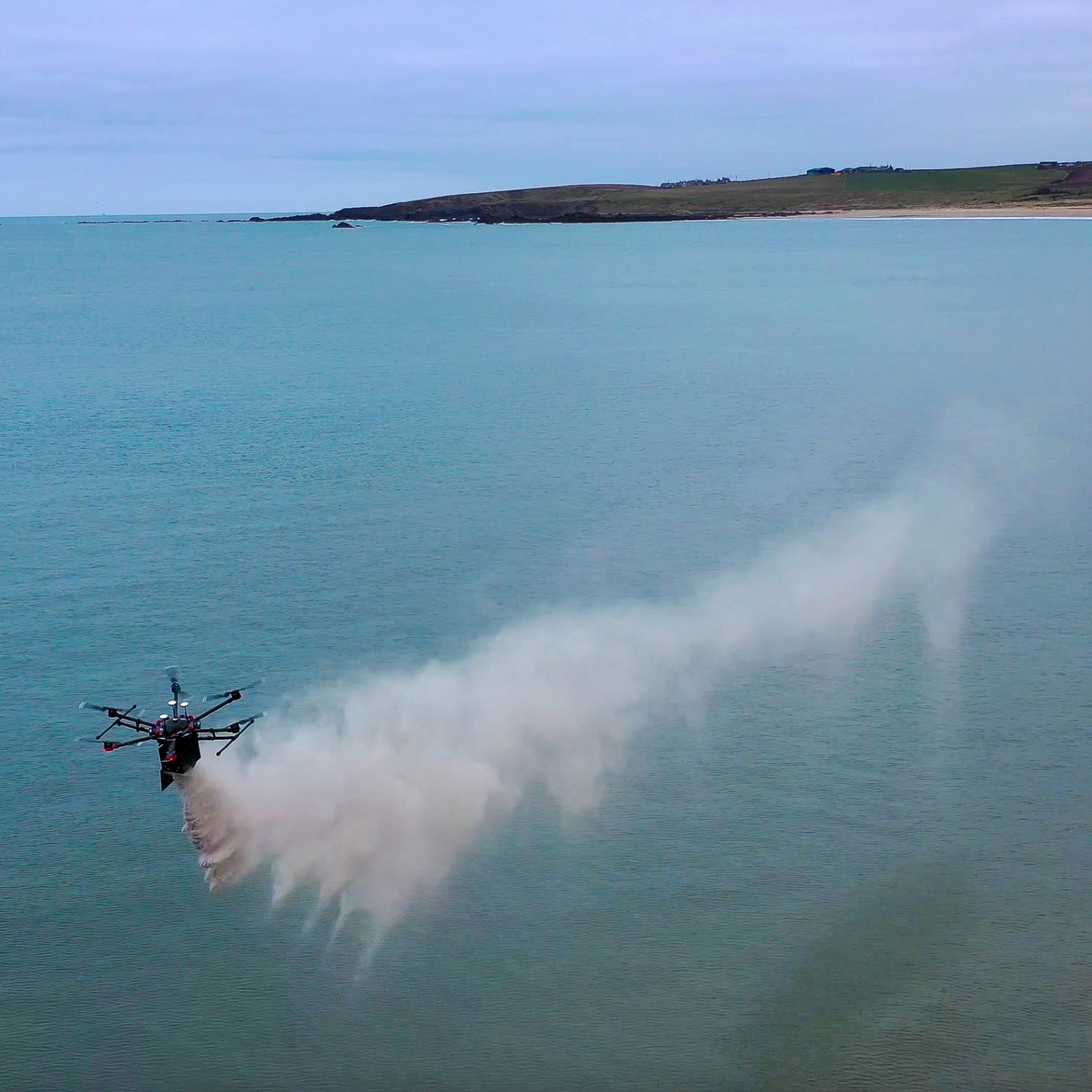
The introduction of specialized technology has revolutionized how we approach memorials in windy, coastal environments. A drone ash scattering service provides a level of precision and dignity that is often impossible to achieve by hand. By using a professional drone, the cremated remains can be carried several hundred meters out over the Atlantic Ocean, well beyond the turbulent air currents of the cliffs.
This method ensures that the ashes are released in a steady, controlled stream, creating a beautiful and visible trail as they descend toward the water. This process allows the family to remain together in a safe, accessible viewing area while the drone handles the dispersal over the waves. It eliminates the physical struggle with the wind and the fear of an accidental mishap, allowing everyone to focus entirely on the emotional significance of the moment.

Ensuring Accessibility for All Generations
One of the most significant advantages of using a drone for a memorial at Godrevy is the inclusivity it offers. The Cornish coast is famously rugged, and many of the most beautiful spots require navigating steep, narrow paths or uneven steps down to the beach. For elderly family members or those with limited mobility, these physical barriers can prevent them from fully participating in a traditional shoreline ceremony.
With a drone ash scattering, the family can gather at an accessible location, such as the National Trust car park area or the relatively flat clifftop paths near the Godrevy Cafe. From these vantage points, the entire group can watch the ceremony take place over the water. This ensures that three or even four generations can stand hand-in-hand to say their final goodbyes. Furthermore, the drone can capture high definition aerial footage of the dispersal, providing a lasting visual record for family members who may be unable to travel to Cornwall.
Environmental Responsibility and Local Guidelines
When planning a ceremony in a protected area like Godrevy, environmental stewardship is paramount. It is essential to use only 100% biodegradable materials. This means that if any flowers are cast into the water, they should be loose blooms rather than tied wreaths containing plastic or wire.
Ashes themselves are composed of calcium phosphate and do not pose a threat to the marine environment when dispersed correctly over a wide area. However, the National Trust and local authorities request that families avoid leaving permanent markers, such as plaques or small shrines, which can detract from the natural beauty of the coastline. By choosing a method like drone ash scattering, the memorial leaves no physical footprint on the land, preserving the pristine nature of the Cornish coast for future generations.
Planning Your Memorial with Aerial Ashes Matt
At Aerial Ashes Matt, we understand that every life is unique, and every farewell should reflect that individuality. Our service is designed to take the logistical burden off your shoulders, allowing you to focus on your family and your memories. We work closely with you to choose the perfect moment, taking into account the weather and the specific tides at Godrevy to ensure the best possible conditions.
If you are beginning to think about these arrangements, you might find it helpful to read our guide on whether you are ready to scatter your loved ones ashes. We offer a compassionate, professional approach that prioritizes dignity and peace of mind. Whether you are looking for a simple scattering or a more elaborate ceremony with recorded footage, we are here to help you create a lasting tribute.
A Modern Approach to Tradition
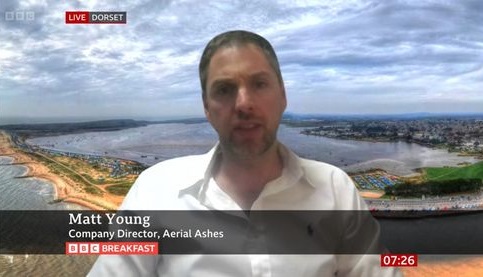
While the technology we use is modern, the sentiment behind it is timeless. We are proud to have been recognized for our commitment to providing a professional and sensitive service. Our work has even been featured in the media, highlighting how we help families find closure in beautiful locations across the UK.
The peace that comes from knowing a loved one has been laid to rest in a place as majestic as Godrevy is significant. By combining the natural beauty of the Cornish coast with the reliability of modern technology, we ensure that the final farewell is as serene and dignified as the person being remembered.
Summary of Considerations for Godrevy
- Check the Tides: Ensure you choose a time when the beach is accessible or the water is receding.
- Weather Awareness: Be prepared for sudden changes in Cornish weather and consider the impact of wind on clifftop ceremonies.
- Environmental Care: Use only biodegradable tributes and respect the local seal colony.
- Accessibility: Choose a gathering point that allows all family members to participate comfortably.
- Professional Support: Consider the benefits of a drone service to overcome the challenges of wind and terrain.
If you are ready to begin planning a meaningful farewell for your loved one, we invite you to book an ashes scattering service or explore our inspiration pages for more ideas on how to personalize the experience.
References
- Casarett, D., Kutney, J. M., & Abramson, J. (2001). Life After Death: A Practical Guide to the Choices You Face. Journal of Palliative Medicine.
- National Trust. (2024). Godrevy: Coastal Beauty and Wildlife.
- South West Coast Path Association. (2025). Walking the North Cornwall Coast.
Follow us for more memorial inspiration and coastal guides:
We're Online! How may I help you today?