 UK
UK
 Hawaii
 USA
USA

The Ultimate Guide to Ashes Scattering at Gwithian Towans: Everything You Need for a Serene Farewell
The Ultimate Guide to Ashes Scattering at Gwithian Towans: Everything You Need for a Serene Farewell
Finding the right place to say a final goodbye is a deeply personal journey. For many, the coast offers a sense of permanence and peace that few other landscapes can match. The rhythmic pulse of the tide and the vastness of the horizon provide a natural backdrop for reflection and healing. In the search for such a location, Gwithian Towans in North Cornwall stands out as a premier choice for those considering ashes scattering.
Gwithian is not just a beach. It is a three mile expanse of golden sand, backed by an ancient and complex dune system known locally as the Towans. Located at the northern tip of St Ives Bay, it offers a dramatic yet serene environment where the land meets the Atlantic. This guide explores why this specific stretch of Cornish coastline is so significant for memorial services and how to navigate the practicalities of planning a farewell here.
Why Gwithian Towans is a Meaningful Choice
The choice of a memorial location often depends on the connection the deceased had to the sea or a particular landscape. Gwithian offers a sense of immense scale and openness. When you stand on the dunes looking out toward Godrevy Lighthouse, there is a profound feeling of being part of something much larger than oneself. This lighthouse, perched on its own small island just offshore, has served as a beacon for generations and provides a powerful symbolic focal point for a ceremony.
Research indicates that natural environments, particularly "blue spaces" like the coast, play a significant role in the grieving process. A study published in the Journal of Environmental Psychology (2011) by White et al. suggests that coastal environments are associated with higher levels of stress reduction and positive affect compared to urban or even green rural spaces. For families, the act of scattering ashes at a place as majestic as Gwithian can be the first step toward finding a sense of peace.
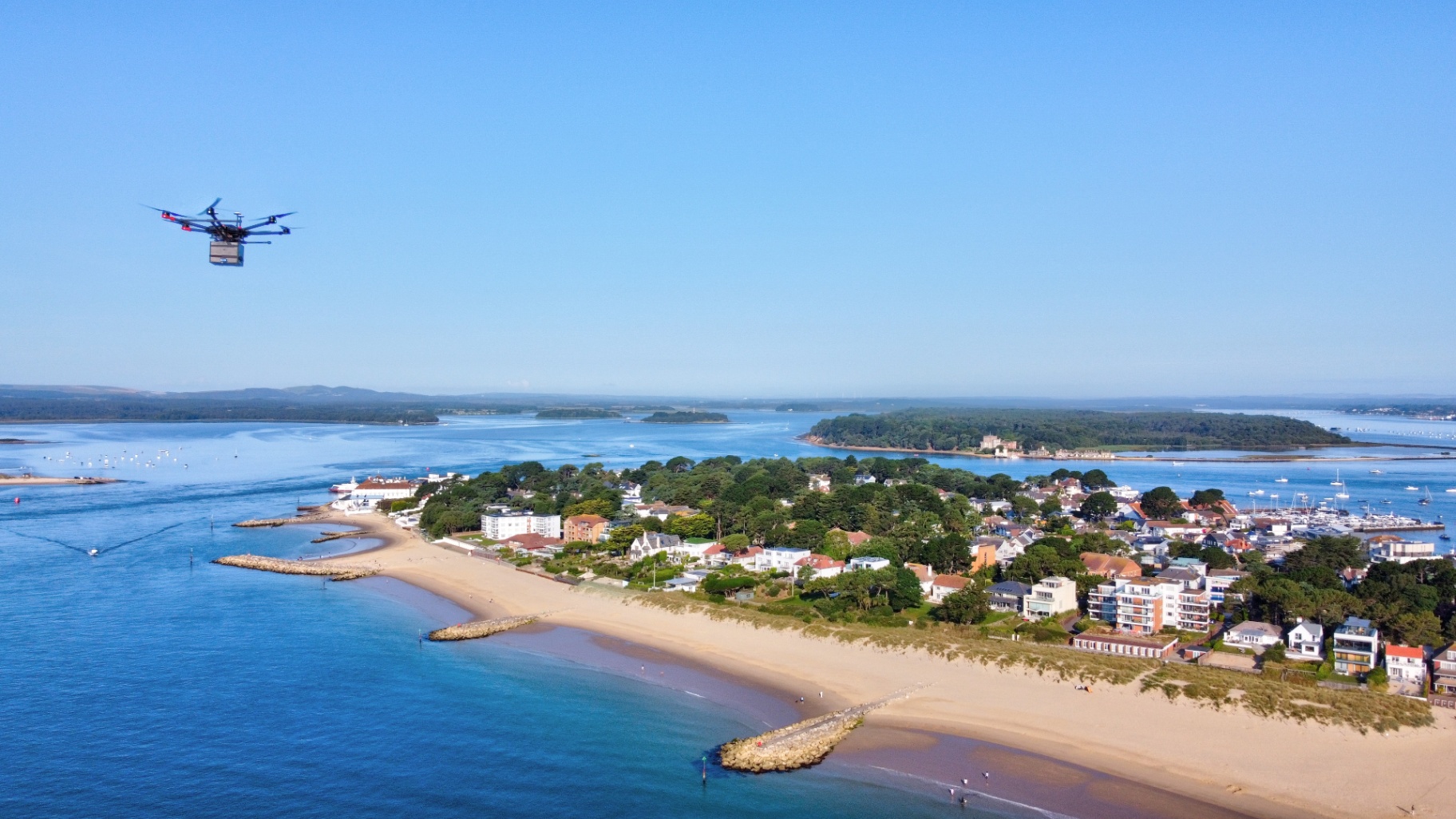
Understanding the Landscape: The Towans and the Beach
The word "Towans" is the Cornish term for sand dunes. These dunes at Gwithian are some of the most extensive in the UK, creating a multi-layered landscape. This variety is helpful when planning a memorial because it offers different types of settings:
- The Elevated Dunes: These provide panoramic views over the entire bay. They are ideal for a small, private gathering where the wind can carry words of remembrance across the grass and sand.
- The Expansive Beach: At low tide, the beach is vast. This allows for total privacy, even on a clear day, as groups can easily find a secluded spot away from other beachgoers.
- The Godrevy End: Moving toward the lighthouse end of the beach, the landscape becomes rockier and more dramatic, offering a different aesthetic for those who prefer the rugged beauty of the Cornish cliffs.
When you are scattering ashes at Gwithian, you are choosing a place that changes with every tide but remains fundamentally the same. This constancy can be very comforting for those who plan to return to the site in the years to come.
Practical Logistics and Legal Considerations
Planning a coastal farewell requires more than just choosing a beautiful spot. There are legal and environmental standards to uphold to ensure the beach remains protected for everyone. While the UK does not have restrictive laws against scattering cremated remains on tidal waters or beaches, there are best practices to follow.
According to the Legal Guide for Ashes Scattering, it is essential to ensure that the process does not negatively impact the local environment or the experience of other visitors. Gwithian is a popular spot for surfers and walkers, so timing and location are key.
- Permissions: For land-based scattering on the dunes, permissions may be needed from the local council or the National Trust, depending on the exact boundary.
- Environmental Impact: It is vital to ensure that no non-biodegradable items are left behind. This includes plastic wreaths, photos, or non-organic tributes.
- Accessibility: The walk from the car parks through the dunes can be sandy and uneven. If your group includes elderly relatives or those with limited mobility, this is a crucial factor to consider.
The Challenges of Traditional Manual Scattering
Many families initially consider a DIY approach to scattering ashes. While this is a traditional and deeply personal method, it can present unexpected challenges on the Cornish coast. The wind at Gwithian is often unpredictable. In a manual scattering, a sudden gust can cause the ashes to blow back toward the family, which can be a distressing experience during an already emotional moment.
Furthermore, reaching the water's edge can be difficult depending on the tide. If you wish for the remains to be committed to the sea rather than the sand, you are often limited by how far you can walk or wade. This is where professional services can offer a more controlled and dignified alternative.
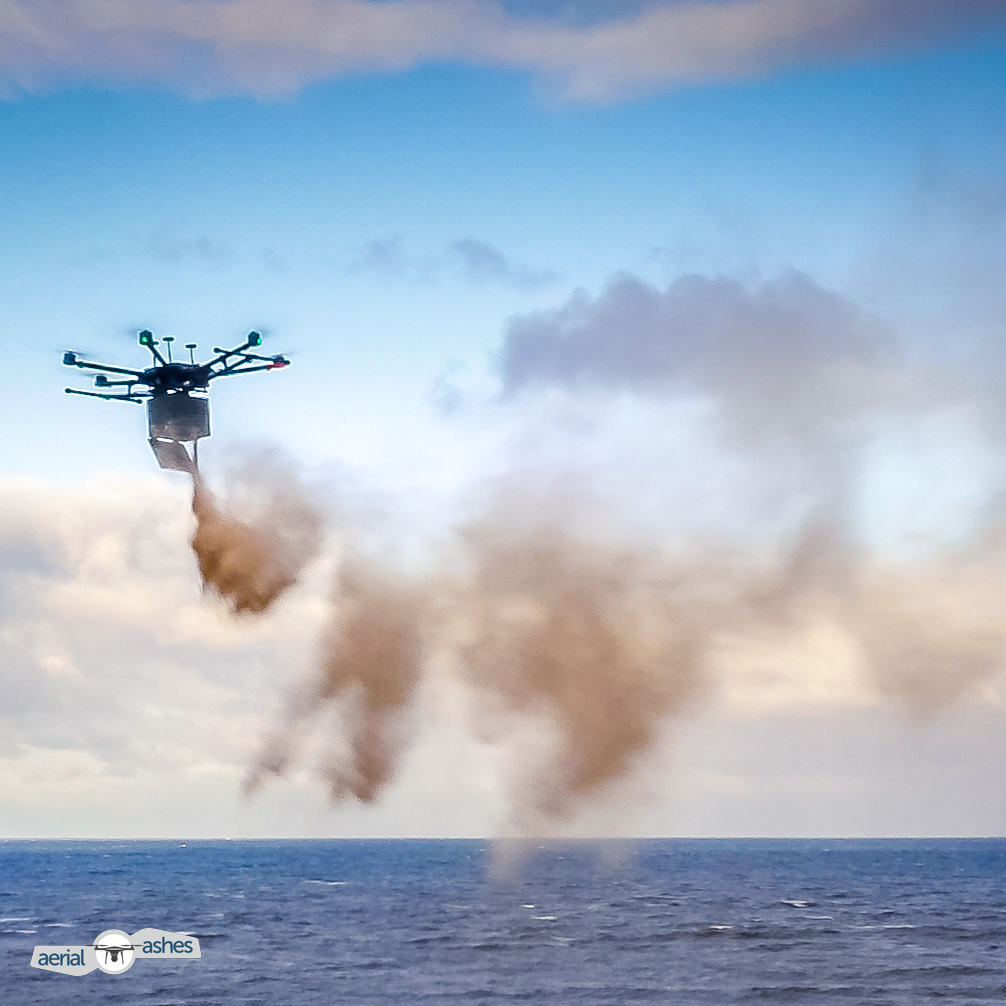
The Benefits of Drone Ash Scattering at Gwithian
At Aerial Ashes Matt, we provide a modern solution that addresses the physical limitations of traditional scattering. Using a specialized drone allows the ceremony to take place exactly where you want it, whether that is directly over the waves or centered in front of the lighthouse.
- Dignity and Precision: The release is controlled and smooth. There is no risk of the wind causing a "blowback" effect onto the participants.
- Increased Accessibility: Family members who may struggle to walk across the deep sand of the dunes can remain in a comfortable, accessible area while the drone carries the ashes out over the sea.
- A Unique Perspective: Seeing the release from a slightly elevated position, or having the event filmed, creates a lasting and beautiful memory.
- Environmental Sensitivity: Our operations are designed to leave no trace. We coordinate with the Civil Aviation Authority (CAA) and local authorities to ensure everything is done safely and legally.
For more information on the logistics of these ceremonies, you can read our Beach Scattering Guide.
Timing and Tide: Planning for Serenity
The atmosphere of Gwithian Towans changes significantly depending on the time of day and the state of the tide. For the most peaceful experience, we generally recommend early morning ceremonies. The light at dawn in Cornwall is famous for its soft, ethereal quality, and the beach is at its quietest.
Tide management is perhaps the most important technical factor. At high tide, the water can come right up to the base of the dunes, significantly reducing the available space. Low tide reveals the full glory of the golden sands and provides a much larger "canvas" for your memorial. We always check the tide tables for Hayle and Gwithian specifically when scheduling a drone release to ensure the best possible conditions.
Creating a Lasting Memorial
The ceremony itself is often just one part of the day. Many families choose to spend the afternoon at Gwithian, perhaps visiting one of the local cafes to share stories and a meal. This "social" aspect of the memorial is an important part of the healing process. A study in the Journal of Palliative Medicine (2014) by Casarett et al. notes that personalized rituals and social support are key indicators of better long-term bereavement outcomes.
Gwithian is a place you can return to. Whether it is an anniversary or just a day when you need to feel close to your loved one, the beach is always there. The sight of Godrevy Lighthouse flashing in the distance serves as a permanent reminder of the farewell held on these shores.
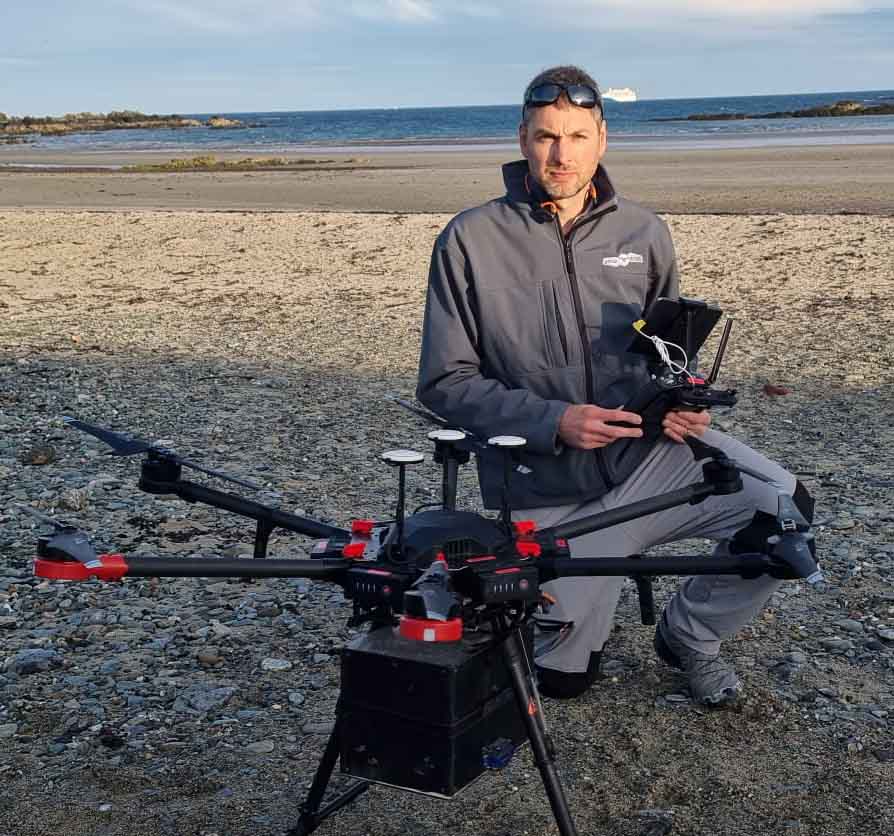
Why Choose Aerial Ashes Matt for Your Cornish Farewell?
We understand that you are not just looking for a service, but for a partner to help you navigate a difficult time. Our expertise in drone technology is balanced with a deep respect for the emotional weight of the occasion. We take care of all the technicalities, from flight permissions to weather monitoring, so you can focus entirely on your family and your memories.
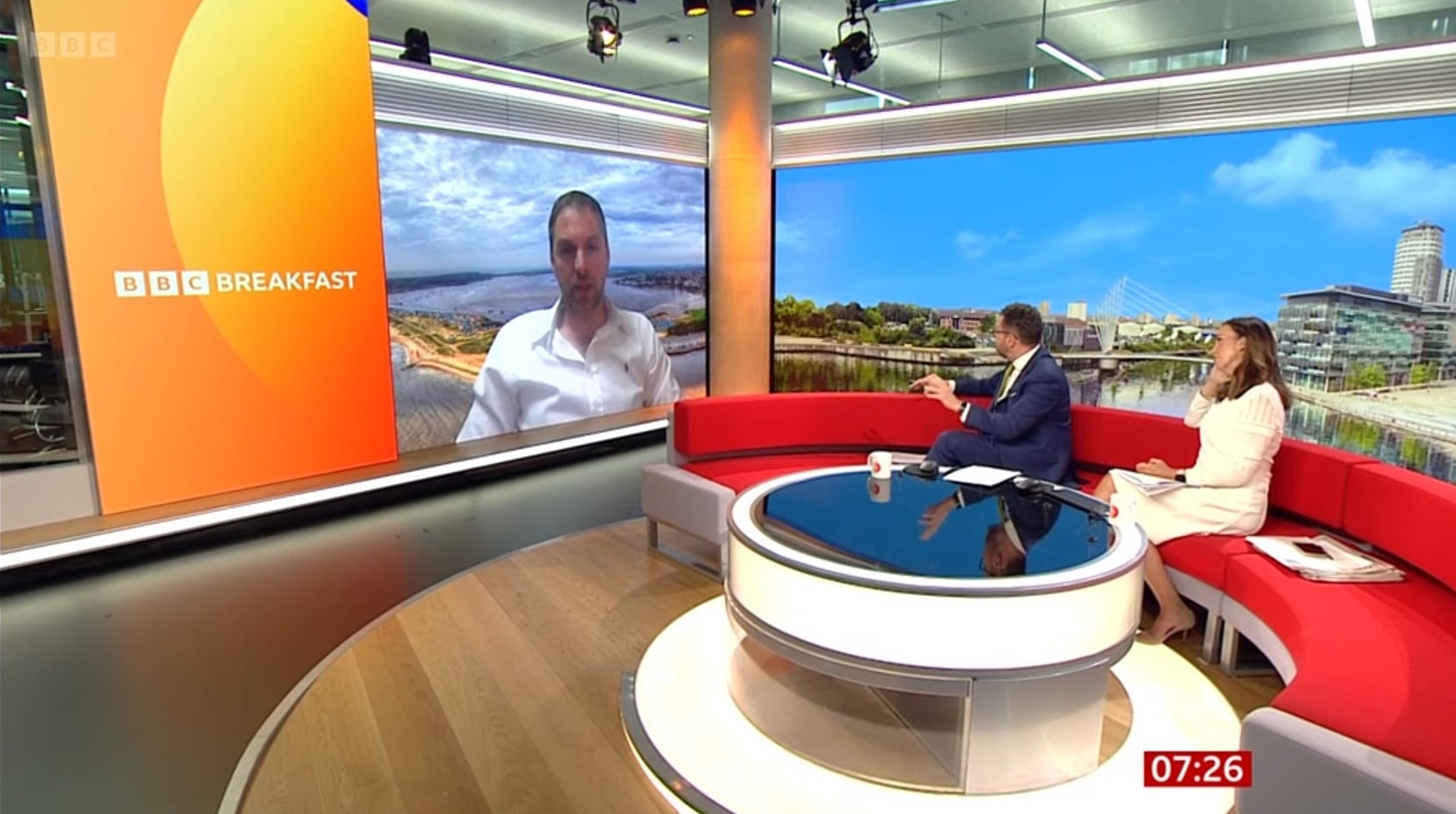
Our presence has even been recognized on a national level, helping to raise awareness of how technology can enhance traditional memorial practices. We strive to make the process as simple and stress-free as possible.
Final Thoughts on Gwithian Towans
Gwithian Towans offers a unique blend of natural beauty, space, and symbolic power. Whether you choose to scatter ashes by hand among the dunes or utilize our drone service for a release over the Atlantic, the result is a ceremony that honors the deceased in one of the most beautiful locations in the United Kingdom.
By taking the time to plan around the tides, the weather, and the physical needs of your guests, you can ensure a serene and dignified send-off. The Cornish coast has a way of absorbing grief and replacing it with a sense of peace, and there is no better place to experience that than at Gwithian.
References
- White, M. P., et al. (2011). Blue space: The importance of coastal environments for health and well-being. Journal of Environmental Psychology.
- Casarett, D., et al. (2014). The role of ritual and social support in bereavement outcomes. Journal of Palliative Medicine.
We're Online! How may I help you today?