 UK
UK
 Hawaii
 USA
USA

The Ultimate Guide to Scattering Ashes at Watergate Bay: Everything You Need for a Peaceful Farewell
The Ultimate Guide to Scattering Ashes at Watergate Bay: Everything You Need for a Peaceful Farewell
Choosing the final resting place for a loved one is a decision that carries significant emotional weight. For many, the pull of the ocean represents a sense of return, continuity, and infinite peace. Watergate Bay, with its two miles of golden sand and powerful Atlantic swells, stands as one of the most evocative locations in Cornwall for such a tribute. Whether you are a local resident or someone who shared fond holiday memories on these shores, understanding the logistics and emotional landscape of ashes scattering here is the first step toward a meaningful goodbye.
Grief is a complex, non-linear journey. Research published in the Journal of Palliative Medicine (2018) suggests that the environment in which a memorial takes place can significantly influence the long-term healing process for survivors. A serene, natural setting like Watergate Bay provides a backdrop that honors the scale of the loss while offering a sense of perspective. This guide aims to provide all the practical and legal information necessary to plan a ceremony that is as respectful to the environment as it is to your memories.
Understanding the Legal Requirements in Cornwall
One of the first questions families often ask is whether they need official permission for scattering ashes on a public beach. In the United Kingdom, the legal framework is relatively straightforward, but it requires careful adherence to environmental guidelines. According to the Environment Agency, no formal permit is required for the disposal of ashes at sea or on the coast in England and Wales, provided that the activity does not contribute to pollution or harm local wildlife.
Watergate Bay is a privately owned beach, managed with a high degree of care for its natural beauty. While the owners are generally supportive of respectful, private memorials, it is essential to follow the legal guide for ashes scattering to ensure you are meeting all national standards. The primary rule is that nothing non-biodegradable should enter the water. This means avoiding plastic wreaths, foam-based floral arrangements, or any memorial items that could wash back onto the shore and become litter.
Environmental Stewardship and the Marine Ecosystem
The North Cornwall coastline is a fragile ecosystem. When you are planning the ceremony, it is crucial to consider the impact of the tribute on the local environment. Ashes themselves are composed of calcium phosphate and do not pose a threat to marine life. However, the "extras" often associated with ceremonies can be problematic.
To ensure a respectful and eco-friendly farewell:
- Use only loose flower petals rather than full bouquets tied with wire or ribbon.
- If you wish to use an urn, ensure it is a specifically designed water-burial urn made of salt, recycled paper, or other rapidly biodegradable materials.
- Avoid scattering ashes near water extraction points or in areas heavily populated by swimmers and surfers.
- Consider the timing of your visit to minimize the impact on other beach users and local wildlife.
By following these simple steps, you ensure that the legacy of your loved one is one of protection and respect for the natural world.
Navigating the Tides and Weather at Watergate Bay
The geography of Watergate Bay is defined by its massive tidal range. This is not a beach where the water stays in one place. At low tide, the expanse of sand is enormous, providing ample space for a private and secluded ceremony. However, at high tide, the sea often reaches the very base of the cliffs, leaving almost no beach accessible.
For those planning a DIY ashes scattering, the retreating tide is often the most desirable time. This ensures that the remains are gently carried out to sea by the receding water rather than sitting on the sand where they might be stepped on by passersby or disturbed by dogs. You can find detailed advice on choosing the right conditions in our beach scattering guide.
Weather is the other major factor. The North Cornwall coast is exposed to the full force of the Atlantic. While a windy day can feel dramatic and symbolic, it presents significant practical challenges. Wind "blowback" is a common and distressing issue during manual scattering ceremonies, where the wind catches the ashes and blows them back onto the participants or their clothing. This can turn a moment of peace into one of stress and discomfort.
The Role of Technology in Modern Memorials
For many families, the physical challenges of a beach ceremony lead them to explore more controlled alternatives. Traditional scattering by hand requires navigating soft sand, which can be difficult for elderly relatives or those with mobility issues. Furthermore, the unpredictable Cornish wind can make a dignified release difficult to achieve from the shore.
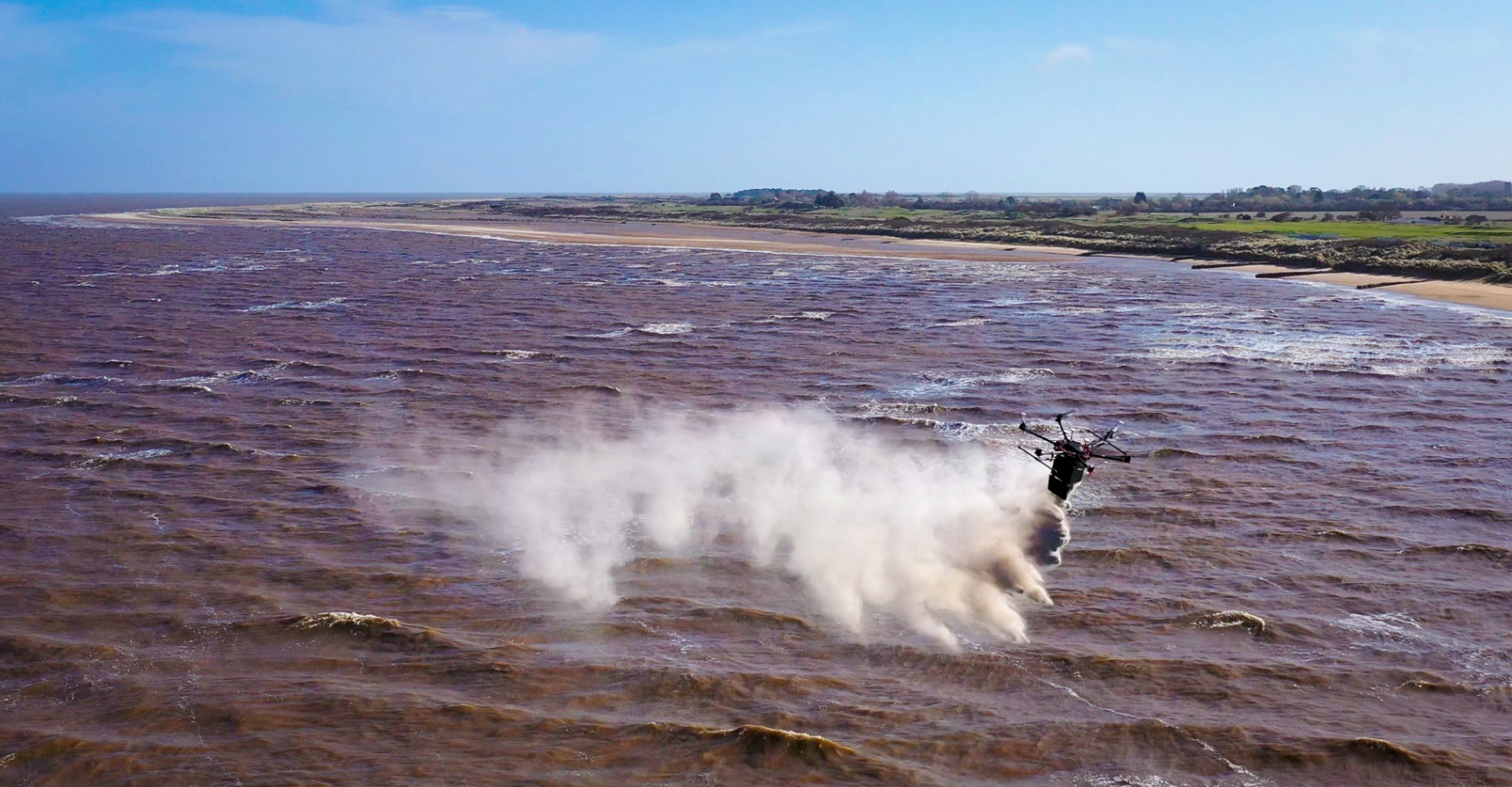
This is where professional drone services offer a serene solution. By using a specialized drone, the ashes can be released further out over the water, away from the breaking waves and the wind currents of the shoreline. This method provides several benefits:
- It eliminates the risk of blowback onto the family.
- It allows for a perfectly timed release that can be viewed from the comfort of the beach.
- It ensures the ashes are dispersed in a uniform, peaceful cloud over the ocean.
- It provides a unique aerial perspective that can be captured as a lasting memory of the event.
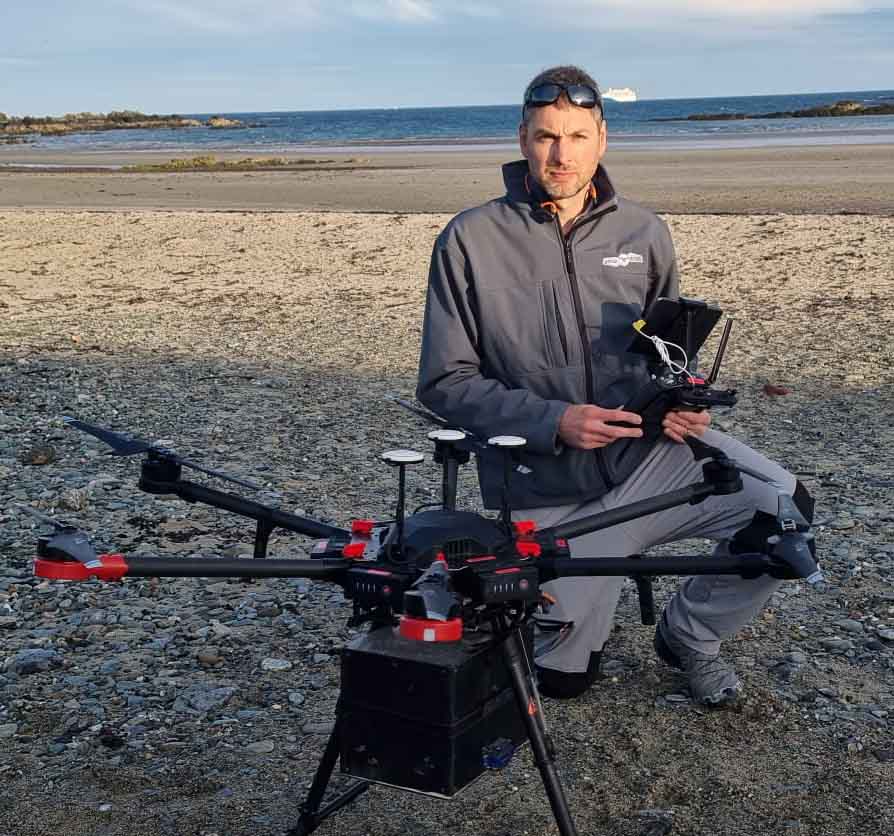
Using a drone allows the family to stand together on the sand, focused entirely on the moment and each other, rather than the mechanics of the scattering. You can learn more about why drone ashes scattering is becoming a preferred choice for many families visiting the Cornish coast.
Planning Your Visit to Watergate Bay
Watergate Bay is well-equipped with facilities, making it a practical choice for families traveling from further afield. There is a large car park located at the base of the hill, although it can fill up quickly during the summer months. For a memorial service, arriving early in the morning or during the "golden hour" of early evening often provides the most peaceful atmosphere.
Access to the beach is via a relatively steep slipway. While this is easier than navigating stairs, it still requires a level of physical effort. If you have family members who cannot easily reach the water's edge, a drone ceremony allows them to participate from the top of the slipway or even from the nearby seating areas while still feeling a close connection to the release.
After the ceremony, Watergate Bay offers several venues, such as The Beach Hut, where families can gather to share a meal and reflect on the life of their loved one. Having a local "base" for the day can help turn the memorial into a full celebration of life, reducing the stress of travel and logistics.
Memorials for Our Constant Companions
The bond we share with our pets is profound, and for many, their dogs were their most frequent companions on coastal walks. If you are considering a farewell for a four-legged friend, the same principles of respect and environmental care apply. Many families choose Watergate Bay specifically because it is a dog-friendly beach year-round, making it a fitting location for a final goodbye.
We offer specialized services for those looking to plan a serene ceremony for a pet without the DIY stress. Whether it is a person or a beloved pet, the goal remains the same: a dignified, peaceful, and environmentally conscious departure.

Comparing the Best Locations in Cornwall
While Watergate Bay is an exceptional choice, Cornwall offers a variety of coastal environments, each with its own character. If you are still deciding on the perfect spot, you might want to compare the wild energy of Watergate with the calmer waters of other nearby areas.
- For a more sheltered experience, you might consider scattering ashes at St Ives.
- If you are looking for dramatic cliffside views, the Bedruthan Steps offer a stunning alternative just a few miles up the coast.
- For those who prefer the south coast, Marazion and Praa Sands provide a different, more gentle Atlantic perspective.
Each location has its own tidal patterns and accessibility considerations, so it is worth taking the time to research which beach best aligns with your vision for the day.
Creating a Lasting Legacy
The act of scattering ashes is more than just a final task: it is a ritual of transition. Research by psychologists such as William Worden suggests that creating a meaningful ritual is a crucial task of mourning, helping the bereaved to process the reality of the loss while maintaining a symbolic connection to the deceased.
By choosing a location like Watergate Bay and planning the logistics with care, you create a space that you can return to in the years to come. Every time you see the Atlantic waves or walk along a sandy shore, you will have a physical anchor for your memories. Whether you choose a simple DIY approach or the peaceful precision of a drone scattering, the most important element is the intention and love behind the act.
Final Practical Tips for Your Ceremony
To ensure your day goes as smoothly as possible, keep these final points in mind:
- Check the Tides: Always consult a local tide table for Newquay or Watergate Bay before setting your time.
- Dress for the Coast: Even on a sunny day, the wind at Watergate can be chilly. Wear layers and sturdy footwear.
- Coordinate with Participants: If you are having a group gathering, ensure everyone knows the exact meeting point, as the beach is quite long.
- Consider Professional Help: If the thought of managing the logistics feels overwhelming, professional services can handle everything from the site assessment to the technical release, allowing you to be present in your grief.
Watergate Bay is a place of immense beauty and power. It offers a unique opportunity to say goodbye in a way that feels both grounded in nature and elevated by the stunning Cornish landscape.
References
- Environment Agency. (2021). Guidance on Scattering Ashes over Water in England and Wales.
- Worden, J. W. (2018). Grief Counseling and Grief Therapy: A Handbook for the Mental Health Practitioner. Springer Publishing Company.
- Journal of Palliative Medicine. (2018). "The Impact of Memorial Rituals on the Bereavement Process."
- Cornwall Council. (2023). Beach Management and Public Access Guidelines.
We're Online! How may I help you today?