 UK
UK
 Hawaii
 USA
USA

The Ultimate Guide to Scattering Ashes in Yorkshire & North East England: Serene Coastal Tributes
The Ultimate Guide to Scattering Ashes in Yorkshire & North East England: Serene Coastal Tributes
Choosing a final resting place is a decision deeply rooted in personal history, emotional connection, and the desire for peace. For many families, the landscape of Northern England provides a backdrop that is both powerful and comforting. From the towering cliffs of the Heritage Coast to the rolling limestone valleys of the Dales, the region offers a diverse array of settings to say a final goodbye. Whether you are drawn to the rhythmic tides of the North Sea or the quiet flow of a historic river, the process of returning a loved one to nature is a profound act of remembrance.
Research indicates that the environment in which a memorial takes place can significantly impact the grieving process. According to a study published in the Journal of Palliative Medicine (Caserta et al., 2004), the use of meaningful outdoor spaces for memorialisation helps individuals find a sense of continuity and peace. In Yorkshire and North East England, the options for such meaningful locations are as vast as the horizon itself.
The Dramatic Yorkshire Coast
The Yorkshire coastline is defined by its rugged character and maritime heritage. Stretching from the Tees estuary down to the Humber, this region offers some of the most sought-after locations for ashes scattering Yorkshire.
- Bridlington Bay and Flamborough Head: This 35-mile stretch of coast provides a magnificent setting. The white chalk cliffs of Flamborough Head, topped by its iconic lighthouse, offer a dramatic vantage point. Many families find that the vastness of the North Sea here provides a sense of eternal perspective.
- Whitby and Scarborough: These historic seaside towns are steeped in tradition. Whitby, with its abbey ruins overlooking the harbor, is a popular choice for those with a love for history and the sea. Scarborough offers a classic coastal atmosphere with its twin bays and medieval castle.
- Filey and Robin Hood’s Bay: Filey’s six miles of golden sand and the expansive, fossil-rich shale beaches of Robin Hood’s Bay offer a more secluded and intimate feeling for a ceremony.
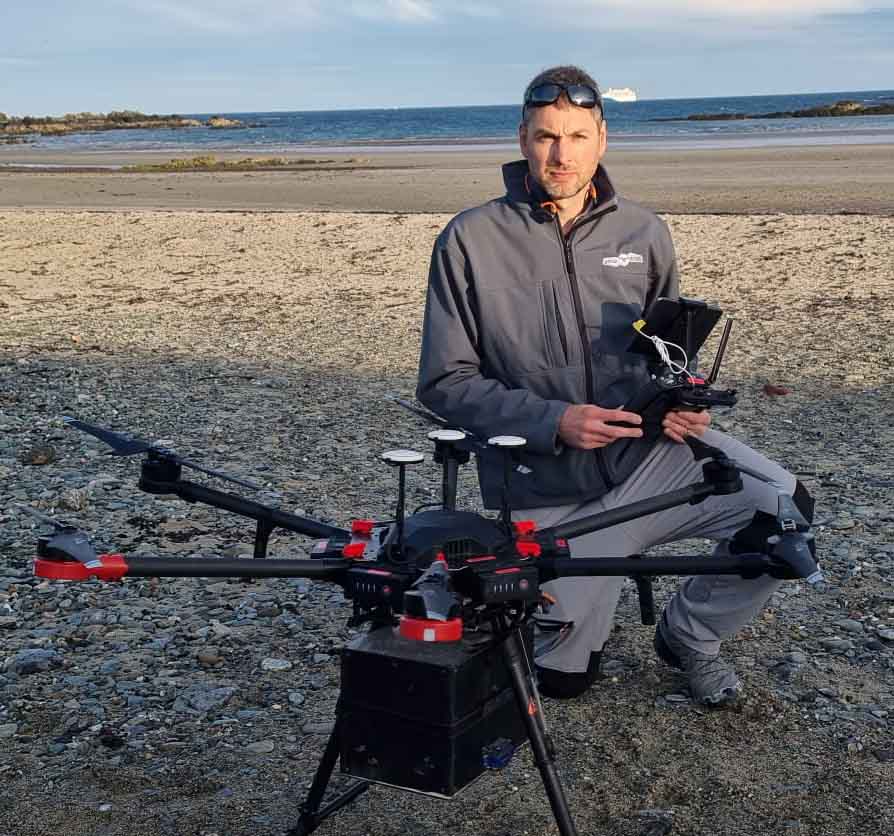
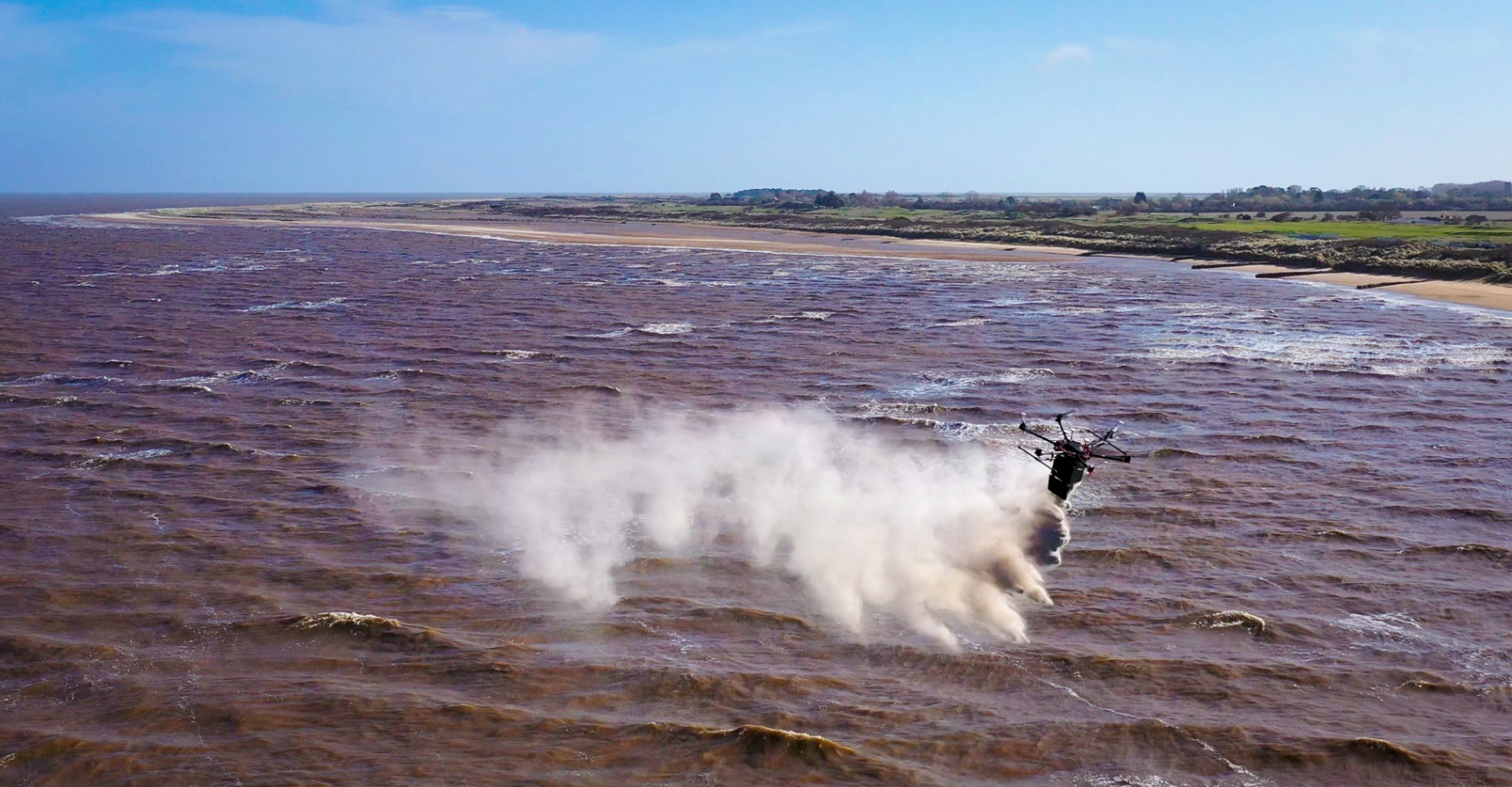
While boat trips are a traditional way to reach the water, they can be subject to weather conditions and may be difficult for some family members to access. A drone-led ceremony provides an alternative that allows everyone to remain together on the shore while the ashes are carried out to sea with precision and grace. You can book an ashes scattering service that ensures a dignified release regardless of the tide or sea state.
Rugged Beauty: Northumberland Coast Memorials
Further north, the Northumberland coast offers a different kind of beauty: wilder, quieter, and punctuated by ancient fortresses. For those seeking Northumberland coast memorials, the region provides a sense of timelessness that is hard to find elsewhere.
The coastline near Bamburgh Castle or the Holy Island of Lindisfarne provides a sacred atmosphere. These locations are not just scenic: they are places of deep historical and spiritual significance. Scattering ashes in these areas allows for a connection to the long history of the North. Because many of these areas are protected or part of private estates, it is important to understand local regulations. Generally, coastal scattering is permitted, but the use of biodegradable materials is essential to protect the local ecosystem.
Rivers and Inland Waterways of the North
The North East is defined by its great rivers: the Ouse, the Tyne, the Wear, and the Humber. These waterways have been the lifeblood of the region for centuries, moving through industrial heritage and rural tranquility alike.
- The River Ouse in York: Flowing through the heart of the medieval city, the Ouse offers a serene and historic setting. A ceremony here can be framed by the York Minster and the ancient city walls, blending nature with the architectural heritage of the North.
- The River Wharfe and Bolton Abbey: For those who prefer the countryside, the Wharfe winds through the Yorkshire Dales. The estate at Bolton Abbey is a popular location, where the river flows past the ruins of a 12th-century priory.
- The River Humber: The vast estuary and the Humber Bridge provide a monumental backdrop, representing a gateway between the land and the open sea.
When considering a river ceremony, it is important to be mindful of water extraction points. The Environment Agency provides guidelines to ensure that ceremonies do not affect drinking water supplies. Using a drone for these ceremonies allows the ashes to be released in the center of the flow, ensuring they are carried away naturally without the unpredictability of scattering from a bank or bridge.
The Natural Majesty of the Yorkshire Dales
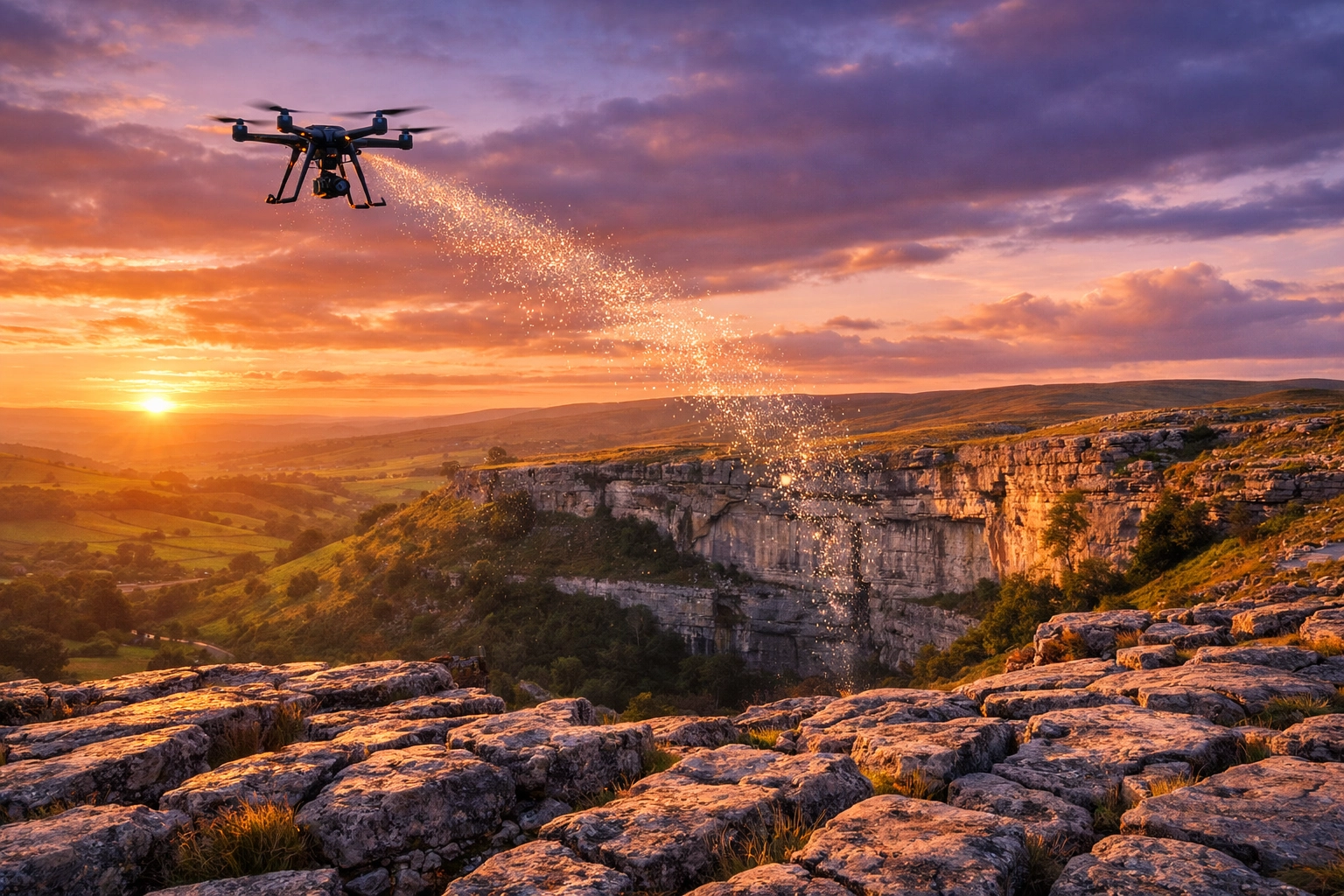
Inland, the Yorkshire Dales and the North York Moors offer a sense of permanence and grounding. Scattering ashes North East England doesn't always mean the coast: the rolling hills and limestone pavements of Malham Cove or the heather-clad moors provide a peaceful alternative.
Natural burial grounds and memorial woodlands, such as Tarn Moor near Scarborough, are becoming increasingly popular. These sites allow the minerals in the ashes to return to the soil, supporting the growth of native trees and wildflowers. Research in the Journal of Environmental Psychology (Hartig et al., 2014) suggests that "restorative environments" like these woodlands can aid in psychological recovery after a significant loss.
Regulations and Permissions in the North East
Navigating the legalities of ash scattering can feel overwhelming during a time of grief. However, the rules in the UK are generally permissive, provided you are respectful and follow basic guidelines:
- Private Land: You always need permission from the landowner. In Yorkshire, many farmers and estate owners are sympathetic to requests, provided the ceremony is quiet and leaves no trace.
- Public Parks and National Trust: These locations often require formal permission to prevent the overuse of specific spots. Some National Trust sites handle requests on a case-by-case basis.
- Waterways and Beaches: Generally, no official permission is required for the sea or rivers, but it is best to avoid busy swimming areas or sites near water inlets.
We ensure all legal and environmental standards are met during our services. By using a drone, we can access locations that might otherwise be difficult to reach, all while maintaining a respectful distance from other members of the public. If you are unsure if you are ready for this step, you can read our guide on whether you are ready to scatter your loved one's ashes.
Featured Coastal Locations in Yorkshire & North East England
Families looking for a peaceful coastal farewell often want somewhere that feels personal, scenic, and easy for loved ones to gather. That is why we are currently rolling out detailed guides for the top 10 beach locations in Yorkshire and the North East, helping you explore some of the most meaningful seaside settings across the region.
This growing collection includes well-loved places such as Whitby, Scarborough, and Bamburgh, along with other standout coastal spots known for their natural beauty, sense of calm, and strong local connection. These guides are designed to make planning feel a little simpler, especially if you are still deciding which location feels right for your loved one.
If you are in the early stages of planning, these location guides can give you a clearer picture of what each beach offers, from atmosphere and accessibility to the kind of tribute that may feel most fitting. It is a supportive way to explore your options without feeling rushed.
The Technology of Remembrance
The introduction of drone technology to memorial services might seem modern, but its purpose is deeply traditional: to provide a dignified and beautiful farewell. A professional drone release allows for a level of control that manual scattering cannot achieve. On a windy day at Whitby or a blustery afternoon on the Moors, traditional scattering can be unpredictable. A drone ensures the ashes are released in a smooth, steady stream, often creating a beautiful visual "ribbon" in the air before they settle.
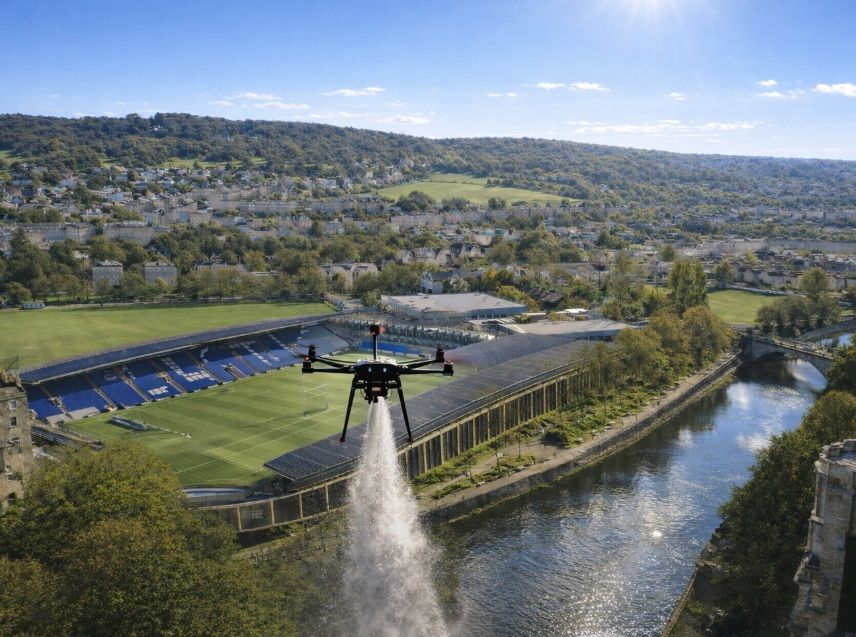
This method also allows for unique vantage points. Families can watch from a distance that feels comfortable, and the entire ceremony can be filmed or live-streamed for those who cannot attend in person. You can learn more about our live-streamed funeral and memorial options to include family members across the globe.
Planning a Meaningful Ceremony
A memorial is not just about the final act: it is about the journey of remembrance. When planning a ceremony in Yorkshire or the North East, consider the following elements to make the day more personal:
- Timing: The light at dawn or sunset on the Yorkshire coast is particularly beautiful and offers a quieter time for reflection.
- Music and Readings: Whether it is a favorite song or a poem about the sea, sound can be a powerful addition to the visual of the release.
- Biodegradable Urns: For water ceremonies, these are essential. They allow the ashes to be released gradually as the urn dissolves, preventing them from blowing in the wind.
- Inclusivity: Ensure the location is accessible for elderly family members. This is where drone ceremonies excel, as the family can remain on stable ground while the drone visits the specific scattering site.
Aerial Ashes Matt has been recognized for its professional and compassionate approach to these services, including features on national platforms such as BBC Breakfast. We aim to take the logistical burden off your shoulders, allowing you to focus on the emotional significance of the day.

Final Thoughts on Northern Farewells
Yorkshire and the North East of England possess a unique spirit. It is a landscape of resilience, beauty, and deep history. Whether you choose the rugged cliffs of Northumberland or the quiet valleys of the Dales, the region provides a resting place that is as enduring as the memories you hold.
If you are beginning to plan a ceremony, you may find it helpful to plan your own ceremony now or speak with a specialist who understands the local geography. Our goal is to ensure that the final act of farewell is as serene and meaningful as the life it celebrates.
References
- Caserta, M. S., Lund, D. A., & Rice, J. (2004). Pathological Grief and Environmental Context. Journal of Palliative Medicine.
- Hartig, T., Mitchell, R., de Vries, S., & Frumkin, H. (2014). Nature and Health. Annual Review of Public Health (incorporating research from the Journal of Environmental Psychology).
We're Online! How may I help you today?