 UK
UK
 Hawaii
 USA
USA
7 Mistakes You’re Making with Ashes Scattering on the Norfolk Coast (And How to Fix Them)
7 Mistakes You're Making with Ashes Scattering on the Norfolk Coast (And How to Fix Them)
Deciding to scatter the ashes of a loved one is a profound step in the journey of grief. It represents a transition from holding on to letting go. Many families find themselves keeping ashes on the shelf for years, tucked away in a wardrobe or sitting on a mantlepiece. This often stems from a place of love, but it can also carry a weight of undecidedness. You want the perfect moment, the perfect place, and the perfect atmosphere.
The Norfolk coast, with its vast horizons and hauntingly beautiful light, is a frequent choice for those seeking a final resting place. From the golden sands of Holkham Beach to the iconic pier at Southwold Beach, the East of England offers a sense of infinite space. However, Norfolk’s unique geography and climate can turn a well-intentioned DIY ceremony into a stressful experience. Research published in the Journal of Palliative Medicine (Caserta & Lund, 2007) suggests that a successful memorial ritual significantly aids in the long-term emotional adjustment of the bereaved. When things go wrong, it can leave a lingering sense of regret.
1. Underestimating the North Sea Wind
Norfolk is famous for its "bracing" air. While a stiff breeze feels refreshing on a summer walk, it is the primary enemy of a traditional ashes scattering. Many families attempt to scatter ashes from a clifftop or a windy shoreline only to experience a "DIY that went wrong" moment. The wind can catch the fine particles, blowing them back onto mourners or carrying them toward bystanders.
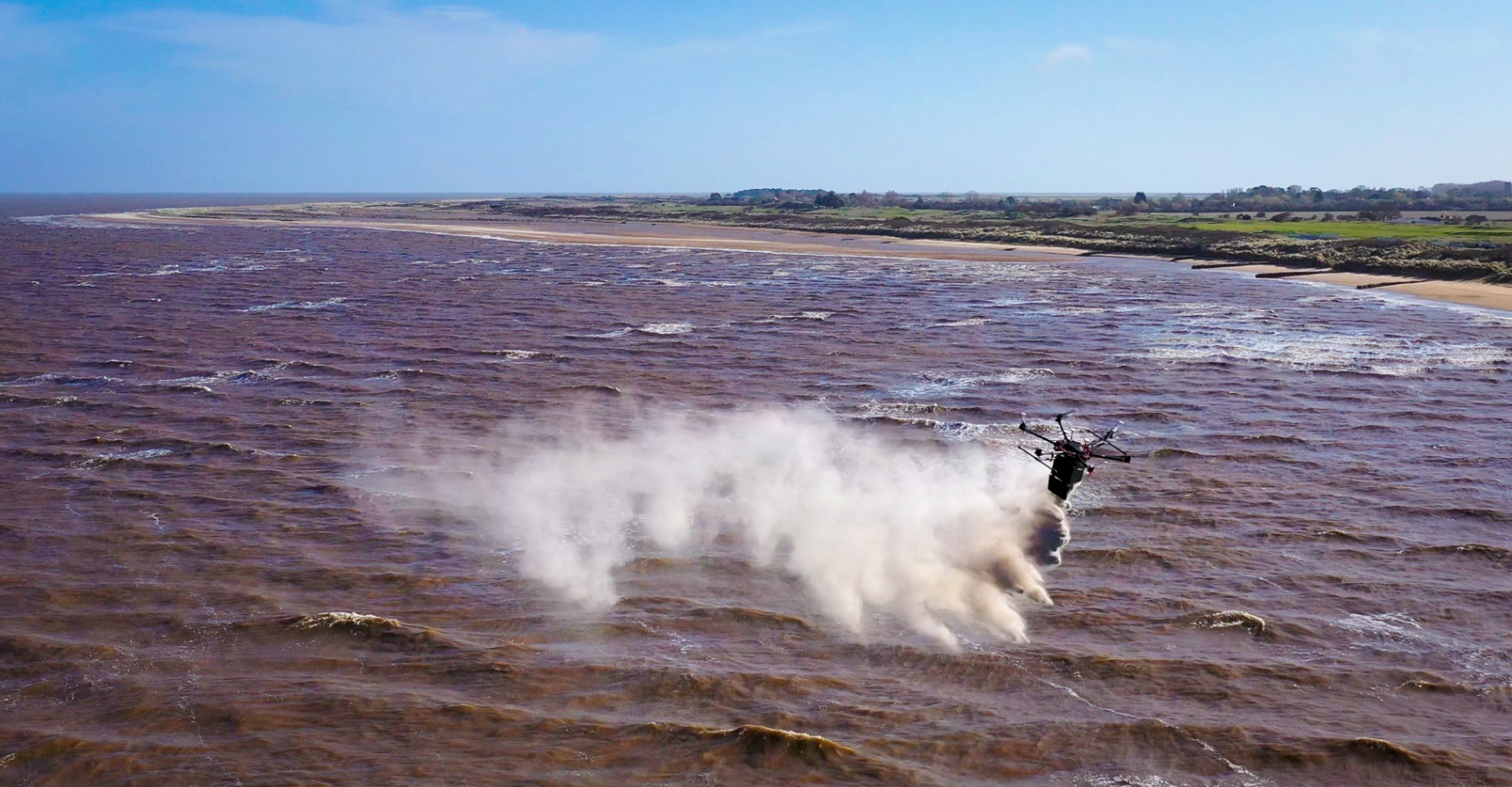
To fix this, always test the wind direction before you begin. Use a handful of sand or grass to see where the air is moving. If the wind is too strong, move to a lower point on the beach where the dunes might provide some shelter. Alternatively, a drone ash scattering service bypasses this issue entirely. A drone can fly out over the water, releasing the ashes at a height and distance where the wind becomes an ally, dispersing the remains into a fine, peaceful mist far from the shore.
2. Choosing a Busy Tourist Hub
Locations like Cromer or Great Yarmouth are beloved for their nostalgia, but they are often crowded with dog walkers, children, and tourists. Finding a moment of privacy can be difficult. Nothing breaks the solemnity of a farewell like a stranger’s dog running through the middle of your circle.
Seek out the quieter stretches of the coast. Holkham Beach is famous for its massive scale: at low tide, the sea retreats so far that the horizon feels miles away. This vastness provides the privacy you need. If you are unsure where to go, check our page-sitemap.xml for location ideas or look into our inspiration page. A professional service allows you to find that quiet spot without the stress of navigating crowds.
3. Miscalculating the Norfolk Tides
The Norfolk coast has some of the most dramatic tidal shifts in the UK. Places like Wells-next-the-Sea or the marshes around Blakeney can be dangerous if you are unfamiliar with how quickly the water returns. Families often walk far out onto the sandbanks for privacy, only to find themselves cut off by the incoming tide.
Always check a reliable tide table before heading out. Aim for the "slack water" period just after low tide. This gives you the most time on the sand and ensures that when the tide does come in, it gently washes over the area where the ashes were placed, carrying them out to sea. If mobility is an issue for some family members, navigating soft sand and tidal creeks can be exhausting. Our drone service removes the need for everyone to trek across difficult terrain, as the ceremony can be witnessed from a safe, comfortable vantage point.
4. Using Non-Biodegradable Tributes
It is a natural instinct to want to leave flowers or a wreath alongside the ashes. However, many traditional floral arrangements contain plastic ribbons, floral foam, or wire frames. These do not break down and can harm the delicate coastal ecosystem of the East of England.
Ensure everything you use is 100% biodegradable. Loose flower petals are a beautiful, eco-friendly alternative. They float on the water and look stunning from an aerial perspective. If you are planning a ceremony, are you ready to scatter your loved one's ashes? Choosing an environmentally conscious method reflects a respect for the nature that your loved one enjoyed.
5. Ignoring the Physical Reality of the Ashes
Many people are surprised by the texture of cremated remains. They are not a fine powder like flour; they contain small bone fragments and have a distinct weight. Handling them directly can be an emotional and tactile shock. In a coastal environment, moisture in the air can cause ashes to stick to hands or clothing.
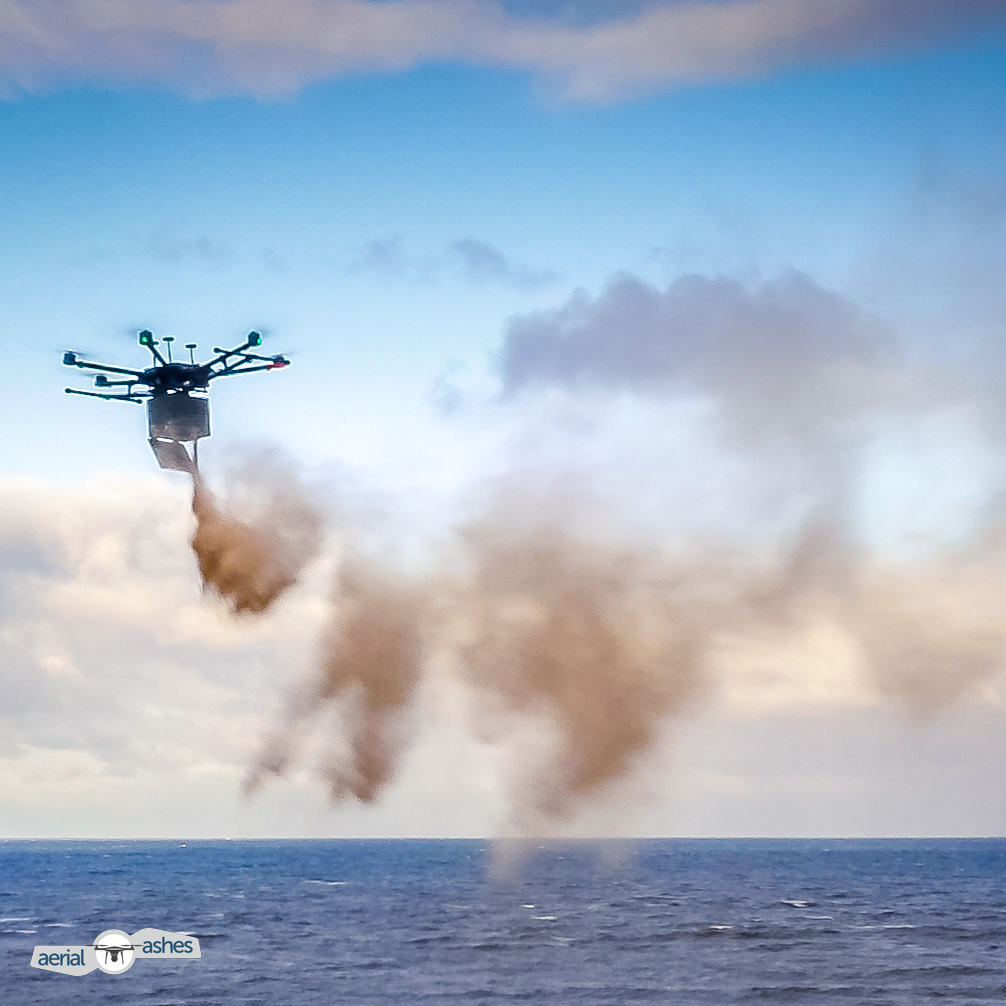
Using a scattering tube can help, but for many, the physical act of "pouring" feels too heavy. This is where drone ash scattering offers a more ethereal experience. The drone releases the ashes in a controlled, graceful stream. It transforms a heavy physical task into a visual moment of release. Seeing the ashes silhouetted against the Norfolk sunset creates a memory of light and air rather than one of gravity and dust.

6. Forgetting the Permission Aspect
While the UK is generally permissive regarding scattering ashes at sea or on public beaches, some areas of the Norfolk coast are privately owned or managed by conservation groups like the National Trust. Scattering large amounts of ashes in a sensitive nature reserve without checking can lead to uncomfortable conversations.
Always be discreet. If you are planning a large gathering, it is worth checking with the local council or landowner. For those who want a completely hassle-free experience, Aerial Ashes Matt handles the logistical considerations of flight and location. We ensure that the ceremony is respectful to both the deceased and the local community. You can plan your own ceremony now to ensure all the boxes are ticked.
7. Rushing the Moment
The biggest mistake is the "quick tip." Families often feel nervous or exposed, so they pour the ashes quickly and leave. This often leads to immediate regret, as the ceremony feels unfinished. A study in the Journal of Loss and Trauma (2007) highlights that the perceived "quality" of a ritual is more important for healing than the ritual itself.
Slow down. Create a structure for the morning. Read a poem, play a favorite song on a portable speaker, or share a story before the scattering begins. A drone ceremony naturally paces the event. As the drone ascends, it creates a focal point for everyone to watch. The flight itself becomes a part of the ritual: a journey toward the horizon.
The Serenity of the Norfolk Horizon
There is something truly unique about the East of England. The beaches at Southwold and Holkham don't just offer sand and sea; they offer a sense of perspective. When you stand on the shore and look out at the North Sea, the world feels vast. This vastness is the perfect antidote to the "ashes on the shelf" syndrome. It allows you to move from the small, cramped feeling of a container to the infinite freedom of the ocean.
Our drone service is designed to enhance this feeling. We use high-specification technology to ensure the release is smooth and dignified. We can even offer a live-streamed funeral or memorial service for family members who cannot travel to the Norfolk coast. This ensures that everyone, regardless of where they are in the world, can share in the moment of goodbye.
Making the Decision
If you have been holding onto ashes, waiting for the "right time," consider this your invitation. The Norfolk coast is waiting with its open arms and endless skies. You don't have to risk a DIY ceremony that might go wrong. You can choose a professional, serene, and environmentally conscious way to say goodbye.
Whether you choose the wild dunes of Winterton-on-Sea or the refined beauty of Southwold, we are here to help you navigate the process. We provide the expertise so you can focus on the emotion of the day. Our goal is to replace the weight of the shelf with the peace of the horizon.

References
- Caserta, M. S., & Lund, D. A. (2007). Ritual Utilization and Predictors of Helpfulness Among Recently Bereaved Spouses. Journal of Palliative Medicine.
- Journal of Loss and Trauma (2007). The Role of Memorialization in the Grief Process.
We're Online! How may I help you today?