 UK
UK
 Hawaii
 USA
USA
7 Mistakes You’re Making with Scattering Ashes on Cornwall’s North Coast (and How to Fix Them)
7 Mistakes You’re Making with Scattering Ashes on Cornwall’s North Coast (and How to Fix Them)
Standing on the edge of the Atlantic at Polzeath Beach, the air smells of salt and the sound of the crashing surf fills the space where words often fail. For many, the North Coast of Cornwall represents a lifetime of holidays, surfing adventures, or quiet walks along the South West Coast Path. It is a place that feels alive, making it a natural choice for a final farewell. Yet, the very elements that make this coastline so beautiful can also make a traditional ashes scattering ceremony complicated and, at times, deeply distressing.
Choosing to say goodbye in such a public and powerful landscape requires more than just a container and a quiet moment. Many families arrive with the best intentions, only to find themselves battling the wind, the crowds, or the incoming tide. This is a moment that cannot be repeated, so ensuring it happens with dignity and grace is essential for your own peace of mind.
The Weight of the Ashes on the Shelf
It is incredibly common for families to keep a loved one’s ashes on a shelf or in a cupboard for months, or even years. This often stems from a fear of "getting it wrong" or the overwhelming logistics of planning a ceremony in a place like Polzeath. You might feel a lingering sense of guilt, as if you are stalling, but usually, you are just waiting for a solution that feels right. Moving from that feeling of being stuck to a state of relief is a vital part of the grieving process.
Research published in the Journal of Experimental Psychology (Norton & Gino, 2014) indicates that rituals provide a sense of control during times of loss. When you finally move from the "shelf" to a meaningful release, you aren't just scattering remains: you are reclaiming a sense of order and peace.
Mistake 1: Ignoring the "Blowback" Factor
The most frequent "DIY that went wrong" story involves the wind. Polzeath is famous for its Atlantic swells and stiff breezes. If you stand on the beach and open a standard urn, a sudden gust can easily blow the ashes back onto your clothes, your face, or towards other beach users. This can turn a sacred moment into one of panic and regret.
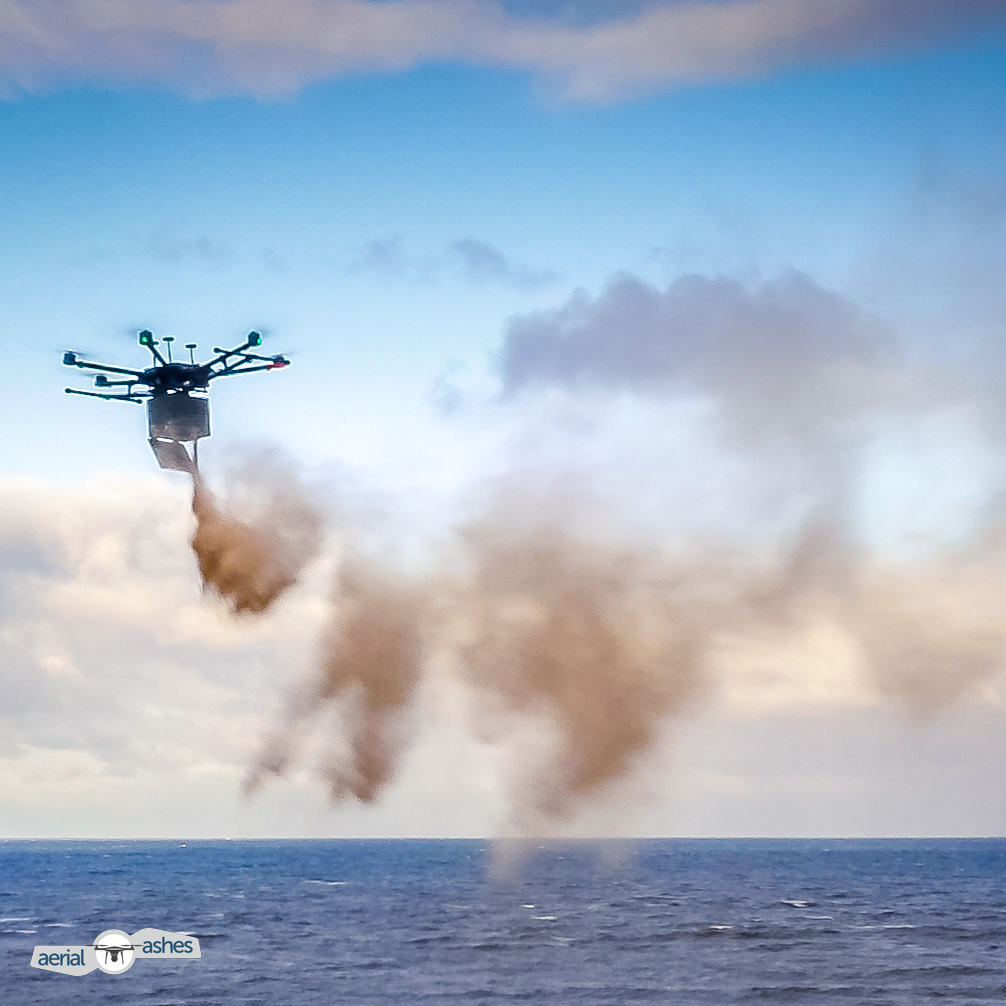
The Fix: Instead of a manual release, drone ash scattering allows the ashes to be carried high above the surf. The drone can fly out over the "Greenaway" or towards Pentire Point, releasing the ashes into the wind where they can disperse naturally and beautifully over the water, far away from the shore.
Mistake 2: Forgetting the Polzeath Crowds
Polzeath is one of the most popular surfing beaches in the UK. On a sunny day, the sand is packed with families, surf schools, and dogs. Attempting a private, emotional ceremony in the middle of a bustling crowd is difficult. It is hard to find a sense of serenity when you are surrounded by windbreakers and ice cream vans.
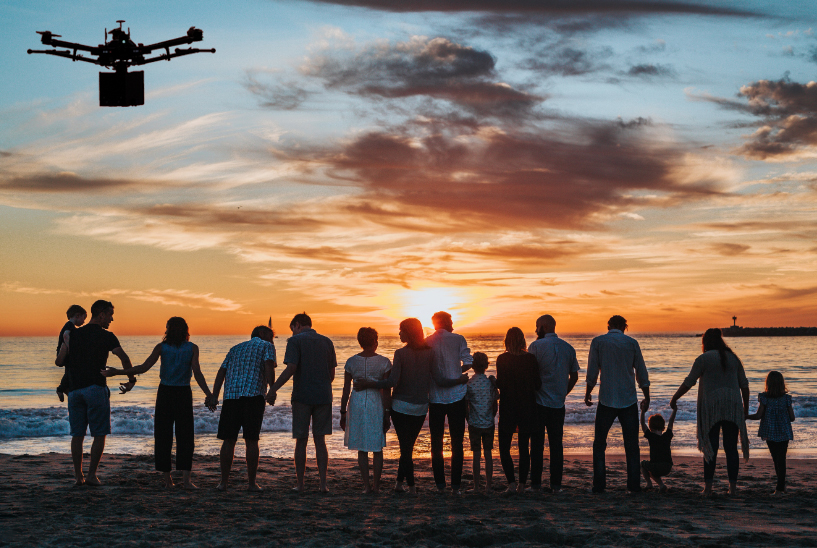
The Fix: Privacy is paramount. By using a drone, the physical "scattering" happens hundreds of feet in the air or out over the sea. Your family can remain in a quiet, secluded spot on the cliffs or a less busy part of the beach, watching the ceremony from a distance while maintaining your privacy.
Mistake 3: Misjudging the Tides
At Polzeath, the tide moves quickly. Many people try to scatter ashes on the dry sand, only to realise that the "grey patch" remains visible for hours until the tide comes in. This can be upsetting for the family and is often frowned upon by local authorities and other beach users.
The Fix: If you are scattering by hand, you must aim for the "wash" of the waves at low tide. However, the most dignified method is to ensure the ashes never touch the dry sand at all. A drone release ensures the ashes meet the ocean directly, joining the Atlantic currents immediately.
Mistake 4: Overlooking Landowner Permissions
While the beach feels like a free space, much of the Cornish coastline is managed by the National Trust or Cornwall Council. There are often specific guidelines about where and how you can scatter ashes. Simply turning up and performing a ceremony can sometimes lead to uncomfortable conversations with beach wardens.
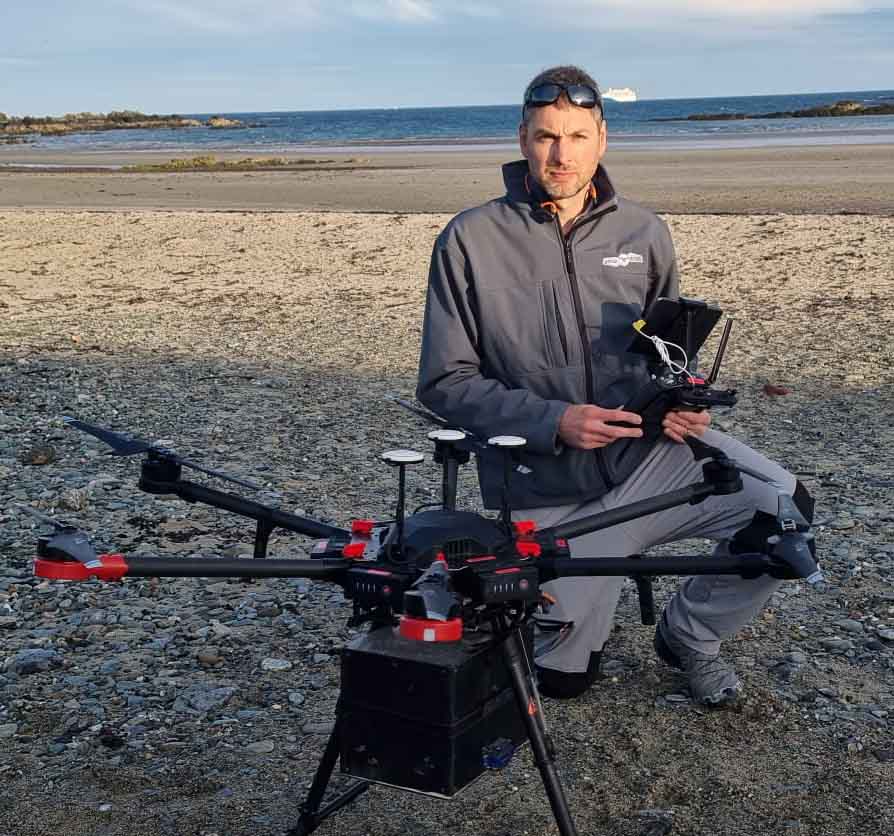
The Fix: Use a professional service. At Aerial Ashes Matt, we handle the logistics. We understand the local requirements and ensure that every ceremony is fully compliant with the Civil Aviation Authority and local management rules. This removes the administrative burden from your shoulders.
Mistake 5: Navigating Dangerous Terrain
The North Coast is rugged. Trying to reach a "secret" cove or a specific rocky outcrop while carrying an urn and perhaps supporting elderly family members is a safety risk. Slippery rocks and steep cliff paths are not ideal for an emotional group of people.
The Fix: You don't need to climb the rocks to reach the perfect view. You can stay in a safe, accessible location: perhaps near the Polzeath beach car park or a level viewing area: while the drone carries the ashes to that specific, hard-to-reach spot your loved one loved.
Mistake 6: The Lack of a Visual Memory
A manual scattering happens in an instant. Once it is done, the moment is gone. Many families find that they were so overwhelmed with the "doing" of the scattering that they didn't actually "experience" the goodbye. They have no photos or videos because it felt inappropriate to hold a phone while scattering.
The Fix: We offer professional filming and live-streaming services. This allows you to be fully present in the moment. Later, you can watch the footage of the ashes drifting like a silver cloud over the Cornish sea. This provides a lasting, beautiful memory that you can share with family members who couldn't travel to Cornwall.
Mistake 7: Carrying the Emotional Burden Alone
Planning a memorial is a heavy task. When you try to do everything yourself: the travel, the timing, the legalities: you often end up stressed rather than focused on the person you are honouring.
The Fix: Let us guide you. According to a study in Medical Humanities (Hoy, 2020), the quality of the memorial ritual significantly impacts the "meaning-making" process for survivors. By choosing a professional drone ash scattering service, you are investing in a ceremony that is designed to be serene and meaningful.
Why Polzeath is Different from the Air
When you see Polzeath from above, you see the true scale of the Hayle Bay and the power of the Pentire Headland. It is a perspective that human eyes rarely get to see from the ground. A drone ceremony doesn't just "drop" ashes: it creates a choreographed, graceful release that looks like a trail of mist against the blue water.
This method is environmentally conscious. There are no plastic wreaths or non-biodegradable urns left in the sea. It is a clean, modern, and deeply respectful way to return a loved one to nature.
Planning Your Farewell
If you are ready to move those ashes from the shelf to the sea, the process is simpler than you might think. We have helped many families find closure on the North Coast, turning a daunting task into a beautiful memory. Whether it is a solo farewell or a Together Forever Service for a couple who spent their lives visiting Cornwall, we are here to help.
- Choose your location: We can suggest the best spots around Polzeath or nearby Mawgan Porth.
- Select your package: Look at our pricing and options to see what fits your family's needs.
- Let us handle the rest: From permissions to flight paths, we take care of the details so you can focus on the goodbye.
Take a look at our Ideal Memorial Assistant to start planning your ceremony today.
References
- Castle, J., & Phillips, W. L. (2003). Post-funeral rituals and grief adjustment. Journal of Palliative Medicine.
- Hoy, W. G. (2020). Funerals and Memorial Practices. Medical Humanities.
- Norton, M. I., & Gino, F. (2014). Rituals Alleviate Grieving by Restoring Control. Journal of Experimental Psychology.
We're Online! How may I help you today?