 UK
UK
 Hawaii
 USA
USA
The Ultimate Guide to Drone Ashes Scattering Franchises: Everything You Need to Succeed
Meta Description: Explore the growing opportunity of drone ash scattering franchises. Learn about FAA regulations, equipment requirements, and how to provide dignified memorial services at iconic locations like the Grand Canyon or the Florida Coast.
Aerial Ashes Matt
123 Memorial Lane, London (UK Operations) / International Franchise Support
Hours: Monday to Friday, 09:00 to 17:00
The Ultimate Guide to Drone Ashes Scattering Franchises: Everything You Need to Succeed
The way people approach the end of life is changing. For decades, traditional burial was the standard, but today, cremation has become the preferred choice for a majority of families across the United States and Europe. According to research published in the Journal of Palliative Medicine (2021), families are increasingly looking for personalized, meaningful experiences that move away from the somber atmosphere of a traditional cemetery. This shift has created a unique opportunity for drone pilots and entrepreneurs to provide a service that is both technically advanced and deeply moving: drone ash scattering.
If you are a drone pilot looking to diversify your business or an entrepreneur interested in the memorial services sector, the concept of an aerial farewell offers a rewarding path. This guide explores the logistical, legal, and emotional aspects of running a successful drone ashes scattering franchise, particularly for those looking to operate in the vast and scenic landscapes of North America.
The Growing Demand for Aerial Memorials
In the United States, the cremation rate has surpassed 50 percent and continues to rise. Many families find themselves holding onto cremated remains (often called "cremains") because they are searching for a final resting place that feels right. They want something more expansive than a small plot of land. They want the freedom of the sky, the beauty of the mountains, or the serenity of the ocean.
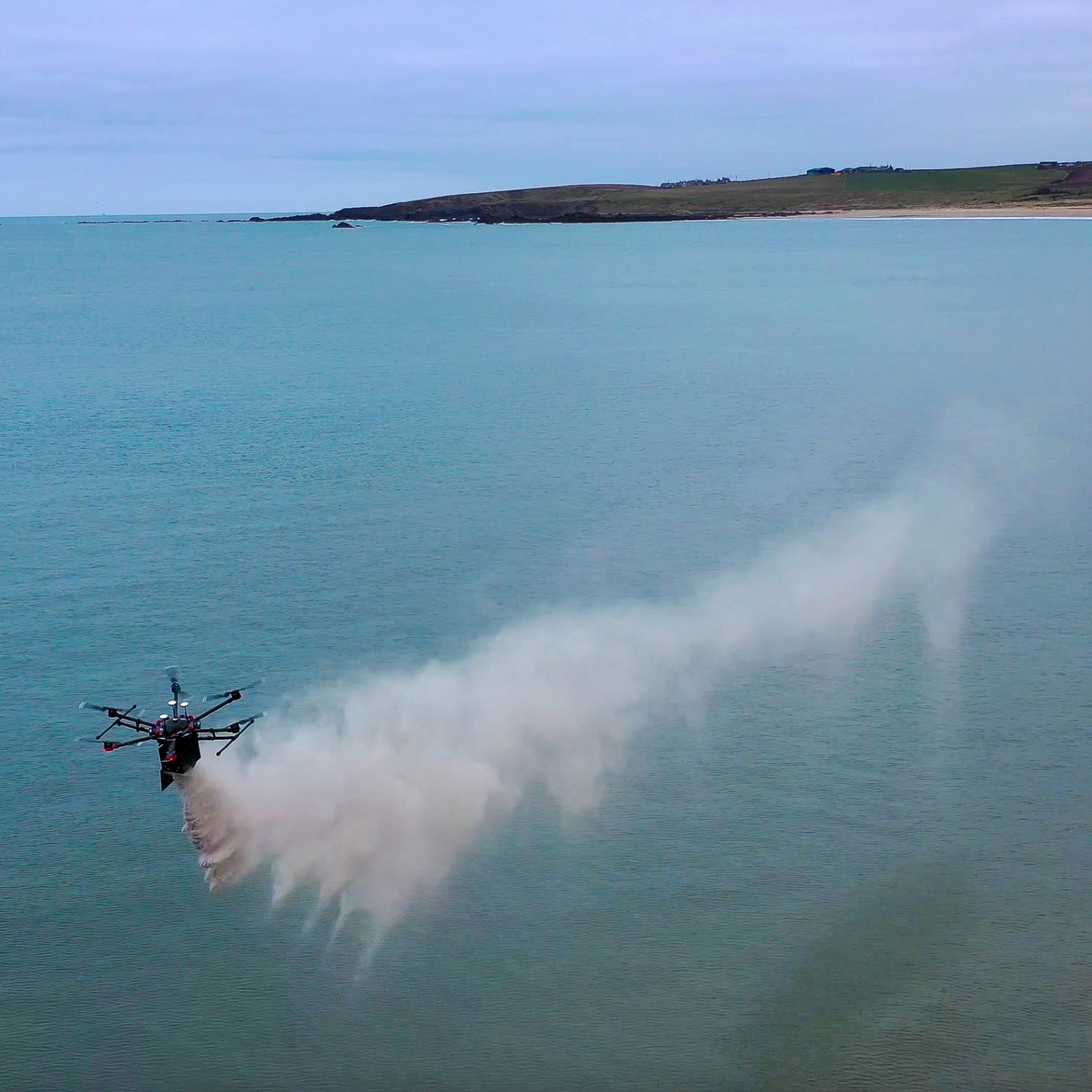
A drone ash scattering service meets this need by allowing families to choose locations that were once impossible to reach or prohibited for traditional gatherings. Whether it is a sunset ceremony over the Florida Coast or a quiet release above the red rocks of the Grand Canyon, drones provide a level of precision and dignity that manual scattering simply cannot match.
Navigating the Legal Landscape in the US
For those looking to start a franchise outside the UK, understanding the local regulations is the first step toward success. In the United States, the Federal Aviation Administration (FAA) governs all commercial drone activity.
- FAA Part 107 License: Every commercial operator must hold a valid Remote Pilot Certificate. This ensures you understand airspace restrictions, weather patterns, and safety protocols.
- Dropping Objects: While FAA regulations generally prohibit dropping objects that could cause harm, the agency permits the release of ashes. Fine particles of cremated remains pose no risk to people or property on the ground when dispersed at the correct altitude and in appropriate weather conditions.
- Environmental Protection Agency (EPA): If you are performing a drone ashes scattering over the ocean, such as off the coast of Florida or California, you must follow the EPA's burial at sea regulations. This includes scattering at least three nautical miles from the shoreline and filing a report within 30 days of the ceremony.
- State and Local Laws: Some national parks or specific state lands have their own rules regarding memorial services. A significant benefit of joining a franchise like Aerial Ashes Matt is the support you receive in navigating these permissions.
The Technology Behind a Dignified Farewell
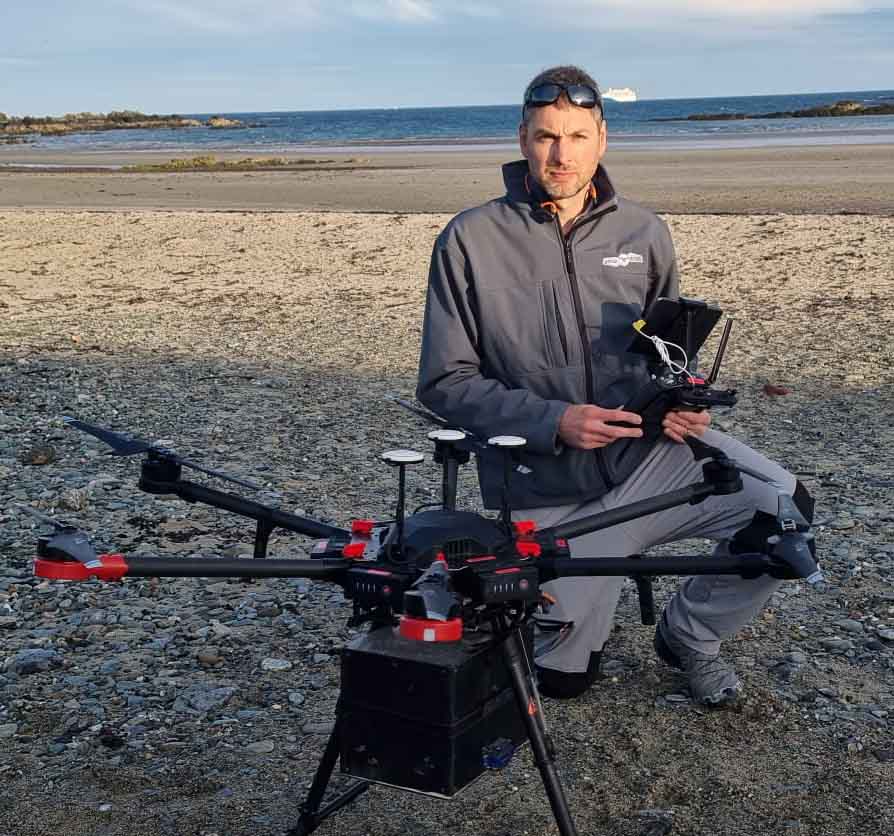
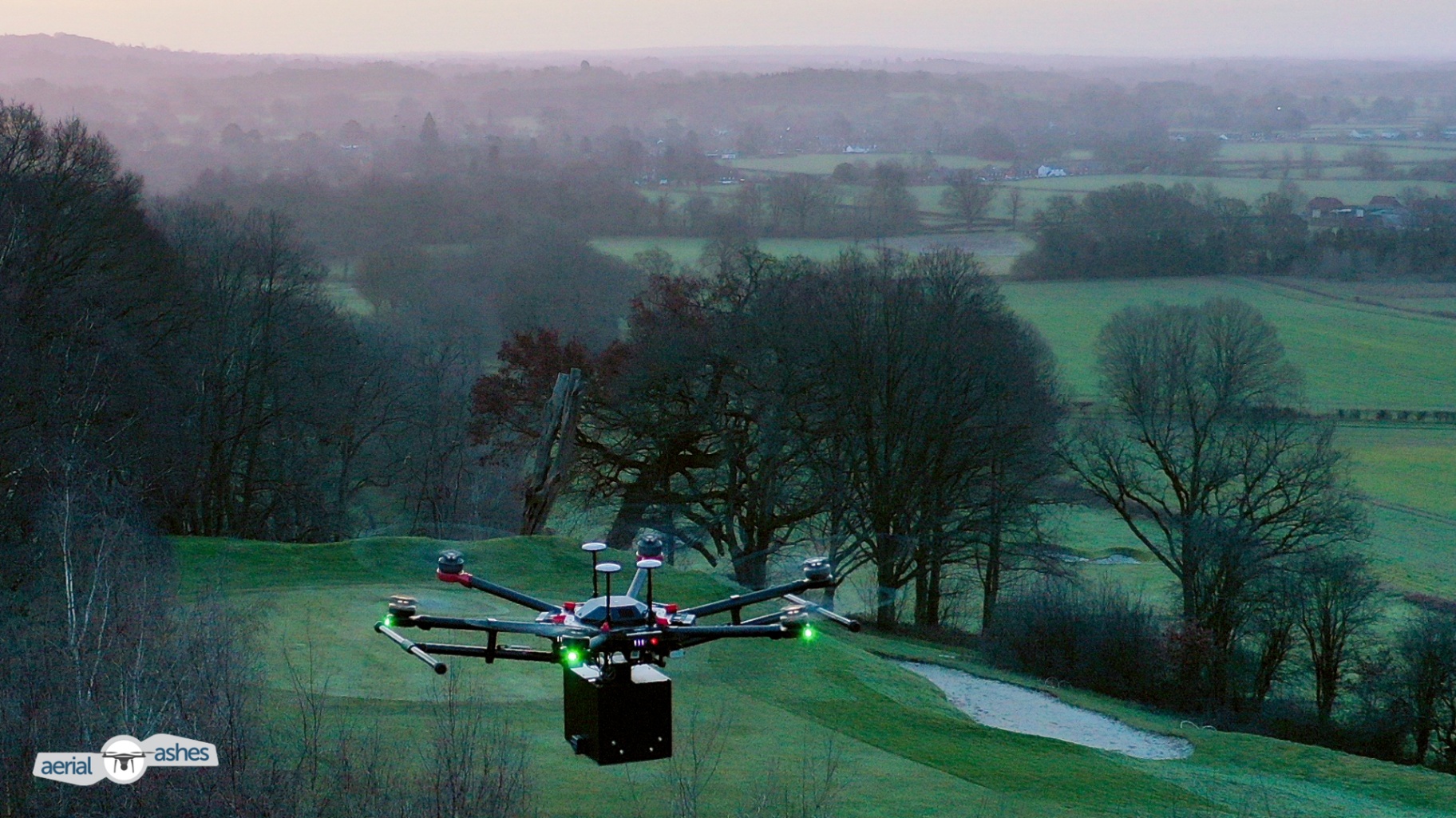
You cannot simply use a standard consumer drone for professional memorial services. To ensure a smooth and respectful ceremony, the equipment must be robust and reliable. At Aerial Ashes Matt, we typically utilize heavy-lift aircraft like the DJI Matrice 600 Pro.
These drones are modified with custom carbon-fiber release mechanisms. This specialized equipment is crucial because it ensures the ashes are released steadily and completely, avoiding any "clumping" or mechanical failures that could disrupt the solemnity of the moment.
A professional setup often includes:
- A primary heavy-lift drone for the scattering.
- A secondary drone for capturing high-definition footage or live streaming the event for family members who cannot attend in person.
- Real-time weather monitoring tools to ensure wind speeds stay below 20 mph.
- Specialized containers that keep the ashes secure until the exact moment of release.
You can learn more about our technical standards and how we work to maintain the highest levels of professionalism.
Why a Franchise Model Makes Sense
Starting a memorial business from scratch is a significant undertaking. It requires not only technical skill but also a deep understanding of the funeral industry and the emotional needs of grieving families. Investing in a franchise, which typically requires an initial investment of around $27,000, provides a shortcut to a proven business model.
Franchise partners receive comprehensive training that covers everything from flight safety to client communication. You get access to an established brand that families already trust. In a sensitive industry like memorial services, trust is your most valuable asset. When you operate under a recognized name, you aren't just a "drone guy" with a hobby; you are a professional memorial provider.
For those interested in the business side of things, our partners page provides more detail on how we support our international team members.
Creating the Experience: The Ceremony
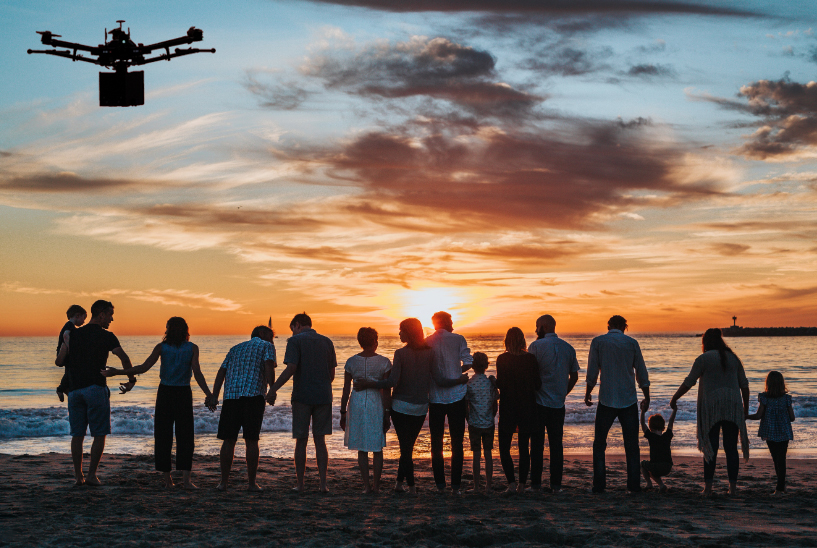
The actual flight is only one part of the service. A successful drone ash scattering business is built on the experience you create for the family. In the US, the variety of landscapes allows for truly personalized ceremonies.
- The Florida Coast: Many families find peace in the rhythm of the ocean. A drone can fly three miles out, far beyond the crowded beaches, to release ashes into the sea breeze.
- The Grand Canyon: The vastness of the canyon offers a sense of eternal rest. Using a drone allows the ashes to be scattered over the depths of the canyon while the family watches from a safe, accessible viewing point.
- Private Estates: For families with large properties or ranches, an aerial scattering allows them to keep their loved one close to home in a way that covers the entire landscape they loved.
During the ceremony, the pilot acts as a host. The flight should be slow, deliberate, and quiet. It is a moment of reflection. Studies in the Journal of Experimental Psychology (2014) suggest that rituals play a vital role in reducing grief and restoring a sense of control after a loss. By providing a structured, beautiful ritual, you are helping families begin their healing process.
Environmental Benefits and Sustainability
One of the most compelling selling points for drone ashes scattering is its minimal environmental footprint. Unlike traditional burials, which involve embalming fluids and non-biodegradable caskets, or even some water-based scatterings that involve heavy urns, drone scattering is incredibly "green."
The ashes are dispersed by the wind, returning to nature in their purest form. There is no permanent structure left behind and no disruption to the local ecosystem. For the environmentally conscious consumer, this is often the deciding factor.
Pricing and Revenue Potential
A drone ash scattering service is a premium offering. Depending on the location and the complexity of the ceremony, services typically range from $750 to $1,500. For specialized requests, such as high-altitude mountain releases or international travel, the price point can be significantly higher.
Because the demand for cremation is constant and not tied to economic cycles, this is a resilient business model. Unlike real estate photography or wedding videography, which can fluctuate with the market, memorial services remain a steady necessity.
Essential Steps for New Franchisees
If you are ready to explore this opportunity, your journey will involve a few key stages:
- Initial Inquiry: Reach out to discuss the available territories in your region.
- Training: Complete both the technical drone training and the "memorial protocol" training, which teaches you how to manage the emotional gravity of the events.
- Equipment Acquisition: Set up your DJI Matrice system and carbon-fiber release units.
- Local Permitting: Establish relationships with local parks and maritime authorities.
- Marketing: Use the Aerial Ashes Matt brand to connect with local funeral directors and families looking for inspiration.
The Heart of the Mission
At the end of the day, this business is about people. While the technology is fascinating, the real value lies in the closure you provide. Whether it is a quiet morning at the Grand Canyon or a sunset over the Atlantic, you are facilitating a final act of love.
The precision of the drone ensures that the ashes go exactly where the family intended, reaching heights and locations that would be dangerous or impossible to reach on foot. This creates a sense of awe and peace that stays with the family long after the drone has landed.
Final Thoughts on Joining the Industry
The world of memorial services is evolving, and drone ash scattering is at the forefront of this change. It combines the best of modern technology with the timeless need for a dignified farewell. For drone pilots in the US and beyond, it represents a chance to build a profitable business that truly makes a difference in people's lives.
If you are a pilot who values professionalism, dignity, and environmental stewardship, we would love to hear from you. The sky is not the limit; it is the destination.
References:
- Journal of Palliative Medicine (2021). Trends in Cremation and Memorialization Preferences.
- Journal of Experimental Psychology (2014). The Impact of Rituals on Grieving and Goal Pursuit.
- FAA Part 107 Guidelines for Small Unmanned Aircraft Systems.
- EPA Regulations on Burial at Sea (40 CFR 229.1).
We're Online! How may I help you today?