 UK
UK
 Hawaii
 USA
USA
The Ultimate Guide to Ashes Scattering: Why Kynance Cove is Cornwall’s Most Serene Choice
The Ultimate Guide to Ashes Scattering: Why Kynance Cove is Cornwall’s Most Serene Choice
Choosing a final resting place for a loved one is one of the most significant decisions a family will make. For centuries, the sea has held a powerful allure for those seeking a sense of return, peace, and eternal rhythm. In the United Kingdom, the Cornish coastline stands out as a premier destination for these moments, offering a blend of rugged beauty and tranquil waters. Among the many hidden gems of the South West, Kynance Cove often emerges as the most serene choice for an ashes scattering ceremony.
The process of saying goodbye is deeply personal, and the environment plays a crucial role in the healing process. Research in the Journal of Environmental Psychology suggests that "blue spaces," such as coastal environments, provide significant psychological benefits during times of stress and bereavement (Kaplan and Kaplan, 1989). When families choose a location like Kynance Cove, they are not just selecting a scenic backdrop: they are choosing a restorative environment that aids in the transition of grief.
Understanding the Methods of Scattering Ashes at Sea
There are several ways to approach scattering ashes at the coast, depending on the family's physical abilities and emotional preferences. Each method offers a different way to interact with the landscape of Cornwall.
- Beach Casting: This involves standing at the water's edge and releasing the ashes into the breeze or onto the incoming tide. It is a direct and tactile experience.
- Trenching: Families may dig a small, shallow groove in the sand below the high-tide line. The ashes are placed inside and covered, allowing the sea to naturally reclaim them as the tide rises.
- Wading: Some individuals find comfort in walking into the shallow surf, ensuring the ashes are immediately taken by the current.
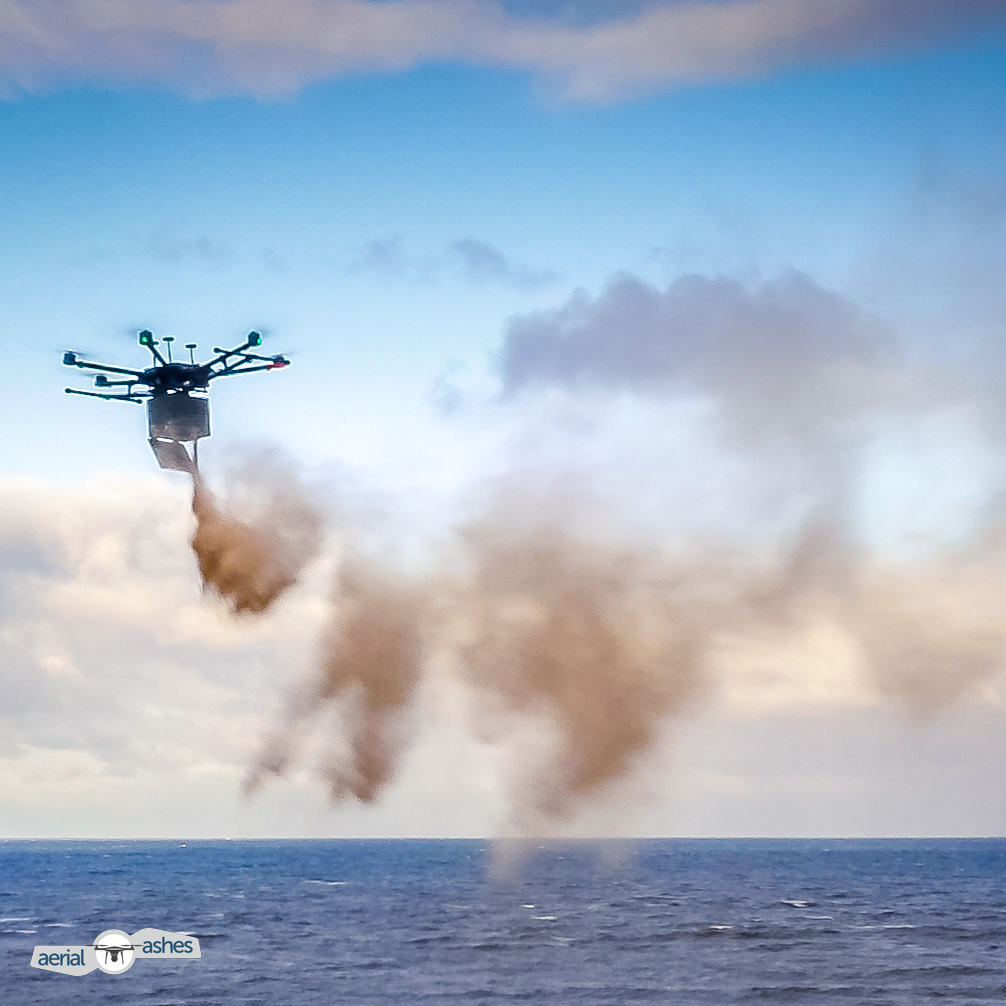
- Aerial Release: Using modern technology, drone ash scattering allows for a dignified release further out at sea or over specific landmarks that are otherwise inaccessible.
While traditional methods have their place, the geography of Cornwall, and Kynance Cove in particular, presents unique challenges that make certain methods more practical than others.
Why Kynance Cove is a Unique Sanctuary
Located on the eastern side of Mount's Bay on the Lizard Peninsula, Kynance Cove is world-renowned for its turquoise water and white sand. The geology here is rare: the cliffs are made of serpentine, a dark green and red rock that polishes to a high sheen under the waves. This creates a visual landscape that feels otherworldly and profoundly peaceful.
The cove offers a sense of enclosure and privacy that is hard to find on larger, more open beaches. However, the very features that make it beautiful also make it difficult to navigate. The path down to the beach is steep and can be treacherous for those with limited mobility. For families who wish to include elderly relatives or children in the ceremony, reaching the water's edge can be a physical hurdle.
This is where the benefit of a drone service becomes clear. By using a drone, the ceremony can take place on the clifftop, where the views are expansive and the ground is level. The drone then carries the ashes out over the serpentine rocks and the emerald water, ensuring the release happens in the most beautiful part of the cove without requiring the family to navigate the difficult descent. You can book ashes scattering service through our platform to handle these logistical details seamlessly.
The Legal and Environmental Aspects of Scattering in Cornwall
It is a common misconception that special permits are always required for scattering ashes in the UK. According to the Environment Agency, there are no specific laws against scattering ashes at sea or in rivers, provided that the ashes do not contain any non-biodegradable items. The process is viewed as an environmentally friendly alternative to traditional burial.
To ensure the ceremony is respectful to the environment and other visitors, several guidelines should be followed:
- Avoid busy periods: Choose early morning or late evening to ensure privacy and avoid disturbing other beachgoers.
- Check the wind: Always scatter downwind to ensure the ashes move away from the shore and the participants.
- Biodegradability: If using a container or urn, ensure it is specifically designed to dissolve in water.
- Location awareness: Some areas may be privately owned or managed by organizations like the National Trust. It is always polite to check local signage.
For those who are unsure if they are ready for this step, our guide on are you ready to scatter your loved ones ashes provides a helpful framework for making that decision.
The Science of Grief and Natural Memorials
The shift toward natural memorials is supported by a growing body of academic work. A study published in the Journal of Palliative Medicine indicates that "nature-based rituals" can significantly reduce the intensity of acute grief symptoms (Caserotto et al., 2012). The ritual of returning a loved one to the elements provides a symbolic sense of closure and continuity.
At Kynance Cove, the constant motion of the Atlantic tides serves as a powerful metaphor for the cycle of life. The act of drone ash scattering enhances this experience by allowing the family to watch from a distance as the ashes form a gentle cloud over the water before disappearing. This perspective offers a sense of "letting go" that is both literal and emotional.

Practical Considerations for Your Visit to the Lizard Peninsula
If you are planning a visit to Kynance Cove for a memorial, timing is everything. The cove is famous for its "disappearing beach" at high tide. To see the white sands and the caves, you must arrive during low tide.
Weather and Tide Planning
The Cornish coast is famously unpredictable. High winds can make a clifftop ceremony difficult, while sea mist can obscure the stunning views. We recommend checking the Met Office maritime forecast 48 hours before your planned date. If the weather is unsuitable for a beach landing, a drone can still operate in moderate conditions, providing a level of reliability that boat-based scatterings often lack.
Accessibility
The National Trust car park at Kynance is well-maintained, but the walk to the famous viewpoint is still approximately 10 to 15 minutes. For those who cannot make the walk, we can often arrange for the drone launch to happen closer to the accessible areas. This ensures that every family member can witness the moment of release. Our ideal memorial assistant can help you coordinate these specific logistical needs.
How Technology Enhances the Memorial Experience
While the idea of using a drone for a funeral service might seem modern, it is actually a deeply respectful way to honor a loved one's final wishes. Many people who loved the sea or had a connection to Cornwall spent their lives exploring these cliffs. A drone ash scattering allows their remains to reach places that a boat or a person on foot simply cannot go, such as the base of the dramatic Gull Rock or the secluded Asparagus Island.
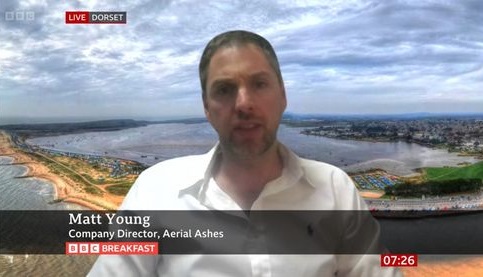
The use of high-definition cameras on the drone also allows the ceremony to be recorded or even live-streamed for family members who are unable to travel to Cornwall. This inclusivity is a core part of the service we provide at Aerial Ashes Matt. You can explore our live streamed funeral options to see how we bridge the gap for distant relatives.
Creating a Lasting Legacy
The beauty of choosing Kynance Cove is that it remains a place you can return to for years to come. Unlike a traditional cemetery, the coast is ever-changing yet eternally present. Every time you see a picture of the Cornish coast or hear the sound of the waves, you will have a physical and emotional anchor to your loved one.
When we facilitate a scattering ashes ceremony, we focus on the peace of the experience. We handle the technical aspects, from CAA regulations to flight planning, so that you can focus entirely on the memory of your loved one.
Key Benefits of a Drone Ceremony at Kynance:
- Unmatched Privacy: Releasing ashes away from the shore avoids the public nature of a crowded beach.
- Total Accessibility: No need to climb steep stairs or navigate rocky paths.
- Precision: We can release the ashes at the exact spot that was meaningful to your loved one.
- Dignity: A smooth, controlled release that is not affected by ground-level wind gusts.
Final Thoughts on a Cornish Farewell
Kynance Cove is more than just a tourist destination: it is a place of profound natural power. Whether the sun is reflecting off the turquoise water or the Atlantic swell is crashing against the serpentine rocks, the cove offers a dignity that is hard to replicate. By combining the natural majesty of the Cornish coast with the precision of drone ash scattering, we help families create a farewell that is as unique and beautiful as the life they are celebrating.
If you are beginning to plan a ceremony and need guidance on the best locations or the process involved, we are here to support you. You might find our inspiration1 page helpful for viewing how others have personalized their ceremonies.
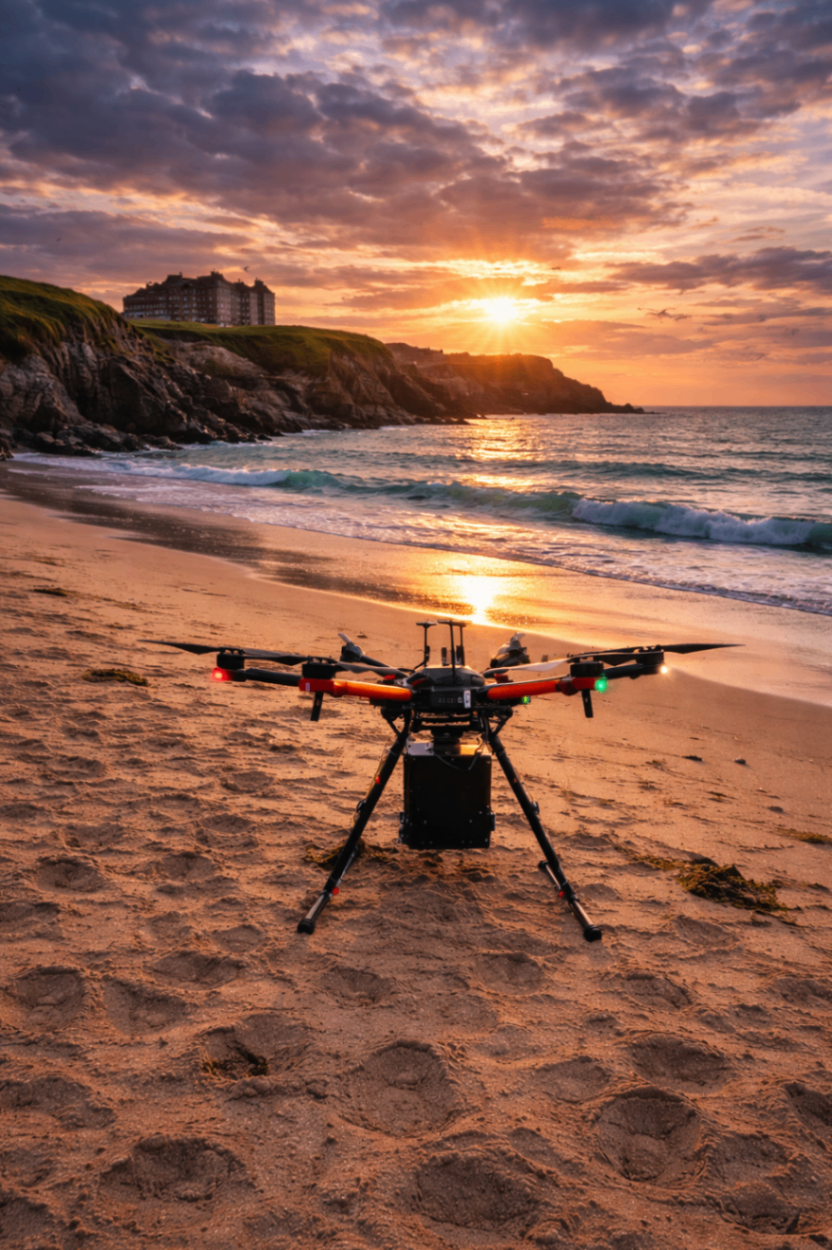
Choosing to scatter ashes is a final act of love. By selecting a location as serene as Kynance Cove, you ensure that the final memory is one of beauty, peace, and the timeless embrace of the sea.
References
Caserotto, D., et al. (2012). The role of nature in grief recovery. Journal of Palliative Medicine.
Kaplan, R., & Kaplan, S. (1989). The Experience of Nature: A Psychological Perspective. Cambridge University Press.
We're Online! How may I help you today?