 UK
UK
 Hawaii
 USA
USA

7 Mistakes You’re Making with Ashes Scattering on Cornwall’s Coast (and How to Fix Them)
7 Mistakes You’re Making with Ashes Scattering on Cornwall’s Coast (and How to Fix Them)
Cornwall remains one of the most sought-after locations in the UK for a final farewell. With its rugged granite cliffs, turquoise waters, and sprawling sandy bays, it offers a sense of peace that is hard to find elsewhere. However, the very elements that make the Cornish coast so breathtaking can also make the process of ashes scattering surprisingly difficult for families who are unprepared.
The act of returning a loved one to nature is a deeply significant ritual. Research published in the Journal of Palliative Medicine (Casarett et al., 2001) suggests that personalized memorial rituals play a crucial role in the bereavement process, helping survivors find a sense of closure and continuity. When a ceremony is disrupted by logistics or weather, it can add unnecessary stress to an already emotional day.
If you are planning a memorial at one of the 100 best UK beaches, particularly along the Cornwall coastline, avoiding common pitfalls is essential. Whether you are looking at the surfing hubs of Newquay or the hidden coves of the Roseland Peninsula, here are the seven most frequent mistakes people make and how you can ensure a dignified experience.
1. Ignoring the "Wind-Back" Factor
The most common and perhaps most distressing mistake is failing to account for the wind. Cornwall is exposed to the Atlantic, meaning coastal breezes are a constant reality. If you stand with your back to the wind while scattering ashes, there is a high probability that the fine particles will blow back toward you and the other mourners.
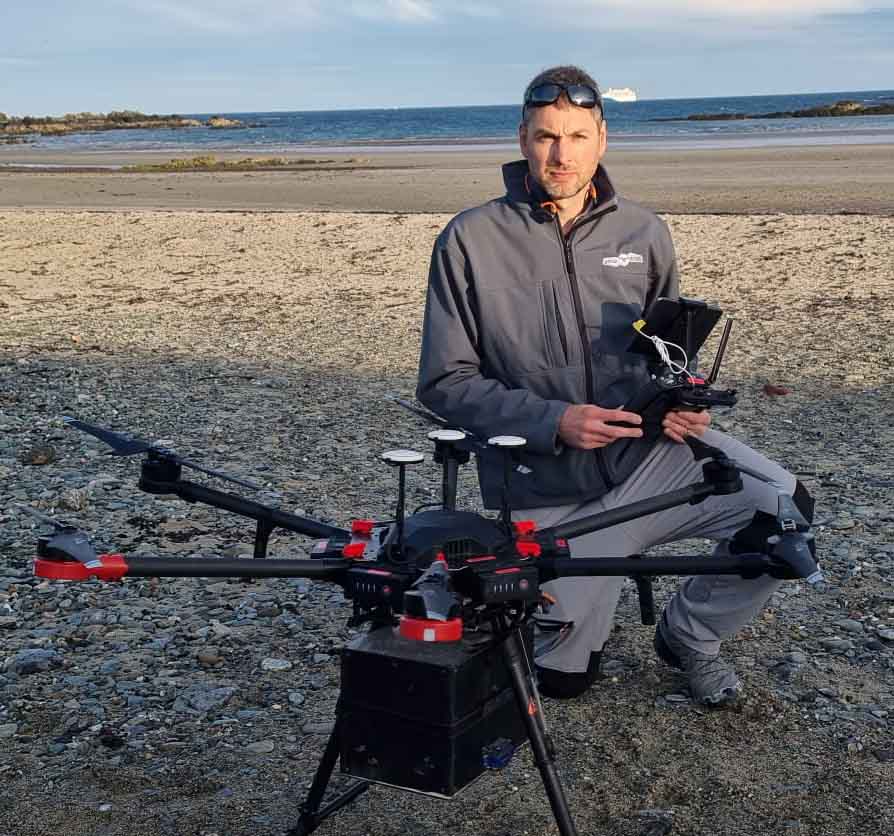
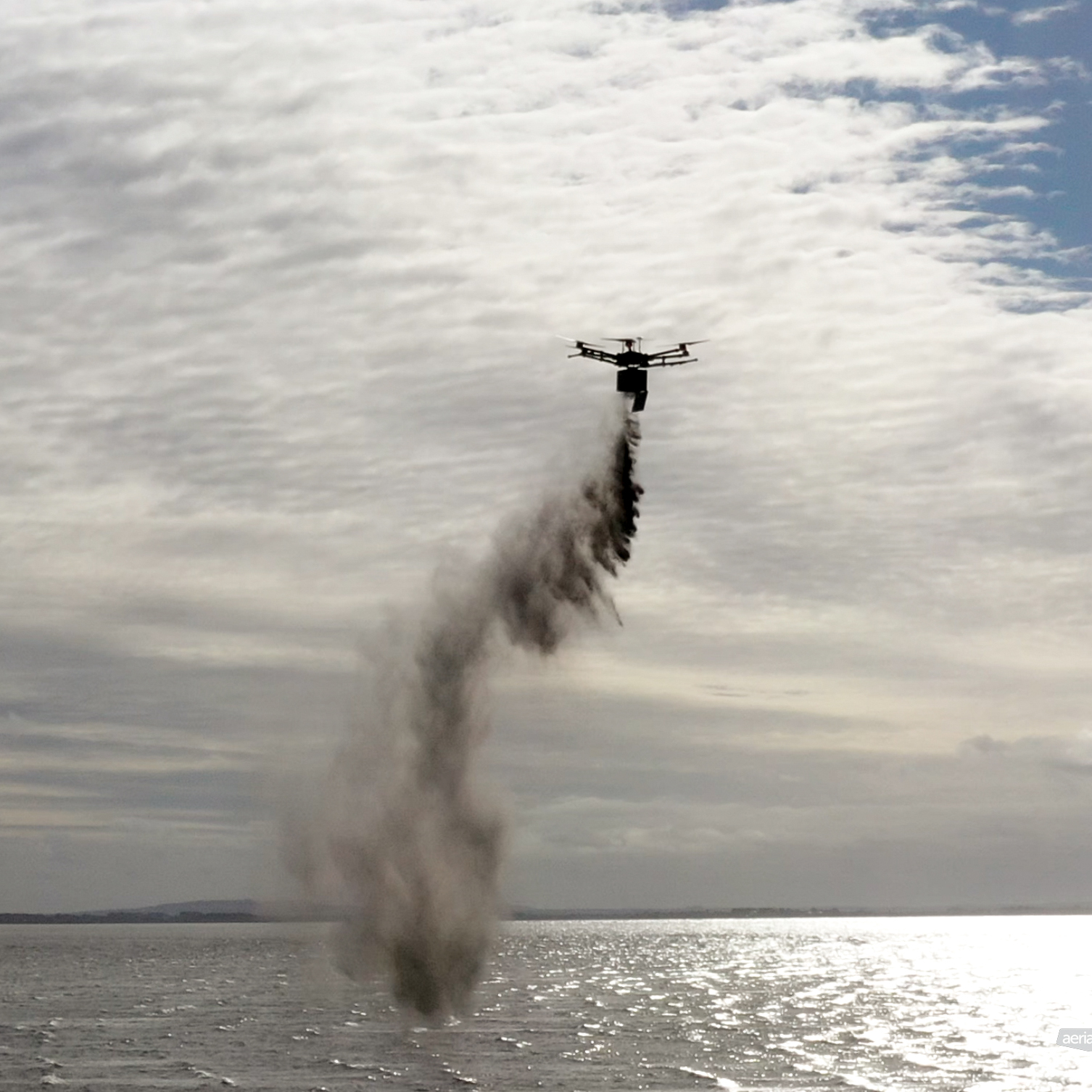
To fix this, you must always check the wind direction immediately before beginning. Stand so the wind is blowing away from you and toward the water. It is also helpful to hold the scatter tube or urn close to the surface of the water or ground. For those who want to avoid this risk entirely, our drone services at Aerial Ashes allow for a precise release at height, where the wind helps disperse the remains into the sea far from the shore, ensuring a clean and serene transition.
2. Failing to Check the Tide Times
Cornwall has some of the most dramatic tidal ranges in the country. A beach that looks perfect at 10:00 AM might be completely underwater by noon. If you are planning a "trenching" ceremony, where ashes are placed in a shallow groove in the sand to be washed away by the sea, timing is everything.
Mistakenly placing ashes too far above the high-tide line means they may sit there for weeks. Conversely, being caught by a fast-incoming tide at a place like Kynance Cove can be dangerous for the group.
How to fix it: Always consult the local tide tables for the specific beach you have chosen. Plan your ceremony for a receding tide if you want more time on the sand, or just before high tide if you want the sea to reclaim the ashes quickly. You can find more detail on choosing the right spot in our Beach Scattering Guide.

3. Overlooking Legal and Environmental Guidelines
While there are no specific laws in the UK that prohibit scattering ashes at sea or on the coast, there are guidelines from the Environment Agency that should be followed. A common mistake is assuming you can scatter anywhere without consideration for the local environment or other beach users.
The main concerns are the impact on local water quality and the presence of non-biodegradable items. For instance, throwing plastic wreaths, photos, or non-dissolvable urns into the sea is considered littering and can harm Cornwall’s delicate marine ecosystems.
To fix this, ensure that everything involved in the ceremony is 100% biodegradable. This includes the urn and any floral tributes. For a full breakdown of what is permitted, please refer to our Legal Guide. Being informed helps you stay respectful of both the law and the landscape.
4. Choosing the Wrong Time of Day
Cornwall’s popularity is a double-edged sword. During the summer months, famous beaches like St Ives or Sennen Cove can be packed with tourists, surfers, and families. Attempting a private, somber ceremony in the middle of a crowded beach at 2:00 PM often leads to a lack of privacy and unwanted distractions.
A study in the Journal of Environmental Psychology (Herzog et al., 1997) indicates that the "restorative" qualities of nature are most effective when the environment is perceived as tranquil and free from urban distractions.
To fix this, aim for "golden hour": either sunrise or sunset. Not only is the beach likely to be empty, but the lighting provides a beautiful backdrop for photos and reflection. If your preferred beach is always busy, this is where a drone memorial can be a perfect alternative, as we can scatter the ashes further out at sea, away from the crowds on the shore.
5. Using the Wrong Type of Container
Many families arrive at the coast with the standard wooden or plastic urn provided by the crematorium. These are designed for storage or burial, not for scattering ashes. Trying to pour ashes directly from a heavy, wide-mouthed container often results in "clumping" or accidental spills.
How to fix it: Use a dedicated scattering tube. These are cardboard cylinders designed to allow for a controlled, graceful release. If you are performing a sea ceremony from a boat, use a water-soluble urn that will float for a few minutes before sinking and dissolving naturally. This provides a much more dignified visual than ashes simply hitting the surface of the water.
6. Not Preparing for the "Cornish Mist"
The weather in Cornwall can change in minutes. You might start your walk down to the beach in sunshine and find yourself in a thick "sea fret" or mist by the time you arrive. High humidity or light drizzle can make the ashes "sticky," which interferes with the scattering process.
To fix this, keep the ashes in a sealed, waterproof bag inside the urn until the very moment of the ceremony. It is also wise to have a backup plan. If the weather makes the beach inaccessible or unpleasant, consider moving the ceremony to a nearby clifftop or rescheduling. At Aerial Ashes, we monitor the Met Office maritime forecasts closely to ensure we only fly when the conditions are respectful and safe.
7. Underestimating the Emotional Impact of the Logistics
Many people choose a DIY approach because it feels more personal. However, managing the wind, the tide, the crowds, and the urn while also trying to process your own grief is a heavy burden. We often hear from families who felt they "rushed" the moment because they were worried about the incoming tide or people watching them.
To fix this, consider the benefits of a professional service. By using a drone for the scattering ashes process, the logistics are handled for you. You and your family can simply stand together on the shore, watch the drone fly out to a meaningful spot, and witness the release from a distance. It turns a potentially stressful logistical task into a peaceful, cinematic moment of tribute.
Making the Right Choice for Your Memorial
The Cornwall coast offers a profound connection to the natural world. Whether it is the turquoise waters of Pedn Vounder or the vast sands of Whitsand Bay, these locations provide a beautiful final resting place. By avoiding these seven common mistakes, you ensure that the day remains focused on the person you are honoring rather than the challenges of the environment.
When planning your ceremony, remember that you have options:
- A beach-based scattering during low tide for a hands-on experience.
- A boat-based scattering for a closer connection to the deep sea.
- An aerial drone scattering for a unique, clean, and highly visual tribute that can reach areas inaccessible by foot or boat.
If you are interested in how technology can enhance this traditional ritual, you can book an ashes scattering service through our website. We cover all of England, Scotland, and Wales, bringing a professional and empathetic touch to every ceremony.

Summary of Best Practices for Cornwall
- Check the wind: Always scatter downwind to avoid blowback.
- Consult tide tables: Ensure your chosen spot won't be underwater.
- Go biodegradable: Protect the Cornish marine life by using natural materials.
- Time it right: Use early mornings to avoid the tourist rush.
- Use a scatter tube: Avoid the "clumping" effect of standard urns.
- Watch the weather: Have a backup plan for the unpredictable coastal mist.
- Focus on the moment: Consider professional help to remove the stress of logistics.
Creating a meaningful memorial is about finding the balance between the practical and the emotional. By taking the time to plan around the unique quirks of the Cornish coast, you can create a farewell that is as beautiful and enduring as the landscape itself.
We're Online! How may I help you today?