 UK
UK
 Hawaii
 USA
USA

7 Mistakes People Make With Ashes Scattering on Cornwall’s Beaches and How to Fix Them
7 Mistakes People Make With Ashes Scattering on Cornwall’s Beaches and How to Fix Them
Cornwall holds a special place in the hearts of many families across the UK. Whether it is the memories of childhood holidays at St Ives, surfing at Newquay, or quiet walks along the coastal paths of the Lizard Peninsula, the connection to the Atlantic coast is often profound. Choosing a final resting place along these shores is a beautiful way to honour a loved one, but the practicalities of a beach memorial can be surprisingly complex.
When families decide on ashes scattering at the seaside, they are often looking for a sense of peace and closure. However, without a bit of planning, what should be a serene moment can become stressful or even distressing. Many people find themselves stuck in a state of "The Ashes on the Shelf," where the urn sits in a hallway or a cupboard for months because the family feels overwhelmed by the logistics of the "perfect" send-off. Moving from that feeling of guilt to the relief of a completed, dignified ceremony is the goal of any memorial service.
1. Ignoring the Atlantic Wind Direction
The most common issue families face is the unpredictable Cornish wind. It is a classic example of "The DIY That Went Wrong." In your mind, you see a gentle release where the ashes drift out to sea. In reality, a sudden gust can blow the ashes back toward the family, onto clothes, or even into the faces of those attending. This can be deeply upsetting during an already emotional time.
To fix this, you must always stand with your back to the wind. Before you begin the scattering ashes process, hold up a small piece of ribbon or even a light blade of grass to see exactly which way the air is moving. Position yourself so the wind is carrying everything away from the group and out over the water.
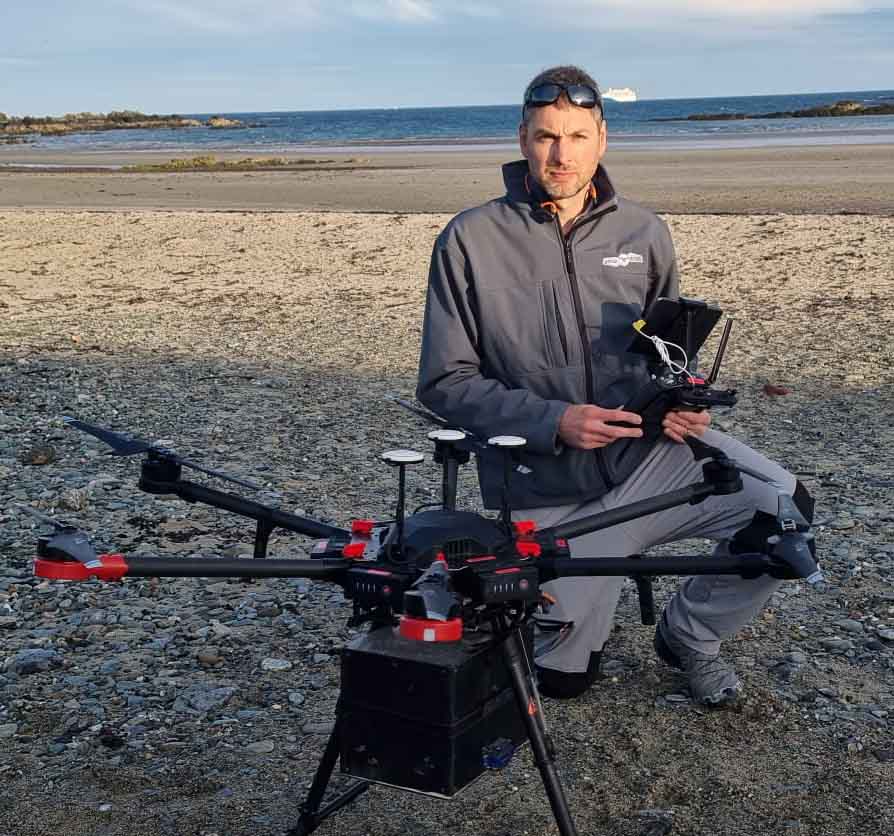
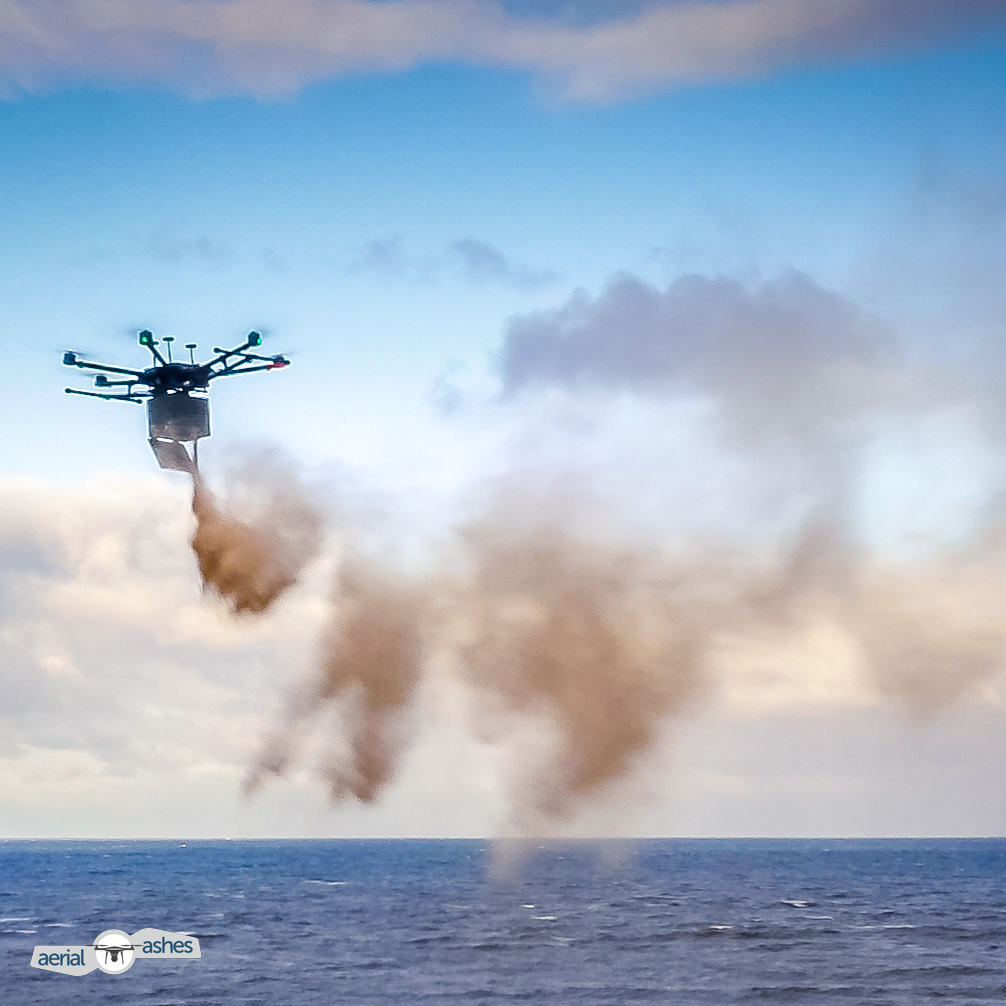
For those who want to avoid the risks of wind altogether, a professional service like Aerial Ashes Matt can be a better option. By using a drone to release the ashes from a significant height, the wind becomes an ally rather than an enemy, ensuring a graceful dispersal far out at sea where the family can watch from the safety and comfort of the shore.
2. Miscalculating the Cornish Tides
Cornwall has some of the most dramatic tidal ranges in the country. A mistake many families make is choosing a beautiful spot at low tide, only to find that the ashes remain on the wet sand rather than reaching the water. Conversely, at high tide, the waves may be too aggressive, making it dangerous to stand near the water's edge.
Research shows that the setting of a memorial significantly impacts the grieving process. According to a study in the Journal of Palliative Medicine (Casarett et al., 2001), the "finality" of the ritual is crucial for psychological closure. If the ashes are left sitting on the sand because the tide was out, that sense of finality can be disrupted.
Check the local tide tables for your specific beach before you set off. Ideally, you want to scatter during an outgoing tide, which helps pull the remains away from the shore. If you are looking for a more detailed look at how to manage this, our Beach Scattering Guide offers practical tips on timing and location.
3. Forgetting About Beach Privacy
Cornwall's beaches are public spaces. While a sunset memorial at Kynance Cove sounds poetic, if it coincides with a busy Saturday in July, you might find yourself surrounded by holidaymakers, ice cream vans, and barking dogs. Privacy is essential for a dignified ceremony.
To fix this, consider the timing and the specific location. Early morning or late evening often provides the solitude you need. Alternatively, look for more secluded coves that require a bit of a hike, though this brings its own challenges with accessibility for elderly family members.
This is where many families find a professional aerial service helpful. A drone can fly the ashes out to a beautiful, inaccessible spot or a specific point at sea while the family remains in a private, quiet area on the cliffs or the beach. It provides a level of intimacy that is hard to achieve on a popular tourist beach.
4. Overlooking Environmental Regulations
It is a common misconception that you can do whatever you like on a beach. In the UK, the Environment Agency provides guidelines to ensure that ashes scattering does not harm the local ecosystem. The ashes themselves are not harmful, but what you scatter with them can be.
The biggest mistake is releasing non-biodegradable items. This includes plastic wreaths, photos, or even certain types of urns that won't break down.
- Use only biodegradable materials.
- Avoid scattering near buildings, piers, or areas where people swim.
- Ensure you aren't leaving any litter behind.
Keeping the ceremony "green" ensures that you are respecting the landscape that your loved one cared for. You can find more about the legalities in our Legal Guide.

5. Using the Wrong Container for the Release
Many families try to scatter directly from the plastic bag provided by the crematorium or a heavy ceramic urn. This often leads to a "clumpy" release or accidental spills. It is another "DIY That Went Wrong" moment that can leave you feeling regretful.
The fix is simple: use a purpose-made scattering tube or a biodegradable water urn. These are designed to allow the ashes to flow freely and evenly. If you are scattering directly into the water, a water urn will float for a few minutes, giving you a beautiful moment of reflection before it slowly sinks and dissolves.
At Aerial Ashes Matt, we use a specialised release mechanism on our drones. This ensures the dispersal is fine and even, creating a "cloud" effect that is much more aesthetically pleasing and symbolic of a spirit being set free. You can see how this works on our main website.
6. Failing to Account for Coastal Weather Shifts
The weather in Cornwall can change in minutes. A sunny morning at Land’s End can turn into a misty, rainy afternoon before you've even reached the beach. Rain can make the ashes "sticky," which makes the scattering process difficult and messy.
Always have a backup plan. If the weather turns, it might be better to postpone or move the ceremony to a more sheltered cliff-top location.
According to research published in the Journal of Environmental Psychology (Korpela et al., 2010), natural settings help in emotional regulation during times of stress. However, if the natural setting becomes a source of physical discomfort due to lashing rain or freezing wind, that therapeutic benefit is lost. Be flexible with your dates to ensure the experience is peaceful.
7. Underestimating the Physicality of the Beach
Cornish beaches often involve steep steps, uneven rocks, or long walks across soft sand. If you have elderly relatives or young children attending, getting everyone to the "perfect" spot can be a struggle. We often see families who feel pressured to reach a certain rock or tide line, leading to safety risks.
Choose a location that is accessible for everyone who needs to be there. Dignity shouldn't be sacrificed for a "better" view.
If the perfect spot is simply too hard to reach on foot, this is where the modern approach excels. You can stay in an accessible area with a beautiful view of the coast, and we can fly the ashes to that specific, hard-to-reach cove or out past the breakers. It allows everyone to participate without the physical strain.
Making the Decision for a Professional Farewell
While a DIY scattering is a traditional choice, the many variables of the Cornish coast often make it more stressful than families anticipate. The transition from the "Ashes on the Shelf" to a successful memorial should be one of relief and pride.
By choosing a professional drone memorial service, you bypass many of the common mistakes. You don't have to worry about the wind blowing back, the tide being too far out, or the beach being too crowded. It provides a unique, high-level perspective that honours the scale and beauty of the Cornwall landscape.
Studies indicate that the "place-attachment" we feel toward certain landscapes can aid in the long-term grieving process. By ensuring the ceremony goes smoothly, you create a positive lasting memory associated with that location, rather than one of logistical frustration.
Whether you choose a DIY approach or a professional service, the most important thing is that the day feels right for you and your family. Cornwall's beaches offer a timeless, beautiful backdrop for saying goodbye. With a little preparation and an awareness of these common pitfalls, you can ensure that the farewell is as serene and meaningful as the person you are remembering.
If you are ready to move forward and want to explore how a drone scattering might work for your family, we are here to help.
We're Online! How may I help you today?
References
- Casarett, D., et al. (2001). "The Role of Ritual in Post-Death Care." Journal of Palliative Medicine.
- Korpela, K., et al. (2010). "Favorite places as a strategy for self-regulation and emotional relief." Journal of Environmental Psychology.
- Environment Agency (2023). "Guidance on Scattering Ashes over Water and Land in the UK."