 UK
UK
 Hawaii
 USA
USA

5 Steps How to Plan a Scattering Ashes Ceremony in Wales (Easy Guide for a Serene Farewell)

5 Steps How to Plan a Scattering Ashes Ceremony in Wales (Easy Guide for a Serene Farewell)
Finding a final resting place for a loved one is one of the most profound decisions a person can make. It is a moment where grief meets legacy. In Wales, the rugged coastline offers a backdrop of untamed beauty and ancient permanence. From the hidden sands of Barafundle Bay to the iconic vistas of Tenby North, the Welsh shore provides a sanctuary for those seeking a peaceful goodbye.
Planning a ceremony can feel overwhelming when you are navigating loss. Many families find comfort in the idea of returning a loved one to the elements. The sound of the waves and the expansive horizon of the Irish Sea offer a sense of continuity. Research published in the Journal of Palliative Medicine (Casarett et al., 2001) suggests that personalized rituals are crucial for healthy bereavement. These acts of remembrance allow families to transition from acute pain to a state of cherished memory.
This guide simplifies the process into five manageable steps. Whether you are honoring a lifelong traveler or a lover of the sea, Wales offers the space you need.
Step 1: Select a Meaningful Coastal Location
The first step is to choose a location that resonates with your loved one’s spirit. Wales is home to some of the most spectacular beaches in the UK.
Barafundle Bay in Pembrokeshire is often cited as one of the best beaches in the world. It is secluded and requires a walk across the cliffs. This journey creates a natural transition into a sacred space. If you prefer accessibility and a sense of community, Tenby North offers a stunning backdrop with its colorful houses and Goscar Rock.
For those who loved wide, open spaces, Rhossili Bay on the Gower Peninsula provides miles of golden sand and the dramatic Worm's Head. Consider the "blue spaces" theory. A study in the Journal of Environmental Psychology (White et al., 2010) indicates that proximity to water significantly reduces physiological stress. Choosing a Welsh beach ensures the environment itself helps carry the emotional weight of the day.
Step 2: Understand the Logistics and Permissions
Once you have a location in mind, you must address the practicalities. In Wales, the legal landscape for ashes scattering is generally accommodating. Most beaches are managed by the local council, the National Trust, or the Crown Estate.
For a simple family gathering on the sand, formal permission is rarely required if you are discreet. However, if you plan a larger event or want to use specific technology, it is essential to check local guidelines. The National Trust manages Barafundle Bay. They generally permit quiet, respectful scatterings but discourage the leaving of markers or non-biodegradable tributes.
If you feel unsure about navigating these permissions, a professional service can help. We handle all logistics and ensure that your ceremony complies with local regulations. This removes the administrative burden from your shoulders during a difficult time.

Step 3: Personalize the Ceremony Flow
A ceremony is more than just the act of scattering. It is a narrative of a life lived. Start with a broader context. Invite those present to share a specific memory or a favorite quality of the person you are honoring.
Many families face the "Ashes on the Shelf" dilemma. It is common to keep an urn at home for months or even years because the decision of where to go feels too heavy. You might feel a sense of guilt or a fear of letting go. Recognize that moving the ashes from the shelf to the sea is an act of liberation. It is a transition from holding onto the physical remains to embracing an eternal presence in nature.
Consider these elements for your ceremony:
- Music: A portable speaker can play a song that defined a decade of their life.
- Readings: Select a poem or a passage from a book they loved.
- Readings: Use the natural rhythm of the tide to guide your timing.
- Participation: Allow everyone to have a role, whether it is holding a photo or saying a final word.
Step 4: Choose the Method of Scattering
How the ashes are released matters. Many people attempt a "DIY" scattering, only to find that the wind is unpredictable. This often leads to "The DIY That Went Wrong" moment, where ashes blow back onto the family or remain clumped on the sand. This can be distressing and detract from the dignity of the moment.
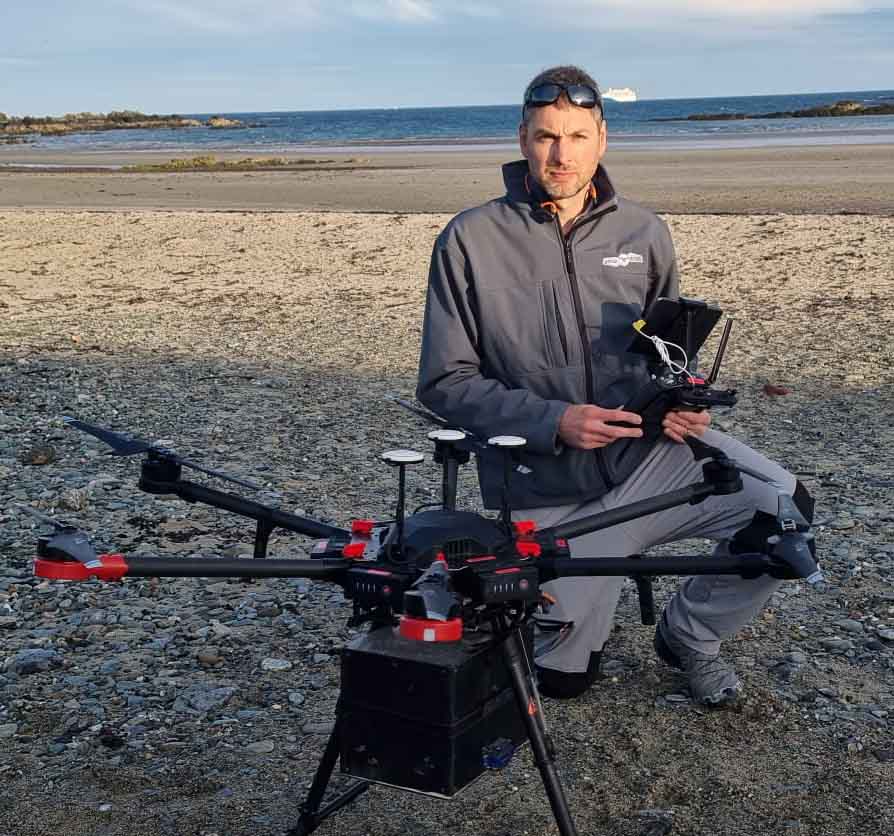
Drone ash scattering offers a modern and serene solution. A drone can carry the ashes out over the surf, away from the shore, and release them in a graceful, controlled plume. This allows the family to stand together on the beach, looking up and out, rather than struggling with an urn in the wind.
Our specialized drones are operated by licensed professionals. This ensures safety and precision. Witnessing the ashes disperse into the sea air from a distance creates a beautiful visual metaphor for the soul taking flight. Learn more about our cremated ashes scattering services to see how this technology enhances the memorial experience.
Step 5: Facilitate Lasting Closure
The final step is to find a way to carry the peace of the ceremony back into your daily life. The goal of a successful scattering is to reach a point of resolution.
Research by grief expert J.W. Worden (2008) identifies "adjusting to a world without the deceased" as a primary task of mourning. By choosing a location like the Welsh coast, you create a "non-fixed" memorial. You do not need to visit a specific grave to feel close to them. Every time you see the sea or hear the waves, you can reconnect with that sense of peace.
To further preserve the memory, consider our optional memorialisation services. We can provide filming of the ceremony edited into a respectful video. This allows family members who couldn't travel to Wales to witness the farewell. It serves as a digital touchstone for future generations.
Final Practical Checklist for Wales
Before you head to the coast, run through this quick list:
- Check the Tides: Aim for a receding tide so the water carries the ashes away naturally.
- Dress for the Weather: The Welsh coast is beautiful but can be windy and cool, even in summer.
- Biodegradable Urns: If you are scattering directly onto the water, use a biodegradable water urn to protect the marine environment.
- Communicate: Ensure everyone in the party knows the exact meeting point, especially for secluded spots like Barafundle.
Planning a farewell is a final act of love. By choosing the tranquility of a drone release over the rugged beauty of Wales, you ensure the moment is as dignified as the life you are celebrating. You move from the weight of responsibility to the lightness of peace.

References
- Casarett, D., Kutney, L., & Abramson, J. (2001). Life after death: A practical guide to the rituals of bereavement. Journal of Palliative Medicine.
- White, M., Smith, A., Humphryes, K., Pahl, S., Snelling, D., & Depledge, M. (2010). Blue space: The importance of water for preference, affect, and restorativeness ratings of natural and built scenes. Journal of Environmental Psychology.
- Worden, J. W. (2008). Grief Counseling and Grief Therapy: A Handbook for the Mental Health Practitioner. Springer Publishing Company.
We're Online! How may I help you today?
Connect with us: