 UK
UK
 Hawaii
 USA
USA

7 Mistakes to Avoid When Scattering Ashes at Crantock Beach (and How to Fix Them)
7 Mistakes to Avoid When Scattering Ashes at Crantock Beach (and How to Fix Them)
Losing a loved one often leads to a search for a place that matches the depth of your connection. Many families find that peace at Crantock Beach in Cornwall. With its sweeping dunes and the gentle curve of the Gannel Estuary, it feels like a place where time stands still. Returning a loved one to such a landscape is a profound act of love.
However, the reality of a coastal farewell can be more complex than the vision in your mind. The Atlantic coast is unpredictable. A moment meant for reflection can quickly turn into a source of stress or regret if the practicalities are overlooked. Planning a ceremony at this specific location requires an understanding of the local environment and the legal framework that protects it.
Choosing to scatter ashes is a final, irreversible decision. It is essential to ensure the moment is as dignified and serene as the person you are honoring. By avoiding common pitfalls, you can focus on the emotional significance of the day rather than the logistics.
1. Underestimating the Atlantic Wind
The most frequent complication at Crantock involves the wind. Cornwall is famous for its bracing sea breezes, but these same breezes can make a traditional hand-scattering difficult. Many families encounter "The DIY That Went Wrong" when they open an urn only to have the wind catch the ashes. This often results in ashes blowing back onto family members or staying on the sand rather than reaching the water.
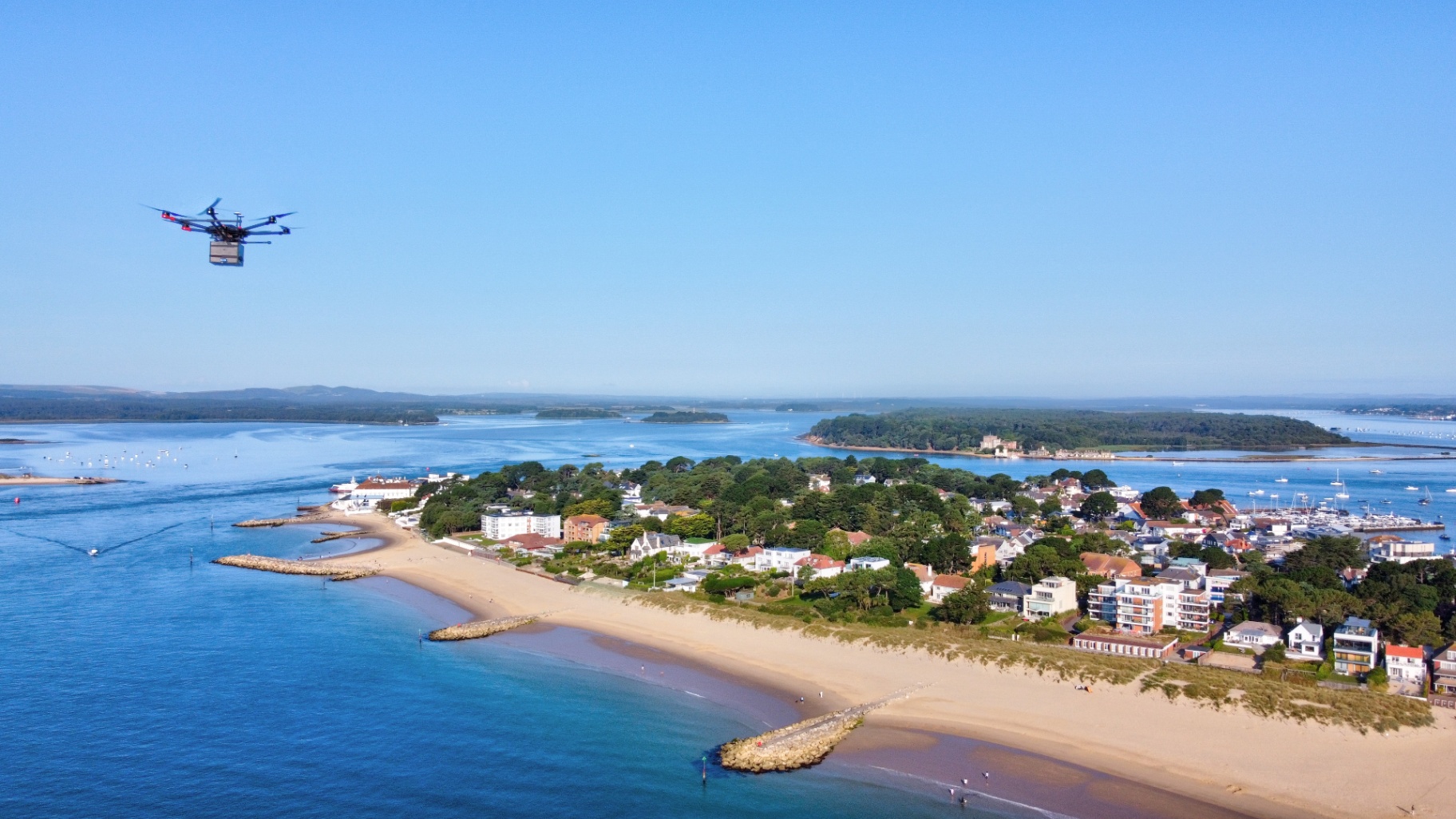
This experience can cause immediate distress and lasting regret. To fix this, always check the wind direction before you begin. Stand with the wind at your back so that the ashes are carried away from you. A better solution is to use a professional service. We use precision drone technology to release ashes several hundred meters offshore. This ensures the ashes reach the sea gracefully, far from the shore, regardless of the breeze at the water's edge.
Learn more about managing these conditions in our Beach Scattering Guide.
2. Ignoring the Tide Cycles of the Gannel Estuary
Crantock Beach changes dramatically within just a few hours. At high tide, the vast golden sands virtually disappear, and the Gannel Estuary fills with deep water. If you plan a ceremony on the sand without checking the tide tables, you may find your chosen spot underwater or cut off by the rising tide.
Scattering ashes above the high-tide line is another common error. If the ashes remain on the dry sand, they may be disturbed by dogs or other beachgoers before the tide eventually reaches them. To avoid this, time your ceremony for a receding tide. This ensures the water will soon cover the area and carry the ashes out to sea. Our team monitors local tide data for every ceremony to ensure the timing is perfect for a dignified release.
3. Neglecting Proper Permissions
While the sea itself does not usually require a license for scattering, the land around Crantock Beach is managed by the National Trust. Many people assume that because a beach is a public space, they can perform a ceremony anywhere. However, scattering ashes on the dunes or the grassy headlands without permission can lead to uncomfortable interactions with wardens or other visitors.
The National Trust generally asks families to seek permission to ensure that the environment is protected. This is particularly important in sensitive areas like the dunes, which are home to rare flora and fauna. We handle all logistics, including obtaining the necessary permissions from landowners and local authorities. This removes the administrative burden from you during a difficult time.
For more details on the legalities of different locations, consult our Legal Guide.

4. Choosing the Wrong Time for Privacy
Crantock is a popular destination for families, surfers, and dog walkers. Attempting a private memorial in the middle of a sunny Saturday afternoon in August often leads to a lack of privacy. It is difficult to find a quiet moment of reflection when surrounded by beach games and noise.
To find the serenity you seek, consider an early morning ceremony. The light over the Atlantic at 8:00 a.m. is often spectacular, and the beach is usually at its quietest. Sunrise or sunset ceremonies provide a natural, atmospheric backdrop that enhances the sense of peace. If privacy is your main priority, a drone scattering allows the release to happen far out over the water, away from the crowds on the sand, while you watch from a quiet spot on the shore.
5. Using Non-Biodegradable Tributes
It is a natural impulse to want to leave something beautiful behind, such as a floral wreath or a small memorial item. However, the Environment Agency is clear that only 100% biodegradable materials should be used. Plastic ribbons, wire frames in wreaths, or non-soluble urns can harm the local marine life and litter the pristine Cornish coastline.
Ensure that any flowers used are loose petals or tied with natural twine. If you are using an urn for a water release, it must be specifically designed to dissolve. Our services are built on environmental consciousness. The drone release system ensures that only the ashes themselves (and perhaps a few biodegradable petals) enter the ecosystem, leaving no trace behind other than the memory of the moment.
6. Letting "The Ashes on the Shelf" Create Guilt
Many people keep the ashes of a loved one at home for months or even years. This is often described as "The Ashes on the Shelf" syndrome. While it can be a comfort initially, it often turns into a source of low-level guilt or the feeling of an unfinished task. You might worry that you haven't yet found the "perfect" moment or that the logistics are too daunting to face alone.
Research indicates that completing a final ritual is a crucial step in the grieving process. A study published in the Journal of Palliative Medicine (2021) suggests that commemorative rituals provide a sense of closure and help individuals transition through the stages of grief. Moving from the guilt of delay to the relief of a completed, beautiful farewell is a profound emotional shift. We help you move forward by managing the details so you can finally provide that peaceful resting place at Crantock.
7. Failing to Capture the Moment
In the heightened emotion of a farewell, many people forget to take photos or videos, only to regret it later. Conversely, some try to film the ceremony themselves on a phone, which can detract from their own experience of the moment. You should be present in the goodbye, not looking through a screen.
Capturing the ceremony allows other family members who couldn't attend to feel part of the farewell. It also provides a lasting record of the beautiful tribute you arranged. We offer professional filming and live-streaming services. Our drones capture high-definition footage of the ashes dispersing over the turquoise waters of the Cornish coast, edited into a meaningful video set to music. This allows you to focus entirely on your emotions while we preserve the memory for you.
Why a Professional Service Changes the Experience
Choosing a managed ceremony is not just about the technology. It is about the transition from a stressful DIY task to a supported, serene experience. When you scatter ashes by hand, you are responsible for the wind, the tide, the crowds, and the urn. This weight can make it hard to focus on the person you are lost.
Our multi-award-winning service removes those worries. We act as knowledgeable guides, ensuring every detail is handled with professionalism and respect. By using a drone, we can reach the most beautiful spots offshore that are inaccessible by foot. This creates a graceful, airborne release that feels like a final flight, a symbolic and peaceful way to say goodbye.
Research shows that the environment plays a major role in how we process loss. According to a study in the Journal of Environmental Psychology (2019), natural, restorative environments like the coast can significantly reduce stress and improve emotional well-being during bereavement. By ensuring the ceremony goes perfectly at Crantock, we help you tap into that natural healing power.
Finding Peace at the Water's Edge
Crantock Beach remains one of the most beautiful places in the UK to honor a loved one. Its natural beauty provides a sense of continuity and peace that is hard to find elsewhere. By avoiding the common mistakes of wind, tides, and permissions, you ensure that your final act of love is remembered for its beauty rather than its complications.
Whether you are scattering the ashes of a partner, a parent, or a cherished pet, the goal is the same: a dignified, serene, and meaningful farewell. We are here to ensure that happens. From handling the National Trust permissions to providing a stunning video of the release, we take care of everything so you can simply be there, in the moment, saying your goodbye.
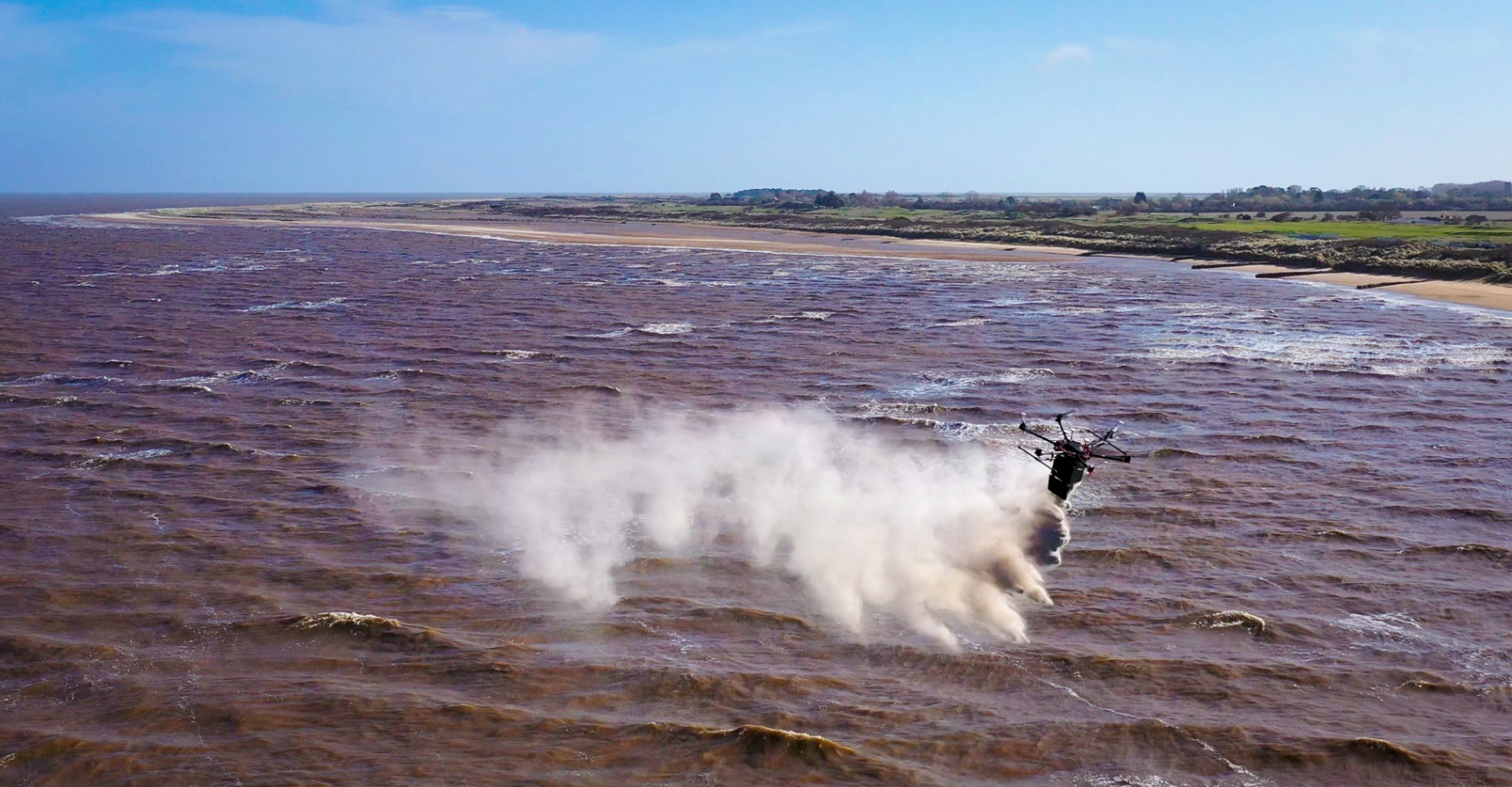
Our "Together Forever" service is also available for couples who wished to have their ashes scattered at the same time, ensuring they remain together in a place they loved. Whatever your specific needs, a professional approach ensures that your loved one's final journey is as special as the life they lived.
We're Online! How may I help you today?
References
- Journal of Palliative Medicine (2021). The Role of Rituals in Grief and Bereavement.
- Journal of Environmental Psychology (2019). Restorative Environments and Emotional Regulation.
- Environment Agency (2023). Guidance on Scattering Ashes in Rivers and Coastal Waters.
- National Trust (2024). Guidelines for Scattering Ashes on Managed Land.