 UK
UK
 Hawaii
 USA
USA

Scattering Ashes at Coverack: A Traditional Fishing Village Cornwall Memorial Guide
Scattering Ashes at Coverack: A Traditional Fishing Village Cornwall Memorial Guide
Deciding on a final resting place is one of the most profound choices a person can make for a loved one. It is a decision that balances the weight of memory with the need for a peaceful, permanent setting. For many, the rugged beauty of the Cornish coastline offers a sense of eternal return, where the rhythm of the tide provides a constant, soothing presence.
Choosing a location like Coverack on the Lizard Peninsula means selecting a place where time seems to move differently. This traditional fishing village remains largely untouched by the heavy commercialisation seen elsewhere. It offers a backdrop of granite harbour walls, whitewashed cottages, and a unique pebble beach that hums with the sound of the retreating tide.
The Enduring Appeal of the Traditional Fishing Village
Coverack is defined by its history as a working harbour. Unlike some coastal destinations that serve primarily as tourist hubs, Coverack maintains its identity as a traditional fishing village. The 18th-century stone harbour still protects small boats, echoing centuries of maritime heritage. This sense of continuity and resilience often resonates with families seeking a meaningful location for a memorial.
The village sits on the eastern side of the Lizard Peninsula, facing the English Channel. It provides a sheltered bay that feels both intimate and expansive. Research published in the Journal of Palliative Medicine (Casarett et al., 2001) suggests that the environment chosen for a memorial ritual significantly impacts the long-term grieving process. A location that evokes feelings of "timelessness" and "endurance" can help bridge the gap between the pain of loss and the comfort of legacy.
Finding Peace on the Coverack Pebble Beach
The shoreline at Coverack is distinct for its pebble beach. While many seek out sandy dunes, the tactile nature of a shingle and pebble beach offers a different kind of sensory experience. The sound of the sea drawing back over the stones creates a rhythmic, natural music that many find deeply meditative.
When you stand on these pebbles, you are standing on the edge of the Atlantic. It is a place where the elements meet in a gentle but powerful way. This environment is ideal for those who want a ceremony that feels grounded in the earth yet open to the horizon. For families exploring the wider options in the region, our Cornwall Hub provides further insights into why this coastline remains a premier choice for memorial services.

The Psychology of the Ritual: Moving Beyond the Shelf
Many families find themselves in a state of "memorial paralysis." They keep the ashes on the shelf, sometimes for years, because the weight of the decision feels too heavy. There is often a fear of "getting it wrong" or a sense of guilt that by scattering the ashes, they are somehow letting go of the person.
However, a study in the Journal of Experimental Psychology (Norton & Ariely, 2014) highlights that rituals are essential for regaining a sense of control after a loss. Even when the ritual is not religious, the act of performing a structured, intentional goodbye helps to mitigate the negative impact of grief. Moving the ashes from the shelf to a serene location like Coverack transforms a stagnant symbol of loss into a dynamic act of honour.
Navigating the Practicalities of Scattering Ashes at Coverack
While the emotional decision is paramount, the practical logistics of scattering ashes at Coverack must be handled with care. As a small, working village, it is important to respect the local community and the environment.
- Observe Tide Times: The best practice is to scatter ashes below the high-tide line. This ensures that the incoming sea will naturally and gently carry the ashes away, rather than leaving them on the dry pebbles.
- Respect the Harbour: Avoid areas where fishing boats are actively worked on or where the harbour master is directing traffic. The stone pier is iconic, but the water just beyond the harbour wall is often a more private and respectful choice.
- Environmental Consideration: Use only biodegradable materials. If you are releasing flowers alongside the ashes, ensure they are local and free from plastic ribbons or wires.
- Choose Quiet Moments: Early morning or late evening provides the privacy needed for a dignified ceremony, away from the peak hours of beach-goers and water sports enthusiasts.
Families often find that managing these details while also dealing with grief is overwhelming. This is where professional assistance becomes invaluable. You can learn more about the necessary ashes scattering ceremony logistics to ensure everything is handled legally and respectfully.
Transitioning from DIY Regret to Professional Serenity
The "DIY that went wrong" is a common story in the memorial industry. Families may attempt to scatter ashes by hand on a windy Cornish cliff, only to have the experience marred by unpredictable gusts or difficult terrain. What was meant to be a moment of grace can quickly turn into a source of regret and distress.
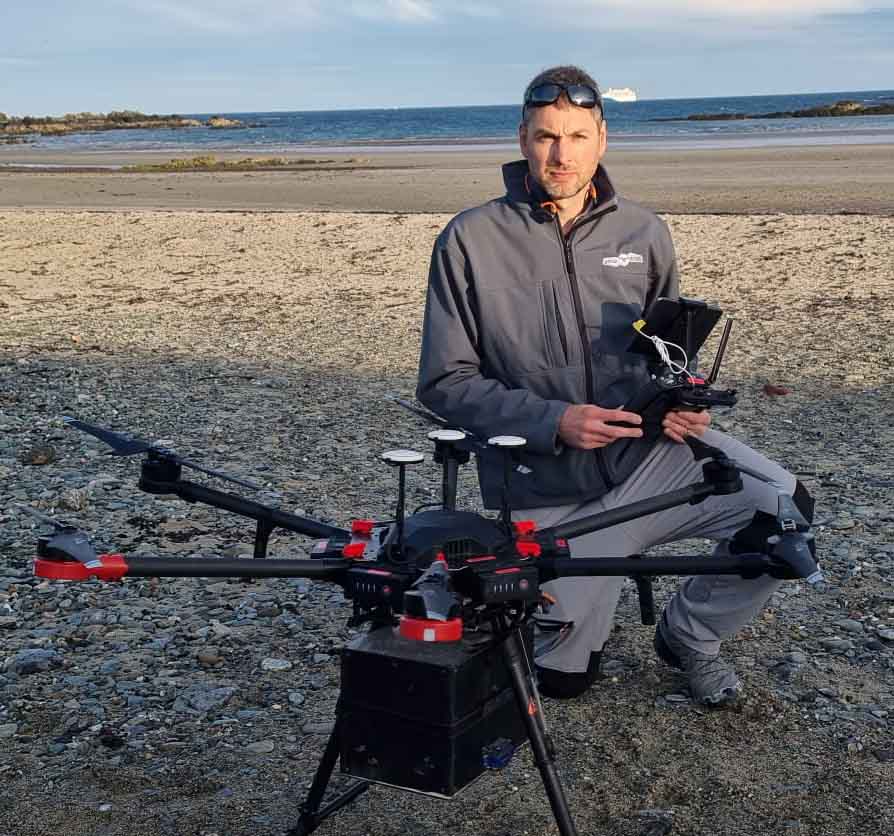
Drone technology offers a solution to these physical and emotional hurdles. By using a specialised drone, the ashes are released from a height, allowing them to disperse into the wind and sea in a graceful, visible cloud. This avoids the physical struggle of reaching inaccessible areas and ensures the family can focus entirely on the emotional significance of the moment.
For those who have considered other locations like Padstow or Kynance Cove, the Padstow Guide offers a comparison of how different Cornish landscapes provide unique memorial atmospheres.
A Dignified Farewell Above the English Channel
Aerial scattering provides a unique perspective. It allows the family to look up rather than down. This shift in posture: from heads bowed in grief to looking toward the sky: can be a powerful metaphor for the beginning of a new stage in the grieving journey.
In Coverack, a drone can carry the ashes out over the turquoise waters of the bay, away from the crowds and the noise. The release is silent and dignified. It creates a memory of beauty and peace that replaces the heavy burden of the "ashes on the shelf."
- Accessibility: Drones can reach the perfect spot over the water even if the family has limited mobility.
- Visual Closure: Watching the ashes disperse over a wide area of the sea provides a clear, visual sense of release.
- Personalisation: The flight path can be tailored to fly over specific landmarks or areas of the bay that held meaning for the deceased.
Creating a Lasting Legacy in Cornwall
Choosing Coverack for a memorial is about more than just a single day. It is about creating a place that you can return to, knowing that your loved one is now part of the landscape they loved. Whether you are walking the coastal path or sitting by the harbour, the connection to the location remains.
By opting for a professional drone service, you ensure that the final act of farewell is as dignified and serene as the life it honours. We handle the permissions, the technical logistics, and the timing, leaving you free to be present with your family.

Planning Your Memorial at Coverack
If you feel that the traditional charm of a Cornish fishing village is the right setting for your loved one, consider the benefits of an aerial ceremony. It removes the stress of DIY mistakes and provides a level of professionalism that honours the gravity of the occasion.
- Explore our full range of services for more information.
- View our Cornwall-specific guides to avoid common pitfalls.
- Contact us to discuss a bespoke ceremony tailored to your family's needs.
We're Online! How may I help you today?