 UK
UK
 Hawaii
 USA
USA

Looking for a Remote Memorial? Here Are 10 Things You Should Know About Scattering Ashes at Bossiney Cove

Looking for a Remote Memorial? Here Are 10 Things You Should Know About Scattering Ashes at Bossiney Cove
Choosing a final resting place is one of the most significant decisions a family can make. It is a choice that balances personal history, natural beauty, and the need for a peaceful space to reflect. For many, the rugged coastline of North Cornwall offers a sense of eternal rhythm and profound stillness. Bossiney Cove, located just a mile east of the historic village of Tintagel, is often cited as one of the most secluded and visually stunning locations in the United Kingdom.
The process of saying goodbye is deeply personal. Research published in the Journal of Palliative Medicine indicates that the performance of a meaningful ritual can significantly aid the grieving process, providing a structured way to process loss (Casarett et al., 2001). However, selecting a location like Bossiney Cove requires careful consideration of practicalities that are often overlooked in the height of emotion.
1. Physical Access is Currently Restricted
The first thing any family must know is that the traditional path to Bossiney Cove is currently restricted. Due to the unstable nature of the North Cornwall cliffs, the steep, rock-cut steps leading down to the sand have been deemed unsafe for public use. While this may feel like a barrier to a planned memorial, it is a crucial safety consideration. Attempting to navigate closed paths with a heavy urn or a group of mourners is dangerous.
2. Drone Technology Solves Accessibility Issues
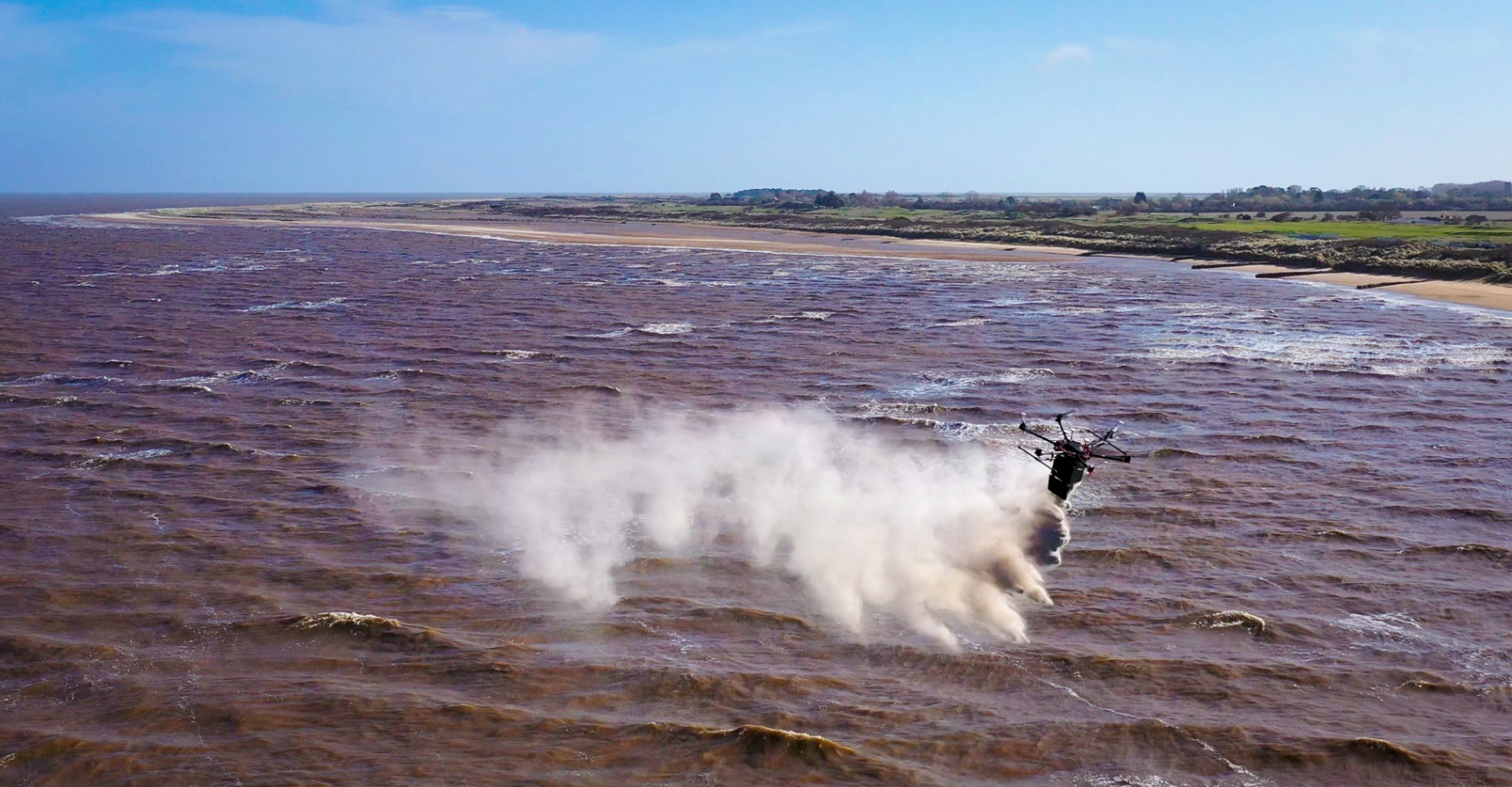
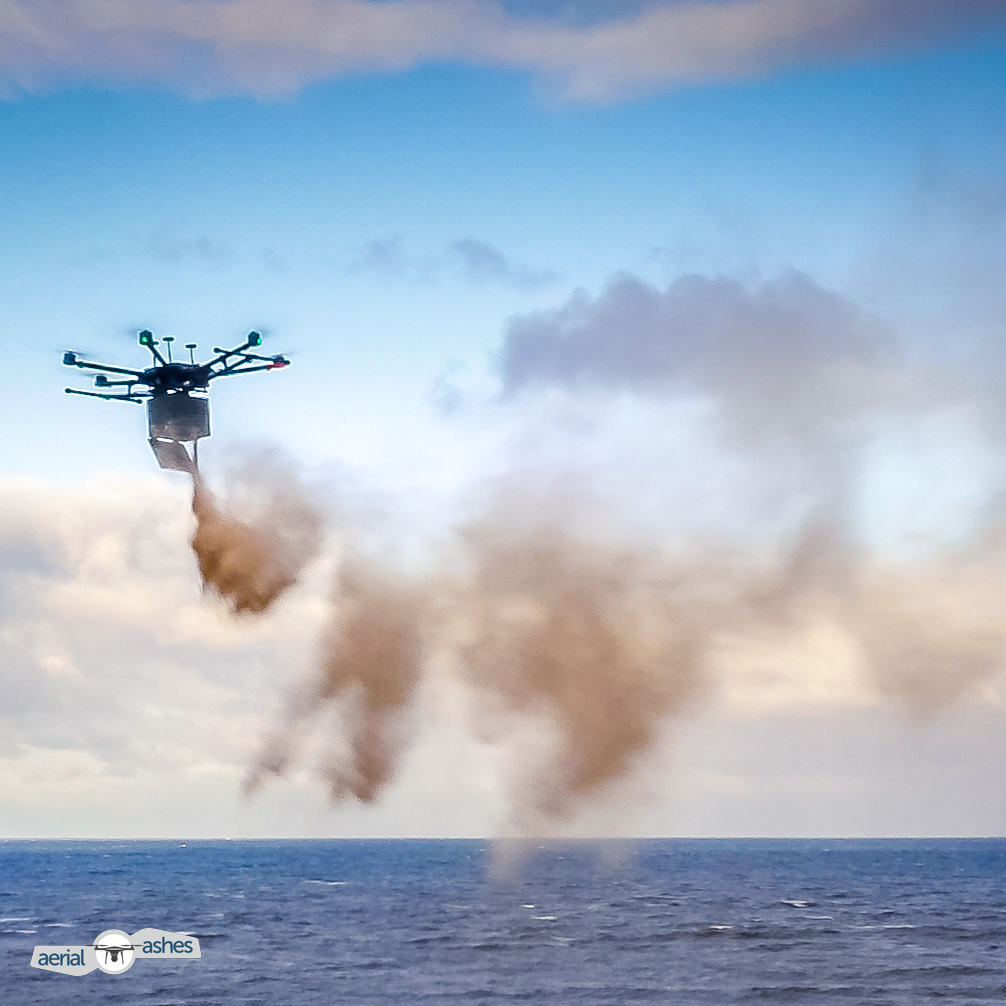
If your loved one held a deep connection to this specific cove, the current closure does not have to be an end to your plans. Drone ash scattering allows for a dignified ceremony without the need for anyone to descend the hazardous cliffs. A professional drone can carry the ashes from a safe, accessible launch point on the clifftop out over the water or the beach itself. This ensures that even those with limited mobility can participate in the ceremony from a stable vantage point.

3. The "Ashes on the Shelf" Phenomenon
Many families find themselves keeping an urn on a mantelpiece or shelf for months or even years. This often stems from a fear of "getting it wrong" or waiting for a moment that feels sufficiently grand. This delay can lead to a lingering sense of unfinished business. Moving from the "ashes on the shelf" to a definitive, professional release at a place like Bossiney Cove provides a transition from a state of waiting to a state of peace.
4. Bossiney is a "Disappearing" Beach
Timing is everything at Bossiney Haven. It is a fully tidal beach, meaning that at high tide, the golden sands are completely submerged by the Atlantic. A memorial planned for the wrong hour could result in the "DIY that went wrong," where families arrive to find no beach at all. When planning a ceremony, it is essential to consult local tide tables for Boscastle or Port Isaac. A professional service handles these calculations to ensure the release happens exactly when the scenery is at its most majestic.
5. The Significance of Elephant Rock
Bossiney Cove is home to a unique geological formation known as Elephant Rock. This natural arch resembles an elephant wading into the sea. For many families, this landmark provides a specific visual anchor for their memories. In psychological terms, connecting a memory to a permanent natural landmark can assist in the "meaning-making" process of grief, as explored in the Journal of Experimental Psychology (Neimeyer, 2006).
6. Managing the North Cornwall Winds
The Atlantic coast is famous for its powerful and unpredictable winds. For those attempting a manual scattering, the wind can turn a dignified moment into a distressing one. We have all heard stories of ashes being blown back onto the mourners or landing in places unintended. Drone ash scattering eliminates this risk. The drone is piloted by a professional licensed by the Civil Aviation Authority who understands how to use the wind to ensure a graceful, downward dispersal away from the family.
7. Environmental Responsibility and SSSI Status
Bossiney Cove sits within a Site of Special Scientific Interest (SSSI). This means the area is protected for its rare flora and fauna. It is imperative that any memorial leaves no trace. Traditional memorials involving plastic wreaths or non-biodegradable urns are not permitted. A drone release is the most environmentally conscious method, as it involves only the natural ashes being returned to the elements without any physical impact on the protected cliffside vegetation.
8. The Importance of Legal Permissions
While the sea itself is often open for scattering, the land surrounding Bossiney Cove is a mix of private holdings and managed coastal paths. Navigating the requirements for landowner permission can be an added stress during a time of mourning. Using a professional service like Aerial Ashes Matt ensures that all logistics, including necessary permissions and safety risk assessments, are handled on your behalf. You can focus on the emotional significance of the day while we manage the bureaucracy.
9. Capturing the Moment for Distant Relatives
Not every family member can make the journey to a remote corner of North Cornwall. Whether due to age, health, or distance, some will inevitably be absent. To bridge this gap, consider the option of live streaming or professional filming of the ceremony. This allows those far away to witness the moment the ashes are released over the Cornish waves, ensuring that no one is excluded from the final farewell.
10. Finding True Closure in Nature
There is a profound sense of relief that comes when a ceremony is completed with dignity. Studies indicate that spending time in natural blue spaces, such as coastal environments, can lower cortisol levels and improve mental well-being (White et al., 2013). By choosing a location as serene as Bossiney Cove, you are not just choosing a resting place for your loved one: you are choosing a place of healing for yourself.
Planning Your Memorial
If you are considering a memorial in Cornwall, it is helpful to compare different locations. You might explore how to choose the best Cornish beach or look at our guide to the top 10 scenic spots in the UK. Each location offers a different atmosphere, from the rugged cliffs of Bossiney to the expansive sands of Constantine Bay.
Bossiney Cove remains one of the most beautiful hidden gems of the UK. While its physical access may be challenging, the combination of professional expertise and drone technology makes it a reachable reality for any family seeking a truly majestic farewell.
References
- Casarett, D., Kutner, J. S., & Abramson, J. (2001). Life after death: A practical guide to the grief process. Journal of Palliative Medicine.
- Neimeyer, R. A. (2006). Re-storying loss: Fostering narrative reconstruction in bereavement. Journal of Experimental Psychology.
- White, M. P., Alcock, I., Wheeler, B. W., & Depledge, M. H. (2013). Coastal proximity, health and well-being: Results from a longitudinal panel survey. Health & Place.
Connect With Us
We're Online! How may I help you today?