 UK
UK
 Hawaii
 USA
USA
Looking for a Scenic Farewell? Here Are 10 Things You Should Know About Scattering Ashes at St Ives
Looking for a Scenic Farewell? Here Are 10 Things You Should Know About Scattering Ashes at St Ives
Grief is a deeply personal journey that often leads individuals to seek out places of profound beauty and peace to say their final goodbyes. For many, the Cornish coastline represents a sanctuary of rhythm and renewal, where the constant movement of the tide offers a sense of continuity. When a loved one has expressed a wish for a coastal memorial, selecting the right location and method is a significant decision. St Ives, with its world renowned light and turquoise waters, has long been a favored destination for those looking to return a loved one to the elements.
As we look at the logistics of planning such a ceremony, it becomes clear that there is more to consider than just the view. From environmental regulations to the physical challenges of the shoreline, families must navigate several practicalities to ensure the day is as dignified as intended. This guide explores the essential aspects of ashes scattering at St Ives, highlighting why this location is so special and how modern methods like drone ash scattering are providing new ways to find closure.
1. The Unique Natural Beauty and Artistic Heritage of St Ives
St Ives is not just another seaside town: it is a place where the Atlantic Ocean meets a landscape that has inspired generations of artists. The natural beauty of the area is characterized by its golden sands and the clarity of the water, which often takes on a Mediterranean hue. For a memorial service, this provides a backdrop that feels both celebratory of a life lived and deeply serene.
Research suggests that "green" or "blue" spaces can significantly aid in the grieving process. According to a study published in the Journal of Palliative Medicine (2018), nature based rituals can help survivors process trauma by providing a sensory experience that feels larger than the self. At St Ives, the combination of the crashing waves and the expansive horizon serves this purpose perfectly, allowing families to feel a sense of connection to the vastness of the natural world.
2. Understanding the Legal Landscape of Sea Scattering
One of the most common questions families ask is whether they need official permission to scatter ashes in the sea. In the UK, the general rule is that you do not need a license to scatter cremains (cremated remains) on the water or in the sea, provided you follow certain guidelines. The Environment Agency suggests that you should avoid scattering ashes near buildings, water intake points, or areas where people are swimming.
Because St Ives is a popular tourist destination, timing and specific location choice are crucial. Choosing a quiet spot away from the main harbor or the crowded beaches of Porthmeor ensures privacy and respect for both the grieving family and the general public. We often recommend looking at the quieter stretches of coastline toward Godrevy or Seal Island for a more intimate experience.
3. Comparing Boat Services and Drone Ash Scattering
Traditionally, families have used local boat charters to take them out into the bay for a ceremony. While this is a beautiful tradition, it does come with certain limitations. Boats in St Ives typically accommodate up to 12 people, and the experience is subject to the conditions of the sea. For those prone to motion sickness, being on a small vessel can detract from the solemnity of the moment.
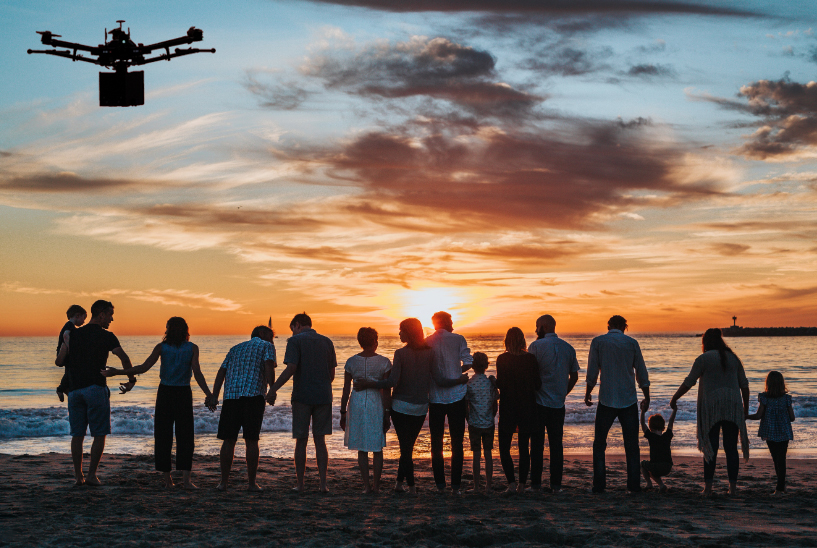
Alternatively, drone ash scattering has become an increasingly popular choice for those seeking a dignified aerial ash scattering ceremony. Using a drone allows the family to remain together on the shore, firmly grounded on the beach they love, while the ashes are carried out over the water. This method provides a stunning visual perspective and ensures that everyone, regardless of their physical mobility or comfort with the sea, can participate fully in the farewell. You can learn more about the ultimate guide to scattering ashes to understand these logistics further.
4. Avoiding the "Blowback" Effect
A practical concern that is rarely discussed but very important is the wind. When scattering ashes by hand from a boat or a cliff edge, there is a significant risk that the wind will catch the ashes and blow them back onto the participants or the vessel. This can be a distressing experience during what should be a peaceful moment.
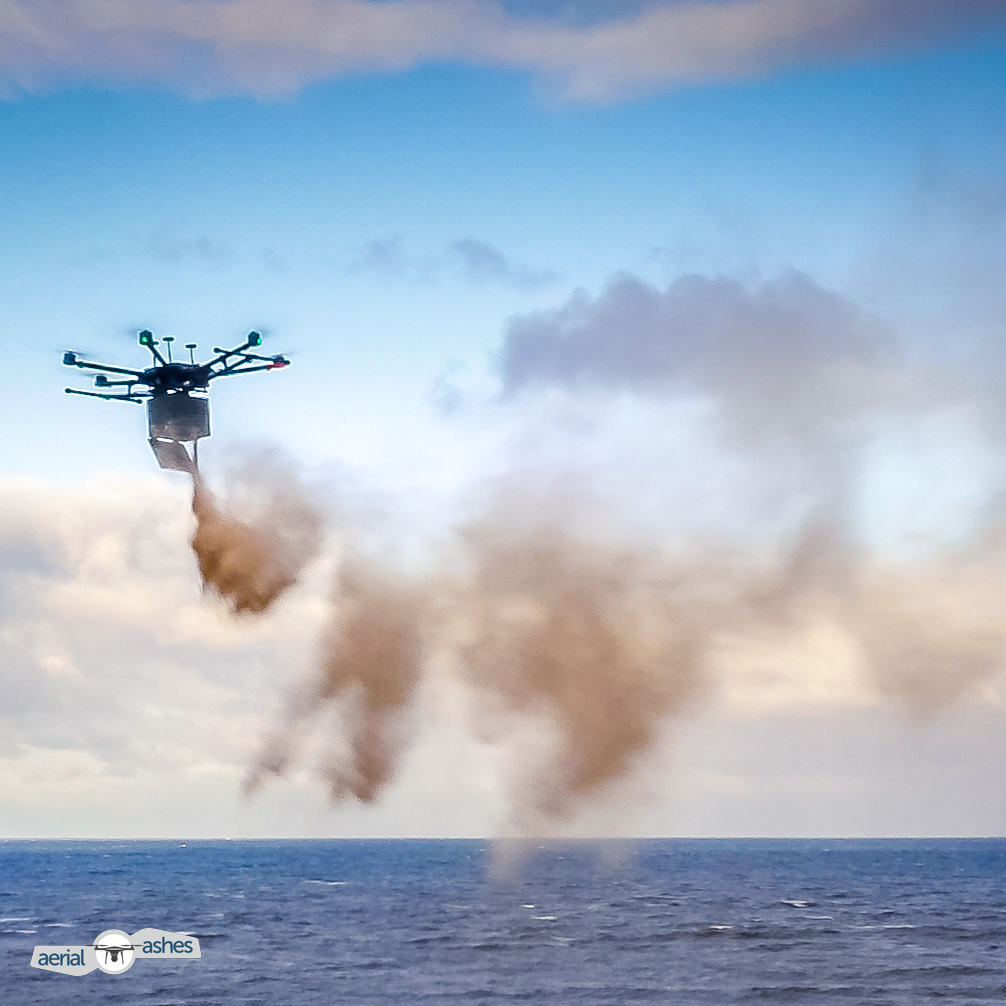
Drone ash scattering eliminates this risk. The drone carries the ashes to a precise height and distance away from the shore or the boat, releasing them in a controlled manner. This ensures that the dispersal is graceful and that the focus remains on the beauty of the tribute rather than the mechanics of the release. This professional approach is why many are now talking about drone ashes scattering in Cornwall.
5. The Environmental Science of Ashes
It is helpful to understand what happens to ashes once they enter the marine environment. Cremated remains are essentially bone calcium and phosphates. These minerals are natural and do not pose a threat to the ocean’s ecosystem when dispersed correctly. In fact, calcium is a building block for many marine organisms.
However, if you choose to use an urn for the ceremony, it is vital that it is 100% biodegradable. Many families choose water soluble urns that float for a few minutes before slowly sinking and dissolving. If you are using a drone ash scattering service, no urn is placed in the water: only the processed remains are dispersed, leaving no trace behind other than the memory of the event.

6. Accessibility for the Whole Family
St Ives is famous for its steep hills and cobbled streets, which can make accessibility a challenge for some family members. When planning a memorial, it is important to consider the needs of elderly relatives or those with limited mobility. Some of the best viewing points for a sea scattering are accessible via level paths, but getting down to the water’s edge can be difficult.
By utilizing a drone service, the "scattering site" can be offshore, but the "viewing site" can be any accessible point along the coast. Families can gather at a lookout point with benches or a level section of the pier. This inclusivity ensures that no one is left behind because of the terrain. For more ideas on how to personalize these ceremonies, you might find our inspiration page useful.
7. Precise Location Tracking with GPS
One of the most profound benefits of modern memorial technology is the ability to record the exact location of the farewell. When we perform a drone ash scattering at St Ives, we can provide the family with the exact GPS coordinates of the release point.
This creates a digital "marker" in the ocean. In the years to come, families can look at a map or return to that specific coordinate on a boat to feel a sense of connection to their loved one. It provides a permanent reference point in a moving, changing environment, which many find deeply comforting for long term healing.
8. Timing for Tides and Seasons
The Atlantic coast is heavily influenced by the tides. At high tide, many of St Ives' beaches disappear almost entirely, while at low tide, vast expanses of sand are revealed. For a beach based ceremony, the tide cycle will dictate when and where you can stand.
Furthermore, the "operating season" for many coastal services in Cornwall typically runs from April through November. The winter months can bring fierce storms and unpredictable winds that make drone flight or boat trips unsafe. Planning your ceremony during the calmer spring or autumn months often yields the most tranquil conditions, with the bonus of fewer crowds than the peak summer season.
9. Including Beloved Pets in the Memorial
For many, a trip to St Ives was never complete without a loyal canine companion by their side. We believe that pets are family members, and their loss is felt just as keenly. If you are looking to scatter the ashes of a cherished pet, the same dignified drone services are available.
The beaches of Cornwall are a place of joy for many dogs, making the coast a fitting final resting place. We offer specialized pet memorial services to help you say goodbye to your furry friends in the same beautiful, professional manner as any other family member.
10. The Importance of Professionalism and Dignity
Choosing a service provider is about more than just equipment: it is about trust. A professional drone ash scattering service involves careful flight planning, adherence to Civil Aviation Authority (CAA) regulations, and a deep respect for the occasion. It is not simply about flying a drone: it is about choreographing a moment of closure.
When selecting a service, look for providers who prioritize the emotional weight of the day. A professional will handle all the technical details, from checking wind speeds to ensuring the flight path is clear, allowing you to focus entirely on your family and your memories. This level of care is what transforms a technical process into a meaningful ceremony.
Finding Peace on the Cornish Coast
Scattering ashes at St Ives offers a way to blend the beauty of the natural world with the deeply personal need for a final tribute. Whether you choose the traditional path of a boat or the modern, inclusive option of a drone, the goal remains the same: to find a sense of peace and a way to move forward.
By considering these ten points, you can plan a ceremony that honors your loved one’s memory while respecting the environment and the needs of your family. The Cornish coast has a way of absorbing grief and returning it as a sense of calm, making it one of the most poignant places in the UK for a scenic farewell.
References
- Journal of Palliative Medicine (2018). "The Role of Nature in the Grief Process: A Qualitative Study."
- Environment Agency Guidance (UK). "Scattering Ashes on Water and at Sea."
- Journal of Experimental Psychology (2015). "The Psychological Benefits of Coastal Environments."
We're Online! How may I help you today?