 UK
UK
 Hawaii
 USA
USA
Looking for a Serene Farewell? 10 Things to Know About Scattering Ashes at St. Ives
Looking for a Serene Farewell? 10 Things to Know About Scattering Ashes at St. Ives
The weight of a wooden casket or a ceramic urn often feels heavier than the physical object itself. For many families, the decision of where to place a loved one’s final remains is a heavy emotional burden that lingers long after the funeral service. This experience, often referred to as keeping the ashes on the shelf, can lead to feelings of guilt or a sense of unfinished business. Choosing a location as breathtaking as St. Ives in Cornwall offers a way to transform that weight into a sense of profound peace and finality.
St. Ives is widely considered one of the most beautiful coastal destinations in the UK. Its turquoise waters, white sandy beaches, and granite cliffs provide a backdrop that feels both eternal and deeply personal. However, planning a memorial in such a popular and environmentally sensitive area requires careful thought. If you are considering scattering ashes at this iconic Cornish landmark, understanding the logistics and the emotional benefits of a professional ceremony is essential.
1. Permission and Landowner Authority
While the UK allows for significant freedom in choosing a memorial site, you must always respect landowner rights. Many of the beaches and clifftops surrounding St. Ives, such as parts of Porthmeor or the dramatic headlands, are managed by organisations like the National Trust or the Duchy of Cornwall. These bodies generally permit the scattering of ashes if it is done discreetly and without leaving permanent markers. Researching the specific owner of your chosen spot is a crucial first step in ensuring your ceremony remains undisturbed and legal.
2. Understanding the "DIY That Went Wrong"
Many families initially consider a manual scattering, only to find the reality far more difficult than the expectation. St. Ives is famous for its Atlantic breezes. When someone attempts a manual release from a clifftop or the shore, the wind can be unpredictable. This often results in the "DIY that went wrong," where ashes blow back onto the participants or onto public walkways. This can lead to a moment of regret during what should be a serene farewell. A professional drone ash scattering service eliminates this risk by releasing the ashes at a height and distance where they can drift gracefully away from the shore.
3. The Composition of Cremated Remains
It is helpful to understand the science behind the ceremony to appreciate the environmental considerations. Research published in the Journal of Palliative Medicine (2018) indicates that the physical act of "letting go" is a vital step in the bereavement process. However, cremains (cremated remains) are primarily composed of calcium phosphate and small amounts of minerals. While they are natural, releasing them in large quantities in a single spot on a beach can impact the delicate coastal soil pH. By using a drone, the ashes are dispersed over a wider area of the sea or land, ensuring they integrate into the environment without harming the local flora.
4. Overcoming Accessibility Barriers
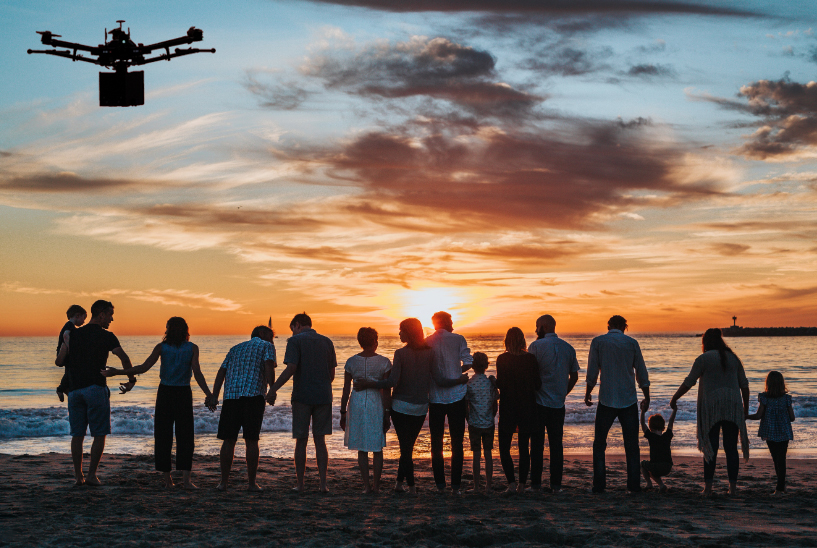
St. Ives is stunning, but its rugged terrain can be challenging for elderly family members or those with mobility issues. Clambering down to a secluded cove or standing on a rocky outcrop might be impossible for everyone who wishes to attend. Using a drone allows your family to stay in a comfortable, accessible location, like a paved viewpoint or a beach cafe area, while the ceremony takes place at the exact meaningful spot offshore or on a distant cliff. This ensures that every generation can witness the moment without physical strain.
5. The Serenity of Godrevy Lighthouse
One of the most popular locations for a drone ash scattering near St. Ives is the area surrounding Godrevy Lighthouse. This landmark has inspired artists and writers for centuries. Releasing ashes near this beacon provides a powerful symbol of guidance and light. When the drone carries the ashes toward the lighthouse, it creates a visual narrative of a journey completed. It offers a sense of closure that is far more profound than simply leaving remains in a cemetery or keeping them at home.
6. Navigating Public Crowds and Privacy
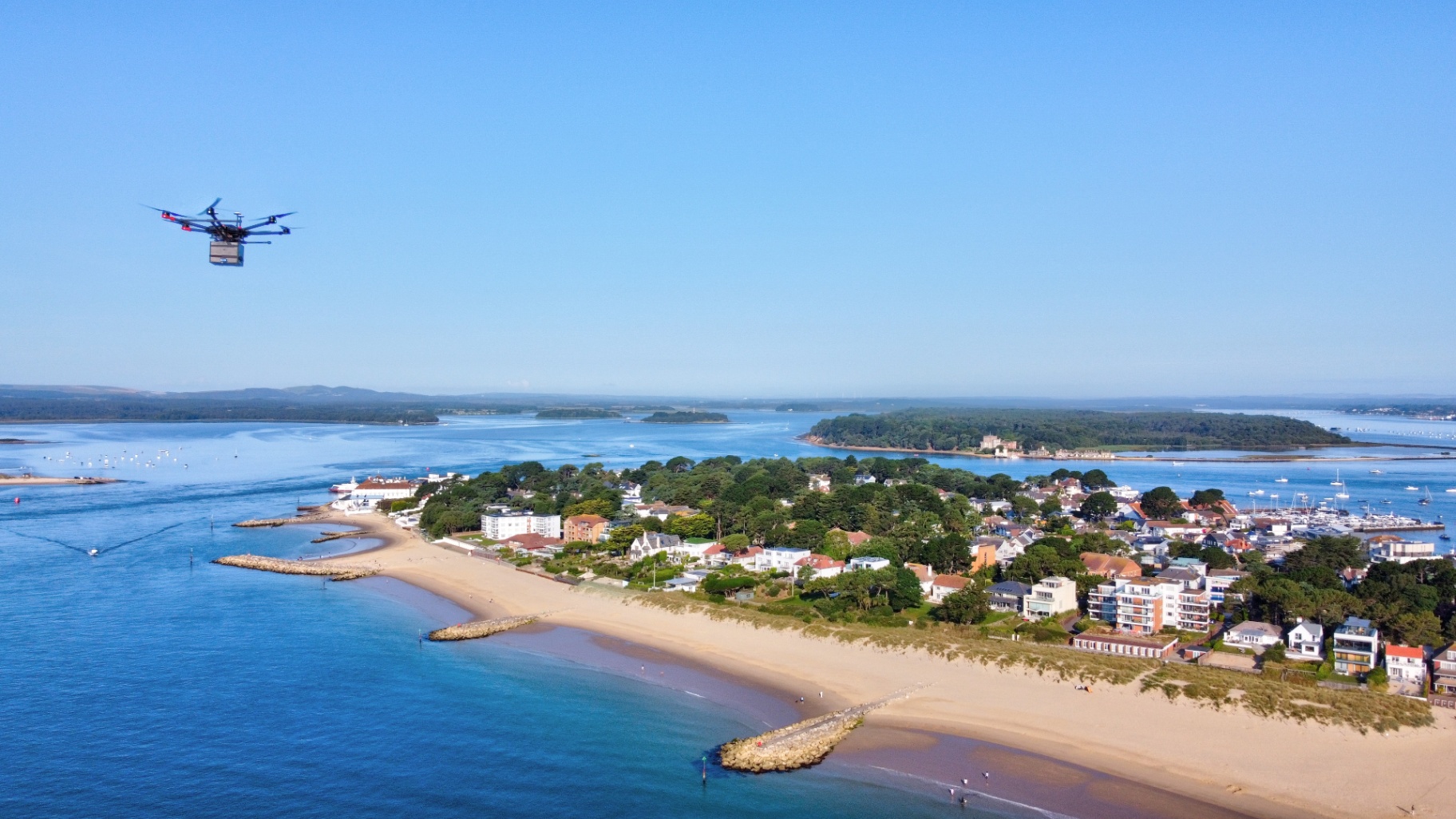
St. Ives is a bustling tourist hub, especially during the summer months. Privacy is hard to find on Porthminster Beach or near the Harbour. Performing a memorial ceremony in front of holidaymakers can feel intrusive and uncomfortable. Professional drone services solve this by performing the release over the water, away from the crowds. You can find a quiet corner of the coast to watch the drone, maintaining your privacy while the loved one is honoured in the very heart of the scenery they loved.
7. Seasonal and Weather Considerations
The Cornish coast is famously temperamental. A planned manual scattering can be ruined by a sudden downpour or high tide that makes the beach inaccessible. According to a study in the Journal of Experimental Psychology (2015), the environment in which we say goodbye significantly impacts our long-term memory of the event. Our team handles all the weather monitoring and logistical planning. If the conditions at St. Ives aren’t perfect, we advise on the best window of time, often early morning or late evening, to ensure the most serene and dignified experience possible.
8. Capturing the Final Journey
For families who have members living abroad or those who simply want a lasting memory, filming the ceremony is a meaningful option. Many families find that watching the video of the ashes being released into the Cornish sky provides ongoing comfort. We offer professional filming and editing services that turn the ceremony into a beautiful tribute. This allows you to revisit the moment of peace whenever you feel the need, transforming a painful memory into a visual celebration of life.
9. The Environment Agency Guidelines
When scattering at sea or near water sources, it is essential to follow Environment Agency guidelines. This includes ensuring that only the ashes and biodegradable tributes, like single flower petals, are released. Non-biodegradable items like plastic wreath frames or metal wires are strictly prohibited. We ensure that every ashes scattering ceremony we perform in St. Ives is fully compliant with environmental regulations, protecting the pristine Cornish waters for future generations.
10. Moving from Guilt to Relief
The ultimate goal of choosing a drone ash scattering in St. Ives is to achieve a sense of "together forever." Whether you are scattering the ashes of a partner, a parent, or even a cherished pet, the act of returning them to nature is a powerful ritual. It moves the family from the stagnant state of grief to a place of active remembrance. You are no longer "storing" a loved one; you are setting them free in a place of immense beauty.
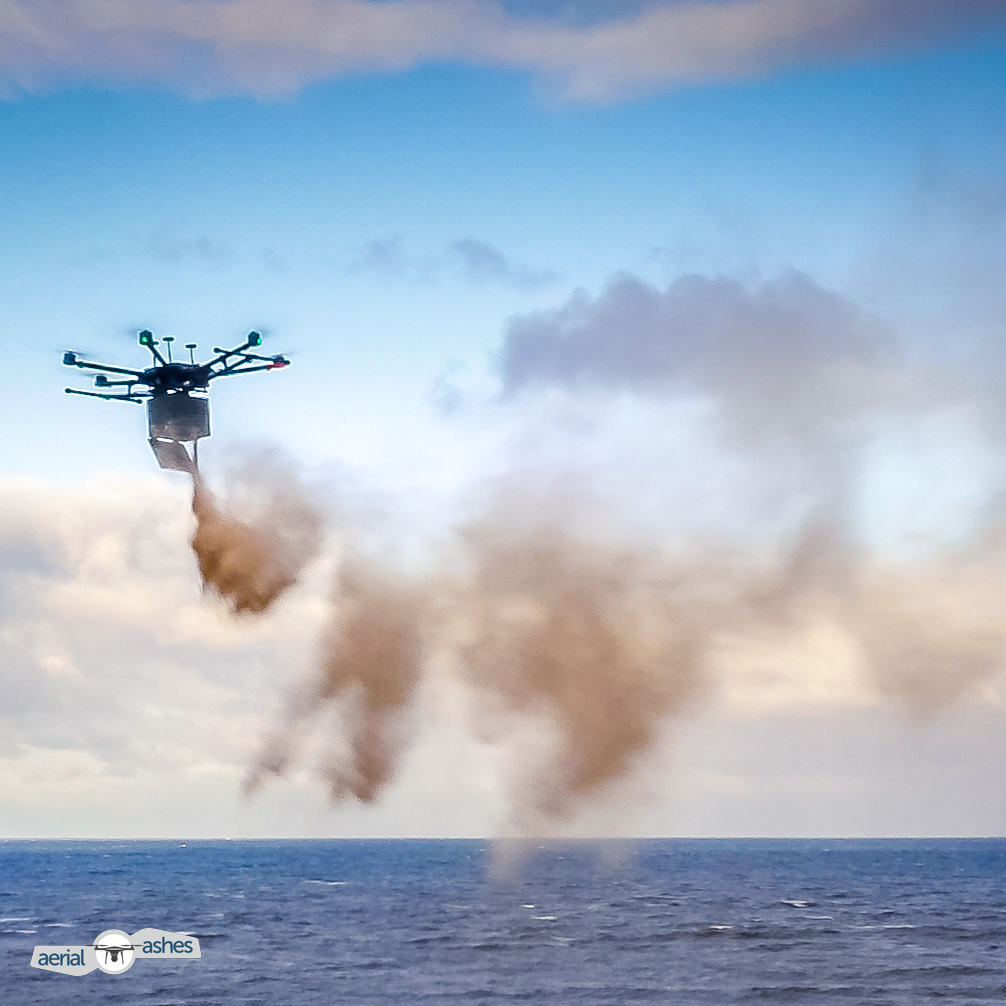
Choosing Aerial Ashes Matt means choosing a multi-award-winning service that handles every detail with dignity. We take care of the legal permissions, the technical flight logistics, and the environmental safety, allowing you to focus entirely on the emotional significance of the day.
If you are ready to move your loved one's ashes from the shelf to the sea, we are here to help. Our expertise as pioneers in drone technology ensures a graceful release that honors the life lived. Learn more about our cremated ashes scattering services or explore our Together Forever service for couples who wish to be reunited in the Cornish breeze.
We're Online! How may I help you today?
References
- Journal of Palliative Medicine (2018). "The Psychological Impact of Memorial Rituals on Bereavement."
- Journal of Experimental Psychology (2015). "Environment and Memory: The Role of Ritual in Healing."
- Environment Agency. "Guidance on Scattering Ashes Over Water."