 UK
UK
 Hawaii
 USA
USA

Looking for Ashes Scattering in Cornwall? Here Are 10 Things You Should Know
Looking for Ashes Scattering in Cornwall? Here Are 10 Things You Should Know
Choosing a final resting place is a decision deeply rooted in personal history, love, and the natural beauty of the landscape. For many families in the UK, the rugged cliffs, turquoise waters, and golden sands of Cornwall offer a sense of peace that few other locations can match. Whether it is the artistic heritage of St Ives or the dramatic Atlantic swells at Watergate Bay, Cornwall remains a premier choice for those considering a coastal memorial.
As we begin our series exploring the 100 best UK beaches for memorials, Cornwall takes center stage. The process of planning a farewell involves more than just picking a beautiful spot: it requires an understanding of local regulations, environmental impact, and the practicalities of the elements. While the idea of a simple ashes scattering ceremony on the shore is common, there are nuances to the Cornish coastline that every family should understand to ensure the day is as dignified and serene as intended.
The Significance of the Cornish Coastline
Cornwall possesses over 400 miles of coastline, ranging from the sheltered estuaries of the south to the wild, wind-swept northern shores. This variety allows for a highly personalized experience. Research indicates that the setting of a memorial service significantly impacts the long-term grieving process. According to a study in the Journal of Palliative Medicine (2015), natural environments can provide a restorative "buffer" for those experiencing acute loss, offering a sense of continuity and connection to the larger world.
When you are looking into scattering ashes in this region, you are joining a long tradition of maritime farewells. However, the modern approach to these ceremonies has evolved to be more mindful of nature and the comfort of the participants.
1. Legal Permissions and Regulations
One of the most frequent questions families ask is whether they need a license to scatter ashes at sea or on a beach. In the UK, there are no specific laws that forbid the disposal of cremated remains in the sea. However, the Environment Agency provides clear guidelines to protect the local ecosystem.
You do not generally need formal permission for sea or river scattering, but you must ensure the location is not near water collection points or sensitive wildlife habitats. For land-based scattering above the high-tide mark, you may need permission from the landowner, such as the National Trust, which manages significant portions of the Cornish coast. For a detailed breakdown of the rules, you can consult our Legal Guide.
2. The Importance of Environmental Responsibility
Cornwall’s beauty is fragile. To protect the marine life and the cleanliness of the beaches, it is essential that everything involved in the ceremony is 100% biodegradable. This includes the ashes themselves, any urns used, and even floral tributes.
Many people wish to leave a wreath or flowers in the water. While this is a beautiful gesture, you must avoid using plastic ribbons, foam bases, or wire ties. Even "natural" looking items can sometimes contain hidden pollutants. Using a specialized water-scattering urn can help the remains sink and dissolve slowly, rather than floating on the surface or blowing back toward the shore.
3. Understanding the Cornish Weather Patterns
The Atlantic weather can be unpredictable. North Cornwall is particularly exposed to the elements, which can make a traditional beach scattering difficult. High winds can cause ashes to blow back toward the family, which can be a distressing experience during an emotional moment.
If you are planning a DIY ceremony, it is crucial to check the wind direction. You should always stand upwind so the remains move away from the group. Alternatively, choosing a sheltered location like the River Fal estuary can provide a more controlled environment. We often suggest having a flexible "weather window" of a few days to ensure you aren't fighting a gale during your loved one's final send-off.
4. Tide Times and Beach Selection
Cornwall features some of the best beaches in the UK, but many of them disappear entirely at high tide. Beaches like Kynance Cove or Porthcurno are stunning, but their accessible area changes dramatically throughout the day.
Before heading out, consult a local tide table. A receding tide is often preferred for beach ceremonies as it provides a clean, firm surface to walk on and ensures that the water will eventually carry the remains out to sea. You can find more practical tips in our Beach Scattering Guide.
5. Accessibility for All Family Members
While the idea of scattering ashes from a clifftop at Land’s End is romantic, the reality of the terrain can be challenging. Many Cornish beaches require navigating steep, narrow paths or uneven steps. If your group includes elderly relatives or those with mobility issues, you should prioritize locations with easy access, such as Gyllyngvase Beach in Falmouth, which offers level paths and nearby amenities.
6. Boat Services vs. Shoreline Ceremonies
Many families choose to hire a boat to get further away from the crowds. Services operating out of St Ives or Padstow can take you into the bay for a private moment. This is a traditional and respectful way to handle the process.
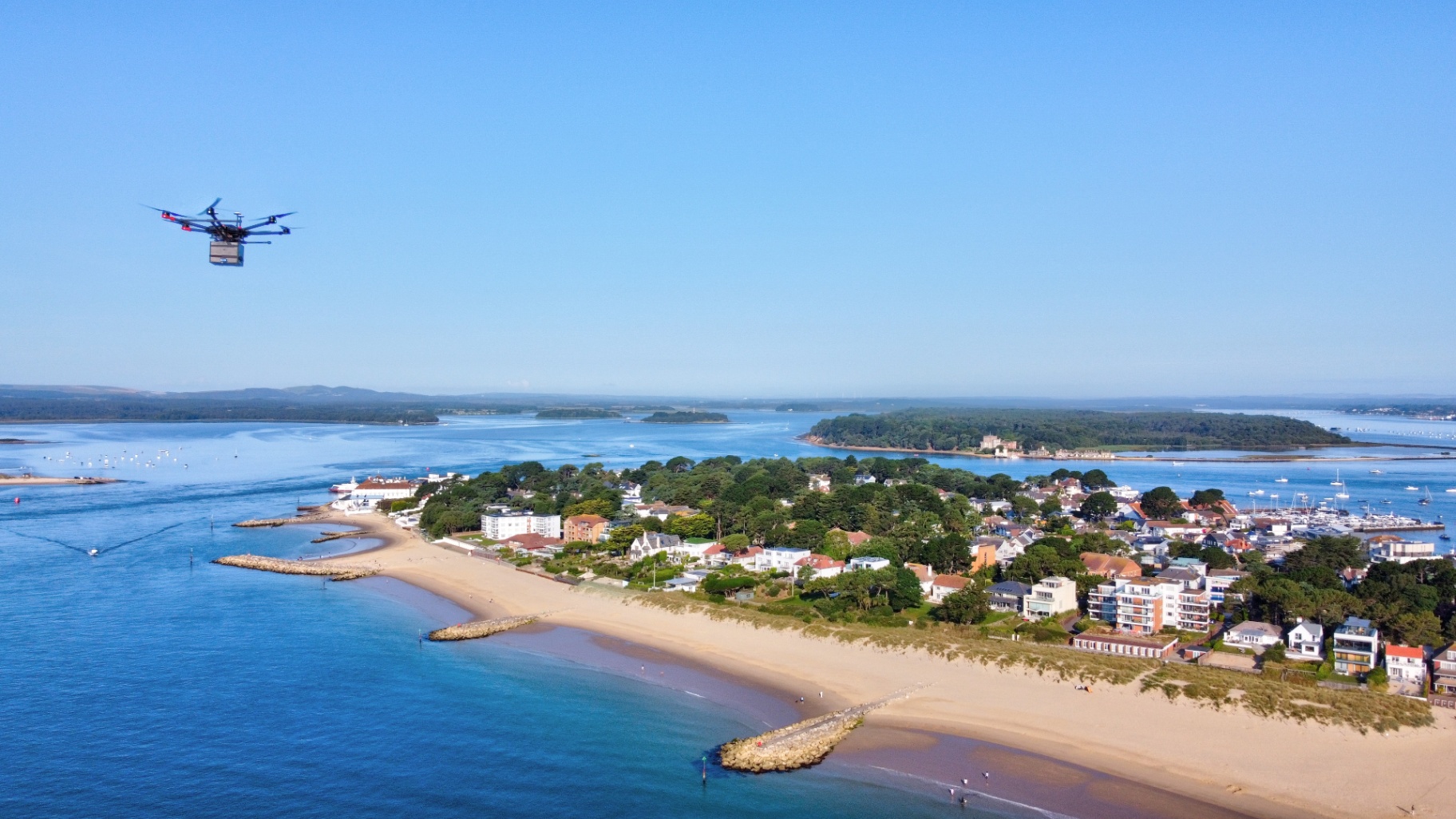
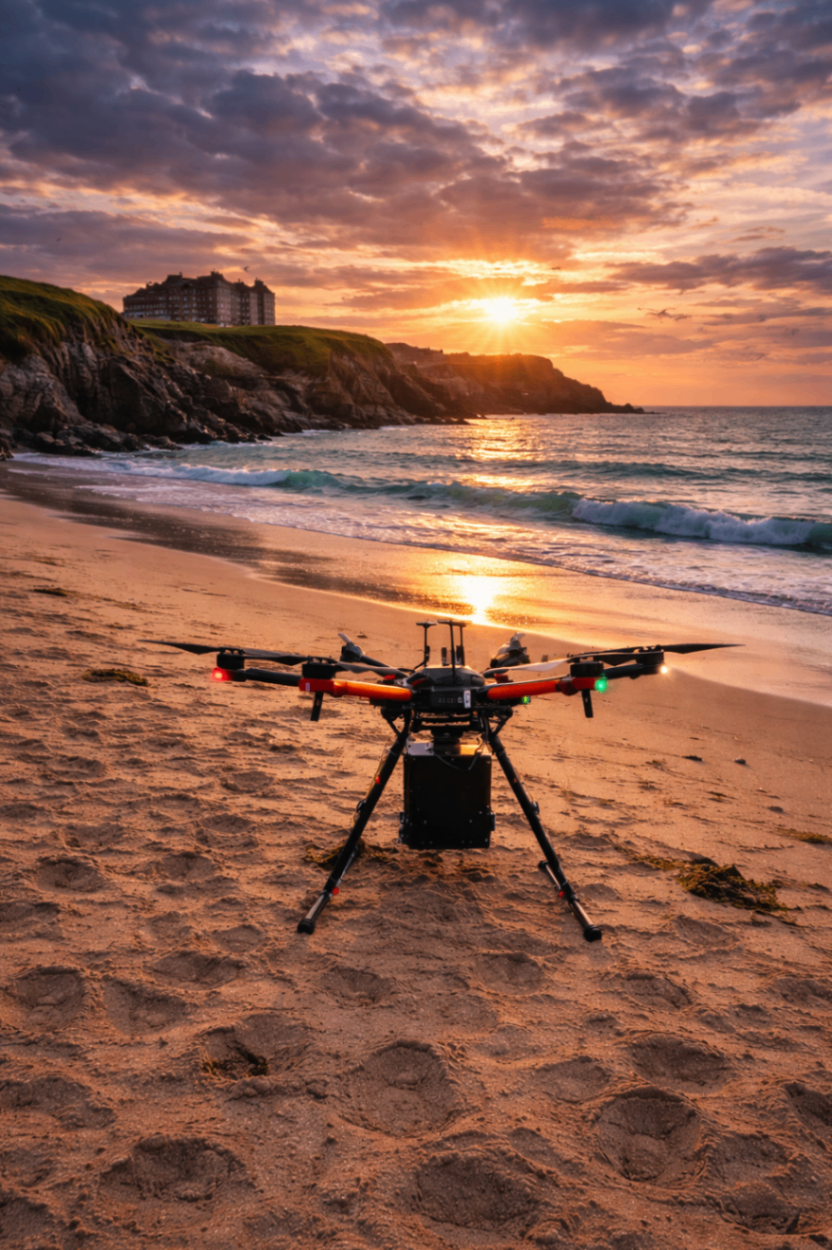
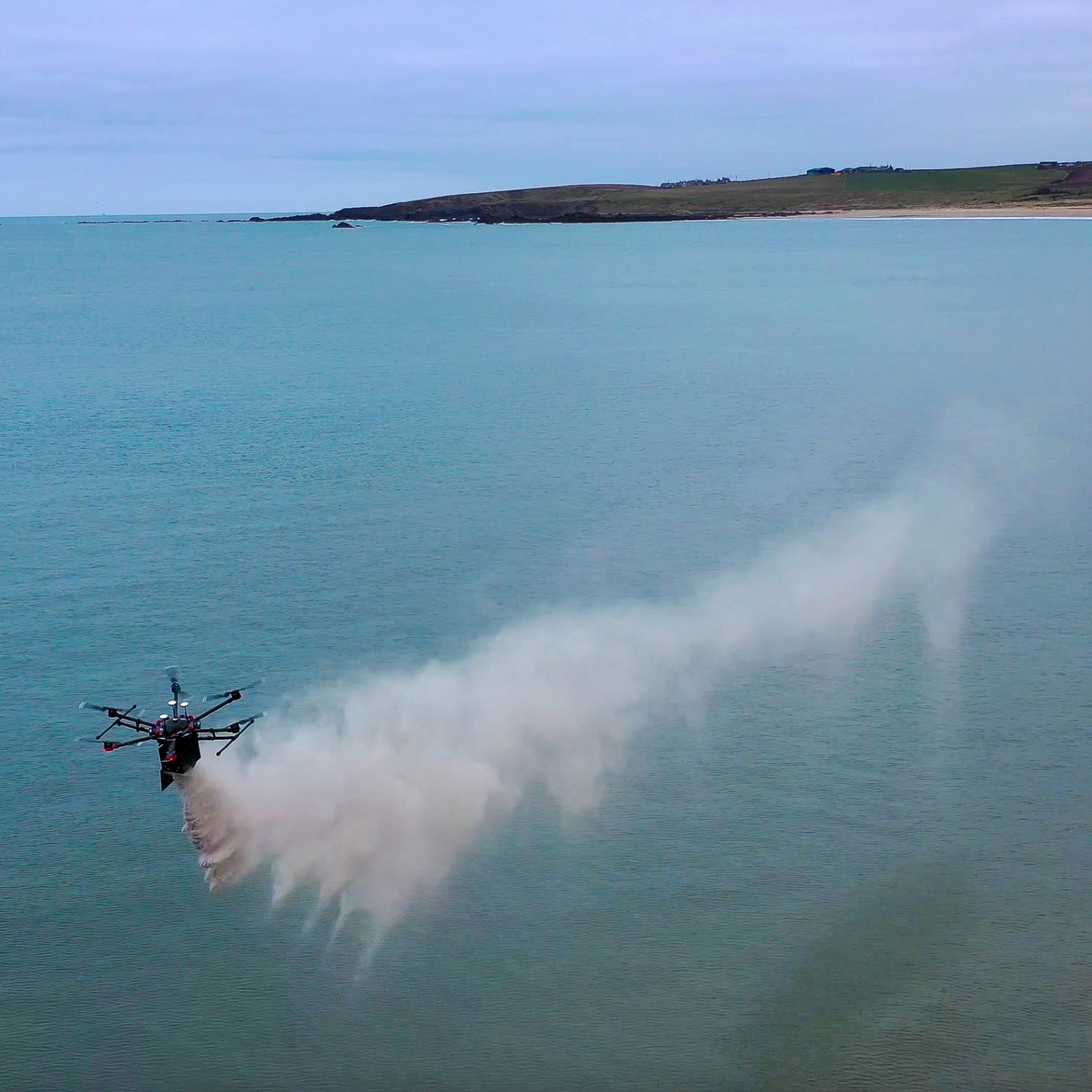
However, boat ceremonies can be subject to sea sickness and the physical limitations of the vessel. This is where modern alternatives, such as our drone-led services at Aerial Ashes Matt, provide a different perspective. A drone can reach areas of the water that a boat might find difficult to navigate, all while the family remains comfortably and safely on the shore.
7. The Science of the "Blue Mind"
There is a scientific reason why so many people are drawn to the Cornish coast for memorials. Dr. Wallace J. Nichols, a marine biologist, coined the term "Blue Mind" to describe the mildly meditative state humans fall into when near, in, on, or under water.
A study published in the Journal of Environmental Psychology (2020) indicates that coastal environments are more effective at reducing stress and promoting psychological recovery than inland green spaces. By choosing a Cornish beach for ashes scattering, you are utilizing the natural healing properties of the ocean to help the family find a sense of closure.
8. Choosing a Symbolic Location
Cornwall is rich with landmarks that can add symbolic meaning to a ceremony.
- St Michael’s Mount: Provides a spiritual and historic backdrop.
- Godrevy Lighthouse: Symbolizes a "guiding light" for the journey ahead.
- The Lizard Peninsula: The most southerly point, representing the edge of the world.
Selecting a location that resonated with the deceased, perhaps a favorite holiday spot or a place they loved to surf, makes the ceremony significantly more personal.
9. Privacy and Public Space
The 100 best UK beaches are popular for a reason: they attract tourists. If you are looking for privacy, you may need to plan your ceremony for early morning or late evening, especially during the summer months.
Cornwall’s coastal paths offer many "secret" coves that are quieter than the main tourist hubs. However, even in public spaces, most people are incredibly respectful when they realize a memorial is taking place. If you prefer total seclusion, an aerial scattering can be performed over the water, away from the gaze of beachgoers, while you maintain your privacy on a quiet part of the dunes.
10. Planning for the Future
A memorial is not just about the day of the ceremony: it is about having a place to return to. When you scatter ashes at sea in Cornwall, the ocean becomes a vast, living memorial. Families often find comfort in knowing that they can look out at the Atlantic from any point in the county and feel a connection to their loved one.
We recommend taking photos or even a video of the location. Our drone services often include aerial footage, allowing you to revisit the moment and the exact spot where the ashes were released, providing a permanent digital record of the farewell.
Why Consider a Drone for Your Cornwall Memorial?
While traditional methods have their place, the unique geography of Cornwall often presents challenges that technology can solve. A DIY scattering on a beach can be messy due to the wind, and boats can be expensive or restrictive for larger groups.
At Aerial Ashes Matt, we offer a way to combine the beauty of the Cornish coast with a dignified, professional service. Our drones allow for a "bird's eye" release, where the ashes are dispersed smoothly and evenly over the water. This ensures that the remains do not wash back onto the sand or blow onto the guests. It creates a striking, visual tribute as the ashes merge with the waves, often forming beautiful patterns in the water before they dissipate.
This method is particularly helpful for those who want to reach a specific offshore point but prefer to stay on land. It bridges the gap between the shore and the sea, providing a high degree of control and precision that is difficult to achieve manually.
Creating a Lasting Legacy
As you explore the options for your loved one, remember that there is no "right" way to say goodbye, only the way that feels right for your family. Cornwall offers a canvas of unparalleled natural beauty, and whether you choose a quiet beach at dawn or a professional aerial ceremony, the most important thing is the intent behind the act.
By following the legal guidelines, respecting the environment, and planning for the Cornish elements, you can ensure that the day is a peaceful celebration of a life well-lived.
References
- Journal of Palliative Medicine (2015). "The Role of Nature in the Grief Process."
- Journal of Environmental Psychology (2020). "Coastal Environments and Psychological Wellbeing."
- Environment Agency (2023). "Guidelines for Scattering Ashes in Rivers and Coastal Waters."
- Nichols, W. J. (2014). Blue Mind: The Surprising Science That Shows How Being Near, In, On, or Under Water Can Make You Happier, Healthier, More Connected, and Better at What You Do.
If you are ready to plan a ceremony or simply want to chat about the possibilities in Cornwall or elsewhere across England, Scotland, and Wales, we are here to help. You can explore more about our services on our main website or find inspiration for your ceremony on our blog.
We're Online! How may I help you today?