 UK
UK
 Hawaii
 USA
USA
Drone Ash Scattering at Sandy Hook, New Jersey: A Serene Shore Farewell and a Franchise Opportunity for US Pilots
Drone Ash Scattering at Sandy Hook, New Jersey: A Serene Shore Farewell and a Franchise Opportunity for US Pilots
Grief often brings one final decision: how to honour a loved one in a way that feels peaceful, personal, and true to their life. For many families in New Jersey, New York, and Connecticut, Sandy Hook represents family days by the ocean, long walks, military history, sailing, or a deep connection with the Atlantic.
Drone ash scattering offers a graceful way to create a coastal farewell while allowing families to remain together, present, and supported. It also presents an opportunity for qualified US drone pilots who want to build a specialist memorial business in the Tri-State area.
Meta title: Sandy Hook Drone Ash Scattering & US Franchise
Meta description: Explore serene drone ash scattering near Sandy Hook and a structured franchise opportunity for FAA-qualified US drone pilots.
Give the ashes on the shelf a peaceful next chapter
Many families keep an urn at home because they are not ready to make a final decision. Others want to scatter the ashes but feel anxious about wind, access, permissions, or the emotional weight of carrying out the ceremony themselves.
The ashes may remain on a shelf for months or even years. That does not mean anyone has failed. It often means the family is waiting for the right time and the right way to say goodbye.
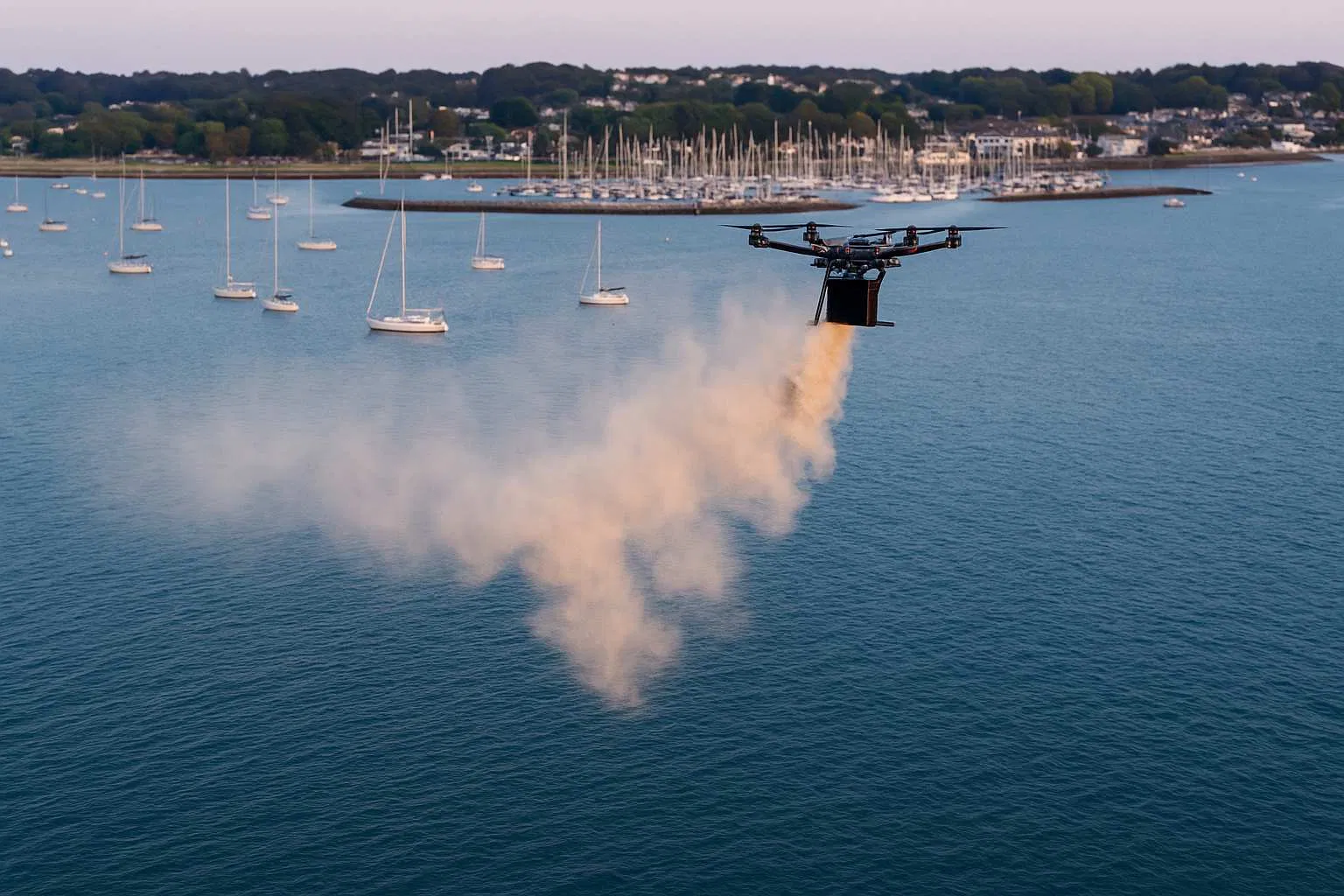
When that moment arrives, choose a service that allows you to focus on remembrance rather than logistics. A professional drone ashes scattering ceremony can help manage location planning, permissions, weather checks, safety procedures, and the release itself.
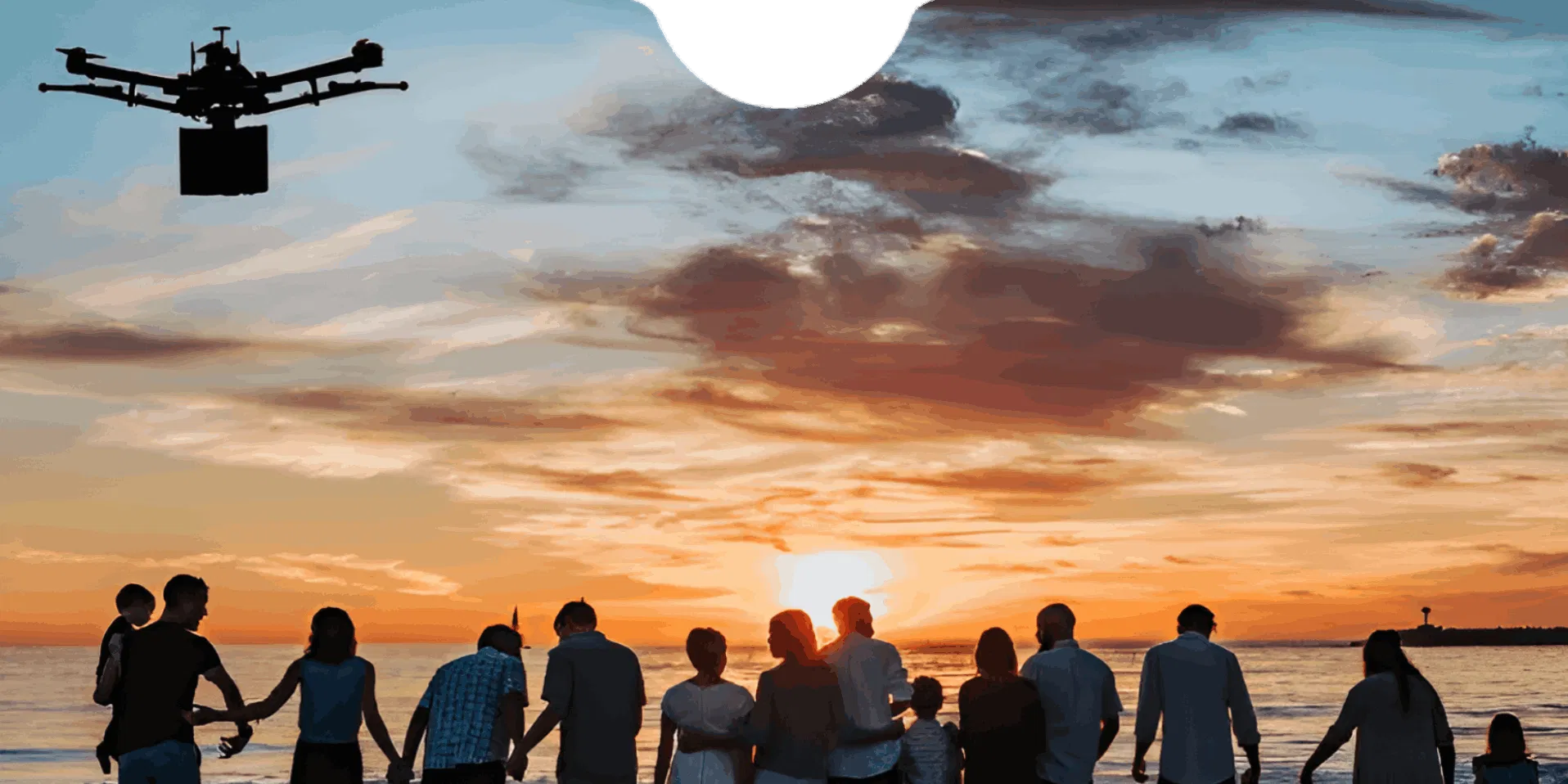
Your family can gather by the shore, listen to a favourite song, read a tribute, share stories, or simply stand together in silence. The drone handles the practical movement above the water, while the people remain focused on the meaning of the occasion.
Why does Sandy Hook hold such meaning for families?
Sandy Hook forms part of Gateway National Recreation Area and has a distinctive relationship with both the Atlantic Ocean and Sandy Hook Bay. Its beaches, lighthouse, historic sites, and open horizons can hold powerful personal memories.
A ceremony connected with Sandy Hook may be suitable for families who want to honour:
- A love of the sea, sailing, fishing, or coastal walks.
- Childhood holidays and family traditions.
- Military service or a connection with Fort Hancock.
- A lifelong attachment to New Jersey’s shoreline.
- A desire for a natural and open final resting place.
However, a meaningful location must also be a lawful and practical location. Sandy Hook is managed by the National Park Service, so families should not assume that a drone can launch, land, or operate from the park without written approval.
The Sandy Hook Beach Ceremony Fact Sheet explains that memorial ceremonies may require a special use permit. It also outlines application procedures, timing, group limits, insurance conditions, and restrictions designed to protect the park and its visitors.
Treat every Sandy Hook enquiry as a permissions-led project. Ask the relevant National Park Service office whether the proposed ceremony, release method, aircraft operation, and gathering can be approved. If drone operation inside the park is not authorised, consider a separate shore-side memorial or an offshore service from an appropriate vessel.
Understand scattering ashes at sea requirements
A beautiful coastal setting does not remove the need for careful compliance. If cremated human remains are released into the Atlantic Ocean, federal burial at sea rules apply.
The United States Environmental Protection Agency guidance on burial at sea states that cremated remains must be placed at least three nautical miles from shore. The burial must also be reported to the EPA within 30 days through the Burial at Sea Reporting Tool.
The EPA also states that the general permit does not cover pet ashes. Families arranging a pet memorial must check the relevant local, state, maritime, and environmental requirements separately.
For a responsible ceremony:
- Confirm whether the proposed location is ocean water, a bay, a river, or another inland waterway.
- Obtain permission from the landowner or managing authority.
- Check National Park Service, state, municipal, marina, harbour, and vessel requirements.
- Use a release method that does not create a hazard to people, property, wildlife, or other aircraft.
- Avoid plastic, metal, glass, synthetic flowers, and other non-degradable materials.
- Record the coordinates, date, time, vessel departure point, and other information required for EPA reporting.
- Confirm who will complete the reporting after the ceremony.
This preparation does not make the ceremony cold or complicated. It protects the family from avoidable uncertainty and helps ensure that the farewell remains peaceful.
Avoid the DIY that went wrong
Scattering ashes personally can be deeply intimate, and for some families it remains the right choice. Yet coastal conditions can change quickly. Wind direction, gusts, boat movement, crowded beaches, uneven ground, and difficult access can turn a carefully imagined moment into an uncomfortable one.
A professional drone ash scattering service provides another option. It does not judge personal ceremonies. It supports families who would prefer not to handle the ashes themselves.
A structured ceremony may include:
- Review the preferred Sandy Hook or Tri-State location.
- Check whether the location can legally support the proposed ceremony.
- Confirm landowner, park, vessel, or marina permissions.
- Assess wind, visibility, weather, airspace, and public access.
- Prepare the drone and controlled release equipment.
- Brief the family about where to stand and what to expect.
- Conduct the release with dignity and precision.
- Provide live streaming or an edited memorial film if requested.
- Complete any relevant records and environmental reporting.
What US pilots need to know about FAA Part 107
Any commercial drone ashes scattering service in the United States must take aviation compliance seriously.
The Federal Aviation Administration’s Part 107 guidance explains that commercial remote pilots need an FAA Remote Pilot Certificate. Pilots must understand regulations, airspace, weather, loading, emergency procedures, aircraft performance, and safe operating practices.
Depending on the planned ceremony, a pilot may also need to consider:
- Drone registration.
- Visual line of sight.
- Controlled airspace authorisation.
- Operations near airports.
- Operations near people or open-air assemblies.
- Maximum altitude and operating limits.
- Payload security.
- The safe release of material.
- Insurance and local risk requirements.
The FAA Part 107 waiver guidance is also important where a proposed operation cannot meet a standard limitation. Never assume that an operation approved in one state, park, harbour, or vessel environment will automatically be lawful elsewhere.
Aerial Ashes provides a structured operational and business framework for licensed partners. Each US operator remains responsible for meeting FAA requirements, state and local rules, insurance conditions, and ash disposition regulations.
A franchise opportunity for Tri-State drone pilots
Commercial drone work can be competitive. Real estate photography, roof inspections, construction surveys, and event filming often attract many operators who compete on price.
Memorial work requires something different. Families need technical competence, but they also need discretion, patience, clear communication, and a calm presence.
The Aerial Ashes franchise model is designed for qualified drone pilots who want to build a premium memorial service rather than add another low-cost flight service to a crowded market.
The US franchise opportunity is $17,500 USD and includes:
- A defined territory licence.
- Brand usage rights.
- Technical system guidance.
- Ceremony and risk management training.
- Family consultation frameworks.
- Marketing templates and launch resources.
- Referral strategy materials.
- Legal and operational template support.
- Access to an established international specialist brand.
The model may suit pilots serving New Jersey, New York, Connecticut, Pennsylvania, or other US regions where families have strong connections with coastlines, lakes, mountains, private estates, and meaningful outdoor locations.
It is not passive income. It is not casual weekend flying. Build the business through local relationships with funeral directors, celebrants, probate solicitors, estate planners, crematories, hospices, marinas, and care organisations.
Read the Aerial Ashes drone memorial business opportunity and use the franchise income calculator to explore example ceremony volumes and pricing. Figures are examples only, and actual results depend on territory, demand, pricing, marketing, costs, and compliance.
Create a dignified coastal farewell
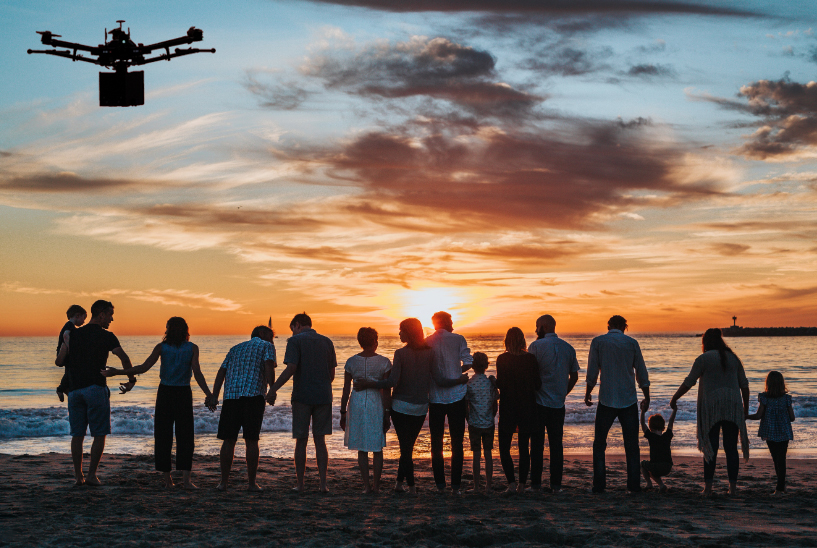
For families, drone ash scattering can offer a gentle release over a location filled with meaning. It can reduce the practical pressure of handling ashes, support relatives who cannot attend in person through live streaming, and provide a lasting edited video of the ceremony.
For pilots, it can provide a focused business opportunity built around professionalism and service. The strongest operators will combine safe flying with thoughtful planning and genuine respect for bereaved families.
Plan the Sandy Hook ceremony carefully. Confirm the National Park Service position before making arrangements. Follow EPA burial at sea requirements where they apply. Check FAA rules, local permissions, insurance, and the specific release equipment before accepting a booking.
Families can explore guidance on memorial ceremonies, learn about live-streamed funeral and memorial services, or discuss an international location with Aerial Ashes.
US pilots can check franchise territory availability and learn how to develop a professional drone ash scattering service in their region.
Sources and compliance references
- United States Environmental Protection Agency. (2025). Burial at Sea. EPA guidance.
- Federal Aviation Administration. (2026). Become a Certificated Remote Pilot. FAA guidance.
- Federal Aviation Administration. (2026). Part 107 Waivers. FAA guidance.
- Electronic Code of Federal Regulations. (2026). 14 CFR Part 107, Small Unmanned Aircraft Systems. eCFR regulations.
- National Park Service. Sandy Hook Beach Ceremony Fact Sheet. Gateway National Recreation Area permit information.
This article provides general information only. Confirm current requirements with the National Park Service, the FAA, the EPA, relevant New Jersey authorities, local landowners, vessel operators, and a suitably qualified professional before arranging a ceremony.
We're Online! How may I help you today?