 UK
UK
 Hawaii
 USA
USA

Caister Beach Ashes Scattering: A Serene Norfolk Coastal Farewell
Caister Beach Ashes Scattering: A Serene Norfolk Coastal Farewell
The coastline can hold memories in a way few other places can. Family holidays, long walks, sea air, open skies, and the steady movement of the tide often become part of a loved one’s story. For families considering ashes scattering, a peaceful beach can provide space to reflect, remember, and say goodbye in a meaningful setting.
Caister Beach, on the Norfolk coast near Great Yarmouth, offers a long sandy shoreline, open horizons, dunes, and a relatively quiet character. These qualities can create a serene backdrop for scattering ashes, subject to local guidance, permissions, weather, wildlife considerations, and aviation rules.
Why Caister Beach may feel like the right place
Caister Beach has the spacious, natural setting many families imagine when they think about a coastal farewell. Its broad sandy shore opens towards the North Sea, while dunes create a sense of separation from the roads and nearby buildings.
The beach is also associated with walking, sea views, family days, and the simple rhythm of the coast. For someone who loved Norfolk, enjoyed the seaside, or felt most at peace near water, Caister may offer a deeply personal connection.
A coastal ceremony does not need to be elaborate. Choose a quiet time, bring a small number of people, and allow the sea and sky to provide the atmosphere. Focus on the memories that matter.

The emotional value of scattering ashes beside the sea
Grief often leaves families with decisions that feel both practical and deeply personal. The ashes may remain safely on a shelf while relatives wonder whether the time is right, where the final farewell should take place, and who should carry out the ceremony.
Caister Beach can help transform that uncertainty into a calm, shared moment. The wide horizon can represent freedom. The tide can symbolise movement and continuity. The dunes, wind, and changing light can connect the ceremony to the natural world without taking attention away from the person being remembered.
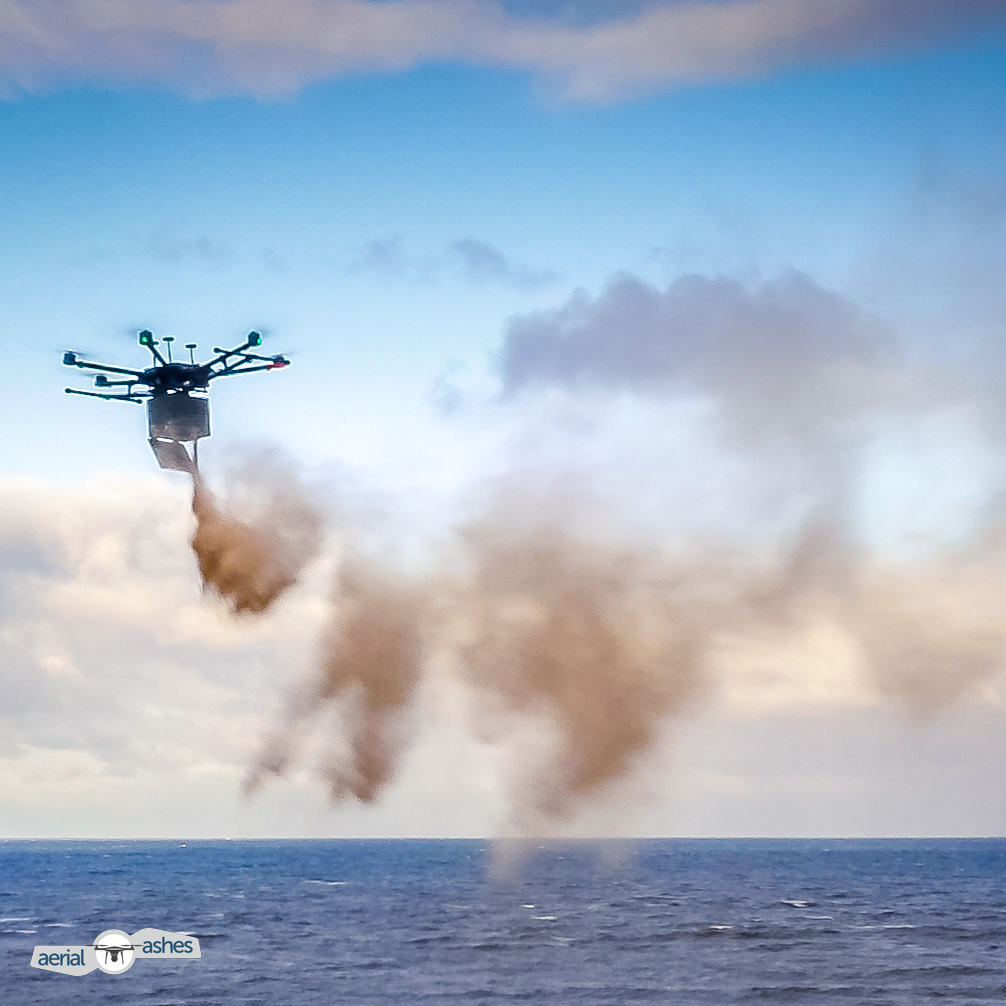
Some families want to take part directly. Others find the physical act of scattering too difficult, particularly in an exposed coastal location. A professional drone ash scattering ceremony provides another option. You can remain together on the beach, listen to readings or music, and watch the release from a respectful distance.
Consider including:
- A favourite poem, prayer, or piece of music.
- A short speech about the person’s life.
- A moment of silence as the drone carries the ashes over the water.
- Biodegradable flowers or petals, where appropriate.
- A live stream for relatives who cannot attend.
- A professionally edited video to preserve the ceremony.
Explore the Aerial Ashes guidance pages for more ideas about shaping a ceremony around individual wishes.
How drone ash scattering can suit an open beach
Hand scattering can feel intimate, but beaches bring changing wind, shifting sand, uneven ground, and public activity. These conditions can make an already emotional moment harder to manage.
Drone ash scattering offers a controlled and dignified alternative. A specially equipped drone can carry the ashes to an agreed location over the shoreline or sea before releasing them with precision. This allows the family to witness the ceremony without needing to walk into the water, climb unstable ground, or handle the ashes in strong coastal winds.
A professional ceremony can provide:
- A precise release: Plan the release location around your loved one’s connection to Caister.
- A graceful perspective: Watch the ceremony from the beach as the drone moves above the shoreline.
- Reduced disturbance: Avoid walking across vegetated dunes or entering areas that may be sensitive for wildlife.
- Greater accessibility: Keep family members on a suitable viewing area rather than requiring everyone to reach the waterline.
- Professional coordination: Allow an experienced team to consider permissions, airspace, weather, tides, and public safety.
- Memorialisation: Add filming or live streaming so more relatives can share the farewell.
The drone should never be treated as a spectacle. It should support a quiet, respectful ceremony and allow the natural setting to remain central.

Permissions, wildlife, tides, and local guidance
Caister Beach may be suitable for ashes scattering, but no coastal location should be treated as automatically available for every ceremony. Confirm the details before making arrangements.
The Marine Management Organisation guidance on burial at sea explains that a licence is not required to scatter ashes at sea after cremation. This is different from placing a body or coffin at sea, which has separate licensing requirements.
For a beach ceremony, check the relevant landowner, council, or site manager where necessary. Local by-laws, managed areas, public events, conservation designations, or particular beach activities may affect the arrangements.
Treat the dunes as sensitive habitat:
- Stay on established paths and access routes.
- Do not scatter directly onto vegetated dunes.
- Avoid roped-off areas, nesting sites, and wildlife gathering areas.
- Choose open sand or a suitable area over the water where appropriate.
- Keep the ceremony discreet and away from busy bathing, fishing, or boating areas.
- Take all non-biodegradable items away with you.
- Avoid plastic ribbons, balloons, wire, metal, and artificial flowers.
Review the local information provided by Visit Norfolk and check current facilities through Visit Great Yarmouth. Details such as parking, toilets, access routes, and opening times can change seasonally.
For a sea-based alternative, Caister Lifeboat offers a committal of ashes at sea. Families should compare the type of ceremony, location, and practical arrangements before deciding which option feels most appropriate.
Planning the ceremony at Caister Beach
Plan carefully, then allow the day to feel unhurried.
-
Choose the meaning of the location.
Identify whether the connection is to the beach, the sea, the dunes, or a particular view. Share this with the ceremony team during the consultation. -
Select a suitable viewing point.
Consider access for older relatives and anyone with limited mobility. Caister’s beach access can include steps or sloping routes, so do not assume that every part of the shore is accessible to everyone. -
Check the tide and weather.
Review tide times, wind direction, visibility, and the wider forecast. Coastal weather can change quickly. Reschedule if conditions are unsuitable for a safe and dignified ceremony. -
Consider public activity.
Early morning or later in the day may offer greater privacy, although seasonal use and local conditions vary. Avoid busy access points, bathing areas, and organised events. -
Confirm aviation requirements.
Drone operations must follow current Civil Aviation Authority drone guidance. The operator must assess airspace, people, buildings, wildlife, launch points, and the proposed flight path. -
Arrange the ceremony details.
Choose readings, music, flowers, livestreaming, or filming. Keep the arrangements personal rather than complicated.
Aerial Ashes handles the necessary logistics and seeks permissions where possible. The team can discuss the location, check practical constraints, and explain whether Caister Beach is suitable for the proposed ceremony on the chosen date.
A thoughtful and environmentally conscious farewell
A professional ceremony should respect both the family and the landscape. The aim is not simply to release ashes from above. It is to create a calm process that avoids unnecessary disturbance and gives relatives the space to remember.
At Caister, this means protecting the dunes, avoiding sensitive wildlife areas, selecting a responsible launch point, and keeping the release away from people and busy beach activity. A controlled aerial release can also reduce the need for a group to cross fragile ground or approach an unstable waterline.
Use only suitable biodegradable tributes, and leave the beach as you found it. The sea and shoreline should remain clean for wildlife, residents, visitors, and future family visits.
Learn more about scattering ashes at the sea with Aerial Ashes or arrange a free consultation through the Aerial Ashes website. The team can also explain live streaming options for relatives who cannot travel to Norfolk.
Remembering someone beneath an open Norfolk sky
Caister Beach offers the ingredients of a meaningful coastal farewell: sand beneath the feet, dunes behind the shore, a broad horizon ahead, and the quiet movement of the sea. Its quieter character may suit families who want a natural setting without an elaborate public ceremony.
Take time to consider the practical details. Respect local guidance. Protect the dunes and wildlife. Check the weather, tide, access, and aviation requirements. Then allow the ceremony to focus on the person whose life is being honoured.
With thoughtful planning and professional support, ashes scattering at Caister Beach can provide a peaceful moment of release, connection, and remembrance.
SEO metadata
Meta title: Caister Beach Ashes Scattering Guide
Meta description: Explore Caister Beach for ashes scattering, including dunes, access, permissions, wildlife, tides, weather, and professional drone ash scattering.
Focus keywords: ashes scattering, scattering ashes, drone ash scattering, scattering ashes at sea, Caister Beach ashes scattering
Sources and further guidance
- Marine Management Organisation: How to arrange a burial at sea in the UK marine area
- Civil Aviation Authority: Drones
- Visit Norfolk: Caister Beach
- Visit Great Yarmouth: Public toilets and local facilities
- Caister Lifeboat: Committal of ashes
- Aerial Ashes: Scattering ashes at sea
We're Online! How may I help you today?