 UK
UK
 Hawaii
 USA
USA

Dunwich Beach Ashes Scattering: A Serene Suffolk Coastal Farewell at the Edge of a Lost Town
Dunwich Beach Ashes Scattering: A Serene Suffolk Coastal Farewell at the Edge of a Lost Town
Meta title: Dunwich Beach Ashes Scattering | Suffolk
Meta description: Discover how Dunwich Beach’s lost-town history, open horizons and fragile wildlife create a meaningful setting for future ashes scattering ceremonies.
Grief often changes the way a familiar landscape feels. A shoreline that once represented holidays, long walks or quiet conversations can become a place of remembrance, offering space to reflect when words feel difficult.
Dunwich Beach, on the Suffolk Heritage Coast, carries an especially powerful sense of openness and impermanence. Its wide horizon, shingle shore and connection with the sea provide a serene setting for ashes scattering, subject to National Trust approval, site access and all necessary permissions.
When the shore is part of a loved one’s story, consider a ceremony that respects both the person being remembered and the landscape they cherished. Explore the Aerial Ashes service to learn how a dignified drone ash scattering ceremony can take place across the UK.
A shoreline shaped by memory, nature and change
Dunwich is not simply a beach. It is the edge of a landscape that has been continually reshaped by wind, waves and time.
Behind the shingle beach lies Dunwich Heath, with areas of heathland, saltmarsh, wetland and woodland. Together, these habitats create an atmospheric coastal setting where the land feels spacious, quiet and alive.
The beach is mainly shingle, with areas of sand appearing at lower tide levels. Look towards the water and the horizon seems almost limitless. For some families, that sense of distance provides comfort. It can represent freedom, release and the continuation of a life beyond the physical world.

The lost town of Dunwich and the meaning of letting go
Dunwich was once a significant medieval port and one of the most important settlements in England. Over centuries, storms, coastal erosion and the movement of shingle gradually consumed the town.
Much of medieval Dunwich now lies beneath the North Sea. The town’s churches, streets and harbour disappeared as the coastline retreated, leaving behind the modern village and a remarkable story of a place lost to the sea.
Read more about this history through the BBC’s account of Dunwich, the town lost to the sea, or explore the National Trust’s history of Dunwich Heath.
That history can resonate deeply during a ceremony. The gradual movement from land to sea reflects the natural process of letting go. It does not erase the past. Instead, it places a loved one’s memory within a landscape that has carried stories for generations.
A fragile habitat that deserves careful protection
Dunwich’s coastal environment is precious. Its rare vegetated shingle habitat supports specialised plants that grow among the pebbles above the high-tide line. These plants can be easily damaged by footsteps, dogs and changes to the shingle surface.
Dunwich Heath is also known for wildlife including Dartford warblers and nightjars, alongside skylarks, stonechats, adders, lizards and other species. The National Trust identifies the heath as a nationally important habitat.
Treat the landscape gently:
- Keep to marked paths and bare shingle.
- Avoid walking across vegetated shingle or disturbing protected plants.
- Keep dogs under close control and follow local signs.
- Take all litter home, including flowers, ribbons and containers.
- Do not light fires or use barbecues.
- Watch wildlife quietly from a respectful distance.
- Follow all National Trust instructions and temporary closures.
At the time of writing, Dunwich Heath and the adjoining National Trust beach remain closed following a devastating wildfire in July 2026. The closure includes the coast path, public rights of way, car park and visitor facilities. Do not travel to the site for a ceremony or visit until the National Trust confirms that access has safely resumed.
Check the official National Trust Dunwich Heath and Beach page before making any future plans. If Dunwich is not available, ask Aerial Ashes about alternative coastal locations that may carry similar meaning.
Why drone ash scattering can protect the shoreline
Traditional DIY scattering can feel personal, but coastal conditions can make the moment difficult to control. Wind may change direction unexpectedly. Ashes can drift back towards the people gathered on the beach, or settle where the family did not intend.
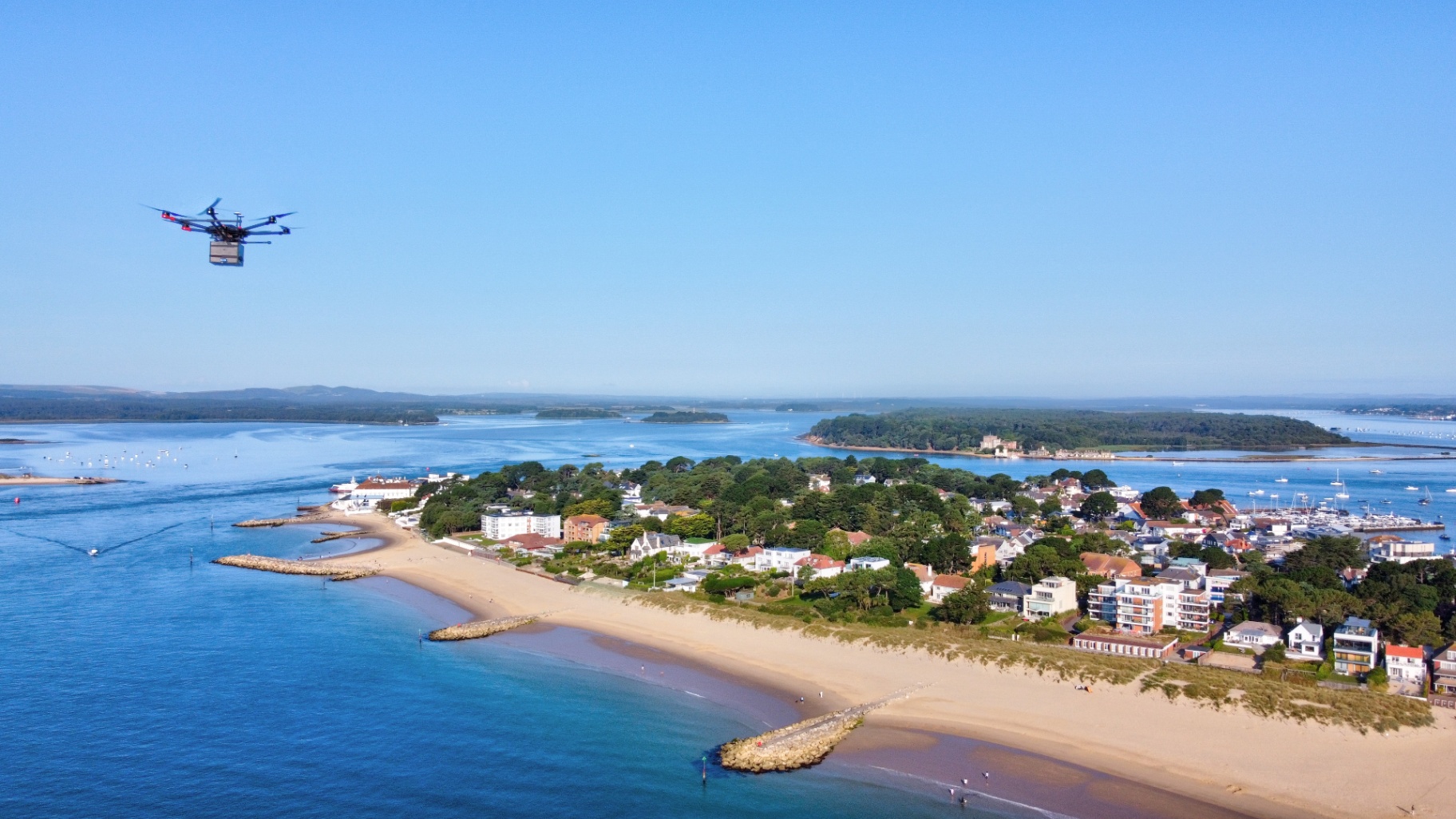
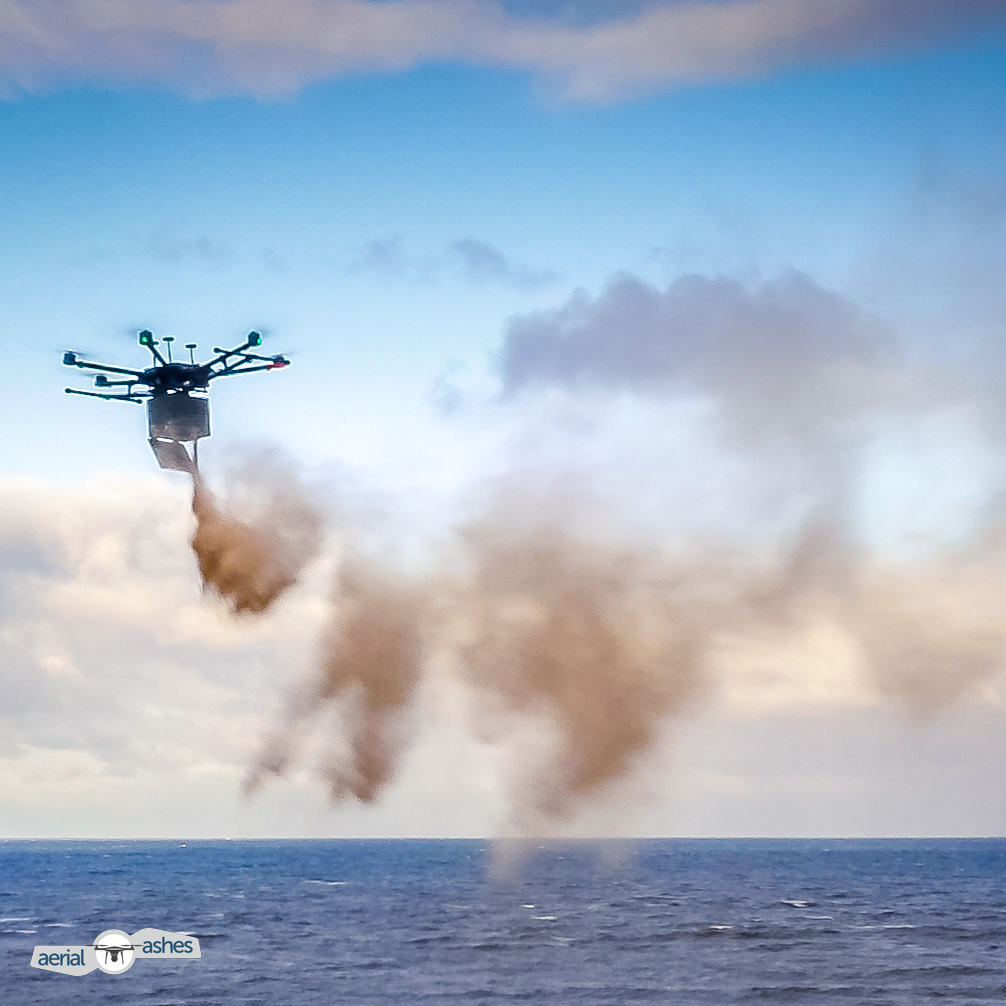
A professional drone ash scattering ceremony offers a carefully planned alternative:
- The drone can release ashes over a chosen area from above the shoreline.
- Family members do not need to stand beneath the release point, removing the usual risk of ashes blowing back onto mourners.
- The ceremony can avoid unnecessary walking across sensitive shingle habitat.
- The release can take place over the sea or another approved location, subject to permissions.
- CAA-licensed pilots manage the flight safely and professionally.
- Aerial Ashes handles the logistics, including permissions and coordination with relevant landowners.
This approach does not treat technology as a replacement for emotion. It provides structure and calm around a moment that may otherwise feel uncertain.
Plan a respectful Dunwich ceremony when access allows
When the site reopens, plan carefully and allow the landscape to guide the pace of the day.
-
Check access first
Confirm the latest National Trust opening information, any wildfire recovery restrictions and the areas where ceremonies may be considered. Do not rely on older photographs or previous visitor information.
-
Check the tide and weather
Review local tide times before travelling. Choose conditions that support safe access and comfortable participation, particularly for anyone with limited mobility. Avoid unstable cliff bases and remain alert to changing sea conditions.
-
Request permission
Dunwich Heath and Beach are National Trust land. Obtain permission before arranging any ceremony, and remember that approval may depend on habitat protection, safety, weather, flight restrictions and local conditions.
-
Choose the ceremony style
Decide whether you would like a private, attended or unattended ceremony. You may wish to include a reading, a piece of music, a quiet moment of reflection or a simple spoken farewell.
-
Consider remote memorialisation
Family members who cannot travel can still be included through live streaming. A filmed ceremony can also provide a lasting memorial for relatives and friends who need more time before watching.
Use the free consultation service to discuss Dunwich, alternative Suffolk locations and the practical arrangements involved.
Other East of England beaches to consider
Dunwich may hold a particular connection because of its history, but it is one of several beautiful coastal options in the wider East of England Beach Ashes Scattering Series.
Consider:
- Holkham Beach in Norfolk, known for its broad sandy shore, dunes, pine woodland and expansive views.
- Southwold Beach in Suffolk, with its pier, beach huts and close connection to the town.
- Another meaningful location linked to a loved one’s holidays, home, work, sporting interests or family life.
Every location requires its own permission and safety assessment. Let the place reflect the person, while allowing professional guidance to protect the family and the environment.
A calm and dignified way to say goodbye
Dunwich’s story is one of change. A powerful medieval port became a small coastal village, while the sea continued to shape the land beyond it.
That does not make the landscape sad. It gives the coastline depth. The shingle, heath, saltmarsh and open water create a place where remembrance can feel natural, quiet and unforced.
Choose a ceremony that protects the setting. Follow National Trust guidance, respect the fragile habitat and wait for the site to reopen safely. Then allow the horizon, the sea and the memories connected with Dunwich to provide a meaningful backdrop for saying goodbye.
Aerial Ashes offers multi-award-winning, CAA-licensed drone ash scattering ceremonies across England, Scotland and Wales. The team can help with permissions, planning, attended ceremonies, live streaming and edited tribute films.
Sources and further information
- National Trust, Dunwich Heath and Beach
- National Trust, Nature at Dunwich Heath and Beach
- BBC Travel, Dunwich, the British town lost to the sea
- Holkham Estate, Holkham Beach and Nature Reserve
- Visit Southwold, Beach Information
Learn more about scattering ashes at sea or arrange a conversation about a future Dunwich ceremony through Aerial Ashes.
We're Online! How may I help you today?