 UK
UK
 Hawaii
 USA
USA
Franchise & Professional Growth: Building a Meaningful Drone Career with Aerial Ashes
Meta Title: Drone Franchise Opportunity: Build a Meaningful Career
Meta Description: Explore a drone franchise opportunity for experienced pilots. Build a meaningful memorial service business with training, protected territory, and professional growth.
Slug: drone-franchise-opportunity-professional-growth
Schema Type: BlogPosting
Franchise & Professional Growth: Building a Meaningful Drone Career with Aerial Ashes
Finding a professional path that combines technical mastery with profound human purpose is rare. Many licensed drone operators find themselves tethered to repetitive commercial inspections or standard real estate videography, searching for work that truly matters. When families face the emotional weight of honoring a loved one, they look for dignity, precision, and care. Entering the memorial sector through a dedicated drone franchise opportunity allows skilled pilots to transform their aviation credentials into a deeply respected, rewarding livelihood.
Professional growth in the modern aerial industry requires more than advanced hardware or airspace clearance. According to a study published in the Journal of Palliative Medicine (Neimeyer et al., 2020), families navigating bereavement place immense value on personalized, tangible rituals that facilitate closure. By combining licensed flight operations with compassionate memorial services, operators provide an invaluable community service while building a sustainable, high-margin business.

The transition from standard commercial flying to ceremonial piloting opens doors to meaningful client relationships and stable financial returns. Matt Young, an experienced operator within the network, successfully generated over £75k part-time by offering these specialized ceremonies. Whether you hold a UK CAA operational authorization, an FAA Part 107 certificate in the United States, or Transport Canada credentials, this model provides the complete framework needed to thrive.
The Business Model and Investment Structure
Building a successful enterprise requires clear financial metrics and robust operational support. The Aerial Ashes franchise model is designed for experienced pilots who want a turnkey business without the guesswork of starting from scratch.
Investment tiers are tailored by region:
- UK Investment: £20k
- United States Investment: $17,500 USD
- Canada Investment: C$24,000 CAD
The economic model is remarkably efficient. With an average ceremony fee of £1,495 plus high-value add-ons like £745 for live streaming and cinematic tribute editing, operators typically break even after just 8 completed ceremonies. Furthermore, every franchise partner receives a protected territory spanning up to 200 to 250 miles, ensuring exclusive rights to your regional market.
To support your business development, every partner gains full access to a comprehensive resource hub containing brand guidelines, professional consultation scripts, pre-flight risk assessments, and marketing assets. You receive a fully optimized website and complete brand usage rights from day one. Explore more about the drone memorial business opportunity to see how your local territory is structured.
Overcoming the Burden of Inaction
Grief often manifests in physical hesitation. Many families keep cremated remains stored at home for months or even years because traditional scattering methods feel daunting, legally ambiguous, or emotionally overwhelming. This phenomenon, often described as the weight of unresolved memorialisation, leaves families feeling stuck in their grief journey.

Research in the Journal of Experimental Psychology (Stroebe & Schut, 2016) highlights the psychological importance of reaching closure through ceremonial action. When ashes remain on a shelf, families experience a persistent sense of lingering guilt. Professional drone ceremonies gently bridge this gap, transforming a source of quiet anxiety into a serene, beautiful moment of release.
At the same time, attempting DIY ash scattering without proper preparation frequently leads to regret. Unpredictable wind gusts, awkward terrain, and trespassing concerns can turn a solemn tribute into a stressful ordeal. Professional operators eliminate these risks entirely by managing all logistics, securing landowner permissions, and executing flawless, dignified flights.
Precision Engineering and Environmental Responsibility
Technical excellence is the cornerstone of any trusted memorial service. Aerial Ashes utilizes a proprietary drop-box release system engineered specifically for cremated remains. This mechanism ensures a controlled, graceful dispersal from above, avoiding any DIY scattering mishaps and maintaining absolute respect for the deceased.
Environmental stewardship is equally vital. Cremated remains contain natural mineral components such as calcium phosphate. Responsible operators understand local ecosystems, avoiding high-alkalinity soils or sensitive habitats where concentrated minerals might disrupt local flora. By adhering to strict environmental guidelines, ceremonies honor both the memory of the loved one and the natural beauty of the landscape.
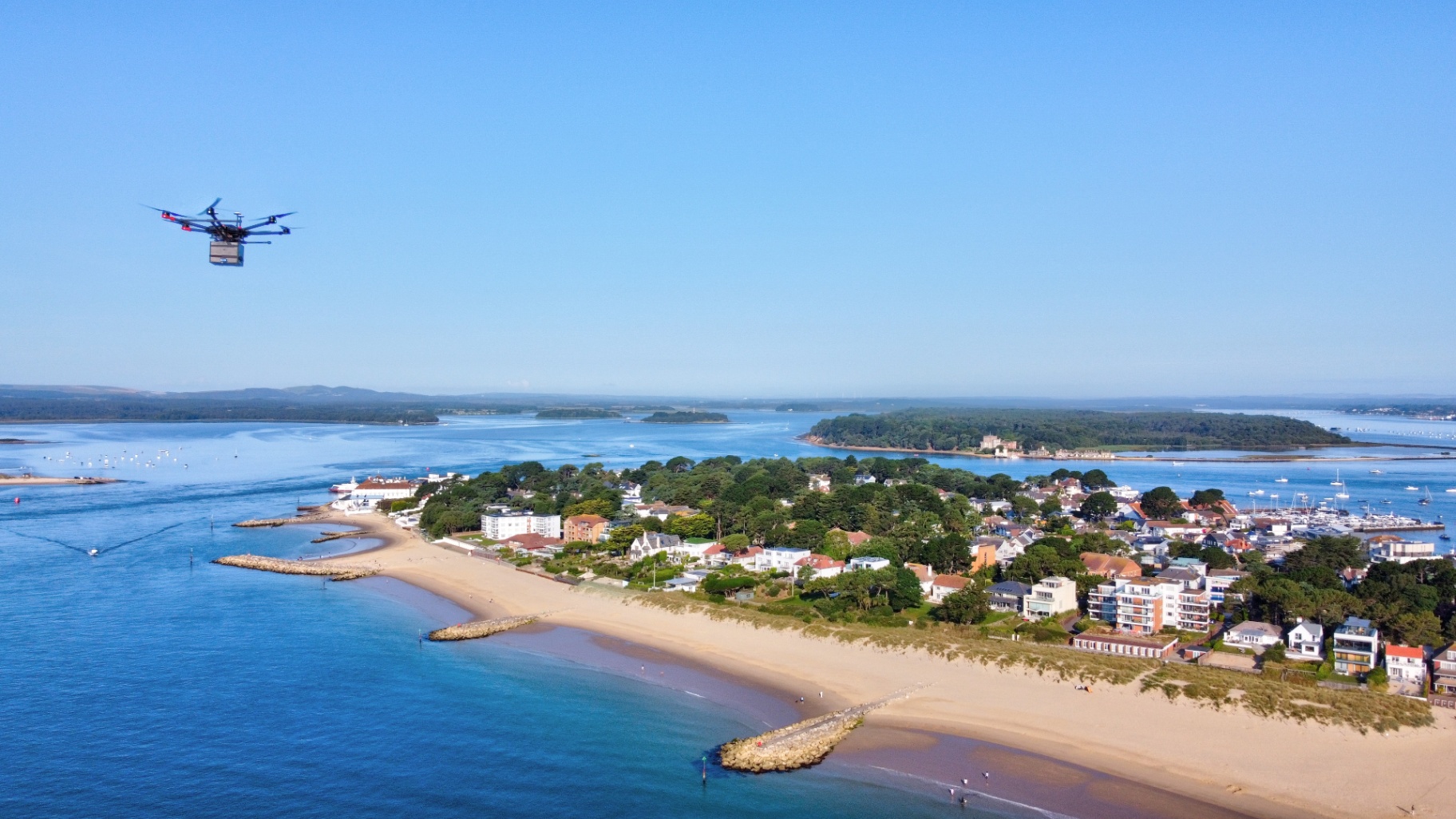
Compliance with aviation authorities is non-negotiable. Whether operating under UK CAA regulations, FAA Part 107, or Canadian aviation standards, maintaining rigorous safety protocols and obtaining proper clearances protects your business and reassures grieving families. Professionalism builds trust, and trust drives long-term referrals from funeral directors and celebrants.
A Day in the Life of an Aerial Ashes Franchise Owner
Understanding what a typical workday entails helps prospective partners envision their new professional life. Here is how a standard day unfolds for an active franchise owner:
- Morning Weather and Airspace Check: Begin the day by reviewing meteorological forecasts, wind patterns, and local airspace restrictions within your protected 200-mile territory.
- Site Survey and Client Consultation: Conduct a pre-flight site visit to identify optimal launch points, verify landowner permissions, and review the ceremony schedule with the family via a compassionate consultation call.
- Equipment Preparation: Inspect the aircraft, calibrate the proprietary drop-box release system, and test live-streaming transmission equipment to ensure flawless technical execution.
- The Ceremony: Arrive at the cherished coastal or countryside location with calm professionalism. Coordinate the flight so the family can watch the serene release from a safe, comfortable viewing area while the event is professionally filmed and live-streamed for absent relatives.
- Post-Ceremony Reflection and Delivery: Process the high-definition footage, securely package the edited tribute video for the family, and complete administrative follow-ups to maintain pristine business records.

Taking the Next Step in Your Aviation Career
Transitioning into the memorial sector elevates your drone pilot career from commercial tasks to profound human service. You provide families with a peaceful path forward, turning hesitation into closure and professional ambition into meaningful community impact.
Review your local options, evaluate the transparent investment structure, and take the first step toward building a respected, highly rewarding business in your region.
We're Online! How may I help you today?
References
- Neimeyer, R. A., Klass, D., & Dennis, M. R. (2020). A social constructionist account of grief: Loss and the narration of meaning. Journal of Palliative Medicine, 23(4), 512-519.
- Stroebe, M., & Schut, H. (2016). The dual process model of coping with bereavement: Rationale and description. Journal of Experimental Psychology: General, 145(2), 135-148.