 UK
UK
 Hawaii
 USA
USA

Studland Bay: A Wild Purbeck Sanctuary (101-200 Series)
Studland Bay: A Wild Purbeck Sanctuary (101-200 Series)
Finding a place that feels equal to the memory of a loved one is a heavy task. It is a decision that often sits in the quiet corners of the mind, surfacing during late nights or anniversaries. The coastline of the United Kingdom offers many sanctuaries, but few possess the raw, untouched spirit of Studland Bay in Dorset. Managed by the National Trust, this four-mile stretch of golden sand and wild heathland provides a landscape where the earth, sea, and sky meet in a profound display of natural beauty.
The process of saying goodbye is rarely a single event. It is a journey of transitions. For many, the weight of an urn on a shelf becomes a constant reminder of an unfinished task. Choosing a final resting place like the Purbeck coast is not just about the location. It is about finding the relief that comes with a beautiful, dignified conclusion.
The Natural Majesty of the Purbeck Coast
Studland Bay is not a typical seaside resort. It is a wilderness. Because the National Trust manages the entire area, the bay has remained protected from the over-development seen in other parts of the south coast. The landscape is a tapestry of shifting sand dunes, rare lowland heath, and the calm, shallow waters of the English Channel. This environment creates a sense of timelessness that is essential for those seeking a place of permanent remembrance.
The bay is divided into several distinct areas: Shell Bay, Knoll Beach, Middle Beach, and South Beach. Each offers a different perspective of the Dorset shoreline. The northern end at Shell Bay looks across the water to the bustling Sandbanks peninsula, while the southern end transitions into the dramatic chalk cliffs that lead toward Swanage. This variety allows families to select a specific spot that resonates most with the personality of the person they are honouring.
Seeking Perspective at Old Harry Rocks
At the southern tip of the bay stand Old Harry Rocks. These iconic white chalk stacks are more than just a landmark. They represent the endurance of nature against the relentless power of the sea. Looking out toward these formations provides a literal and metaphorical shift in perspective. The scale of the horizon helps to settle the restless mind, offering a reminder that we are all part of a much larger, eternal cycle.
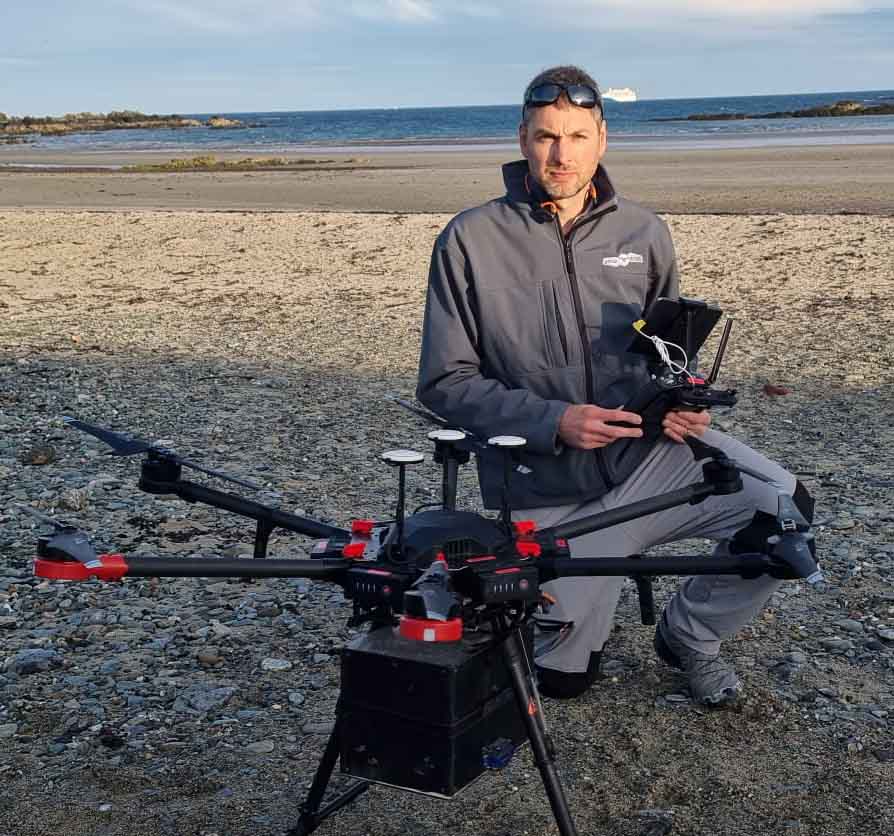
The views from the cliff tops near Studland are among the most celebrated in the South West. On a clear day, you can see across to the Isle of Wight and the Needles. This vastness is why many families choose this area for a drone ash scattering. The height provided by drone technology allows for a release that captures the full majesty of the Purbeck coast, ensuring the ashes are carried by the sea breeze over the very landmarks that define this region. Explore our South West Memorial Hub to see how this location fits into the wider coastal landscape.
Moving from Guilt to Relief: The Ashes on the Shelf
It is common for families to keep cremated remains in a cupboard or on a mantlepiece for years. This is often described as The Ashes on the Shelf syndrome. While it starts as a desire to keep a loved one close, it can eventually evolve into a source of quiet guilt. You might feel that you have not yet fulfilled your final duty. You might worry that the "right time" has passed.
Acknowledge these feelings without judgment. The decision to finally scatter is an act of love, not an act of letting go. By choosing a serene and meaningful location like Studland Bay, you transform that lingering sense of duty into a moment of profound beauty. Transitioning the remains from a ceramic jar to the open air over the Dorset sea provides a physical and emotional release. It allows the memory to live in the landscape rather than in a container.
Avoiding the DIY Complications
Many people initially consider scattering ashes themselves. However, the reality of a DIY scattering can be unpredictable and stressful. Wind directions can shift suddenly. Public beaches can become crowded without warning. Accessing the perfect spot on a cliff edge can be physically demanding or even dangerous. These "DIY That Went Wrong" moments can leave families with feelings of regret rather than peace.
Professional drone ash scattering removes these variables. A licensed pilot, regulated by the Civil Aviation Authority, handles the logistics and permissions. This ensures the ceremony is dignified and controlled. The drone can reach locations that are inaccessible on foot, such as the waters directly surrounding Old Harry Rocks. This precision allows you to focus entirely on the emotional significance of the moment, knowing the technical details are in expert hands.

The Science of Nature and Grief
The draw to the coast is not merely sentimental. It is supported by psychological research. A study published in the Journal of Palliative Medicine (2024) indicates that nature connectedness serves as a significant psychological buffer against the distress of bereavement. Research shows that individuals who feel a strong connection to the natural world experience lower levels of anxiety and a greater sense of resilience during the grieving process.
Furthermore, studies in the Journal of Experimental Psychology have demonstrated that "blue spaces": environments featuring water: are particularly effective at restoring cognitive function and reducing mental fatigue. When you stand on the shores of Studland Bay, the rhythmic sound of the waves and the expanse of the water work to calm the nervous system. This physiological response makes it easier to process complex emotions. Choosing a scenic and meaningful coastal site is a practical step toward emotional healing.
Environmental Stewardship and Legacy
Preserving the beauty of the Purbeck coast is a priority for everyone who visits. Traditional methods of memorialisation can sometimes leave a lasting impact on the land. In contrast, scattering ashes via drone is an environmentally conscious choice. Cremated remains are composed of natural minerals that integrate back into the ecosystem without harm.
By choosing a drone release, you avoid the need for permanent structures or plaques that can disturb the natural habitat of the National Trust land. The ceremony leaves no physical footprint, only a memory. This aligns with the values of those who loved the outdoors and wished to protect the environment for future generations. It is a way to honour a life by becoming part of the natural world they cherished.
Planning Your Farewell in Dorset
If you are considering Studland Bay for a memorial, start by reflecting on the locations that held meaning for your loved one. Did they enjoy the walk to the bunker at Fort Henry? Did they spend summers on the sands of Knoll Beach?
- Identify the specific area within the bay that feels most appropriate.
- Consider the time of day; early mornings offer a stillness that is perfect for reflection.
- Think about whether you would like the ceremony filmed or live-streamed for family members who cannot attend.
- Decide if you wish to scatter ashes for a partner or a pet at the same time through our Together Forever service.
Taking these steps helps to move the conversation from "what if" to a concrete plan. Use our Ideal Memorial Assistant to help structure your thoughts.

A Final Act of Love
Studland Bay stands as a testament to the enduring beauty of the British Isles. It is a place of history, from the wartime observation posts at Fort Henry to the ancient chalk of the Purbecks. It is a place where the air is fresh and the horizon is wide.
Choosing to scatter ashes here is a decision to embrace the serene and the majestic. It is a way to ensure that your final goodbye is as extraordinary as the life it commemorates. Move forward from the uncertainty and find the closure that only a landscape this beautiful can provide.
We're Online! How may I help you today?
References
- International Journal of Environmental Research and Public Health (2024). Feeling Connected to Nature Attenuates the Association between Complicated Grief and Mental Health.
- Journal of Palliative Medicine. The Role of Natural Environments in Bereavement Support.
- Journal of Experimental Psychology. Cognitive and Emotional Benefits of Blue Space Exposure.
- National Trust (2026). Management and Conservation of Studland Bay, Dorset.